Home
Search
Found 797 results for “ “ keyword
icon
Introduction Sleep apnea affects millions of people worldwide, yet it remains one of the most underdiagnosed conditions in healthcare. Repeated breathing interruptions during sleep are closely linked to cardiovascular disease, neurological disorders, and depression, but traditional diagnosis relies on clinical sleep studies that are costly, complex, and out of reach for most patients. AI wearable sensors are changing that, bringing accurate, continuous sleep monitoring directly to the individual. What TMA Solutions' Sleep Monitoring Delivers Our AI solution combines advanced analytics and sensor based technologies, offering the following key features to support accurate detection and proactive sleep health management: Four Sleep Stage Analysis: Classifies sleep into four stages: Deep, REM, Light and Awake to identify disruptions and assess overall sleep quality. Multi-Layer Trend Charts: Displays sleep changes weekly and monthly timelines through easy-to-read color-coded visuals for quick pattern recognition. AI Health Insights Assistant: Analyzes sleep data to assess overall sleep quality and delivers personalized recommendations. Abnormal Behavior Alerts: Identifies irregular sleep patterns by comparing nightly data against the user's personal sleep history for early risk detection. Readiness Score: Forecasts daily energy and alertness levels based on the quality and patterns of the previous night's sleep. Comparative Analytics Dashboard: Highlights relationships across sleep metrics to surface patterns linked to improved sleep quality outcomes. The Limits of Conventional Diagnosis The integration of wearable devices and artificial intelligence (AI) technologies has revolutionized the treatment and diagnosis of sleep apnea, enabling real-time monitoring and accurate analysis of sleep patterns, facilitating early detection and personalized interventions. Traditional methods like polysomnography (PSG), while precise, require specialized equipment and clinical settings that limit their scalability across large populations. The growing body of research into wearable-based alternatives is addressing this gap, moving sleep apnea detection out of the sleep lab and into everyday life. AI and Wearables: A New Detection Architecture AI Sleep Apnea Detection A systematic review published in the Journal of Medical Systems (2025), covering 249 studies from 2020 to 2024, reveals a clear convergence around a common diagnostic architecture: wearable devices including patches, smart rings, and wristbands integrated with convolutional neural networks (CNNs), producing promising results particularly when combined with transfer learning techniques. These devices capture physiological signals like ECG, photoplethysmography (PPG), oxygen saturation (SpO2), respiratory patterns, and body movement, which AI models then analyze to identify apnea events with clinical-grade accuracy. Adding further momentum, researchers at Vanderbilt University recently published findings in Proceedings of the National Academy of Sciences (PNAS) (2025) on a skin-interfaced, wireless sleep monitoring device that moves beyond indirect wrist-based sensing. The device features a soft, skin-mounted mechanoacoustic sensor capable of directly measuring both respiratory and cardiac activity, capturing breathing rate, heart rate and variability, temperature, and body motion. Its onboard AI framework, LMA-SleepNet, analyzes over 140 features extracted from the signals and delivers personalized, interpretable sleep scores and disorder predictions directly to a user's phone or tablet. Sleep Data as a Continuous Health Signal What unites these advances is a shared principle: sleep is not a passive state but a continuous stream of biological data with direct diagnostic value. Breathing patterns, more than any other signal, proved to be the most reliable markers of REM sleep and wake transitions, something conventional consumer devices often miss. When AI is trained on multimodal data collected across full sleep cycles, it can detect not only apnea events but also patterns associated with cardiovascular risk, metabolic disorders, and neurological decline, long before symptoms become clinically apparent. Transforming Sleep Data into Proactive Health Insights from TMA solutions TMA Solutions' Sleep Apnea Detection is an AI wearable solution designed to help patients and clinicians detect, monitor, and manage sleep apnea and related disorders. The platform continuously tracks key sleep parameters, including heart rate variability, SpO2, and sleep stages, applying AI analysis to identify abnormal patterns and generate personalized health insights through intuitive visual dashboards. This solution supports earlier clinical intervention and more proactive care management, empowering both patients and healthcare providers to make informed decisions based on accurate, continuous sleep data. How Our AI Sleep Monitoring Is Applied in Real Life From early detection to long-term care, TMA Solutions enables smarter sleep apnea management through continuous AI monitoring: Daily At-Home Sleep Monitoring: Enables patients to continuously monitor their sleep health at home. Sleep Disorder Monitoring: Tracks and supports patients with insomnia, irregular sleep, and other sleep-related conditions. Sleep Trend Tracking During Treatment or Lifestyle Changes: Monitors how sleep patterns shift in response to ongoing treatment or changes in daily habits. Long-Term Health Monitoring for Chronic Conditions: Enables sustained sleep tracking for chronic illnesses patients. Conclusion AI wearables are transforming sleep apnea detection by making continuous, at-home monitoring more accessible and actionable. With deep expertise in AI and healthcare innovation, TMA Solutions is supporting people worldwide in transforming continuous sleep data into meaningful, life-improving health outcomes. From Wrist Trackers to Smart Sensors: How AI Is Transforming Sleep Apnea Detection...
icon
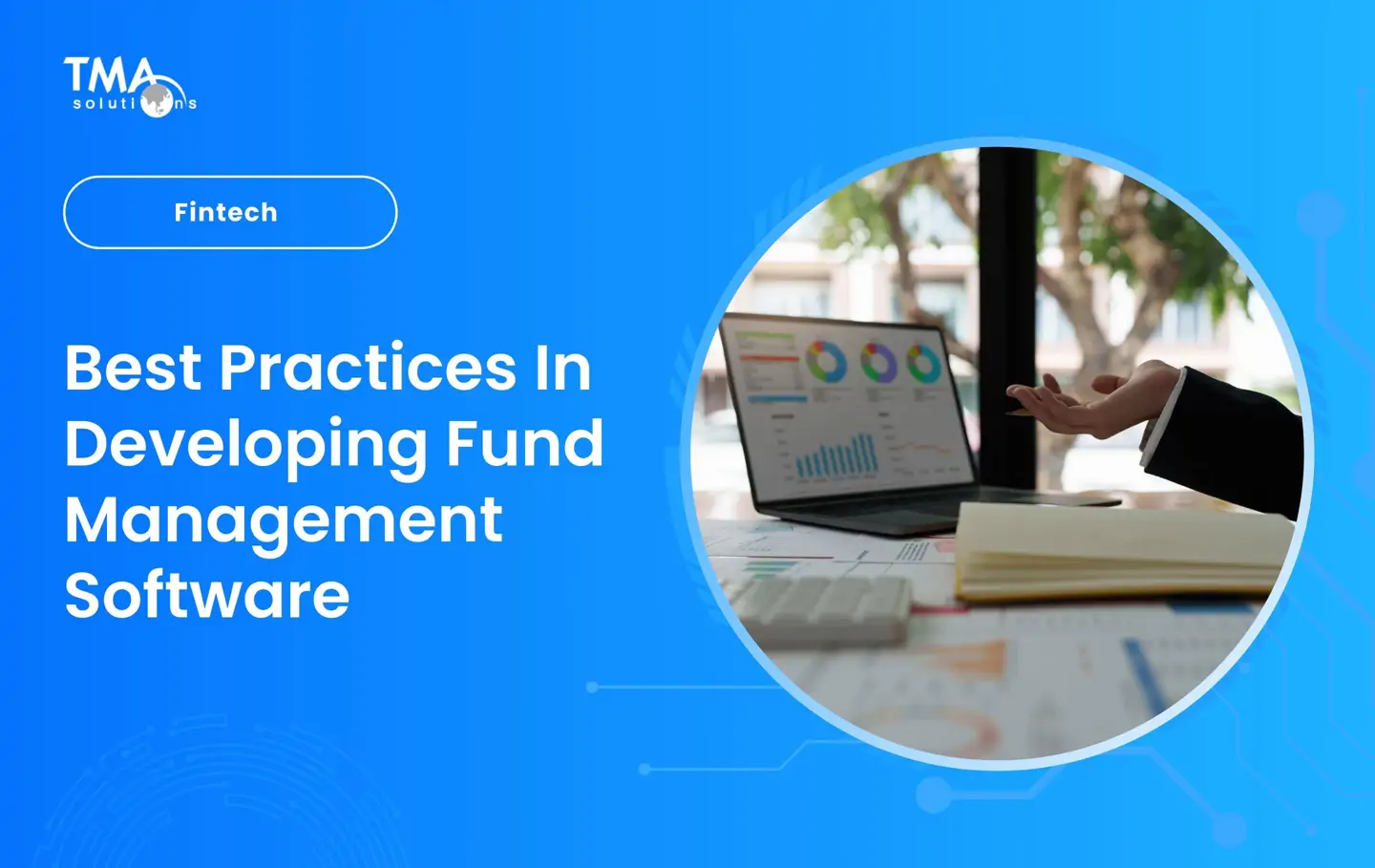
Best practices for efficiency fund management software operation To maximize the efficiency and effectiveness of your fund management software , asset managers should consider implementing the following best practices: Stay updated: Regularly update the software to ensure optimal performance, security, and compatibility with the latest industry standards. Invest in training: Provide comprehensive training to users to maximize their proficiency and adoption of the software. Leverage advanced features: Utilize the full range of features to streamline operations, improve decision-making, and enhance performance analysis. Monitor and evaluate: Implement robust monitoring and evaluation processes to track system performance and user satisfaction and identify areas for improvement. Gather feedback: Actively seek user feedback to refine the software and align it with evolving needs. Customize to your needs: Tailor the software to your specific workflows and preferences through customization and configuration options. Prioritize data quality: Maintain data accuracy and integrity through regular data cleansing and validation. Foster collaboration: Encourage collaboration among users and teams to optimize the use of the software. Ensure security and compliance: Put into operation strong security measures and unitary compliance mechanisms for preventing persistent sensitive data and protecting against users under certain industry regulations. Integrate with external systems: Connect the software with other systems to streamline workflows and improve data exchange. Best Practices In Developing Fund Management Software Advantages of adopting fund management software Fund management software offers a range of benefits that can significantly enhance the efficiency, accuracy, and compliance of investment operations. Here are some key advantages: Operational efficiency: Automates essential tasks, reducing manual work, saving time, and improving productivity. Data accuracy: Delivers detailed portfolio insights with advanced analytics, supporting better decision-making. Regulatory compliance: Ensures adherence to industry standards with built-in compliance checks, audit logs, and reporting features. Business scalability: Handles growing investment portfolios and increased transactions, enabling seamless expansion. Enhanced client service: Offers real-time updates and performance tracking, improving transparency and client trust. Fund management software can automate the process Efficient fund management is paramount to successful financial operations. In the digital era, fund management software plays a crucial role in optimizing workflows, supporting informed decision-making, and maintaining regulatory compliance. This guide explores the benefits, features, and implementation strategies of this management software, with a special focus on solutions provided by TMA Solutions. Let’s explore the fund management platform in this article. Steps to successfully implement fund management software Successful adoption of fund management software requires careful planning and systematic implementation. These stages will defy the success of implementation. Project planning and strategy The planning phase sets the stage for implementation by defining clear goals, timelines, and stakeholder roles. This phase ensures that all project aspects are aligned with the business’s strategic vision. How to execute: Project objectives: Establish clear goals like improving portfolio performance, streamlining compliance, or enhancing reporting accuracy. These objectives guide the entire implementation process. Timeline and milestones: Create a timeline with key milestones, such as data migration completion, system testing, and user training. Break tasks into manageable phases to ensure steady progress. Resource allocation: Assign roles and responsibilities to internal teams or external consultants. Ensure sufficient budget allocation for software licenses, IT infrastructure, and ongoing support. Stakeholder engagement: Identify key stakeholders, including IT specialists, financial managers, and compliance officers. Engage them early to gather input and secure buy-in. You should set clear goals, timelines, and resources Data transfer and migration Data migration involves transferring historical data from legacy systems to the new fund management platform while ensuring its accuracy, completeness, and usability. How to execute: Data assessment: Review legacy data for inconsistencies, outdated records, or incomplete entries. Classify data based on type and source. Data mapping: Develop a data mapping strategy to align legacy data fields with the software’s structure. Define relationships between different data sets. Data cleansing: Standardize the format of data, correct errors, and remove duplicate records. Ensure compliance with data privacy regulations. Testing: Conduct pilot migrations to test data integrity, accuracy, and completeness. Use test scenarios to validate functionality before a full-scale migration. Employee training and system onboarding Proper user training ensures seamless adoption and maximizes software ROI. The customized training sessions provide employees with the necessary skills to use the software efficiently. How to execute: User training: Deliver personalized training modules, combining live sessions, video tutorials, and user guides. Include onboarding sessions for new hires. Hands-on practice: Provide sandbox environments for experimentation and scenario-based learning. Allow users to explore features risk-free. Role-based training: Customize training content based on user roles, such as fund managers, compliance officers, and IT staff, emphasizing features relevant to their tasks. Ongoing support: Establish continuous support through dedicated help desks, community forums, and live chat services. System testing and quality verification Testing and quality assurance validate that the software functions correctly, integrates seamlessly, and meets performance benchmarks under real-world conditions. How to execute: Test planning: Develop a detailed test plan that outlines goals, test cases, expected results, and evaluation criteria. Define success metrics for each function. Functional testing: Test core features, including portfolio management, data reporting, and compliance modules. Identify and resolve any discrepancies. Integration testing: Validate data exchange between the fund management software and third-party platforms like accounting systems or data providers. Ensure compatibility and smooth integration. Performance testing: Simulate different usage scenarios to measure system responsiveness, load capacity, and operational stability. Launch and ongoing support services The launch phase involves transitioning from the legacy system to the new software, ensuring that operations continue uninterrupted while ongoing support and maintenance keep the system running optimally. How to execute: Deployment planning: Develop a step-by-step deployment roadmap detailing who does what and when. Assign responsibilities for each deployment task. User support: Provide real-time support through a dedicated support team. Establish help desks, live chat services, and email-based ticketing systems. Monitoring and feedback: Continuously monitor system performance, collecting user feedback to identify usability issues and areas for improvement. Maintenance and upgrades: Schedule regular maintenance tasks like database optimization, system patches, and updates. Stay current with vendor-released upgrades and new features. Best practices for efficiency fund management software operation To maximize the efficiency and effectiveness of your fund management software , asset managers should consider implementing the following best practices: Stay updated: Regularly update the software to ensure optimal performance, security, and compatibility with the latest industry standards. Invest in training: Provide comprehensive training to users to maximize their proficiency and adoption of the software. Leverage advanced features: Utilize the full range of features to streamline operations, improve decision-making, and enhance performance analysis. Monitor and evaluate: Implement robust monitoring and evaluation processes to track system performance and user satisfaction and identify areas for improvement. Gather feedback: Actively seek user feedback to refine the software and align it with evolving needs. Customize to your needs: Tailor the software to your specific workflows and preferences through customization and configuration options. Prioritize data quality: Maintain data accuracy and integrity through regular data cleansing and validation. Foster collaboration: Encourage collaboration among users and teams to optimize the use of the software. Ensure security and compliance: Put into operation strong security measures and unitary compliance mechanisms for preventing persistent sensitive data and protecting against users under certain industry regulations. Integrate with external systems: Connect the software with other systems to streamline workflows and improve data exchange. Choosing the right fund management software for your business Choosing the right fund management solution is a pivotal decision that can influence your organization’s efficiency, compliance, and investment performance. Here are some tips to help you with the selection process. Evaluating your needs Clearly define your organization’s specific needs before starting to select a fund management software . Investment strategy and asset classes: Asset managers should determine investment approach, including asset categories and risk tolerance, to ensure the fund management software fits well with your operational framework. Regulatory compliance: Evaluate regulatory requirements in your jurisdiction and industry, and select software with robust compliance features. Reporting needs: Define your reporting requirements, whether for client, regulatory, or internal purposes. Ensure the software offers customizable reporting capabilities. Workflow integration: Assess your current workflows and select a solution that integrates seamlessly with your existing systems to enhance operational efficiency. Financial budget planning Budget considerations plays a significant role in selecting fund management software solutions ​. Total cost of ownership: Evaluate the upfront costs, maintenance fees, and potential customization expenses. Scalability: Ensure the pricing model can accommodate future growth. Return on investment (ROI): Assess how the software can enhance operational efficiency, reduce manual errors, and improve investment performance. Budget is very important in fund management solution Growth potential and scalability Scalability is a critical consideration when selecting a solution for fund management. Ensure the solution can handle your current portfolio size and scale to accommodate future growth. Consider factors such as: Transaction volume: The software should be able to handle increasing transaction volumes without performance degradation. User capacity: You should find scalable user licensing options that support a growing number of users and concurrent access. Portfolio size: Ensure the software can handle your current portfolio and scale to accommodate future growth. Compatibility with current systems The software should integrate seamlessly with your existing infrastructure to enhance operational efficiency and data flow. Consider the following: Data integration: Check if the software is able to link with the external data sources for market data providers, custodian banks, and accounting platforms. Third-party integrations: Assess compatibility with third-party applications like CRM systems and risk management tools. Workflow integration: Ensure the software integrates smoothly with your existing workflows and systems to minimize disruption and maximize efficiency. Vendor credibility and client support The reputation and support services of the software vendor are crucial factors to consider. Vendor stability: Study the vendor’s historical background and its steadiness in the market. Client support: Seek references from current users to understand their experiences with support and responsiveness. Support services: Evaluate the range of support services offered, including training, documentation, and technical assistance. Essential features to consider in fund management software Selecting the optimal fund management software involves a meticulous evaluation of key features. Let’s delve into these essential features to aid your decision-making process. Portfolio management functions Portfolio management capabilities are the primary foundation of fund management software. Fund portfolio management software ​ automates portfolio tracking, allocation, and rebalancing, ensuring that investments align with predefined strategies and risk tolerances. The system continuously updates portfolio data and generates actionable insights to optimize returns. What to look for: Portfolio tracking : The software should utilize real-time data feeds to continuously update portfolio valuations, transaction records, and performance benchmarks. Asset allocation : Asset managers look for automated asset allocation tools that adjust portfolios dynamically based on changing market conditions and client investment goals. Rebalancing : Automated rebalancing keeps investment portfolios aligned with target asset allocations by buying or selling assets as market values shift. This platform empowers you to efficiently manage your investment portfolios Performance tracking and reporting Performance analysis and reporting features provide insights into investment outcomes through advanced data analytics and custom reporting tools. This helps fund managers assess portfolio performance and optimize investment strategies. What to look for: Performance measurement : Choose a system that supports key performance metrics such as time-weighted returns (TWR) and money-weighted returns (MWR). These indicators help evaluate portfolio growth and fund performance. Attribution analysis : Asset managers look for software that can quantify the impact of strategic asset allocation, tactical sector positioning, and broad market trends on portfolio returns. This enables a deeper understanding of the portfolio’s strengths and weaknesses. Customizable reporting : Ensure the platform allows report customization, including visual elements like graphs, charts, and detailed tables tailored to your specific reporting needs and regulatory standards. Risk management tools Risk management tools enable proactive assessment of investment risks through advanced modeling and simulation techniques. This includes evaluating portfolio exposure to market volatility and economic downturns. What to look for: Risk assessment : Look for software that can optimize returns by incorporating risk metrics like VaR and Sharpe ratios into portfolio construction and rebalancing decisions. Scenario analysis : Ensure the platform offers scenario modeling that simulates various market conditions and investment environments. This helps managers create resilient portfolios. Compliance monitoring : Integrated compliance monitoring tools alert fund managers to potential regulatory violations, ensuring portfolios remain within legal and operational limits. Compliance and regulatory support tools Compliance features ensure adherence to financial regulations, safeguarding portfolios against legal risks. This includes monitoring portfolios for regulatory violations and maintaining audit trails for full transparency. What to look for: Regulatory compliance : Ensure the software supports compliance standards like SEC, MiFID II, and GDPR, with automated alerts and real-time compliance checks. Audit trails : Look for detailed transaction logs and audit trail functionality, enabling complete visibility into portfolio adjustments and trading activity. Document management : Choose a system with secure document storage, including access control, version tracking, and encryption for regulatory filings and financial disclosures. Fund management platforms need robust compliance features Integration and future scalability Seamless integration ensures that fund management software connects with external data providers, financial institutions, and accounting systems. Scalability means allowing the business to grow up with the platform. What to look for: Data integration: Look for platforms that integrate with third-party data sources, custodian banks, and stock exchanges. Support for APIs and data formats like XML, JSON, and FIX protocols is essential. Scalability: Ensure the platform supports increasing portfolios, expanding investment strategies, and growing client bases without performance slowdowns. Cloud-based solutions often offer the best scalability. API access: Opt for software with well-documented APIs for easy customization and system integrations with CRM, ERP, and analytics tools. User-friendly interface and easy accessibility A well-designed user interface simplifies complex investment tasks by making critical functions easily accessible. Custom dashboards and intuitive navigation enable seamless management of multiple portfolios and investment accounts. What to look for: Friendly user interface: Choose a platform with an intuitive interface that minimizes the learning curve and boosts productivity. Look for customizable dashboards and personalized layouts. Mobile accessibility: Ensure the platform includes a responsive mobile interface or a dedicated app for monitoring portfolios and making real-time decisions on the go. Customization options: Opt for software that supports custom workflows, allowing fund managers to tailor dashboards, reports, and alerts based on specific investment strategies. Conclusion Fund management software is transforming the financial landscape by enhancing efficiency, reducing risks, and driving data-driven decisions. With solutions like those from TMA Solutions, businesses can achieve unparalleled growth and operational excellence. TMA Solutions is the right choice for financial institutions and investment firms looking to enhance their fund management capabilities. Why choose the fund management solution by TMA Solutions? TMA Solutions is a trusted software development company specializing in fund management solutions, backed by nearly 20 years of experience in the fintech industry. Its strengths include a 600+ member development team, a global portfolio spanning many countries, and comprehensive services covering design, implementation, and system integration. This combination of technical expertise, industry knowledge, and client-focused service makes TMA Solutions a reliable partner for fund management software development. Key features of TMA Solutions’ fund management software: Portfolio management: Facilitates the investment and management of financial assets, including stocks, bonds, term deposits, and managed funds, ensuring diversified and well-structured portfolios. International equities trading: Enables trading and investment in international equities across multiple global security exchanges, supporting cross-border asset management. Comprehensive reporting: Provides detailed reports for investors, advisors, and fund managers, enhancing transparency and enabling data-driven decision-making. Foreign exchange market access: Supports trading and investment in foreign exchange markets, covering major currencies such as USD, GBP, EUR, and HKD, ensuring broad market participation. Clearing and settlement support: Allows banks and brokers to perform international clearing, settlement, and corporate actions, supporting all major ETC protocols and settlement types for efficient transaction processing. ...
icon
Conclusion Gamification and AR/VR are reshaping the future of education, helping learners stay motivated while giving educators powerful new tools to enhance lesson delivery. With a strong foundation in AI and EdTech innovation, TMA Solutions is supporting organizations worldwide in creating engaging, future-ready learning ecosystems. TMA Solutions in Action: Quiz Gamification In TMA’s Learning project, traditional quizzes are transformed into interactive game-like challenges. Learners receive points, badges, and progress indicators that reward consistency and improvement. This gamified approach has significantly boosted user participation and lesson completion rates. Technologies: FE: HTML/CSS, JavaScript, Angular, Web Technologies BE: .NET CORE, C#, Signal R, Entity Framework DB: SQL Server Lucky Spin & Daily Check-In Gamification T-Tutor integrates reward-based mechanics such as Lucky Spin, daily check-ins, and streak rewards. These features encourage learners to return daily, complete lessons, and maintain active learning habits. The result is a measurable increase in user retention and engagement across all age groups Technologies: FE: HTML/CSS, JavaScript, Angular, Web Technologies BE: .NET CORE, C#, Signal R, Entity Framework DB: SQL Server Immersive Learning Through AR/VR TMA’s AR/VR capabilities bring learning to life by allowing students to explore concepts through interactive simulations. From virtual science labs to historical time-travel immersive tours, AR/VR enhances understanding and memory retention. Why Gamification & AR/VR Matter in Modern Education - Enhances motivation and participation - Increases completion and retention rates - Personalizes learning experiences - Supports experiential and hands-on learning - Boosts learner confidence through instant feedback - Makes complex concepts easier to visualize and understand Introduction As education continues its rapid digital transformation, schools and training organizations are exploring innovative ways to capture and sustain learner attention. Among the most impactful approaches today are gamification and immersive AR/VR technologies. These tools turn passive lessons into dynamic, interactive experiences, driving higher engagement, motivation, and learning outcomes. For EdTech providers and institutions, integrating gamified features and immersive environments is no longer optional -it’s a competitive advantage. At TMA Solutions, we are pioneering next-generation EdTech capabilities that combine AI-powered learning systems with gamification mechanics and AR/VR experiences designed to enrich modern digital classrooms. Gamification & AR/VR in EdTech: Boosting Student Engagement...
icon
Top 5 Gen AI Development Companies from Vietnam Gen AI (Generative AI) is driving a powerful wave of digital transformation across Vietnam. Local tech companies are making their mark with practical Gen AI projects that have gained international recognition. Here are the top 5 gen AI development companies from Vietnam that are leading the artificial intelligence revolution. 1. TMA Solutions Across our decades of operations in AI Founded in 1997 in Ho Chi Minh City, TMA Solutions is one of the longest-established software companies in Vietnam. Leveraging its strong foundation in software engineering, the company has evolved into a leading gen AI development company from Vietnam, expanding its global presence with offices in the USA, Canada, Germany, Japan, Australia, and Singapore, and serving clients in more than 30 countries. Team size Having a workforce of around 4,000 engineers, TMA operates multiple technology centers organized by specialized domains, including AI & Data, telecommunications and 5G networks, IoT, fintech and insurance, e-commerce and retail, automotive, healthcare, logistics, and transportation. Expertise in Generative AI & AI Agent Development TMA Solutions has a dedicated team of AI engineers focusing on developing AI agent systems that support automated interaction and decision-making for businesses. The company manages the full lifecycle from solution consulting, agent architecture design, and system integration to deployment and continuous improvement based on real operational needs. In the field of Generative AI, TMA Solutions focuses on turning advanced AI technologies into practical solutions that businesses can actually use. Instead of offering general language models, TMA builds customized AI systems based on RAG (Retrieval-Augmented Generation) and deploys them on a private infrastructure (Private LLM). This approach allows companies to fully use their internal data while keeping strict control over security and privacy. Gen AI project workflow and applied technologies at TMA Solutions TMA Solutions follows a structured six-step workflow for Gen AI implementation: Step 1: The process begins with collecting requirements and securing data confidentiality. The expert team, including project managers, data scientists and solution architects, works directly with the client to define project goals, data sources and scope project. Step 2: TMA designs the system architecture—covering data collection, training, and application layers—and provides a detailed plan for resources, cost, and timeline. Step 3: After collecting data through automated pipelines, TMA trains the Gen AI or LLM models using modern frameworks such as TensorFlow, PyTorch and OpenAI to ensure high accuracy and performance. Step 4: After thorough testing for accuracy, performance, and security, the solution is integrated with existing systems such as CRM, ERP, or EHR and presents a demo or proof of concept for client validation. Step 5: The solution is deployed on either Cloud or On-premise environments, depending on client requirements. TMA monitors performance in real time and trains client teams for operation. Step 6: After deployment, TMA continues updating the model with new data and improving accuracy through a continuous learning pipeline. Periodic reports are sent to clients to review outcomes and propose future enhancements Gen AI technology models applied by TMA Solutions TMA builds its Gen AI capability across multiple technology domains to serve a wide range of business needs: Audio Generation: Includes voice-to-text and text-to-voice conversion, conversation analysis and sound recognition. Example use cases include call center assistants and sentiment analysis in customer support calls. Image Generation: Focuses on creating or enhancing visual content from text or image input, enabling automation in product recognition, defect detection in manufacturing lines and personalised visual content creation. Language Models (LLM): Advanced language models are used in intelligent Q&A systems, role-based chatbots, content creation tools, and marketing support platforms. Flexible model sizes: Clients can choose between Large Models (cloud-based for large-scale data processing), Medium Models (on internal systems for better data control) and Small Models (optimised for IoT or wearable devices that require edge processing) Practical experience through real-world projects TMA Solutions has delivered more than 100 Gen AI projects for international clients across various industries. Some notable examples include: https://www.tmasolutions.com/case-studies/boost-productivity-with-smart-call-center-assistant-powered-by-generative-ai Smart AI Call Center Assistant - Canada (Telecom & Networking): Implemented Generative AI and LLM to analyse real-time conversations and provide context-based suggestions. The solution reduced call handling time by 30%, improved agent productivity by 20%, and lowered operational staff requirements by 20% while maintaining high accuracy and customer satisfaction. https://www.tmasolutions.com/case-studies/generative-ai-integration Generative AI Security Integration - USA (Cybersecurity): Developed a multi-layer security system for Gen AI applications to control data uploads and copy operations, preventing data leakage. The solution enhanced protection against data manipulation attacks, safeguarded sensitive information, and maintained a smooth and productive user experience Certifications and awards TMA Solutions has earned multiple prestigious recognitions in both the Vietnamese and international IT sectors: Top 10 Digital Technology Companies in Vietnam 2024 Top 10 Software Outsourcing, Fintech, and AIoT Enterprises 2022 Gold Medal for Software Export and Top ICT Companies, awarded for consecutive years by the Ho Chi Minh City Computer Association Top 15 worldwide in Offshore Software Outsourcing Best Practices, ranked by Aberdeen Group Top 10 Vietnam Digital Technology Companies 2023 across several categories, including Outsourcing and IT Services, Smart City Solutions and Healthcare Tech International quality certifications: CMMI Level 5 and ISO/IEC 27001 With these recognitions, TMA Solutions continues to strengthen its reputation as a gen AI development company from Vietnam, combining technological innovation and proven delivery capabilities for global clients. For a closer look at how TMA designs, builds and deploys AI agents and generative AI systems in real enterprise environments, explore https://www.tmasolutions.ai/ https://www.tmasolutions.ai/ TMA Solutions has extensive experience and has achieved numerous prestigious accomplishments in the IT industry 2. FPT Software Extensive experience Founded in 1999, FPT Software started investing in and launching its first commercial AI platform in 2017. By 2025, the company will have accumulated 8 years of experience in delivering AI products and solutions for global clients. Over this period, FPT Software has significantly expanded its research and applications in Generative AI, reinforcing its position as a regional AI innovator. Core expertise FPT Software focuses on providing end-to-end AI solutions tailored for different industries AI consulting and strategy: Supporting enterprises in defining clear AI roadmaps, implementation models and long-term goals. AI model development and application: Building and deploying language processing, voice recognition, and automation models customised to each industry. Proprietary AI platform – FPT.AI: Offering multilingual chatbot technology, virtual call centers, voice recognition and customer interaction management. Generative AI solutions: Applying Gen AI for automated code generation, software operation support and enterprise content creation. Industry-specific deployment : Delivering tailored AI systems for finance and banking, healthcare, manufacturing, retail and logistics. AI engineering team: FPT Software maintains a growing team of AI engineers with deep expertise to handle large-scale and complex projects across multiple markets, ensuring continuous innovation and practical deployment capacity Operating countries Headquartered in Vietnam, FPT Software maintains a global network of offices spanning Asia, Europe, and the Americas. This international footprint enables the company to manage complex, multinational projects and deliver 24/7 client support across time zones. Team size The company has more than 30,000 employees worldwide, giving it a strong advantage in executing large and multinational AI projects. Most engineers are based in major technology centers in Hanoi, Ho Chi Minh City and Quy Nhon. The AI team continues to expand rapidly to meet the growing market demand during the 2022–2025 period. Service rate (market reference) According to 2025 market data, FPT Software’s AI service rates are generally below 25 USD per hour. The actual cost may vary depending on technical requirements, project scope, and model customisation level, especially for Generative AI projects that require proprietary data training or infrastructure upgrades. FPT Software, an AI development company in Vietnam, has a large network and FPT.AI platform supporting many industries. 3. VNG Corporation Extensive experience Founded in 2004, VNG Corporation has accumulated 21 years of experience in technology, software and Internet services in Vietnam by 2025. During this period, the company has continuously expanded its digital product portfolio and strengthened its position as one of the country’s most influential technology enterprises. Core expertise VNG focuses on building and delivering a diverse range of digital services for both individual users and businesses: Digital content and online games: Developing and publishing digital entertainment products for millions of users in Vietnam. User connection platforms: Creating an ecosystem of applications that enhance communication and online community engagement. E-payment and digital financial services: Providing secure and convenient digital payment platforms to support modern transactions. Cloud computing and enterprise solutions: Expanding capabilities in infrastructure services and digital transformation for local organisations As part of Vietnam’s broader tech ecosystem, VNG has also started exploring opportunities in artificial intelligence and generative technologies, aligning with the country’s growing landscape of gen AI development company from Vietnam. Operating countries Headquartered in Ho Chi Minh City, VNG plays a central role in Vietnam’s tech ecosystem while actively expanding its international footprint. to bring Vietnamese digital products to a global audience. Team size VNG employs more than 3,000 people across domestic and overseas offices. Its workforce is structured around a multi-domain technology model to support both local product growth and international expansion. VNG Corporation is strong in digital products, online games, online communities and digital financial services 4. KMS Extensive experience Founded in 2009, KMS Technology has accumulated 16 years of experience by 2025, evolving from a U.S.–based software services provider into a global digital engineering and AI-focused technology company. With major development centers in Vietnam, KMS has progressively shifted its strategic focus from traditional software engineering toward AI-enabled and generative AI solutions that support modern enterprise transformation. Core expertise KMS Technology specialises in building production-ready generative AI solutions integrated directly into enterprise software and digital products: Generative AI applications: Developing custom GenAI solutions using large language models for conversational AI, intelligent search, content generation, and contextual knowledge assistants within business systems. Embedded AI & intelligent products: Integrating generative and predictive AI features into existing platforms to enhance user experience, automate workflows and support data-driven decision-making. AI engineering & MLOps: Delivering scalable AI deployment pipelines, model monitoring, retraining, and governance to ensure GenAI systems operate reliably in production environments. AI strategy & data readiness: Supporting organisations from AI strategy definition to data engineering and model-ready architectures, enabling effective adoption of generative technologies. Agentic AI & automation: Designing autonomous AI agents capable of executing multi-step business tasks with minimal human intervention. These capabilities position KMS as a gen AI development company from Vietnam, combining strong engineering foundations with AI-first delivery. Operating countries KMS Technology is headquartered in the United States, with key development hubs in Vietnam (Ho Chi Minh City and Da Nang), and Mexico. The company serves enterprise clients primarily in North America, leveraging Vietnam’s growing AI talent ecosystem. Team size As of 2025, KMS Technology employs over 1,100 professionals worldwide, including software engineers, AI/ML specialists, and product teams collaborating across regions to deliver scalable generative AI and digital engineering solutions. KMS delivers enterprise-grade generative AI solutions from Vietnam 5. VinAI Research (Vingroup) Experience in AI Founded in 2019, VinAI Research aims to become one of the leading artificial intelligence research centers in the region. With over six years of focused experience, the company is recognized for its strong capabilities in computer vision, deep learning, and smart automotive technologies. Core expertise VinAI Research specialises in advanced AI research and product innovation across several areas: AI consulting and deep research: Building core AI capabilities in deep learning, computer vision and speech processing. Automotive AI solutions: Developing products such as driver monitoring, intelligent driving assistance, and active safety systems for vehicles. Commercial products: Delivering solutions including InteriorSense, DrunkSense, MirrorSense, and SurroundSense to enhance safety and user comfort in driving experiences. International research publication: Publishing at top international AI and computer science conferences, positioning VinAI as a contributor to global AI innovation Operating countries VinAI is headquartered in Hanoi with an additional office in Ho Chi Minh City. The company also collaborates with international organisations and enterprises to commercialise AI products for global markets. Team size VinAI gathers a team of more than 200 AI researchers and engineers, many of whom have studied or worked at leading research institutes and universities around the world. VinAI Research focuses on AI research for smart vehicles and computer vision, supported by a team of international experts 6. How to choose the right gen AI development company for your project Choosing the right Gen AI partner directly affects project speed, accuracy, and business value. As more gen AI development company from Vietnam provide specialized solutions across industries, it’s essential to know the key factors for selecting the right one. Proven experience in Gen AI and industry expertise Gen AI solutions depend heavily on data and domain-specific problems. If the provider lacks understanding of industry standards (for example, finance requires strict risk control and compliance, while healthcare demands high data security and precision), the model may produce errors and require costly adjustments. An experienced partner can foresee potential risks and deliver practical solutions that work from day one. Versatile engineering team with full technology capability A Gen AI project involves multiple components such as data collection, language processing, API integration, security and user interface. If the provider focuses only on model research without strong system expertise, the product may remain at the demo stage and fail to operate effectively. A well-rounded engineering team ensures a complete and sustainable solution ready for real-world use. Agile-based development process with clear stages As new data and feedback emerge, project requirements often evolve. A flexible, Agile-based approach allows for continuous testing and quick adaptation, ensuring alignment with business objectives and faster time to market. Scalable and multi-platform capability When Gen AI delivers value, its usage typically grows rapidly. If the system is not designed for scalability from the start, upgrade costs can rise significantly or even require rebuilding. A cloud-native company helps you expand users, markets, and features smoothly without disrupting service. Ongoing maintenance, optimisation and model updates Gen AI models degrade over time as data changes. Without post-deployment maintenance, accuracy and security can decline. Long-term support ensures that the model remains accurate, secure and adaptable to new business contexts. Market reputation and verified client feedback In a crowded market, vendors claim AI expertise but have never deployed real-world solutions. Since Gen AI projects carry significant business value, it is essential to verify credibility through case studies, client references, and reviews. A partner with a proven reputation demonstrates accountability and the capability to deliver lasting results. Key criteria to help you choose the right Gen AI development company Gen AI is becoming a key factor helping businesses accelerate operations and innovate their business models. Choosing the right gen AI development company from Vietnam determines the success of implementation and the real value generated in practice. If you are looking for an experienced partner with a strong record of international projects, TMA Solutions is the right choice. Contact TMA Solutions today for a direct consultation. Contact information: TMA SOLUTIONS - The leading gen AI Development Company in Vietnam Email: sales@tmasolutions.com Website: https://www.tmasolutions.com/ https://www.tmasolutions.com/ Linkedin: https://www.linkedin.com/company/tma-solutions/ TMA Solutions TMA Tower address: Street #10, Quality Tech Solution Complex (QTSC), Trung My Tay Ward, Ho Chi Minh City....
icon
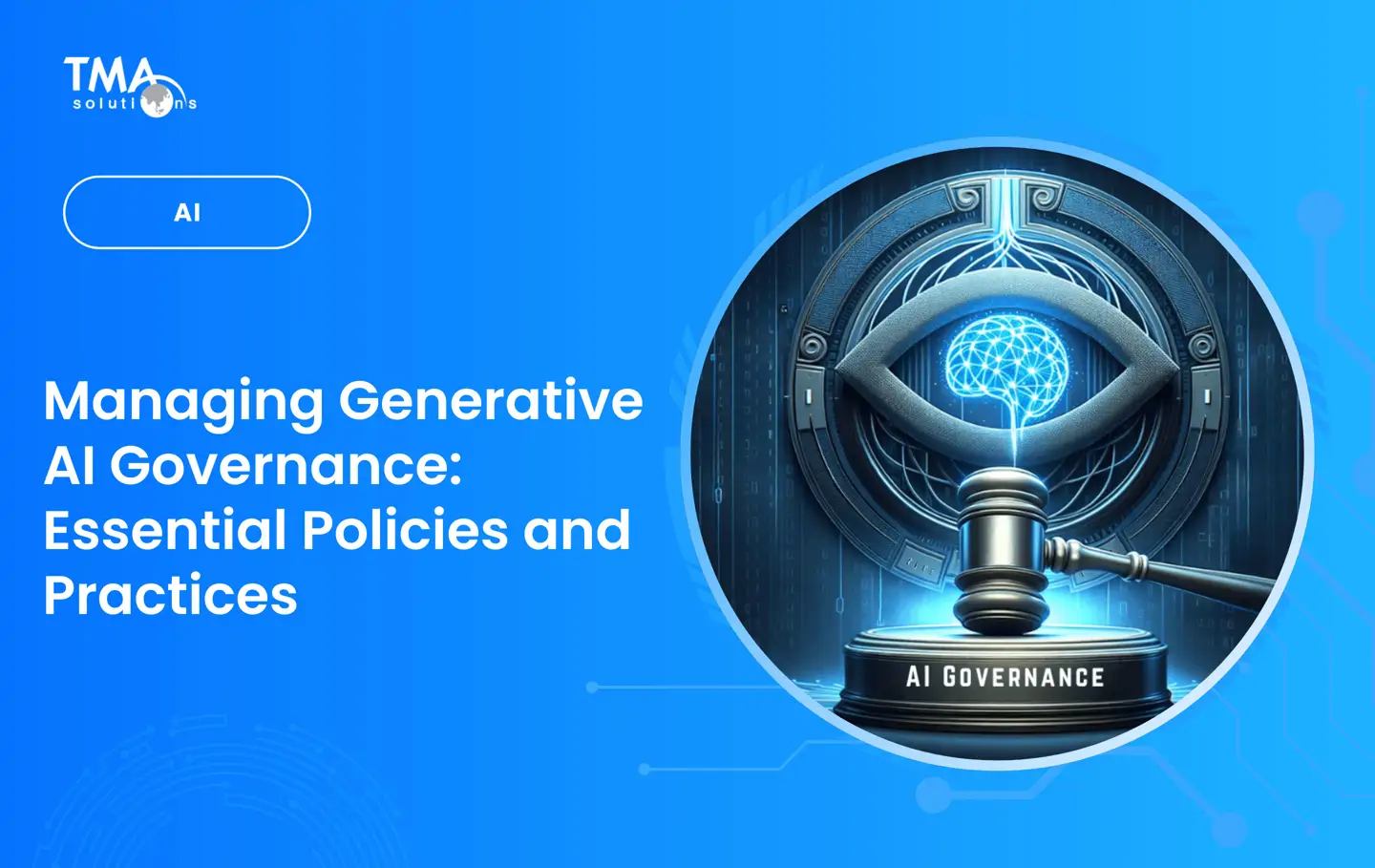
Conclusion Generative AI is undeniably reshaping industries with its transformative power, but realizing its full potential requires addressing the inherent risks through robust governance. By understanding the challenges and implementing the ethical, operational, and legal safeguards outlined here, businesses can ensure responsible innovation and mitigate potential harms. These steps provide a clear roadmap for developing effective governance policies that empower organizations to harness the full power of generative AI governance . Ready to implement these best practices? Explore our digital transformation resources right now! Building effective generative AI governance Effective generative AI governance is essential for ethical usage, regulatory compliance, and risk mitigation. The following framework provides guidance: Step 1: Define the ethical and legal boundaries First, you should define ethical and legal boundaries that ensure responsible and controlled use to establish clear guardrails for generative AI governance. This step involves outlining acceptable and unacceptable AI utilization, identifying permissible prompt information, and sensitive data that must be protected. In addition to implementing robust measures to safeguard IP throughout the process and developing protocols for managing crises, data transfers, and data deletion from AI systems. Defining ethical and legal boundaries for generative AI By clarifying acceptable and unacceptable AI utilization and establishing protocols for managing crises, data transfers, and data deletion, you can create a controlled environment that fosters responsible innovation. Step 2: Empowering teams through AI training and leadership Educating and delegating are crucial for building a strong foundation for generative AI governance . By designating a leader to champion responsible AI principles, you can establish clear ownership and accountability. Also, empowering staff through training initiatives and readily available resources ensures widespread awareness of generative AI risks and an understanding of established safeguards. This, combined with cultivating a culture of transparency through open internal dialogues and clear internal and external communication about the organization's stance on generative AI, fosters responsible use and builds trust among stakeholders. Step 3: Staying ahead of regulatory changes To navigate the complex and evolving regulatory landscape of generative AI, you must prioritize proactive monitoring and risk assessment. This includes ensuring adherence to current regulations, such as data privacy laws like GDPR and CCPA and intellectual property laws, while also actively tracking and analyzing emerging legislation like the EU AI Act. You should also consider that industry-specific regulations further enhance this proactive approach, enabling you to anticipate legal changes and mitigate potential compliance risks. Step 4: Continuous monitoring and evaluation Continuous monitoring and evaluation are essential for maintaining effective generative AI governance and mitigating evolving risks. This involves setting up systems to continually monitor AI-generated content, proactively assessing potential risks, and establishing protocols for regular inspection of outputs to detect biases and ensure quality. Continuous monitoring for effective AI governance Critical governance issues in generative AI Generative AI poses unique challenges that must be addressed through comprehensive governance. Privacy and safeguarding data integrity Generative AI systems rely on vast datasets, often sourced without explicit consent, posing risks to individual privacy. Balancing data requirements with compliance with regulations like GDPR is a critical challenge. Organizations must prioritize secure data collection practices and ensure transparency in data usage. Secure data collection for responsible generative AI Bias and promoting fairness Generative AI models often inherit biases from their training datasets, leading to potential disparities in outcomes. Addressing biases related to gender, race, or other characteristics requires proactive mitigation strategies, transparency, and accountability to foster fair AI practices. Copyright compliance The use of copyrighted materials for AI training raises legal and ethical concerns. Companies must navigate copyright laws, ensure adherence to legal frameworks, and implement protocols to prevent unintentional usage of protected content. Intellectual property and data breaches Generative AI introduces the risk of unintentional leakage of sensitive intellectual property (IP) and data. Shadow IT practices, where employees use unsanctioned tools, can expose proprietary information to unsecured environments, leading to data governance issues. Security vulnerabilities The reliance on large datasets makes generative AI systems attractive targets for cyberattacks. High-profile incidents, such as breaches involving OpenAI’s ChatGPT, highlight the susceptibility of AI systems to privacy violations and misuse for creating deepfakes or spreading misinformation. Dependency on third-party platforms Organizations deploying generative AI often rely on third-party platforms, creating risks associated with sudden changes or discontinuation of AI models. Overdependence on external providers can jeopardize operations, making contractual protections essential. Malicious uses of AI-generated content Generative AI is vulnerable to exploitation for harmful purposes, such as creating fake reviews, phishing scams, or other fraudulent activities. Its ability to automate deceptive practices amplifies the need for vigilant oversight and preventive measures. The importance of oversight and preventive measures Real-world use cases of generative AI governance AI governance encompasses diverse policies, frameworks, and practices designed to ensure the ethical and responsible use of AI technologies. Below are notable examples demonstrating how governance is implemented across different contexts: General data protection regulation (GDPR) The GDPR serves as a prominent example of AI governance, particularly in the domain of personal data protection and privacy. While not exclusively focused on AI, the regulation is highly relevant for AI systems that process personal data within the European Union. A key example of AI governance in General Data Protection Regulation Organisation for OECD principles The Economic Co-operation and Development (OECD) AI Principles, adopted by more than 40 countries, outline a framework for fostering responsible stewardship of AI technologies. These principles emphasize core values such as transparency, fairness, and accountability in AI systems. Corporate AI ethics boards Many leading organizations have established internal ethics boards or committees to oversee their AI initiatives, ensuring alignment with ethical standards and societal values. For example, IBM's AI Ethics Council. This council reviews new AI products and services to ensure they comply with IBM's principles for ethical AI. These boards often include experts from legal, technical, and policy domains to provide a holistic approach to AI governance. Such governance mechanisms help corporations maintain accountability and foster trust with stakeholders, setting a precedent for responsible AI innovation. Significance of governing generative AI Generative AI governance encompasses the policies, frameworks, and practices that guide the ethical development, deployment, and use of these powerful systems. The purpose of governance is to ensure ethical AI, mitigate risks (e.g., malicious content), and comply with regulations like GDPR and emerging AI laws. By addressing these critical aspects, governance fosters trust, enabling businesses to responsibly scale generative AI solutions while safeguarding users and stakeholders from potential harms like data breaches and unethical outputs. Generative AI is revolutionizing industries with innovative solutions in creative outputs and decision-making. However, these advancements bring new risks that require effective governance to ensure compliance, mitigate harms, and promote ethical development. This article explores the key challenges and best practices for implementing robust generative AI governance frameworks. Learn how to mitigate the risks of generative AI – read on for essential insights. Managing Generative AI Governance: Essential Policies and Practices...
icon
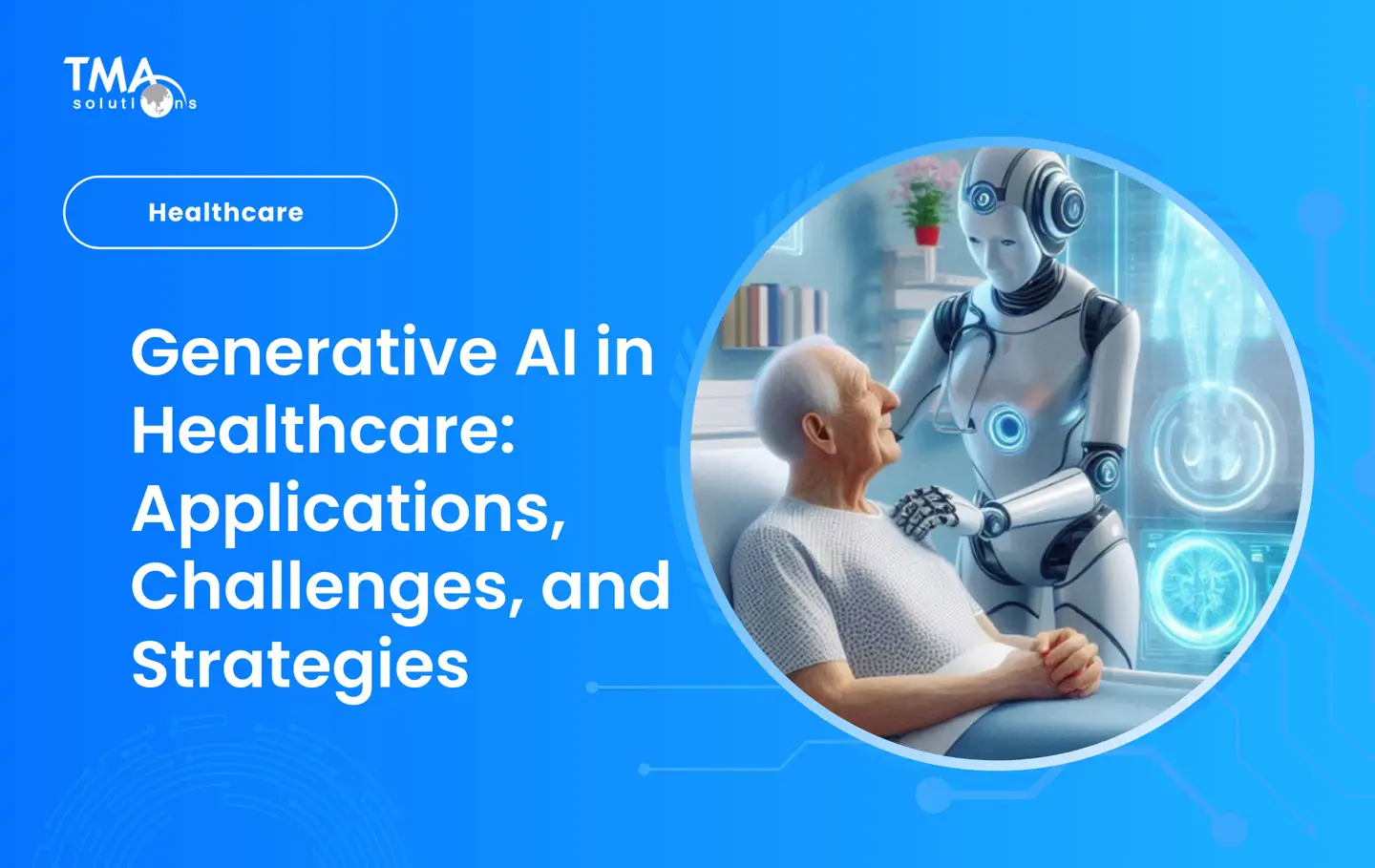
Conclusion Generative AI in healthcare holds immense promise for revolutionizing the healthcare industry by enabling personalized treatments, accelerating drug discovery, and optimizing operations. However, its successful implementation requires addressing challenges related to data privacy, bias, and regulatory compliance. By adopting comprehensive policies and strategic frameworks, healthcare organizations can harness the full potential of generative AI to deliver transformative outcomes for patients and providers alike. Strategy for implementing generative AI in healthcare Transforming healthcare requires a strategic approach, particularly when implementing generative AI in healthcare . Healthcare leaders must begin with a comprehensive assessment of their operational, human, and technological resources. The following actions provide a framework for successful integration. Evaluate the landscape The initial step for healthcare leaders is to identify how generative AI can provide the most value to their organizations. By assembling a diverse group of leaders – including those from data and technology departments – they can collaboratively assess and prioritize relevant applications. Avoiding an ad hoc approach, these use cases should be aligned with the organization's overall AI strategy, ensuring a targeted and effective deployment. Size up the data Maximizing the potential of generative AI requires access to large, high-quality datasets. Leaders should focus on improving data accuracy and interoperability through strategic partnerships with providers, payers, or tech vendors. Simultaneously, they must evaluate their AI tech stack, including applications, models, and APIs, to identify areas needing investment. Ensuring secure data processing, possibly through outsourcing specific tech stack elements, will further strengthen the organization’s readiness for scaling AI. Maximizing generative AI in healthcare through quality data Address risks and bias Generative AI introduces risks such as data breaches, bias in patient care, and integration challenges. Protecting sensitive patient data and mitigating biases in training datasets are critical to ensuring accurate and equitable AI-generated recommendations. To address these risks, organizations must implement robust legal and risk frameworks focused on data security, regulatory compliance, and accountability. Keeping a human in the loop remains essential to validate AI outputs and maintain operational integrity. Invest in people and partnerships Generative AI will reshape roles and workflows within healthcare, making human oversight indispensable. Healthcare professionals must be upskilled to use AI tools effectively and to intervene when errors occur. Organizations should prioritize employee training and design user-friendly AI systems that enhance productivity without adding to workloads. Additionally, strategic partnerships with technology firms can provide expertise, ensuring regulatory compliance and data privacy while leveraging external capabilities to drive innovation. These partnerships should be chosen carefully, considering adherence to standards such as HIPAA and mutual benefits for data optimization. Generative AI in Healthcare: Applications, Challenges, and Strategies Policy recommendations for generative AI in healthcare To ensure the responsible and effective use of generative AI in healthcare , the following policy recommendations are essential: Transparency Transparency is crucial for successful AI deployment in healthcare. This requires fostering open communication and collaboration between AI developers and healthcare professionals. Such partnerships ensure that AI recommendations are medically sound, and rigorously scrutinized for accuracy, and minimize errors arising from flawed data or biased algorithms. This collaborative approach builds trust and promotes responsible AI implementation. Informed consent Open communication with patients regarding AI's role in their care is essential. Patients must be fully informed about how AI is used in their treatment and, crucially, understand the privacy implications of consenting to AI-driven tools. This includes transparency about data collection practices, especially when data extends beyond traditional medical records to include information from wearables and smart devices. Educating patients about data usage, privacy safeguards, and the benefits and risks of AI fosters informed decision-making and builds trust in the evolving healthcare system. Patient understanding and consent for AI in healthcare Break data monopolies with HIEs A critical concern is the potential for AI to exacerbate existing healthcare market monopolies. As AI performance relies on large, high-quality datasets, larger providers with more data gain a significant advantage, potentially increasing healthcare costs and hindering smaller, independent providers. Health Information Exchanges (HIEs) can play a crucial role in mitigating this by democratizing access to medical data. By aggregating and integrating data from diverse providers, HIEs can facilitate the development of AI systems that learn from vast and representative datasets. Furthermore, HIEs can offer AI as a shared service, ensuring that all members, regardless of size, can benefit from AI-driven insights. This would contribute to a more equitable healthcare landscape where technology serves as a bridge rather than a barrier. Challenges of generative AI in healthcare Despite its transformative potential, generative AI in healthcare faces significant challenges: False information (hallucinations) Generative AI models are prone to generating plausible but incorrect outputs, often referred to as "hallucinations." In a medical context, these hallucinations can be dangerous. Examples include imaging models creating false lesions or obscuring crucial details, and documentation tools incorrectly summarizing patient symptoms. The danger of false information from generative AI in healthcare Data privacy AI in healthcare must navigate stringent data privacy regulations, as the technology relies on sensitive patient information like medical images and records. Ensuring compliant collection, storage, and use of this data is a major challenge, as unauthorized access could have severe legal and ethical ramifications. Data availability and quality Generative AI models require vast amounts of high-quality training data to produce accurate and reliable results. In healthcare, data is often fragmented across different systems, stored in various formats, and can be of inconsistent quality. This fragmentation and lack of standardization create significant challenges for training effective AI models. Furthermore, limited access to public databases and the proprietary nature of much healthcare data, particularly in drug development, further complicate data acquisition. Bias Bias in training data poses a serious threat to the fairness and effectiveness of generative AI in healthcare . If the data used to train these models is not representative of the diverse patient population, the resulting outputs can be biased and underperform for underrepresented groups. Applications of generative AI in healthcare Generative AI is being integrated across various facets of healthcare to improve outcomes and streamline processes. Key applications for evaluating the suitability of generative AI in healthcare are as follows: Routine Information Gathering Generative AI offers significant potential for streamlining routine information gathering in healthcare. By engaging patients in natural language conversations, AI systems can efficiently collect medical histories, clarify ambiguities, and summarize data for providers. Leveraging access to health information exchanges (HIEs), AI can cross-reference patient data, such as medication lists and current complaints, to identify potential adherence issues or medication conflicts, creating more comprehensive patient profiles. This not only improves efficiency but also aligns with patients' increasing comfort with AI technologies in other contexts, facilitating trust and adoption in these repetitive, low-risk tasks. Diagnosis While AI shows promise in enhancing diagnostic procedures, particularly for conditions with ample data, challenges remain in achieving accurate diagnoses and mitigating biases, especially for rare diseases with limited data. The effectiveness of generative AI in diagnostics hinges on access to comprehensive and diverse datasets, including digitized medical histories. Relying solely on generic, publicly trained AI models for medical diagnosis is premature. Therefore, cautious deployment, with AI acting as a support tool for physicians and trained on extensive medical datasets, is crucial to mitigate risks and avoid a fragmented AI landscape favoring large health systems with proprietary data. Navigating data challenges, bias, and responsible implementation Treatment The application of AI in treatment presents significant challenges related to accountability, liability, patient trust, and technological limitations. Unlike diagnostics, where AI can assist, treatment decisions ultimately rest with healthcare providers, who bear the legal responsibility. Shifting this responsibility to AI developers is unlikely and poses a substantial risk. Furthermore, patient acceptance of AI-managed treatments is not yet widespread. Current AI technology struggles to replicate the nuanced, individualized nature of many treatments beyond simple medication management. Therefore, widespread integration of AI into complex medical treatment processes is unlikely soon. Post-treatment monitoring and follow-up Post-treatment monitoring and follow-up represent a promising area for AI deployment. Addressing the challenge of patient adherence to post-treatment advice, AI can leverage data from wearable technology, smart devices, and smartphones to provide real-time monitoring and personalized recommendations. By continuously tracking patient behavior outside clinical settings, AI can proactively identify potential health deterioration and alert providers when necessary, enabling timely interventions and improving patient outcomes. Population health management AI, particularly with predictive analytics, can significantly improve population health management by leveraging large datasets from electronic health records (EHRs) and HIEs. By identifying high-risk patients who would benefit most from timely interventions, AI algorithms can facilitate customized care plans developed with human oversight. However, the effectiveness of these models depends on access to substantial and diverse data, including information beyond traditional EHRs, such as social determinants, lifestyle choices, and daily activities. Integrating data from wearable devices and smart technologies can provide a more comprehensive view of patient health and enhance the accuracy and effectiveness of predictive models. Generative AI is revolutionizing healthcare by addressing critical challenges and creating innovative solutions. With its ability to process vast datasets, identify patterns, and generate insights, this technology paves the way for improved patient care, efficient operations, and transformative healthcare policies. Below, we explore the key facets of generative AI in healthcare , its applications, challenges, policy recommendations, and strategies for implementation. Understanding generative AI in healthcare The healthcare sector has seen a marked increase in the use of digital information by patients and providers, a trend now significantly amplified by the emergence of generative AI. Unlike previous AI models limited to data analysis, generative AI can create new content, leading to its rapid adoption by healthcare professionals seeking AI-assisted decision-making. While promising, the application of generative AI in healthcare requires a judicious approach. Its strength lies in handling repetitive, low-risk tasks where historical data provides a reliable basis for pattern recognition and prediction. This cautious approach in low-risk settings allows healthcare providers and patients to understand and build trust in the technology while providing developers with a controlled environment for testing and refinement before more critical applications. Judicious use of generative AI in healthcare for trust and testing...
icon
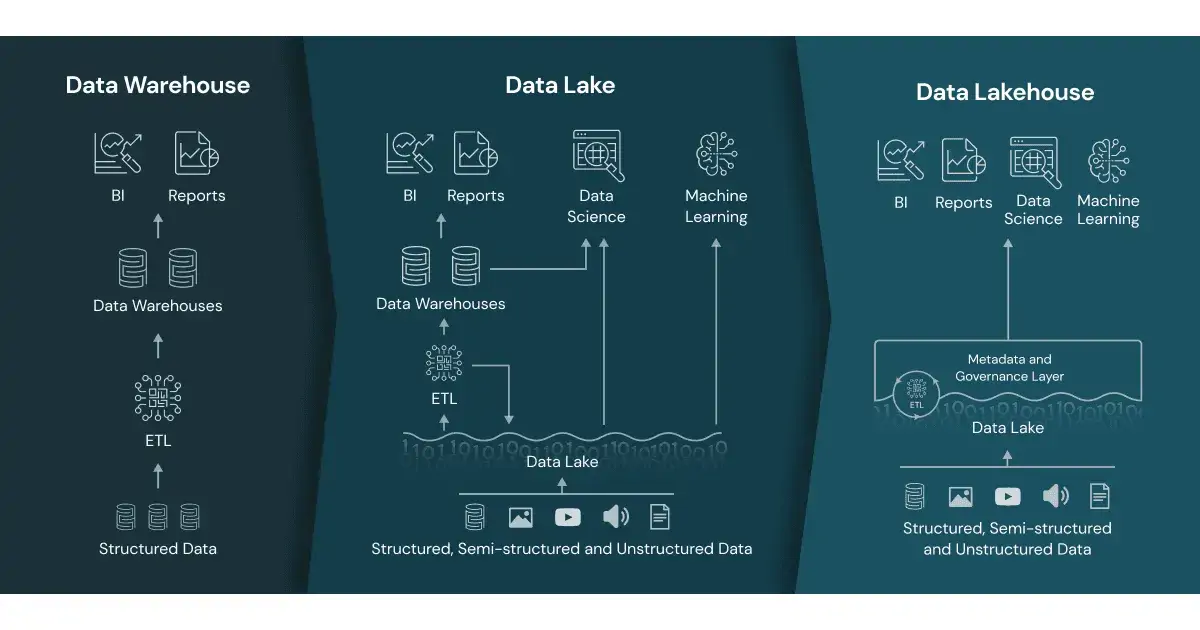
Handling Petabyte-Scale Data in the Cloud Conclusion Managing huge amounts of data in the cloud is essential for businesses today, providing flexible scalability, cost savings, and high reliability. By following good security practices and using key technologies like Apache Spark, Raysync, and Zstandard, companies can manage their data effectively. Ultimately, moving to the cloud helps businesses innovate faster, improve client experiences, and increase their revenue and profit. It's not just a technical choice. It's a path to growth and success. To gain a deeper understanding of our solutions in https://www.tmasolutions.com/technologies/big-data-and-analytics Big Data & Analytics and https://www.tmasolutions.com/technologies/cloud Cloud , explore our website. TMA Case Study At TMA Solutions, we go beyond theoretical guidance by partnering with businesses through concrete solutions validated by numerous successful projects. The following cases show how TMA Solutions has collaborated with clients across various industries to apply this structured method, resulting in measurable improvements in reliability, cost efficiency, and adaptability. Data Inventory in real-time through Azure Data Integration and Forecasting: Consolidate sales, inventory, and market data, applying machine learning for demand forecasts. https://www.tmasolutions.com/case-studies/optimizing-inventory-in-real-time-through-azure-demand-forecasting-solution Real-Time Visualization : Enable dynamic, real-time data visualization and scalable system deployment to handle growing data requirements. Data Inventory through Azure Optimizing Data Workflows on AWS https://www.tmasolutions.com/case-studies/optimizing-data-workflows-on-aws-integration-processing-and-automation-strategies Data Integration : Combine data from multiple sources into a unified environment for seamless access and efficient analysis. Data Processing: Implement an AWS data pipeline to aggregate, transform, and store data in a centralized system. Data Process Automation: Use advanced technology to automate manual tasks, enhancing workflow efficiency and reducing delays. Data Workflow on AWS Petabyte-Level Data in Real-World Scenarios Organizations across industries are successfully leveraging cloud platforms for petabyte-scale data, achieving significant benefits. Stanford University (Healthcare): Migrated petabyte-scale hospital data to Google Cloud (BigQuery). 10-100x Faster cohort query performance. Discover Financial Services: Monitors at the petabyte-sized data warehouse with Anomalo & Snowflake. 100k+ Columns monitored daily for data quality. AppsFlyer (Ad Tech): Migrated petabyte-scale data to Amazon EMR Serverless. Result: Reduced downtime, seamless cross-account compatibility. Business Transformation Through Cloud Adoption Using the cloud for your data not only helps IT but also benefits your entire business. Faster Innovation: When you use the cloud, your team can focus more on creating new products and services instead of managing computer systems. This helps companies develop new ideas and bring them to the market more quickly. Better Client Experience: Cloud-based AI tools can help you understand your clients better and give them personalized experiences. This leads to happier clients and stronger relationships. More Money and Profit: Businesses that use the cloud often see more income and profit. Small and medium businesses especially report big gains in profit and growth. Benefits of Cloud Adoption In today’s digital landscape, businesses are generating and managing more data than ever before - often measured in petabytes (PB). To put this in perspective, a single petabyte can store approximately 11,000 4K movies or 210 million songs. Effectively managing such vast volumes of data is no longer optional; it is essential for organizational success. Why Big Data Matters The escalating volume of global data is a direct consequence of significant technological investments. This burgeoning data landscape represents more than just an operational cost; it is a strategic asset for organizations. Businesses are leveraging this data to cultivate deeper client insights, inform more robust decision-making, and drive sustainable growth. Enterprises adept at harnessing data analytics tend to outperform competitors in both client acquisition and retention, which drives enhanced profitability. Therefore, effective big data management transcends a mere IT function, becoming a pivotal enabler of business expansion and innovation. Learn more about the power of https://www.tmasolutions.com/technologies/big-data-and-analytics Big Data and Analytics. Cloud Solutions for Petabyte-Scale Data What is Cloud Storage? Cloud storage is a cloud computing model that enables storing data and files on the internet through a cloud computing provider that you access either through the public internet or a dedicated private network connection. Cloud computing offers a robust framework for tackling petabyte-scale data challenges. Platforms like Amazon S3, Google Cloud Storage, and Microsoft Azure Blob Storage provide the scalability and flexibility needed to manage massive datasets efficiently. Explore more about the https://www.tmasolutions.com/technologies/cloud Cloud Solutions we offer. Key Benefits of Cloud Storage Cloud storage is a great choice for handling petabyte-scale data because it offers many benefits: Easy to Scale: Cloud storage lets you easily add or remove storage space as your needs change. You don't need to purchase expensive equipment upfront. This enables businesses to respond swiftly to emerging opportunities or market changes. Cost Savings: With cloud storage, you only pay for what you use. This can make IT costs 30-40% lower than setting up your own data center. For example, storing a petabyte of data in the cloud can cost around $1,118 per month, while maintaining your own data center can be much, much more expensive. High Reliability: Cloud services are built to protect your data. For instance, Amazon Web Services (AWS) is designed so you would almost never lose data. They save your data in at least three different locations to keep it safe, even if there's a disaster. This means you don't have to worry as much about backups and recovery. Core Cloud Data Architectures Choosing the right architectural pattern is critical for managing petabyte-scale data effectively. Modern approaches offer flexibility and power. Learn more about https://www.tmasolutions.com/technologies/cloud Cloud Data Architectures . Data Lake: A centralized repository storing vast amounts of raw data (structured, semi-structured, unstructured) in its native format. Ideal for flexibility and diverse analytics. Data Warehouse: A system for storing cleaned, transformed, and structured data, typically relational, optimized for business intelligence (BI) and reporting. The Data Lakehouse: A hybrid architecture combining the flexibility of data lakes with the performance and management features of data warehouses. It offers a unified platform for diverse analytical needs on petabyte-scale data. Core Cloud Architectures Keeping Your Cloud Data Secure When you use the cloud, the cloud company protects the basic setup. The provider keeps the main systems secure. You are responsible for how you use their services, like setting up security for your applications, controlling who can access your data, and encrypting your information. Key Security Steps https://www.tmasolutions.com/technologies/ai-ml-and-data-sciences Use Automation and AI : Use smart tools that can quickly find risks in your data logs, much faster than people can. This helps you stop problems before they get big. Turn on Multi-Factor Authentication (MFA): This means you need more than just a password to log in, like a code from your phone. This makes it much harder for hackers to get into your accounts. Encrypt Your Data: Always scramble your sensitive data so that if someone unauthorized gets it, they can't read it. Do this for data that's stored and data that's being sent over the internet. Technologies for Managing Big Data To manage petabyte-scale data well, some technologies are very helpful: Apache Spark: This is a fast tool for processing big data. It can work with data in memory, making it up to 100 times faster than older methods. This helps businesses get insights and use AI applications more quickly. Raysync: This tool makes transferring large files much faster, up to 100 times quicker than traditional methods. This is important for moving huge amounts of data for cloud migrations or collaborations. Zstandard (Zstd): This is a modern way to compress data. It makes files smaller without losing quality, which saves storage space and costs, and makes data processing faster. Data Integration Pipeline Challenges of Petabyte-Scale Data Despite its benefits, managing petabyte-scale data involves several significant challenges: Volume Management: Traditional on-premises infrastructure struggles to accommodate petabyte-scale datasets, often requiring costly hardware upgrades. Processing Demands: Analyzing massive datasets in real time requires significant computational power, overwhelming legacy systems. Cost Management: Storing and processing petabytes of data can spiral into high expenses without efficient resource allocation. Complexity: Ensuring data accessibility, integrity, and security at this scale adds layers of operational difficulty. ...
icon
Healthcare App Development: A Comprehensive 6-Step Process for Success Overview of healthcare applications The healthcare app landscape has transformed significantly in recent years, with a notable surge in demand for digital health solutions. This growth has been fueled by advancements in healthcare mobile application development. The COVID-19 pandemic significantly accelerated the growth of the global health tech sector. The surge witnessed a dramatic increase in telemedicine, remote patient monitoring (RPM), and AI-driven innovations. This momentum led to a 300% surge in investment during 2020 alone. Today, health applications encompass various categories, with remote healthcare technologies, mental health, digital therapeutics, and "omics" reaching funding milestones. Healthcare leaders remain committed to improving patient experience through strategic investments in electronic health record (EHR) interoperability, e-health solutions, and patient portal enhancements. Healthcare priorities are mirrored in app store offerings. The Apple App Store features approximately 35,000 health-related applications, while Google Play lists over 36,000. Despite these substantial numbers, diversity across different health categories is still lacking. Popular options such as fitness trackers, calorie counters, and menstrual cycle monitors dominate the landscape. In contrast, remote healthcare services struggle to gain similar visibility in the consumer health technology sector. Digital health apps is growing to meet evolving healthcare needs For companies targeting the general public, health and fitness apps may have the broadest appeal. However, remote healthcare and remote patient monitoring (RPM) solutions are expected to remain essential for specific healthcare needs. Those aiming to serve a unique patient base are encouraged to prioritize the functionality and experience needed to address those users' specific requirements. The health tech market is constantly evolving. Many companies can capitalize on this by developing user-friendly apps that deliver effective healthcare solutions, considering various app monetization strategies. Categories of healthcare apps The modern healthcare app market serves three key groups: patients, providers, and administrative staff. Each group has unique needs, requiring tailored app solutions to maximize functionality and user satisfaction within the healthcare mobile app ecosystem. Patient-focused health apps Health apps designed for patients aim to improve personal health management, wellness, and convenience. These applications range from daily habit trackers to advanced IoT-integrated devices for ongoing health monitoring. Patient-focused apps encompass a wide range of categories. These include appointment scheduling, self-diagnosis, social networking, telehealth, mental health, and IoT medical products for patients. Other popular categories include fitness and wellness, habit tracking, and women's health. Provider-centric health apps Healthcare providers rely on specialized apps to enhance patient care, streamline workflows, and communicate effectively with patients and colleagues. These applications address critical clinical and administrative functions. Key functions include RPM, telemedicine, diagnosis support, EHR, medicine reference, hospital mobile app ERPs, clinical communication, and appointment management. Healthcare provider use apps to improve care and efficiency Apps for medical administrative teams Apps for administrative staff focus on efficiency in healthcare operations, from patient record management to inventory control, ensuring that hospitals and practices function smoothly. Key application types include: Doctor/nurse marketplace, Electronic Medical Records (EMR)/Electronic Health Records (EHR), inventory management, billing, and practice management applications. Innovative healthcare app development ideas As mHealth grows more essential in our lives, app developers have many avenues to explore to meet both patient needs and healthcare gaps left by traditional systems. Healthcare app development services can play a crucial role in bringing these innovative solutions to market. Here are some app ideas that could significantly enhance health outcomes, streamline care, and empower users in managing their well-being. Apps for managing chronic conditions Chronic disease management apps cater to patients managing long-term conditions like diabetes, asthma, and heart disease. These apps simplify the complexities of living with chronic illness, offering features like medication reminders, symptom tracking, and even direct communication with healthcare providers. By acting as a personal health assistant, these apps empower patients to stay on top of their care, potentially reducing hospital visits and supporting better health outcomes. Mental health support apps The rising focus on mental health has driven demand for mHealth tools that address challenges like anxiety, depression, and stress. Mental health apps often feature mood tracking, journaling, and meditation guides to help users monitor and manage their emotional well-being. For those needing professional support, these apps can also connect users with licensed therapists remotely, offering vital, immediate access to care. The demand for these resources is set to grow. Partnering with a development agency skilled in mental health technology can ensure a balance of robust functionality with confidentiality. Telemedicine apps Virtual healthcare apps are transforming healthcare access, especially for people in remote and underserved areas. These apps enable patients to consult with doctors via secure video calls, providing a vital link to healthcare that bypasses geographical barriers. During the COVID-19 pandemic, 43% of doctors relied on virtual healthcare for over half of their patient consultations, a trend set to continue. Telemedicine apps improve healthcare access for remote and underserved populations With expanding internet access in rural areas, telemedicine apps will play an increasingly important role. By integrating features like video conferencing and EHR access, developers can create reliable, high-quality telemedicine experiences to serve those who need it most. This presents a significant opportunity for medical startups to develop innovative solutions that address the unique healthcare needs of underserved communities. Medication management apps Medication management apps are designed to help patients manage daily prescriptions efficiently. These apps act as digital assistants, helping users manage their medication. They send reminders to prevent missed doses and alert users to potential drug interactions, essential for those taking multiple medications. Additionally, they streamline prescription refill requests, saving patients trips to the doctor or pharmacy. By leveraging these tools, individuals can more safely and effectively manage their health, making them invaluable for users of all ages. Fitness and activity tracking apps Fitness and activity-tracking apps are some of the most popular in mHealth, especially when paired with wearables like pedometers and smartwatches. These apps offer real-time health tracking for steps, heart rate, and even blood oxygen levels, helping users stay informed about their fitness. popular healthcare application development idea They can alert users to potential cardiac issues, provide motivational challenges, and offer personalized coaching and social features. With society’s growing focus on health, these apps are in high demand, and developers can continue to innovate with these tools to encourage healthier lifestyles. Allergen alert and ingredient scanner app Allergen alert apps provide a crucial service for those with food allergies, which have seen a 377% rise in severe cases in the U.S. These apps utilize barcode scanning technology to analyze food products. This barcode allows them to instantly identify potential allergens, such as peanuts, seafood, dairy, and gluten. Some apps can even suggest safe alternatives, making shopping safer and easier. Partnering with developers experienced in nutritional software ensures these apps have access to reliable ingredient data and scanning functionality. Hospital and clinic management apps Enterprise hospital and clinic management apps streamline the operations of healthcare facilities, integrating administrative and clinical tasks on a single platform. These apps offer features like patient scheduling, EHR management, billing, inventory control, and staff coordination. By consolidating these responsibilities, clinics can improve efficiency and patient care outcomes. Advanced analytics and reporting tools allow administrators to make data-driven decisions, further optimizing performance. A healthcare mobile app development partner ensures that these solutions are secure, compliant, and scalable to meet industry standards. TMA Solutions' Experience in Developing Healthcare Applications Finding a development partner with both technical expertise and healthcare experience is essential, and TMA Solutions provides just that. TMA Solutions has over 17 years of experience. With a team of 600 engineers, they specialize in creating innovative healthcare application developments. By leveraging advanced technologies such as artificial intelligence, data analytics, and automation, TMA Solutions enhances patient care and streamlines healthcare processes. TMA Solutions enhances healthcare with advanced technology and expertise Partner with TMA Solutions: Healthcare mobile app development company At TMA Solutions, we specialize in creating custom healthcare apps tailored to meet the unique needs of healthcare providers, patients, and organizations. Healthtech knowledge: TMA Solutions has extensive experience in the healthcare field, developing applications that follow key regulations like HIPAA and GDPR. Their portfolio includes diverse projects that show an understanding of healthcare requirements and compliance standards. For instance, TMA created a patient management system for a U.S. clinic, helping them to better manage patient records and appointments. Technical capability: TMA Solutions uses the latest technologies, including AI and machine learning, blockchain to create efficient healthcare apps. In one project, TMA developed an AI solution for a veterinary center, applying machine learning to analyze health data and assist with diagnosis and treatment planning. Customization and adaptability: Healthtech needs vary across markets, and TMA’s agile, client-centered approach allows for regular updates, localization, and customization. By integrating localized features, TMA Solutions enables clients to meet regional requirements and user preferences, paving the way for scalability as client needs evolve. Focus on compliance: Understanding the importance of data security and patient privacy, TMA builds applications that comply with strict regulations. They have experience migrating legacy healthcare systems to cloud platforms, such as AWS, to enhance data protection and meet compliance requirements. Ongoing support: TMA provides continuous post-launch support, including updates, troubleshooting, and new features. This support ensures that healthcare apps remain reliable, secure, and functional as client needs evolve. With a practical, client-centered approach and experience in healthcare technology, TMA Solutions creates healthcare applications designed to support healthcare providers and improve patient outcomes. As healthcare app development advances, health tech companies have an incredible opportunity to shape the future of care. With the right tools and insights, health tech companies can continue to drive innovation. They can develop apps that not only meet current demands but also anticipate future needs in a rapidly evolving digital landscape. Embracing these technologies will be essential for creating a healthcare ecosystem that is more accessible, efficient, and capable of improving patient outcomes on a global scale. The journey of healthcare mobile app development is just beginning, and its potential to transform healthcare is boundless. How to choose a healthcare app development company Choosing the right healthcare app development company is essential for creating a successful, secure, and user-centered application. Here’s what to look for in your ideal development company: Proven industry experience Seek a company with a strong background in healthcare application development . Look for a portfolio with relevant projects and case studies that show how they’ve addressed healthcare-specific challenges and regulations, like HIPAA compliance. Client reviews can also provide insight into their performance and reliability. Select a company with proven healthcare development expertise Technical expertise Ensure the company is skilled in current technologies relevant to healthcare, such as AI, machine learning, and interoperability standards (e.g., FHIR). They should be proficient in developing for both iOS and Android, offering a consistent experience across devices. Regulatory standards Compliance with healthcare regulations is essential. Verify that the company prioritizes data security, and patient privacy, and adheres to regulations like HIPAA or GDPR. They should also keep the app updated with any regulatory changes and provide documentation to demonstrate compliance. Flexibility and customization options Your app will need unique features tailored to your specific goals. The health app developers should be capable of building custom solutions and offering scalability to accommodate future growth. An agile approach ensures flexibility and allows for iterative improvements based on feedback. Effective communication and project oversight Effective communication and strong project management are vital. Look for a company with clear communication practices, regular progress updates, and a dedicated project manager to keep your project on track. Choose companies with strong communication and project management Post-launch support and maintenance Ongoing support after the launch is crucial. The company should provide maintenance plans, offer timely updates and bug fixes, and be ready to add new features as your app evolves. Cost and value While budget matters, focus on the value the company brings. Look for transparent pricing and consider the return on investment (ROI) based on the app’s quality and alignment with your business goals. Best Practices for developing healthcare apps A healthcare mobile app development requires a careful balance of functionality, security, and user experience. Following these best practices ensures your app meets the highest industry standards: User-centric design Start with a deep understanding of user needs. Prioritize user-friendly design principles that enhance engagement, making the app intuitive and easy to navigate. Conduct thorough user research and usability testing to ensure a seamless app design experience. Compliance with regulations Adhere to healthcare regulations like HIPAA in the U.S. and GDPR in Europe to protect patient data and build user trust. For early-stage projects, consider avoiding the storage of protected health information (PHI) to delay compliance requirements and reduce initial costs. Robust data security Use strong encryption and secure storage methods to protect sensitive data from breaches. Regularly update security measures to counter new threats, safeguarding user information. Smooth integration Ensure compatibility with existing healthcare systems, such as EHRs, to enhance functionality. Integration with healthcare mobile app development services can also provide a richer experience for healthcare providers and patients. Scalability Design with growth in mind. Plan for scalability so the app can handle an expanding user base and additional features without compromising performance. Interoperability Enable smooth data exchange between your app and other healthcare systems to improve healthcare delivery efficiency and facilitate comprehensive patient care. Continuous testing and feedback Engage in ongoing testing and gather user feedback frequently. This helps identify and resolve issues promptly, ensuring that mobile healthcare applications remain reliable and effective over time. Focus on core features Prioritize essential features that meet core user needs. Avoid adding unnecessary functionalities that might complicate the user experience. Regular updates and maintenance Keep the app up to date with routine maintenance, bug fixes, and performance improvements. Regular updates keep the app aligned with user needs and technological advances. Effective communication channels Integrate features like chat and telehealth options to facilitate patient-provider communication, streamlining the care process and improving user satisfaction. Advantages of healthcare apps Healthcare apps provide numerous advantages for both doctors and patients, addressing critical needs while enhancing the healthcare experience. For healthcare professionals Remote assistance: Mobile healthcare apps allow doctors to monitor and support patients remotely, reducing the need for in-person visits. Through video calls, app messaging, and remote monitoring, doctors can stay connected with patients and save time. Effective workload distribution: mHealth apps enable doctors to manage schedules and tasks efficiently, setting up appointments at convenient times and handling essential duties through mobile or web apps. Brand awareness: A healthcare app enhances a clinic or doctor’s digital presence, increasing trust and loyalty. Patients treated at a digitally integrated clinic are more likely to return, boosting the clinic’s brand image. Healthcare apps boost accessibility, efficiency, and patient engagement For patients Improved treatment process: mHealth apps provide a seamless platform for communication between patients and doctors. Features like video calls, prescription management, and medication tracking improve the quality and comfort of care. Cost-efficiency: Online appointments typically cost less than in-person visits, making healthcare more affordable for patients. Online payment: Patients can schedule appointments and make payments directly in the app, streamlining the process and enhancing convenience. Remote assistance: Healthcare apps allow patients to address many health concerns from home, reducing the need to visit the hospital and avoiding wait times. In the fast-changing health tech world, https://www.tmasolutions.com/insights/healthcare-app-development#healthcare_app_development healthcare app development is driving major innovations. These apps transform patient care, making healthcare more accessible, efficient, and tailored to individual needs. From telehealth platforms for remote consultations to AI-powered tools for diagnostics, healthcare apps have become essential for modern healthcare delivery. The demand for secure, scalable, and high-performing app solutions is rising as healthcare innovation continues to advance. This article provides insights for health tech companies on building effective healthcare mobile apps, compliant, and future-ready solutions that meet today’s healthcare needs. How to develop a healthcare app Developing successful mobile healthcare applications involves a structured approach to ensure they meet users' needs and comply with industry standards. The six key steps to successful implementation are: Step 1 – Conduct market research Begin by researching your niche and competitors. Identify the value your app will offer, understand competitors’ strengths and weaknesses, and determine how your app will stand out. Step 2 – Understand your target audience Conduct in-depth user research to understand patient needs and challenges. Use surveys, interviews, or focus groups to uncover pain points while maintaining ethical sensitivity, especially when discussing personal health issues. Research highlights patient needs, challenges, and ethical sensitivity Step 3 – Determine the app type Define the type of healthcare app you want to create. The app’s purpose, functionality, and database requirements depend on this decision. Clarify with your development team how the app will work and what problems it will solve. Step 4 – Design the interface A healthcare app should be intuitive and easy to navigate. Focus on a clean, user-centered app design that minimizes cognitive load, helping users reach their goals effortlessly. Step 5 – Ensure HIPAA compliance In regions like the USA, healthcare apps must comply with regulations like HIPAA regulations to protect patient information. Limit data access to authorized users, implement data encryption, and consider HIPAA-compliant tools for data handling. Step 6 – Develop a Minimum Viable Product (MVP) Create a Minimum Viable Product (MVP) that includes essential features. An MVP allows you to launch quickly, gather user feedback, and refine the app based on real-world input, accelerating your time to market. MVP enables feedback and rapid improvement before launch...