Home
Search
Found 797 results for “ “ keyword
icon
AI-Powered Automation for Businesses: Enhancing Productivity and Efficiency with TMA Solutions Conclusion: Unlocking Business Potential with AI Automation At TMA Solutions, we believe AI-powered automation is the key to unlocking greater efficiency, productivity, and profitability for businesses. Our customized solutions help businesses streamline operations, enhance client experiences, and make data-driven decisions that drive growth. Ready to transform your business with AI? https://www.tmasolutions.com/ Contact TMA Solutions to explore how our https://www.tmasolutions.com/technologies/ai-ml-and-data-sciences AI automation solutions can improve your business performance and operational efficiency. The Future of AI-Powered Automation As AI technology continues to evolve, we can expect even greater advancements in AI-powered automation, making business operations more efficient, personalized, and client-focused. Key trends to watch include: Hyper-Personalized AI Chatbots: Offering tailored client support and engagement. Autonomous AI Agents: Taking on more complex tasks without human input. AI-Driven Decision-Making: Helping businesses stay ahead with real-time insights and predictive analytics. Challenges and How to Overcome Them While AI-powered automation offers immense benefits, businesses may face challenges such as integration issues, high initial investment, and the need for continuous training. Here’s how to overcome these hurdles: Integration with Existing Systems: Ensure seamless integration of AI solutions with existing workflows and software systems to maximize the benefits of automation. Training and Skill Development: Provide ongoing training to employees to help them work alongside AI tools and leverage the technology effectively. Managing Costs: Start small with affordable AI solutions and scale as needed, ensuring you get the best return on investment. At TMA Solutions, we recognize the potential of AI-powered automation to transform how businesses operate. By integrating AI into business processes, organizations can significantly enhance productivity, streamline operations, and improve client satisfaction. Through our cutting-edge AI solutions, we help businesses automate repetitive tasks, optimize workflows, and ultimately drive greater profitability. TMA Solutions: AI Automation Success Stories Agentic Vision: AI-Powered Real-Time Monitoring TMA Solutions developed Agentic Vision, an AI-powered solution for real-time business monitoring. By autonomously detecting issues and activating actions such as sending alerts and controlling IoT devices and robots, it improved operational efficiency. This solution eliminated complex setup, enabling businesses to deploy instantly and adapt seamlessly to real-time challenges. Agentic Vision detects issues in real-time and takes autonomous action AI in Supply Chain Optimization TMA Solutions helped a logistics company automate container loading using AI-driven algorithms to optimize item placement within containers. This solution reduced unused space, cutting transportation costs by 15-30%, while also automating the loading process, lowering labor costs, minimizing errors, and boosting operational efficiency and client satisfaction. Automatic Container Loading Solution How AI-Powered Automation Works in Different Business Areas At TMA Solutions, we tailor our AI solutions to fit the unique needs of various business functions. Here are some key applications of AI-powered automation: Client Support: AI chatbots and virtual assistants provide instant support to clients, answering questions, resolving issues, and offering personalized recommendations, all while reducing the workload on human agents. Sales and Marketing: AI tools help businesses automate client outreach, segment audiences, and analyze marketing performance. This allows for more targeted campaigns and higher conversion rates. Data Analytics: AI-driven data analysis tools gather insights from vast amounts of data, helping businesses make informed decisions, predict market trends, and optimize strategies. Operations and Supply Chain Management: AI-powered solutions optimize inventory management, logistics, and supply chain operations, improving efficiency and reducing costs. Key Benefits of AI-Powered Automation for Businesses Increased Efficiency: Automating routine tasks like data entry, inventory management, and reporting reduces the time spent on repetitive work, allowing employees to focus on high-value tasks. Cost Savings: AI agents streamline operations, reducing the need for manual labor and minimizing operational costs. Better Decision Making: With real-time data analysis and predictive analytics, AI-driven insights enable informed, data-backed decisions that enhance business strategies. Improved Client Experience: AI-powered tools like chatbots provide instant client service, improving satisfaction and engagement. 24/7 Availability: AI agents work around the clock, ensuring that business operations continue seamlessly even outside of office hours. Understanding AI-Powered Automation in Business AI-powered automation involves the use of intelligent software agents that perform tasks autonomously, learning and improving over time. These AI agents can handle everything from client service to data analysis, allowing businesses to focus on more strategic activities. By integrating AI into your business processes, you can achieve faster decision-making, reduce manual effort, and enhance operational efficiency. ...
icon
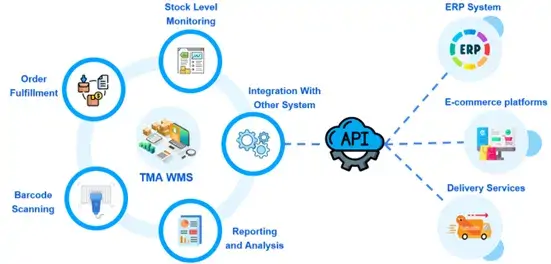
AI-Powered Automation for Logistics: Transforming Efficiency in Freight Management The Future of AI in Logistics: A Smarter, More Efficient Future The future of logistics is closely tied to continuous advancements in AI-powered automation and https://www.tmasolutions.com/industries/logistics-and-transportation generative AI logistics . Emerging technologies like AI-driven route optimization, last-mile delivery solutions, and smart warehouse solutions are expected to further streamline supply chains and reduce costs. As businesses continue to adopt these technologies, the role of AI in logistics will grow, enabling smarter decision-making, better resource utilization, and higher levels of client satisfaction. At TMA Solutions, we are committed to driving the AI logistics automation revolution, providing businesses with AI-driven solutions that optimize their supply chains, reduce costs, and improve overall performance. By leveraging AI logistics automation and warehouse management systems, we help enterprises unlock greater efficiencies and prepare for the future of logistics. TMA warehouse management system Conclusion: Unlock the Power of AI Logistics Automation AI is reshaping the logistics industry by providing innovative solutions that optimize routes, improve shipment tracking, and enhance inventory management. By embracing https://www.tmasolutions.com/industries/logistics-and-transportation AI-powered logistics automation , businesses can significantly enhance operational efficiency, reduce costs, and improve client satisfaction. Explore how TMA Solutions can help you unlock the full potential of https://www.tmasolutions.com/industries/logistics-and-transportation AI in logistics and take your business to the next level today. Contact us for more information on how we can help automate your logistics processes and improve your bottom line. Learn more about our solutions here: https://www.tmasolutions.com/industries/logistics-and-transportation TMA Solutions - AI Logistics Automation Inventory Management Optimization: Predicting Demand and Reducing Waste Inventory management is a crucial element of logistics operations, directly impacting both client satisfaction and profitability. https://www.tmasolutions.com/industries/logistics-and-transportation AI demand forecasting in logistics enables businesses to predict demand fluctuations and optimize inventory levels, preventing stockouts and overstock situations. By automating inventory replenishment and integrating AI-powered forecasting tools, businesses can streamline their supply chains and improve resource utilization. Companies that leverage AI logistics automation to manage inventory and forecast demand are better equipped to balance supply with demand, increasing profitability and reducing operational inefficiencies. Benefits of AI in Inventory Management: AI-powered demand forecasting reduces excess inventory, saving up to 30% in storage costs. Automated replenishment and order management streamline logistics operations. Smart warehouse solutions improve the speed and accuracy of inventory management, enhancing client satisfaction. Real-Time Shipment Tracking: Enhancing Visibility and Client Satisfaction One of the most significant challenges in supply chain management is ensuring real-time visibility into shipments. https://www.tmasolutions.com/industries/logistics-and-transportation AI-powered shipment tracking solutions enable businesses to monitor their freight in real-time, ensuring timely deliveries and proactive problem-solving. By integrating AI and machine learning, businesses can predict delays, reroute shipments, and optimize client satisfaction. Through AI logistics automation, companies can gather insights from real-time data, enhancing their ability to respond promptly to disruptions. AI-powered tracking systems give businesses valuable insights, improving operational decision-making and increasing client loyalty. Benefits of AI in Shipment Tracking: Real-time tracking ensures on-time deliveries, improving client trust and satisfaction. Proactive risk management, predicting and addressing delays before they impact clients. Supply chain management becomes more efficient, reducing operational downtime. AI in Route Optimization: Streamlining Operations Efficient route optimization is essential for reducing transportation costs and improving delivery times. Traditional methods of route planning often fall short in dynamic conditions, such as traffic or weather changes. AI logistics automation enables businesses to continuously adapt and optimize their routes by analyzing real-time data on traffic patterns, road conditions, and delivery schedules. AI-driven algorithms can predict potential delays and suggest optimal routes, improving shipment tracking and minimizing fuel consumption. The result is a significant reduction in operational costs, enhanced delivery efficiency, and reduced environmental impact. Key Benefits of AI in Route Optimization: AI-powered route optimization reduces fuel consumption and transportation costs by up to 20%. Increased operational flexibility and reduced delivery time. Real-time visibility into shipping performance for enhanced client service. In today’s fast-paced logistics environment, businesses face increasing demands to improve operational efficiency and reduce costs. The integration of AI logistics automation has revolutionized the industry, transforming how companies optimize routes, track shipments, and manage inventory. By incorporating AI demand forecasting in logistics, AI-powered solutions help businesses stay ahead of the curve and enhance operational efficiency. ...
icon
Leading AI-Powered Automation from Vietnam for Enterprises Global enterprises are looking for AI-powered automation solutions from Viẹtna to increase productivity and reduce operational costs. Thanks to a team of high-quality engineers and proven implementation capability, Vietnam has quickly become a top destination for AI automation projects. Among them, TMA stands out as a pioneer providing comprehensive AI automation solutions for businesses around the world. 1. Types of automation solutions offered by TMA Solutions Below is an overview of the automation solutions developed by TMA Solutions to help businesses optimize operations, improve productivity, and save costs. 1 - Process Automation (RPA + AI) Overview: Process Automation (RPA + AI) means automating workflows by combining RPA (Robotic Process Automation) and AI (Artificial Intelligence) to help businesses complete tasks faster, more accurately, and more intelligently. How it works: TMA uses RPA to automatically handle tasks such as data entry, information verification, and document approval processes traditionally handled manually. At the same time, AI/ML models are applied to analyze, predict, and make automatic or semi-automatic decisions in complex cases. For example, an invoice processing system can detect errors, assign bots to handle them, and send alerts to the related department. Benefits: Process Automation (RPA + AI) helps businesses shorten process time from hours to just minutes or even seconds. It reduces human errors through automation and AI verification, and lowers operational and staffing costs for repetitive tasks. An illustration of the operation process of Process Automation (RPA + AI). 2 - Intelligent Document Processing Overview: Intelligent Document Processing (IDP) is a solution that automates the reading, understanding, and data extraction from different types of documents such as invoices, reports, and contracts. With the use of OCR, NLP, and machine learning, IDP helps businesses reduce manual work, improve accuracy, and enhance operational performance. How it works: T he system first applies OCR to read and convert text from images or paper documents into digital form. Then, NLP and AI analyze the content, automatically label, classify, and extract key information. After processing, all data is automatically sent to internal systems or the next workflow stage. Benefits: Intelligent Document Processing helps businesses reduce manual data entry, avoid human errors, speed up document processing, and organize data for easier searching and management. The Intelligent Document Processing solution is a product that has been implemented by TMA. 3 - AI Chatbot & Virtual Assistant Overview: AI Chatbot & Virtual Assistant is a solution that uses artificial intelligence to automate communication, enhance customer service, and assist internal employees. The system can understand user intent and provide instant, accurate responses, improving user experience while optimising service resources. How it works: The chatbot and virtual assistant system are trained with scenario-based data and uses NLP to understand user in natural language. Depending on the context, it then responds automatically or forwards the request to the right staff member. The system can be integrated into channels such as websites, mobile apps, Zalo, or Teams. TMA has successfully implemented this solution for financial technology and customer service sectors. Benefits: AI Chatbot & Virtual Assistant enables 24/7 customer support without requiring human presence, reduces waiting time, and improves overall user experience. The chatbot operation process brings benefits to businesses. 4 - Predictive Automation (AI + Data Analytics) Overview: Predictive Automation combines artificial intelligence with big data analytics to forecast future trends, risks, or demands, and then perform automatic or semi-automatic actions based on those predictions. How it works: First, the system collects operational, production, or service data from the business, such as equipment sensors, error history, and performance metrics. Then, machine learning models or data analytics tools analyze and learn from the data patterns to predict future issues, demands, or workloads. Finally, based on the prediction results, the system automatically adjusts processes or sends alerts to managers for timely actions. Benefits: Predictive Automation (AI + Data Analytics) helps businesses move from being “reactive” to “proactive” by identifying and responding to events before they happen. It minimizes downtime and unexpected failures while improving planning and responsiveness to market or customer demand changes. The process of using data analytics and AI to forecast and automatically adjust operations. 5 - Workflow & Operations Automation Overview: Workflow & Operations Automation is a solution that automates all or most of a company’s internal workflows and operations from creating, approving, and forwarding documents to managing tasks, reports, and monitoring progress. How it works: First, the business and the provider analyze current workflow steps — who performs them, how they are done, and how approvals are handled. Then, the system digitizes each operational step into a digital workflow, where repetitive tasks are supported or performed by RPA, bots, or AI. The system also includes a monitoring dashboard that sends alerts if delays or issues occur and automatically forwards tasks between departments. Benefits: Workflow & Operations Automation shortens waiting times, eliminates redundant manual steps, increases process transparency, and reduces the risk of errors caused by manual work or lack of control. 6 - Industry-Specific Automation Solutions Overview: Industry-Specific Automation Solutions are customized automation solutions designed and implemented to meet the unique needs of different sectors such as manufacturing, logistics, healthcare, finance, and retail — instead of applying a single standard model. How it works: The provider begins by analysing the operational characteristics of each industry. For example, in manufacturing, the focus may be on product quality inspection and equipment maintenance; in logistics, on warehouse and transport management; and in healthcare, on automating lab tests and medical records. Then, technologies such as AI, IoT, RPA, and data analytics are applied to build suitable solutions for instance, product defect detection systems, automated warehouse control systems, or doctor support applications. Each solution is fully integrated into the client’s real-world operations and aligned with its specific workflow. Benefits: Businesses in each sector can improve performance and reduce industry-specific costs such as product defects, delivery delays, or unnecessary maintenance expenses by applying the right modern technologies at the right time. 2. Core AI technologies for ai-powered automation To ensure AI applications operate effectively and deliver real business value, businesses need to rely on core technologies that build the foundation for intelligent automation. Machine Learning (ML): Machine Learning allows computer systems to learn from existing data to predict trends, classify information, or make decisions without explicit programming. TMA applies machine learning algorithms such as supervised, unsupervised, and deep learning using platforms like TensorFlow and PyTorch, combined with big data analytics. This helps businesses analyze data, forecast trends, optimize processes, and continuously enhance performance while reducing costs and boosting production. Computers learn from big data to detect patterns and forecast trends — forming the foundation of intelligent automation. Intelligent Robotic Process Automation (RPA): Intelligent RPA combines software robots and AI to automate manual and repetitive tasks in businesses. The bots designed by TMA can directly interact with ERP, CRM, or user interfaces to perform actions such as data entry, reconciliation, approval, or report submission. With learning ability and flexible processing, RPA helps businesses reduce errors and shorten task handling time. RPA perform repetitive tasks faster and more accurately than humans in operational workflows. Natural Language Processing (NLP): NLP is a technology that helps computers understand and interact using human language through text or voice. TMA applies NLP in chatbot solutions, virtual assistants, and intelligent document processing systems, combined with OCR technology to recognize and extract information accurately. By using NLP, businesses can automate customer response processes quickly and support the analysis of unstructured data such as emails, comments, and feedback. NLP enables machines to understand, analyze, and generate human language — forming the foundation for smart chatbots and virtual assistants. Computer Vision: Computer Vision is a technology that allows computers to interpret and analyze images and videos to recognize objects, track behavior, or detect anomalies. TMA Solutions develops computer vision solutions using deep learning models to identify products, people, or vehicles in manufacturing, retail, or security environments. This helps businesses automate quality inspection, monitor production lines, and analyze real-world images with high accuracy. Computer vision and analyze images or videos to recognize, monitor, and make decisions automatically — similar to humans. 3. Practical AI-powered automation solutions for each industry AI-powered automation is redefining how businesses operate across industries for smarter processes. Below are examples of how key industries use automation to improve performance and enhance customer experience. Telecom: AI-powered automation helps telecom providers automate customer service, predict system errors, and personalize services. By analyzing real-time data, technical issues are solved before they affect users, while operating costs are optimized. Finance: AI-powered automation is used to analyze credit risks, detect fraud, automate financial reporting, power chatbots for customer support, and process banking documents. Financial organizations can make faster decisions, improve accuracy in assessments, and deliver safe and transparent experiences to customers. Manufacturing: AI-powered automation helps factories monitor production lines in real time, predict equipment failures, and optimize maintenance plans. This allows businesses to reduce production interruptions, increase productivity, and improve product quality. Logistics: AI-powered automation improves the entire supply chain — from demand forecasting and route optimization to warehouse automation. AI-powered automation solutions are flexibly applied across industries, helping businesses improve performance. 4. The benefits of choosing a custom AI automation solution Choosing a custom AI solution brings many advantages compared to ready-made platforms. Below are the key benefits businesses can achieve when deploying a custom AI automation solution that fits their specific needs. Tailored to Business Needs: Custom AI solutions are designed based on each company’s workflows, data, and goals, helping address unique business challenges. This approach ensures the system matches real operational needs and delivers better results than general-purpose software. Seamless Integration: Custom AI can be easily integrated into existing systems such as ERP, CRM, or internal management platforms. This allows businesses to make the most of their current infrastructure, maintain workflow consistency, and reduce conversion costs. Scalability & Future-Proofing: The solution is built with flexible scalability, making it easy to adapt to growth or new technologies. This keeps businesses ready for future trends and protects long-term investment value. Data Ownership & Security: Businesses keep full control over their data and comply with global security standards such as ISO 27001, GDPR, or HIPAA. This ensures strong data protection while strengthening customer trust and brand reputation. Long-term ROI: AI automation reduces labor costs, speeds up task completion, and boosts overall productivity. Its ability to continuously optimize ensures sustainable benefits and stable long-term return on investment. 5. Process of working with TMA to deploy AI-Powered Automation TMA Solutions follows a clear and structured process to help businesses deploy AI-powered automation effectively and flexibly. Step 1: Solution Consulting & Product Planning At this stage, TMA works with clients to identify business needs, challenges, and potential AI use cases for automation. Step 2: Business Analysis & R&D PoC Prototype TMA evaluates the company’s current processes, identifies automation opportunities, and creates a Proof of Concept (PoC) to test the technology’s effectiveness in real conditions. Step 3: UX/UI Design & Technical Solution Once the PoC meets expectations, the UX/UI team designs a user-friendly interface. Meanwhile, the technical architecture is defined to ensure integration with existing infrastructure, as well as security, scalability, and performance. Step 4: Development Based on the approved design and technical plan, TMA develops the system. This includes programming AI algorithms, building machine learning models, and implementing automation logic tailored to each business. Step 5: Testing & Porting/Migration After development, the system is thoroughly tested to ensure AI accuracy, stability, and real-world performance. If the company has an existing system, TMA supports data migration and platform integration. Step 6: Production Support & IT Managed Services Once the system is live, TMA provides ongoing support, troubleshooting, and AI system management. This ensures consistent performance and allows clients to scale or upgrade their systems easily in the future. The process of implementing AI-powered automation with TMA Solutions 6. 3 Frequently asked questions about AI-Powered Automation from Vietnam (FAQs) 1 - How much does it cost to start an automation project with TMA? The starting cost for an automation project at TMA Solutions is around USD 50,000. However, the exact cost depends on various factors such as project scope, technology used (AI, RPA, OCR, etc.), integration requirements, and customization level for each business. 2 - How long does it take to see ROI from AI-powered automation? Many TMA clients in industries like logistics and finance have achieved noticeable efficiency gains and reduced manual workloads within the first year of implementation. For example, a logistics client saved hundreds of working hours annually through automation. Typically, businesses start seeing ROI within 6–12 months once the solution is fully operational and continues expanding benefits over the following years. 3 - Why choose Vietnam, and why TMA Solutions in particular? Vietnam is emerging as a top destination for global businesses seeking AI and automation solutions thanks to its young tech talent, competitive costs, and strong technical capabilities. Among the country’s leading technology companies, TMA Solutions stands out with over 28 years of experience, 4,000+ engineers, and dedicated AI, data, and automation centers. With extensive hands-on experience across sectors like finance, healthcare, manufacturing, and logistics, TMA is a trusted partner for organizations looking to leverage AI-powered automation from Vietnam. AI-powered automation from Vietnam is becoming the optimal choice for businesses looking to boost performance and reduce operational costs. With advanced technological capabilities and extensive global experience, TMA Solutions provides custom AI solutions tailored to businesses of all sizes. Now is the perfect time for enterprises to embrace this trend and accelerate growth through AI-powered automation. >> Contact TMA Solutions to discover the right AI solution for your business. Contact information: TMA SOLUTIONS - The leading AI-Powered Automation company in Vietnam Email: sales@tmasolutions.com Website : https://www.tmasolutions.com/ https://www.tmasolutions.com/ Linkedin: https://www.linkedin.com/company/tma-solutions/ TMA Solutions TMA Tower address: Street #10, Quality Tech Solution Complex (QTSC), Trung My Tay Ward, Ho Chi Minh City....

icon
AI-Powered Credit Scoring: Designing Explainable, Fair, and Scalable Models for Emerging Markets Conclusion AI-powered credit scoring is transforming lending in emerging markets, making credit more inclusive while maintaining fairness and regulatory integrity. TMA Solutions’ work demonstrates how explainable, fair, and scalable AI can bridge the gap between innovation and responsible finance. With its strong expertise in AI, data science, and fintech system design, TMA Solutions is the ideal technology partner for banks, digital lenders, and fintech aim to modernize credit scoring, drive inclusion, and scale confidently across markets. TMA Success Story – AI-Powered Credit Scoring System Client Background A digital lending company based in Australia sought to modernize its credit scoring system to improve risk accuracy and expand access to borrowers across diverse markets – including unbanked segments in neighboring Asia-Pacific regions. The client aimed to use AI to enhance automation, ensure fairness, and comply with both Australian (ASIC/APRA) and international standards. Challenges Faced Fragmented borrower data across multiple countries and products Manual underwriting processes that slowed loan approvals Limited transparency in existing scoring models for regulatory review Lack of scalable architecture to expand into emerging Asian markets TMA Solution – AI/ML-Based Credit Scoring Platform TMA implemented an AI-powered credit scoring system that combines data engineering, machine learning, and model governance to support expansion into diverse, data-scarce markets. Figure 1 Credit Scoring System Architecture Overview: Data Sources: Credit utilization, payment history, length of credit history, and secured assets Data Ingestion & Processing: Centralized data lake for data cleaning and standardization AI/ML Modeling: Predictive algorithms using both financial and behavioral data Analytics & Scoring: Real-time credit decisions, interest rate recommendations, and repayment period predictions Model Lifecycle Management: Continuous retraining, cataloging, and experimentation via Amazon SageMaker Key Features: Real-time scoring API for mobile and web lending platforms Explainable AI layer for transparent credit evaluations Built-in bias detection and fairness validation tools Continuous retraining and governance dashboard for compliance Technologies Used: Python, TensorFlow for model development AWS S3 & SageMaker for scalable ML workflows RESTful APIs for system integration Power BI dashboards for regulatory and operational transparency Our expertise includes AI/ML in Fintech: Credit scoring, fraud detection, robo-advisors, and intelligent document processing Data Science & Analytics: Predictive modeling and real-time decision systems Blockchain & Security: Tokenization, digital identity, and transaction transparency Compliance & Integration: Alignment with PSD2, PCI DSS, and global banking standards About TMA Solutions Founded in 1997, TMA Solutions is one of Vietnam’s largest software engineering companies, with 4,000 engineers and 600 fintech specialists. With over 18 years of experience in financial technology, TMA has delivered end-to-end solutions across AI in Fintech, digital banking, blockchain, and capital markets. Introduction As financial inclusion accelerates across emerging markets, access to credit remains a critical challenge. Traditional credit scoring systems - heavily dependent on historical banking data - often fail to evaluate millions of individuals and small businesses without formal credit histories. AI-powered credit scoring is transforming this landscape. By combining machine learning with both traditional and alternative data sources, financial institutions can now assess risk more accurately, extend credit responsibly, and bring financial access to previously underserved populations. However, to gain regulatory trust and long-term adoption, these AI systems must be explainable, fair, and scalable—especially in diverse and fast-evolving markets across Asia-Pacific, Africa, and Latin America. This article explores: How AI is redefining credit scoring in emerging markets Key principles for explainable and fair model design A TMA success story: Building an AI-powered credit scoring platform for a leading Australian fintech, with an architecture adaptable to other high-growth markets Designing Explainable and Fair AI Models Transparency and Explainability Regulators and financial institutions increasingly require interpretable AI. Using frameworks like LIME and SHAP, lenders can clearly explain which factors (e.g., income, spending behavior, credit utilization) most influence each credit decision. Bias Detection and Fairness Monitoring AI credit models must be ethically designed to prevent bias. Regular audits, balanced training data, and fairness-aware algorithms ensure equitable outcomes across demographics and regions. Scalable Architecture for Diverse Markets A microservices and cloud-native architecture enables deployment across multiple regions while complying with local regulations and data residency requirements. Continuous Model Governance Built-in retraining, validation, and version control allow lenders to adapt models to evolving markets, new data types, and emerging compliance frameworks. AI-Powered Credit Scoring: Capabilities and Benefits Broader Data Utilization AI enables lenders to use both traditional and alternative data sources – from payment histories and mobile usage to utility bills and e-commerce activity – to evaluate creditworthiness beyond conventional credit files. This is particularly impactful in markets with large unbanked populations. Dynamic and Adaptive Risk Assessment AI models continuously learn from new repayment patterns, customer behaviors, and market changes, making them ideal for environments with fast economic shifts like emerging markets. Improved Fairness and Inclusion By using diverse datasets and bias detection tools, AI-driven scoring can reduce financial exclusion and provide fairer evaluations for thin-file and informal economy borrowers. Faster, More Accurate Decisions AI models can process vast data sets and deliver instant, data-driven credit decisions, critical for digital lenders operating at high volume. Scalable and Cost-Effective Operations Cloud-based AI platforms can scale across countries and products – allowing financial institutions in emerging markets to expand digital lending services without massive infrastructure investment....
icon
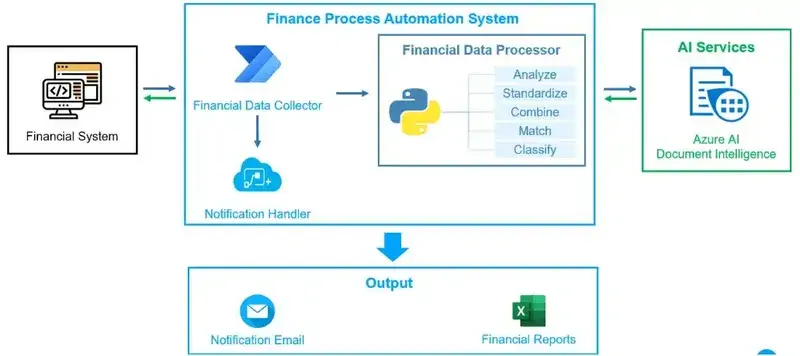
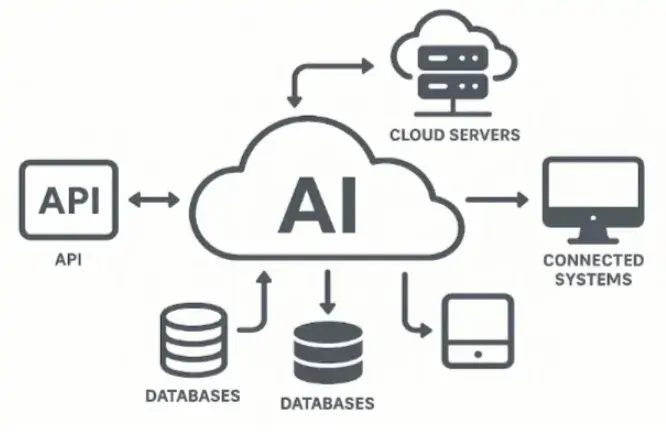
AI-Powered Data Analytics: Future Trends Conclusion As businesses navigate the data-driven landscape of 2025, https://www.tmasolutions.com/technologies/ai-ml-and-data-sciences AI-powered analytics will be the cornerstone of competitive advantage. From real-time analytics that enable instant decision-making to predictive modeling that optimizes supply chain management and scalable data architectures that integrate AI seamlessly, these trends are reshaping industries. TMA Solutions empowers organizations to harness these technologies, delivering machine learning solutions and AI-powered automation to drive data-driven decision-making . https://www.tmasolutions.com/contact-us Contact TMA Solutions today to build your AI-powered future. TMA Use Cases With over 20 years of experience, TMA Solutions is https://www.tmasolutions.com/ a leading Vietnam-based provider of enterprise-grade technology solutions. Our expertise in https://www.tmasolutions.com/technologies/big-data-and-analytics big data, cloud , and industry-specific consulting makes us a trusted partner for digital transformation. The following case studies are examples of our successful projects: Real-time Inventory Optimization Running a retail business today means things move incredibly fast, and if you are not on top of your inventory, you are either losing sales or racking up huge holding costs. That is a headache no one needs. https://www.tmasolutions.com/case-studies/optimizing-inventory-in-real-time-through-azure-demand-forecasting-solution TMA's demand forecasting solution , built on Azure, steps in to fix just that. It helps businesses really get a handle on their supply chain, thanks to real-time, data-driven insights. This solution is not just about managing inventory; it is about giving businesses a serious edge. Here is how: Dynamic Demand Forecasting: Imagine knowing exactly what your clients will want, and when, for every single product, across all your stores and online channels. That is what Azure Machine Learning and time-series analytics deliver – accurate, real-time forecasts that put you ahead of the curve. Smart Inventory Planning: No more second-guessing your orders. This solution helps you make smart decisions about what to buy and when to restock, all based on solid predictions. It means less money tied up in unsold items and, crucially, fewer disappointed clients because you have run out of what they want. Integrated Supply Chain Visibility: Ever wish you could see everything happening with your inventory, all in one place? This system connects your ERP, POS, and e-commerce data to give you a unified, crystal-clear view of where your stock is, where it is going, and how it is moving. That kind of insight makes you incredibly agile and ready for anything. Data Inventory in Real-time Through Azure API-Driven Architecture for Scalable AI Seamless AI integration requires a flexible, scalable data architecture . API-driven architectures enable businesses to plug AI-powered analytics and AI-powered automation capabilities into existing systems efficiently, using standards like REST or GraphQL. For example, TMA helped a client integrate predictive modeling into their ERP system via AWS API Gateway, reducing deployment time by 30%. API-driven Cloud Data Pipeline for AI Integration Benefits and Challenges Benefits: Faster integration, interoperability, and scalability in data architecture . Challenges: Ensuring API security and managing latency. Solution: Use secure API management platforms and optimize data architecture workflows. Unified Analytics Pipeline AI tools excel at extracting insights from both structured data (e.g., sales records) and unstructured data (e.g., emails, social media, videos). By merging these data types, businesses can build a 360-degree client view, analyze market trends, and assess risks. For example, natural language processing (NLP) can analyze social media sentiment to enhance client profiles, while structured data informs sales forecasts. Visual Overview of Structured and Unstructured Data Merging into AI-powered Insights Applications Client 360: Combine purchase history with social media interactions for personalized marketing. Market Trends: Analyze news and social data to predict demand shifts. Risk Assessment: Use historical and unstructured data to identify potential operational risks Real-Time Analytics Real-time analytics enables businesses to process data as it is generated, providing immediate insights for data-driven decision-making . Retailers, for instance, use real-time analytics dashboards to monitor inventory, track client behavior, and adjust pricing dynamically. TMA Solutions leverages tools like Apache Kafka for data streaming and Tableau for visualization to build robust real-time analytics systems. How to Get Started Choose a streaming platform: Implement Apache Spark or Kafka to handle high-velocity data. Design intuitive dashboards: Use tools like Tableau or Power BI to visualize key performance indicators (KPIs). Ensure scalability: Deploy on cloud platforms like AWS or Google Cloud for elasticity. Real-time AI Data Analytics Dashboard Introduction The powerful combination of AI-powered analytics and AI-powered automation is transforming how businesses extract value from vast datasets, enabling data-driven decision-making across industries such as retail and supply chain management . As data volumes grow exponentially, AI’s ability to automate analysis, deliver predictive modeling insights, and enable real-time decisions has become essential for staying competitive. According to Gartner, 75% of enterprises will operationalize AI by the end of 2025, weaving it into their data ecosystems to drive hyper-personalized services and agile responses to market shifts. TMA Solutions offers a wide range of services, including real-time analytics , predictive modeling , API-driven architectures, and cloud data platforms. These services empower businesses to make data-driven decisions , optimize operations, and enhance client experiences in areas such as supply chain management . For example, in a recent retail transformation project, TMA helped a global retailer optimize inventory levels, personalize marketing campaigns, and improve client satisfaction using modern data architecture and real-time analytics. ...
icon
AI-Powered Dynamic Pricing in Logistics Key AI Pricing Trends in Logistics for 2024 The year 2024 has brought several notable trends in how AI is applied to logistics pricing: Real-Time Pricing Engines: Logistics firms are moving toward pricing that updates in real time rather than on fixed schedules. AI engines ingest live data – load board rates, supply/demand ratios, fuel prices, etc. – and continuously recalculate optimal prices. This real-time approach lets companies capitalize on opportunities (e.g., a surge in demand on a route) and avoid losses when conditions change. By analyzing a wide range of data (competitor rates, market trends, client behavior) at high speed, AI ensures pricing is always tuned to current market conditions. This agility is a competitive advantage, as it aligns prices with the market instantly while safeguarding profit margins . Many 3PLs and carriers are deploying real-time pricing bots into their booking platforms and TMS in 2024, making dynamic repricing a standard practice. Integration with Telematics and IoT: Another trend is using telematics and sensor data to inform pricing decisions. GPS-based telematics systems provide real-time visibility into truck locations, capacity, and transit times. By linking this with pricing, AI can adjust rates based on on-ground realities. For instance, if telematics data shows a truck running empty (“empty miles”) or delays on a certain route, the system could lower prices to fill that capacity or add a delay surcharge. In ride-hailing, telematics-driven surge pricing is common – Uber’s platform uses real-time GPS supply/demand data to optimize surge pricing . Now, logistics is following suit. Fleet telematics and IoT sensors (monitoring traffic, weather, and vehicle availability) feed into pricing algorithms. This integration means pricing is not just reacting to market economics, but also to operational conditions in the supply chain. The result is highly responsive pricing that accounts for real-world constraints (like a sudden road closure or a warehouse backlog), improving reliability and utilization. Sustainability-Linked Pricing Strategies: In 2024, with sustainability a growing concern, some logistics providers are experimenting with “green” pricing models. Sustainability-linked pricing involves adjusting rates based on environmental impact or incentivizing eco-friendly choices. For example, carriers might offer a “green premium” service – using electric trucks or sustainable fuel – at slightly higher cost for shippers willing to pay more for lower emissions. Studies indicate a segment of clients (both consumers and businesses) is willing to pay a 5–15% price premium for green shipping options , which opens the door to new pricing tiers. Conversely, companies are also looking at internalizing carbon costs: applying carbon surcharges or discounts dynamically. A trend on the horizon is dynamic carbon pricing , where AI systems factor in the estimated CO₂ emissions of a shipment in real time and adjust the price or fees accordingly. For instance, a delivery routed via rail (lower emissions) might earn a discount or credit, whereas one via air freight (high emissions) carries a surcharge. Such strategies align pricing with sustainability goals and can both encourage greener logistics choices and help recoup the investments in clean technology. While still emerging, sustainability-linked dynamic pricing demonstrates the versatility of AI pricing engines – they can optimize not just for profit, but for environmental impact and corporate ESG targets as well. TMA Solutions’ AI-Powered Offerings in Dynamic Pricing TMA Solutions , a customhttps://www.tmasolutions.com/ AI development company , offers AI-driven tools that enable logistics firms to optimize pricing strategies dynamically. Key offerings include predictive demand forecasting, client segmentation for personalized pricing, and route-based pricing optimization. These solutions use machine learning (ML) and deep learning (DL) to turn data into actionable pricing decisions. Predictive Demand Forecasting for Proactive Pricing Anticipating demand swings is crucial in logistics pricing. TMA’s predictive forecasting utilizes ML/DL models to analyze historical freight volumes, market indicators, and seasonal trends. By forecasting demand with high accuracy, logistics providers can adjust prices proactively – for example, raising or lowering rates ahead of peak season or slowdowns. This AI-driven demand insight helps balance capacity and pricing in real time. By predicting demand surges or lulls, companies can optimize load factors and set prices that maximize revenue while avoiding service bottlenecks. Predictive demand forecasting empowers proactive pricing decisions Client Segmentation & Personalized Pricing Not all clients are alike, and AI helps logistics firms tailor pricing accordingly. TMA’s solutions segment clients by factors like shipping volume, lanes used, and service preferences, using clustering algorithms and behavioral data. This enables personalized pricing strategies for different client segments. For instance, high-volume shippers might get dynamic volume discounts, while time-sensitive clients see premium service pricing. AI models analyze client behavior and price sensitivity to find the optimal rate for each segment. This personalized approach boosts client satisfaction and loyalty by aligning prices with client value. Studies show AI-driven pricing can leverage segmentation to offer tailored rates “ reflecting each client’s preferences, purchasing history, and willingness to pay ,” thereby enhancing loyalty and revenue. In short, AI empowers logistics providers to present the right price to the right client at the right time, improving retention and sales. AI-powered segmentation enables personalized pricing strategies tailored to each client Route-Based Pricing Optimization Logistics pricing isn’t one-size-fits-all – it often depends on route specifics. TMA’s route-based pricing optimization uses AI to adjust rates based on route data and conditions. Factors like distance, traffic congestion, fuel costs, and even weather or border delays can be analyzed in real time. AI algorithms can recommend dynamic surcharges or discounts for certain lanes or delivery routes. For example, if a particular route faces heavy traffic or low carrier availability, the system might raise the price for that lane, whereas it might lower prices on underutilized routes to attract volume. An industry trend in 2024 is precisely this kind of AI-informed route pricing: logistics companies “ use AI to adjust prices in real time, reflecting the complexities of delivery routes ”. By accounting for route difficulty and operational cost in pricing, companies ensure each shipment price aligns with true service cost and market demand. This route-level optimization leads to fair, competitive pricing that protects margins on tough routes and wins business on easier ones. TMA‘s solution - Price List Management Artificial intelligence (AI) is revolutionizing dynamic pricing in the logistics sector. As supply chain volatility grows, logistics companies are leveraging AI and machine learning to analyze vast data and adjust prices in real time. This technology-driven approach is helping carriers and 3PLs remain competitive and profitable amid fluctuating demand and costs. In this article, we explore how AI-powered dynamic pricing is transforming logistics in 2024, from TMA Solutions’ advanced offerings to leading global platforms and emerging trends, and how these innovations drive revenue optimization, market responsiveness, and client retention. Conclusion In 2024, AI-powered dynamic pricing has moved from a novel concept to a strategic imperative in the logistics industry. Solutions from providers like TMA Solutions, a https://www.tmasolutions.com/ Vietnam software distributor – spanning demand forecasting, personalized pricing, and route optimization – exemplify how https://www.tmasolutions.com/industries/logistics-and-transportation Agentic AI solutions for logistics can transform logistics operations. Leading 3PLs and tech firms are deploying advanced pricing engines that learn from every shipment and market signal, ensuring rates are always optimized for current conditions. Key trends such as real-time pricing, telematics integration, and sustainability-linked rates are further pushing the boundaries of what dynamic pricing can achieve in supply chains. For logistics companies, the message is clear: embracing AI in pricing brings smarter revenue management, greater agility in the market, and stronger client relationships . An AI-powered dynamic pricing engine can adjust to the ebb and flow of the logistics business, whether it’s anticipating a holiday rush with predictive analytics or tweaking a lane rate due to a sudden capacity glut. The practical payoff is a more resilient and responsive pricing strategy that underpins both profitability and service excellence. As we move through 2024 and beyond, AI-driven dynamic pricing is set to become a cornerstone of logistics management, enabling companies to navigate complexity with data-informed confidence and to deliver value to clients and stakeholders alike. Benefits: Revenue Optimization, Agility, and Client Retention AI-powered dynamic pricing is not just a flashy tech upgrade; it delivers concrete benefits for logistics companies and their clients: Revenue and Margin Optimization: By continuously finding the optimal price point for each shipment, route, and client segment, AI helps maximize revenue per move. It captures additional value when demand is high while also boosting volume when demand is low by offering competitive rates. This balance ensures healthier margins over time. A McKinsey study noted that dynamic pricing, enhanced by AI, lets companies swiftly respond to market fluctuations, “ensuring competitive pricing while maximizing revenue”. Moreover, automation reduces human error and leakage in pricing. Overall, firms can see higher yields and more consistent profitability. Market Responsiveness and Efficiency: Logistics is inherently volatile – weather disruptions, sudden spikes in orders, new competitor rates, etc. AI dynamic pricing engines make companies far more responsive to these changes. Prices can update within minutes of a change in conditions, as opposed to waiting for the next day or week’s repricing cycle. This agility means shippers get timely, market-aligned quotes and carriers utilize their assets efficiently. According to industry experts, such AI systems ensure pricing “ aligns with market demand and operational capabilities”, allowing companies to stay competitive amidst fluctuating conditions . Internally, this responsiveness streamlines workflows – pricing managers spend less time crunching numbers and more on strategy. Resources (trucks, warehouse space) are better allocated because pricing helps signal where capacity is needed or can be flexibly priced. Improved Client Satisfaction & Retention: Dynamic pricing, when done with client insights, can actually improve the client experience. By leveraging client segmentation and personalization, AI avoids the one-size-fits-all pricing that can alienate clients. Instead, key clients may receive loyalty incentives, and prices feel more rational to the market (e.g., reflecting current fuel costs or speed of service). As noted earlier, personalized pricing enhances client loyalty by giving each client a sense of fairness and value. Faster quote turnarounds via automated engines also please clients – they get immediate rates and can book shipments without delay. Werner’s experience showed higher client satisfaction after implementing AI pricing, due to quicker responses and more consistent pricing outcomes. In short, shippers are more likely to stick with a logistics provider who offers transparent, responsive pricing rather than one with static or opaque rates. This retention, in turn, drives long-term revenue. ...
icon
AI-Powered Health Monitoring: How TMA Solutions is transforming home care with AI  AI-powered health monitoring is redefining the way healthcare is delivered at home, especially for the elderly. Instead of depending on scheduled medical visits, this model enables continuous health tracking through data collected from wearable devices and medical sensors. In this article, we will explore how the technology works, the advantages it brings, and the role of TMA Solutions in driving its adoption. 1. What is AI-powered health monitoring in home care and aged care? AI-powered health monitoring in home care and aged care is a remote health monitoring model powered by artificial intelligence. The system collects and analyses health data from connected devices, then applies AI to track a person’s condition continuously and detect early signs of abnormalities. Unlike traditional care models that rely on scheduled medical visits, AI-powered health monitoring allows real-time health tracking directly at the patient’s home. It reduces the need for hospital visits and supports proactive, personalised care. In short, this AI-based solution is designed to: Monitor health continuously without requiring hospitalisation. Support long-term care for elderly individuals or patients with chronic conditions. Enable a data-driven care model instead of manual checkups or appointment-based assessments. AI-powered health monitoring in home and aged care services 2. How does AI-powered health monitoring work? AI-powered health monitoring operates through a process of collecting real-time health data, processing it, and analyzing it with algorithms to detect abnormalities and predict potential risks before they occur. Data collection Wearable devices, medical sensors, and mobile applications capture physiological data such as heart rate, blood pressure, blood oxygen level, respiration rate and activity level. This information is transmitted to the server via IoT platforms using secure communication protocols such as HTTPS or MQTT. The data is stored as time-series records to allow continuous analysis and real-time health trend monitoring. Data preprocessing Collected data may contain errors or noise caused by devices or environmental factors. Therefore, it must go through preprocessing steps, including time synchronisation, noise filtering, outlier removal, and unit normalisation. Signal processing algorithms such as moving average or band-pass filter are applied to preserve essential physiological signals. Missing data is interpolated or flagged to prevent analysis distortion. Feature extraction From the standardised data, the system extracts medically meaningful features. For example, heart rate variability (HRV) from ECG signals is used to assess stress or cardiac disorders; oxygen saturation and respiration rate help detect respiratory issues; and sleep patterns are analysed to identify sleep disorders. AI applies statistical methods and deep learning techniques to uncover abnormal patterns that may not be visible to the human eye. Machine learning algorithms Machine learning models such as Random Forest, XGBoost, or LSTM are trained on historical datasets to recognize trends and predict potential risks. Classification models: identify whether a patient belongs to a high-risk or low-risk group. Prediction models: forecast recurrence, complications or hospitalisation probabilities. Anomaly detection: trigger alerts when health indicators deviate from safe thresholds. When the system detects a potential risk, alerts are immediately sent to healthcare providers or patient applications to enable timely intervention. How an AI-powered health monitoring system works 3. Key benefits of AI-powered health monitoring for home care and aged care Below are the key benefits that AI-powered health monitoring brings to home care and elderly care models. Real-time monitoring Real-time tracking allows health issues to be detected as soon as they occur instead of waiting for scheduled checkups or for symptoms to worsen. This is especially important for elderly individuals or chronic patients who require continuous monitoring at home. According to Medical Economics, remote health monitoring programmes can reduce hospital admissions by up to 59% in high-risk patients. Personalised health insights AI analyses each person’s health data to deliver more accurate assessments rather than applying a general treatment plan. By learning from medical history, current medications, and daily behaviour, the system can recommend a more suitable monitoring and care regimen. A study conducted across 118 nursing homes in the UK reported a 25% reduction in unplanned emergency hospitalisations after adopting remote monitoring. Predictive analytics AI not only record current data but also predicts future health risks, allowing doctors and families to take preventive action instead of reacting late. This shifts the care model from passive to proactive. An AI IoMT model published in Scientific Reports reached 95.74% accuracy when predicting health events using home sensor data. Enhanced accuracy AI removes errors caused by manual observation, analyses large volumes of data quickly, and issues alerts based on statistical models, which reduces misinterpretation and false alarms. This enables carers to make decisions based on data instead of assumptions. One AI model used for home-based heart monitoring achieved 94% accuracy in detecting cardiac disorders, significantly higher than periodic manual checks. Improved patient outcomes With continuous monitoring, early warnings, and personalised care, patients face lower risks of complications and can maintain long-term stability. AI helps reduce hospital visits, lower treatment costs, and support independent living for elderly individuals. A multicentre study in France on elderly patients with multiple conditions showed a 63% reduction in total hospitalisation time compared to the previous year after remote monitoring was implemented. Key benefits of applying AI-powered health monitoring in home and aged care services 4. Why choose TMA Solutions for AI-powered home & aged care solutions? AI-powered home and aged care requires a reliable technology foundation and a deep understanding of the healthcare sector, and TMA Solutions meets both of these requirements. Years of experience in digital healthcare TMA Solutions has a team of around 700 engineers and more than 15 years of experience in building digital healthcare systems. The company provides services such as remote health monitoring, medical device integration, data analytics, and elderly care solutions. Its strong understanding of healthcare standards and regulations ensures that the solutions align with home care and aged care environments. Full-stack technical capability and end-to-end deployment TMA Solutions delivers a complete solution from IoT system design, sensor and medical device integration, AI and health data analytics to system operation and scaling. This technical foundation enables continuous performance, scalability, and compliance with the needs of home-based and elderly care services. Practical solutions designed for Home Care and Aged Care TMA Solutions develops specialised modules such as continuous vital sign tracking, activity and sleep analysis, and early warning alerts for elderly individuals or home-based patients. These solutions help increase self-care ability while enabling carers and medical staff to intervene in time. Quality commitment and global collaboration readiness TMA Solutions has worked with clients in more than 30 countries and has received strong feedback for technical capability, delivery speed, and service quality. The company follows international standards such as ISO IEC 27001:2022 and CMMI Level 5. This ensures that its home and elderly care solutions meet global expectations for security, system stability and scalability. TMA Solutions is a trusted partner for healthcare technology projects 5. Case study: TMA Solutions Care platform for remote home & aged care Below are 2 case studies that demonstrate how TMA Solutions applies big data and artificial intelligence to enhance remote health monitoring for home-based patients and elderly individuals. Case study 1: Big Data for Healthcare Analytics The client is a healthcare and insurance company in the United States that processes millions of medical records every day. They needed a powerful data platform to manage, validate, and analyse large-scale patient data while ensuring full compliance with healthcare data security requirements during storage and transmission. Solution: Data collection: The system collects medical records from external partners, internal sources, and member platforms. Data is ingested through APIs, SFTP and event-based data push services. Data processing and analytics: Incoming data is stored in the loading zone, then classified and encrypted to ensure privacy. Real-time streaming pipelines process the data continuously. Data access and utilisation: After transformation, data is decrypted and made available to partners or internal users. The platform integrates a search engine that can handle a 5TB dataset and return results within 3 seconds. Results: Built a platform that supports real-time ETL and data transmission for electronic health records (EHR). Successfully transformed and processed 15 million medical records collected over more than 30 years. Optimised a search engine capable of querying 5TB of sample data in 3 seconds. Protected sensitive data with advanced encryption and security control mechanisms. Big Data for Healthcare Analytics Case study 2: AI-Driven Remote Patient Monitoring (mCare) The healthcare sector is facing a massive volume of health data coming from various devices and systems. The data is fragmented, not standardised, and difficult to use for continuous health monitoring. Chronic patients and elderly individuals require frequent supervision, yet healthcare providers lack remote monitoring tools, making it difficult to detect risks early while still having to comply with strict healthcare data privacy regulations. Solution: Connected to and collected data from more than 40 healthcare devices, including wearable devices and specialised medical equipment. Applied AI to analyse real-time health data, detect abnormalities and predict potential health risks. Built an early warning system that sends alerts to doctors, carers, and family members when abnormal or emergency signals appear. Provided a data access platform that allows patients, relatives and doctors to track vital signs and reports remotely. Results: Patients can be monitored continuously at home without depending on frequent hospital visits. Abnormalities are detected early, and medical intervention is triggered in time through automated alerts. Improved communication between patients, carers and doctors through real-time data monitoring. Centralised data collection and management support doctors in making informed treatment decisions. AI-Driven Remote Patient Monitoring (mCare) 6. FAQs about AI-powered health monitoring in home & aged care 1- What AI-powered health monitoring systems does TMA Solutions offer for hospitals and clinics? TMA Solutions provides a remote health monitoring platform that combines big data processing and AI and Health Data Analytics. The system supports vital sign collection, health trend analysis, and early alerts for doctors or medical facilities. 2- Does TMA Solutions provide AI-powered health monitoring apps or wearable device integration? Yes. TMA Solutions integrates medical devices and wearable devices into its remote healthcare platform. The company also supports mobile applications for patients and caregivers to access health data, enabling telehealth services and self-management at home. 3- How does TMA Solutions use AI to enhance chronic disease management through remote monitoring? TMA Solutions uses AI to analyse data collected from chronic patients, such as vital signs, sleep patterns and daily activities. The system predicts complication risks and triggers alerts for doctors or carers when abnormal signals appear. This helps reduce hospital readmissions and improves long-term chronic care outcomes. 4- Can TMA Solutions support AI-powered mental health monitoring using wearable and mobile devices? Yes. The system can combine sleep data, heart rate, activity level and app interaction patterns to detect signs of stress, anxiety or sleep disorders and send alerts to doctors or mental health specialists when needed. AI-powered health monitoring is transforming home healthcare by enabling continuous tracking, early detection, and reduced dependence on in-person medical visits. This is not only a technology trend but also a practical step forward in caring for patients and elderly individuals. With a strong technical foundation and proven global experience, TMA Solutions is the right partner for organisations looking to adopt AI in remote health monitoring. >>Contact TMA Solutions today to start implementing an AI-powered health monitoring solution for your organisation. Contact information: TMA SOLUTIONS - The leading healthcare software outsourcing in Vietnam Email: sales@tmasolutions.com Website: https://www.tmasolutions.com/ https://www.tmasolutions.com/ Linkedin: https://www.linkedin.com/company/tma-solutions/ TMA Solutions TMA Tower address: Street #10, Quality Tech Solution Complex (QTSC), Trung My Tay Ward, Ho Chi Minh City....

icon
AI-Powered Pest & Disease Detection: Enhancing Crop Protection with Computer Vision Conclusion The AI and Computer Vision-powered pest detection solution is a comprehensive investment for agriculture. Key advantages include competitive cost (lower than alternatives like Rynan), superior accuracy through continuous learning (Reinforcement Learning), and deep integration with the Department of Crop Production and Plant Protection for regulatory compliance. Leveraging multi-source data fusion, IoT in agriculture , and specialized hardware, it increases yield and promotes sustainability by optimizing pesticide use. Future expansions include AI-robotics integration for automated scouting and targeted treatments, advanced sensors (like HSI) for pre-visual stress prediction, and hyper-specific models for niche crops. The shift toward fully autonomous, preventative platforms will solidify AI/CV as the backbone of resilient smart agriculture, including farm automation and smart irrigation. Ready to transform crop protection with proven AI-powered crop monitoring solutions from TMA Solutions? Protect yields, reduce costs, and embrace sustainable farming today. Case Studies from TMA Solutions Case Study 1: T-Pest System in Bình Định Province, Vietnam TMA Solutions developed T-Pest, integrating AI, IoT in agriculture , and GIS for rice pest control. Deployed as a pilot in Bình Định Province, it identifies 7 rice diseases (e.g., bacterial blight, rice blast, sheath blight) and monitors 8 harmful insects (e.g., brown planthopper, stem borer). Using enhanced YOLOv5-Ghost models, it provides real-time alerts via web dashboard. The system improves pest detection , boosts yields, and advances sustainable farming, with plans for nationwide expansion post-pilot. TMA T-Pest: AI-Powered Solution for Early Pest Detection Case Study 2: Province-Wide AI Pest Detection Deployment TMA's AI-powered pest detection system rolled out across an entire province in Vietnam, utilizing 3 specialized detection machines and a mobile app for disease photo uploads. It monitors 8 rice diseases and 8 pest types with high accuracy up to 88-90%, delivering real-time notifications. Benefits include flexible deployment, reduced manual labor (increasing productivity by up to 50%), and optimized pesticide use, leading to healthier crops and higher efficiency. Case Study 3: Tree Disease Detection for Durian and Coffee In collaboration with Vietnam's Department of Agriculture, TMA deployed drone-integrated Computer Vision solutions for tree health monitoring in durian orchards and coffee plantations. Using models like AlexNet and VGG, it analyzes aerial data for abnormalities, enabling early intervention and reduced chemical inputs. Real-World Use Case: Proven Impact in Rice Crop Protection TMA Solutions' advanced AI-powered system provides accurate, timely monitoring to prevent pest outbreaks, reduce costs, and boost efficiency. The dual-component system uses specialized machines for field insect identification and a mobile app for disease photo uploads, with real-time notifications. Validated with high accuracy up to 88-90%, it offers flexible deployment and automation, demonstrated through successful province-wide implementations in Vietnam that dramatically improve threat monitoring and farmer productivity. TMA Solutions' Related Services in Smart Agriculture TMA Solutions offers AI-powered services leveraging Computer Vision, IoT in agriculture , and machine learning: Pest detection: Real-time monitoring using IoT devices and mobile apps, with high accuracy up to 88-90%. Tree Disease Detection: Drone-based aerial imaging and AI analysis for crops like durian and coffee. Pig Abnormal Activity Detection: Computer Vision for livestock monitoring to prevent diseases. Smart Irrigation and Soil Analytics: Sensor-based systems for optimized resource use and yield forecasting. These crop monitoring solutions empower precision farming, reduce pesticide usage, and support sustainable operations, contributing to farm automation. Which One Is Right For Your Business? The choice between a general AI solution on the market and a comprehensive, specialized solution like the one proposed depends on business goals and deployment scope Pros Deployment and operating costs are significantly lower than general market alternatives. Accuracy is higher due to models being fine-tuned and continuously trained (Reinforcement Learning) with local, real-world data. Offers deep integration into government management systems (the Department of Crop Production and Plant Protection), providing specialized reports, charts, and attribute data essential for regulatory workflow. Leverages multi-source data integration (sensors, community feedback) to deliver highly predictive early warnings. Cons Requires a long-term commitment to establishing and maintaining robust data collection pipelines for optimal accuracy. Implementation demands strict data quality control procedures to prevent model drift. Tips for Enhancing Crop Protection with Computer Vision Strategic enhancement requires four key initiatives: robust Continuous Learning Loop via Reinforcement Learning for model accuracy; Multi-Source Data Fusion with sensors and community data for predictive early warnings; Alignment with Regulatory Workflow through specialized reports adhering to standards (e.g., Department of Crop Production and Plant Protection); and Optimizing Field Hardware with low-cost, durable IoT in agriculture devices featuring self-cleaning and low-power consumption. Incorporating smart irrigation further optimizes resource use. Overview The foundation of this solution is Computer Vision (CV), utilizing advanced Deep Learning models like CNNs to perform highly accurate, real-time identification and localization of visible crop threats, including specific diseases and pests in rice. While complementing technologies such as Hyperspectral Imaging (HSI) for early physiological stress detection, the CV approach is prioritized for its low-to-moderate cost and superior scalability for large-field deployment. The system offers significant benefits, including a competitive cost structure, superior accuracy maintained through Reinforcement Learning, deep operational integration with regulatory bodies, and enhanced sustainability through reduced pesticide use. Leveraging IoT in agriculture and crop monitoring solutions , this technology enables precise, data-driven farming. However, implementation must navigate key challenges related to high data dependency, mitigating environmental variability impacts on model performance, and managing complexity of integrating with existing agricultural regulatory workflows. Fundamentals of Computer Vision The core technological engine is Computer Vision, employing advanced Deep Learning techniques. The system uses Convolutional Neural Networks (CNNs), often enhanced by modern architectures (such as Transformer blocks), to perform object detection and image classification. Image Acquisition: Images of crops are captured by specialized IoT cameras in the visible light spectrum. Feature Extraction: The CNN processes raw image data, automatically learning hierarchical features (edges, textures, patterns) that correspond to specific symptoms (e.g., discoloration, spots) or pests (e.g., Brown Planthoppers). Classification/Detection: Final layers classify the image (e.g., "Blast disease present") or localize objects (e.g., bounding boxes around individual pests). This enables precise recognition of a wide range of threats, including common pests and diseases in rice (e.g., Bacterial Leaf Blight, Blast, Brown Planthopper, Stem Borer) and other target crops. Pest & Disease Detection with Convolutional Neural Networks Comparison with Hyperspectral Imaging Technology Data Source Primary Function Cost/Complexity Computer Vision (CV) Visible Light (RGB) Object detection and identification of visual symptoms. Low-to-Moderate ( uses common cameras/low-cost IoT). Hyperspectral Imaging (HSI Non-visible Light (Wavelengths Detection of physiological stress before visual symptoms appear High (requires specialized sensors/analytics). CV provides high-accuracy, real-time, object-level detection at competitive cost, ideal for scalable field deployment and visible threats. HSI suits specialized, high-cost early stress analysis. Our solution focuses on CV's strength in cost-effective, precise visual identification. Benefits Economic Advantage: Competitive cost, with deployment costs significantly lower than existing systems (e.g., Rynan), ensuring greater accessibility and reduced production costs through optimal pesticide use. Yield Protection: Early and accurate identification minimizes loss, increasing crop yield. Operational Efficiency: Deep integration with the Department of Crop Production and Plant Protection provides specialized reports and visual charts for enhanced regulatory oversight. Sustainability: Reduces reliance on broad-spectrum chemicals, promoting environmentally sound pest control. Challenges Data Dependency: Accuracy ties to quality, quantity, and diversity of training data; addressed via Reinforcement Learning for continuous retraining. Environmental Variability: Lighting, angles, and weather affect performance, requiring robust data augmentation and specialized hardware. Integration Complexity: Seamless data flow and alignment with government bodies demand complex efforts. Introduction Global food security relies heavily on effective crop protection. However, traditional methods of pest detection often rely on manual inspection, chemical analysis, and subjective farmer judgment—are slow, labor-intensive, and prone to error. Late detection of crop threats leads to significant yield losses and overuse of pesticides, creating environmental and health hazards. The integration of https://www.tmasolutions.com/technologies/ai-ml-and-data-sciences AI/ML and Computer Vision (CV) offers a revolutionary solution, enabling rapid, accurate, and scalable monitoring. Computer Vision technology utilizes advanced Deep Learning models to automatically analyze images and detect signs of pests and diseases, providing accurate data for early warning systems and effective decision support, ushering in a new era for smart agriculture. Computer Vision in Agriculture...