Home
Search
Found 797 results for “ “ keyword
icon
In today's rapidly evolving financial landscape, artificial intelligence (AI) has emerged as a powerful tool for AI for financial planning and analysis (FP&A). By automating tasks, enhancing data analysis, and providing deeper insights, AI is revolutionizing how financial professionals approach budgeting, forecasting, and decision-making. In this article, we explore the key benefits of embracing AI for FP&A, common challenges, types of AI technologies, and powerful use cases for financial advisors. Ready to unlock the potential of AI in FP&A? Keep reading. Key advantages of AI for financial planning and analysis Integrating AI into AI for financial planning and analysis (FP&A) delivers significant advantages, empowering data-driven decision-making, enhanced risk management, and improved operational efficiency. Here are the key benefits: Enhanced data insights for strategic decisions AI analyzes vast financial datasets to uncover hidden patterns, trends, and correlations, providing deeper insights than traditional methods. This enables data-driven decisions regarding resource allocation, growth opportunities, and financial forecasting. AI unlocks deeper financial insights for strategic decision-making Proactive and automated risk mitigation AI provides a proactive approach to risk management by continuously scanning financial data for potential issues, such as risks, anomalies, or irregular patterns. This enables proactive identification and mitigation of threats before they escalate. It also minimizes potential losses by ensuring that risk management is always up-to-date and responsive. Dynamic scenario modeling and planning AI facilitates dynamic scenario modeling, allowing businesses to simulate various financial outcomes in real time. This empowers decision-makers to act faster and more confidently, adapting quickly to changing market conditions or financial circumstances while ensuring that the chosen strategy aligns with long-term objectives. Improved data accuracy and reduced operational errors Manual data entry and calculations are often prone to human error, which can result in inaccurate financial analysis and potentially costly mistakes. AI can minimize this risk by automating repetitive processes. This reduces errors, ensuring accurate and trustworthy financial data for improved decision-making. Efficient workflows AI automates repetitive FP&A tasks, such as data processing and report generation, significantly improving operational efficiency. A 2024 Statista survey found that 43% of financial services companies using AI reported substantial gains in this area. This leads to greater productivity, faster processing times, and ultimately a more efficient FP&A process. AI automates FP&A tasks for greater efficiency and productivity Conclusion Leveraging AI for financial planning , including its application in financial planning and analysis, offers tremendous potential for businesses to optimize decision-making, enhance efficiency, and improve forecasting accuracy. By understanding the benefits, challenges, and technologies involved, companies can successfully integrate AI into their financial operations, driving smarter, more informed decisions. Whether it’s personalized financial advice, risk assessment, or predictive analytics, AI is transforming how financial professionals approach their work, creating a more agile and data-driven future for the industry. Strategic approach to implement AI for financial planning Successfully implementing AI for Financial Planning and Analysis (FP&A) requires a strategic, methodical approach. Below are the key steps to guide you through the process. Needs assessment and scope definition Begin by clearly defining the specific FP&A challenges that AI can address. This includes identifying target areas such as budgeting, forecasting, risk analysis, or strategic planning and establishing clear objectives for AI implementation. Team development and training AI is a powerful tool, but it requires a team that is well-versed in its capabilities. Foster a culture of continuous learning within your FP&A team, encouraging them to develop skills in AI technology and data analysis. Technology evaluation and selection Thoroughly evaluate and select AI tools that align with the defined needs and technical infrastructure. Prioritize solutions that offer the required functionalities, scalability, and integration capabilities, rather than solely focusing on cost. Pilot implementation and evaluation A pilot project within a specific FP&A area allows for controlled testing of the AI solution, enabling close monitoring of results, gathering feedback, making necessary adjustments, managing risk, and facilitating team familiarization. Pilot projects enable controlled AI testing and optimization in FP&A Phased rollout and integration Following a successful pilot, implement a phased rollout of the AI solution to other FP&A functions. This gradual approach allows for controlled expansion, minimizes disruption, facilitates integration with existing systems, and enables ongoing process refinement. Ongoing monitoring and optimization AI implementation requires ongoing monitoring, evaluation, and optimization to ensure the solution continues to meet evolving business needs and technological advancements. This includes regularly reviewing results, measuring performance, and gathering team feedback. Main challenges of AI implementation in FP&A Implementing AI for financial planning and analysis (FP&A) presents several key challenges that organizations must address to ensure successful adoption and maximize its benefits. While earlier barriers included limited expertise and tooling, current challenges primarily revolve around data management and security. Data security and privacy concerns FP&A involves highly sensitive financial data, making security and privacy paramount. Using AI requires sharing this data, which increases the risk of breaches and unauthorized access. Robust security measures and data governance frameworks are essential to mitigate these risks and maintain data confidentiality. Addressing data integrity requirements AI's effectiveness relies heavily on the quality and integrity of the data it processes. Inaccurate, incomplete, or biased data can lead to flawed insights and unreliable financial analysis. Implementing robust data validation and cleansing processes is crucial to ensuring the accuracy and reliability of AI-driven FP&A. Data integrity is essential for effective AI in financial planning Types of technologies AI for financial planning Several AI technologies applicable to AI for financial planning and other areas are transforming the financial landscape. Here's an overview of some key types: Generative AI Generative AI algorithms create new data instances that resemble training data. Generative Adversarial Networks (GANs), a common type, use two neural networks – a generator and a discriminator – in a competitive process to produce realistic outputs such as images, text, and synthetic data. In finance, generative AI is used to generate financial reports, simulate market conditions, and test financial systems under different scenarios. This allows for strategic planning without incurring real-world risk. Machine learning (ML) Machine learning (ML) algorithms learn from data without explicit programming, identifying patterns and making predictions. Key types include supervised learning (using labeled data), unsupervised learning (finding patterns in unlabeled data), and reinforcement learning (learning through trial and error). In finance, ML enhances decision-making by identifying trends, optimizing asset management, and detecting fraud. It also improves predictive analytics, making financial strategies more data-driven. Deep learning (DL) Deep learning (DL), a subset of machine learning (ML), uses multi-layered neural networks to learn complex patterns directly from raw data. DL excels at processing unstructured data such as images, text, and speech. Deep learning uses neural networks to analyze complex raw data In finance, DL analyzes unstructured data, such as text and images, and is crucial for tasks like sentiment analysis, predicting market movements, and high-frequency trading. Neural networks (NNs) Inspired by the human brain, neural networks consist of interconnected nodes ("neurons") that process information and learn complex data relationships. They are highly adaptable and used in finance for predicting market trends, detecting fraud, portfolio optimization, and optimizing trading strategies. By processing vast amounts of financial data, neural networks enable informed decision-making. Natural language processing (NLP) NLP focuses on enabling computers to understand, interpret, and generate human language. It involves techniques like text analysis, sentiment analysis, and machine translation. In finance, NLP automates client service (including chatbots), analyzes sentiment in financial reports and news, and streamlines financial reporting by processing large volumes of text data and automating document processing. Robotic process automation (RPA) RPA uses software "robots" to automate repetitive, rule-based tasks that humans would typically perform. These tasks often involve interacting with existing software applications. In finance, RPA automates key financial processes like data entry, invoice processing, and regulatory reporting, improving efficiency and reducing manual work. RPA automates repetitive financial tasks and reducing manual work 7 practical applications of AI for financial planning AI has proven to be a transformative tool for financial advisors in AI for financial planning , helping streamline operations, improve client interactions, and enhance decision-making. Below are seven key applications of AI that are revolutionizing the financial advisory industry: Meeting transcription and note-taking Financial advisors often spend a significant portion of their time on administrative tasks, including meeting transcriptions and note-taking. AI can automate this process using speech recognition technology to transcribe meetings in real-time. This allows advisors to focus on listening and engaging with clients, instead of multitasking. With AI handling transcription, advisors can ensure that accurate meeting records are created, which can guide investment strategies and support regulatory compliance. Automated document management Document management is crucial for operational efficiency and regulatory compliance. AI simplifies this by using Optical Character Recognition (OCR) to convert scanned documents into searchable digital files. AI also organizes these documents, tracks version histories, and ensures they are securely stored and easily retrievable. This automation not only boosts efficiency but also enhances compliance by ensuring that all records are accurate and up-to-date. Automating client communication Maintaining client communication is crucial for building trust, yet it can be time-intensive. AI automates key communication tasks, such as generating meeting summaries outlining discussions and next steps. It also schedules follow-ups with prospective clients, nurturing leads and boosting conversions. Furthermore, AI sends personalized reminders for appointments and renewals, keeping clients informed and engaged. AI automates client communication, building trust and boosting engagement Enhancing marketing segmentation AI is crucial for refining marketing and expanding a financial advisor's client base. It segments target audiences by analyzing client data for targeted campaigns. AI also personalizes messaging based on client preferences and history, boosting engagement. Moreover, it implements retention campaigns by identifying at-risk clients and automating strategies. Finally, AI analyzes campaign performance, optimizing tactics for different client segments. Streamlining client support AI chatbots greatly enhance client support by managing routine inquiries. They explain basic financial concepts and answer frequently asked questions. Chatbots also schedule consultations and collect client feedback. Automating these tasks provides instant responses, freeing advisors to address complex client needs. Portfolio optimization AI significantly optimizes investment portfolios by rapidly analyzing extensive data. It improves investment decisions by identifying market trends and conditions. AI automatically rebalances assets based on client risk tolerance and goals. It also predicts portfolio performance using simulations for proactive adjustments. Furthermore, AI assists with tax optimization by identifying tax-loss harvesting opportunities. Strengthening regulatory compliance and reporting Maintaining legal and ethical compliance is crucial for financial advisors. AI streamlines compliance by monitoring transactions for unusual activity like insider trading. It also automates report generation and filing for timely submissions. AI streamlines regulatory compliance and reporting for financial advisors Furthermore, AI automates client identity verification, simplifying onboarding. Finally, AI notifies advisors of regulatory changes, enabling quick adaptation for ongoing compliance. Leveraging AI for Financial Planning: Benefits and Practical Use Cases...
icon
AI for Last-Mile Delivery: Drones & Autonomous Vehicles Autonomous Vehicles in Last-Mile Delivery Autonomous vehicles, particularly self-driving trucks and vans, are also transforming last-mile delivery. These vehicles use AI to: Optimize routes: AI-powered systems analyze traffic, weather conditions, and real-time data to select the most efficient routes, reducing delivery times and costs. Reduce human error: By eliminating the human driver, autonomous vehicles reduce the risk of accidents caused by driver fatigue or error. Operate continuously: Autonomous vehicles can work around the clock without the limitations of human labor, leading to faster deliveries. AI-Driven Drones in Last-Mile Delivery Drones are one of the most exciting innovations in the logistics industry, particularly for last-mile delivery. AI enables drones to: Navigate autonomously: Drones are equipped with AI algorithms that allow them to avoid obstacles, follow optimized flight paths, and deliver packages with precision. Ensure safe deliveries: With real-time data from sensors and cameras, drones can identify and avoid potential hazards, ensuring safe and secure deliveries. Increase speed: Drones can bypass traffic and obstacles on the ground, significantly reducing delivery time. Studies show that drones can complete deliveries up to 50% faster than traditional delivery methods. (Source: McKinsey & Company, 2020) Why AI is a Game-Changer for Last-Mile Delivery The adoption of AI in last-mile delivery provides numerous advantages: Speed: AI-powered solutions can process data in real-time, optimizing delivery routes and minimizing delays. Cost Efficiency: Autonomous delivery vehicles and drones reduce the need for human drivers and vehicles, significantly cutting operational costs. Accuracy: With AI algorithms continuously analyzing data, the risk of errors such as missed deliveries or incorrect addresses is minimized. Sustainability: Drones and electric autonomous vehicles offer environmentally-friendly alternatives to traditional delivery methods, reducing carbon footprints by up to 30% . (McKinsey &Company, 2020) Introduction The last mile in delivery refers to the final leg of the supply chain, where goods are delivered from a transportation hub to their final destination. As e-commerce continues to rise, optimizing this stage has become crucial. By harnessing AI-driven solutions , including drones and autonomous vehicles can help businesses reduce delivery time, minimize costs, and enhance client satisfaction, with improvements of up to 40% in operational efficiency. (McKinsey & Company, 2020) Conclusion AI-powered drones and autonomous vehicles are transforming the logistics industry, particularly in last-mile delivery. By adopting these innovative solutions, companies can achieve significant reductions in costs, improve operational efficiency, and enhance client satisfaction . TMA Solutions is proud to be leading the charge in integrating AI technologies into logistics, ensuring a faster, more sustainable, and reliable future for last-mile delivery. Why Choose TMA Solutions for AI-Powered Last-Mile Delivery? TMA Solutions has over 10 years of experience in developing https://www.tmasolutions.com/industries/logistics-and-transportation AI logistics automation solution with proven results in optimizing last-mile delivery. We are committed to offering tailored solutions that enhance delivery efficiency, reduce costs, and improve client satisfaction. Expertise: TMA Solutions has a deep understanding of AI, autonomous vehicles, and drone technology, ensuring the best outcomes for your logistics operations. Customization: We tailor our AI solutions to meet the specific needs of each client, ensuring the best fit for your business. Proven Success: Our successful deployments have led to up to 40% cost reduction and 45% efficiency for our clients. In line with our commitment to delivering outstanding results, we recently implemented a real-time inventory optimization system through an Azure demand forecasting solution for one of our logistics clients in Australia. The case study below highlights how this solution led to significant operational improvements: Optimizing inventory in real-time through Azure https://www.tmasolutions.com/case-studies/optimizing-inventory-in-real-time-through-azure-demand-forecasting-solution demand forecasting solution The Future of Last-Mile Delivery with AI As autonomous vehicles and drones continue to evolve, their integration with AI technologies will unlock even greater potential for last-mile delivery. With TMA Solutions’ expertise in AI and autonomous technologies (AI Solutions), we are poised to drive the future of logistics by creating scalable, efficient, and sustainable delivery solutions. Edge computing enables autonomous vehicle navigation and traffic optimization The next wave of innovation will see AI-powered systems working in synergy with other cutting-edge technologies, such as IoT sensors and predictive analytics , to further streamline the delivery process. The result will be faster, more cost-effective, and reliable last-mile delivery operations that meet the ever-growing demands of consumers and businesses alike. TMA Predictive Maintenance thanks to the advent of internet-connected sensors.​...
icon
Challenges and key factors in implementing AI in automotive The integration of AI in automotive technology raises critical concerns, particularly regarding cybersecurity and ethics. AI-powered vehicles are vulnerable to hacking and cyberattacks, which could compromise sensitive data and vehicle operations, endangering user safety and privacy. Additionally, ethical dilemmas arise in self-driving cars, especially in determining accountability during accidents. Questions about whether responsibility lies with manufacturers, operators, or the AI system remain unresolved. Addressing these concerns requires robust security measures, clear ethical guidelines, and comprehensive regulatory frameworks to ensure the safe and reliable deployment of AI in the automotive sector. Strategies to address concerns include: Transparency: Providing transparency about how AI algorithms make decisions helps build trust and allows users to understand the logic behind vehicle actions. Manufacturers should clearly communicate the decision-making processes and limitations of AI systems. Data privacy protections: Implementing stringent data protection measures is crucial. Automotive companies must: Limit data collection to only what is necessary for safe vehicle operation. Provide clear, concise information about data usage and give individuals control over their data. Ethical guidelines: The industry should establish comprehensive ethical guidelines that address: Responsibilities of manufacturers, operators, and regulators. Liability and accountability in the case of accidents. Broader societal implications of autonomous driving. Rigorous testing and regulation: Before deployment, AI-powered vehicles must undergo extensive testing to ensure reliability and safety. Government agencies should regulate these technologies to enforce compliance with safety and ethical standards. Collaboration across stakeholders: Close collaboration among automotive manufacturers, government bodies, and other stakeholders is essential to address ethical and technical challenges. By incorporating diverse perspectives, the industry can implement balanced and effective solutions Unlocking the Potential of AI in Automotive: Use Cases and Benefits AI's impact on the automotive industry Artificial intelligence is reshaping the automotive sector, enhancing safety, efficiency. AI in automotive is transforming transportation through autonomous vehicles, significantly reducing accidents and easing traffic congestion. It also improves predictive maintenance, allowing early detection of issues to prolong vehicle lifespan. AI optimizes manufacturing workflows, lowering costs while improving product quality. Investment in AI increasingly which impacts the safety and innovation Furthermore, AI elevates the in-car experience through advanced driver-assistance systems (ADAS), voice-controlled features, and personalized infotainment. By data analytics, AI enhances decision-making in vehicle design and development. Consequently, AI drives the automotive industry toward a smarter, safer, and more sustainable future. Key advantages of AI for the automotive sector The integration of Artificial Intelligence (AI) is transforming the automotive industry, enhancing manufacturing processes, vehicle operations, and client experiences. Here are the key benefits of AI in the automotive industry : Enhanced manufacturing efficiency and quality control AI-powered automation and robotics are revolutionizing automotive production. These technologies optimize manufacturing processes, minimize human error, and boost overall efficiency. AI systems analyze vast datasets to identify inefficiencies, streamline assembly lines, and ensure meticulous quality control, resulting in higher productivity and reduced costs. For instance: AI-enabled 3D printing accelerates the production of complex automotive components with unmatched precision, reducing time and labor costs. Predictive monitoring leverages AI to detect potential defects early, ensuring superior product quality and reducing waste. Improved connected car experiences AI is pivotal in enhancing the connected car experience, offering personalized and intuitive solutions for drivers and passengers. Smart infotainment systems adapt to user preferences, provide real-time traffic updates, and seamlessly integrate with smartphones and other devices. Advanced Driver Assistance Systems (ADAS) improve driving safety by monitoring surroundings, detecting hazards, and issuing warnings or taking corrective action during critical situations. These advancements not only make driving safer but also enrich the overall user experience. Optimized supply chain management AI is transforming the way automakers manage their supply chains by making them more efficient and cost-effective. AI-driven algorithms enable: Accurate demand forecasting, inventory optimization, and streamlined production planning. Insights from diverse data sources, including social media, weather patterns, and market trends, to guide production and distribution decisions. By automating processes and leveraging data analysis, AI reduces human error and enhances operational efficiency, creating a seamless and responsive supply chain. AI-powered client experiences AI is elevating the client experience for car buyers through tools like chatbots, virtual assistants, and personalized recommendations. AI chatbots provide instant answers to client inquiries, improving response times. Virtual assistants guide clients through the car-buying process, making it more efficient and stress-free. AI-powered infotainment systems enhance the driver experience AI also enables personalized marketing by analyzing client data to recommend tailored products and services, ensuring a more engaging and customized interaction. Manufacturers and dealerships benefit from deeper client insights, which enhance sales strategies and overall satisfaction. In today's rapidly evolving automotive landscape, artificial intelligence (AI) is driving innovation like never before. From advanced manufacturing robots to self-driving cars, https://www.tmasolutions.com/insights/ai-in-automotive#ai_in_automotive AI in automotive is revolutionizing every aspect of the industry. But this is just the beginning. As artificial intelligence continues to reshape the future of automotive, understanding its vast applications and benefits is more important than ever. Explore how TMA harnesses AI to transform the automotive industry, enabling smarter, safer, and more efficient vehicles. Embrace the power of AI in your Automotive Business with TMA Artificial intelligence in automotive industry is shaping new advancements, having a dependable technology partner is essential to maintaining transformation and competitiveness. With 27 years in software outsourcing and 10 years focused on automotive software, TMA is well-positioned to assist in implementing AI solutions tailored to your needs. Trusted by leading global Tier-1 automotive suppliers, TMA has a solid track record in delivering reliable software, particularly in embedded system development and AutoSAR. Let TMA leverage the power of AI in your automotive business TMA’s team of 4,000 engineers brings deep knowledge in AI-driven solutions such as autonomous driving, driver assistance systems, maintenance, and AI-powered infotainment. By working with TMA, you can apply AI to improve vehicle safety, streamline manufacturing processes, and develop more efficient, intelligent driving systems. Committed to technical excellence, TMA works closely with your business to integrate AI and support your future growth in the automotive industry. In conclusion, AI in automotive brings transformative solutions that improve safety, efficiency, and overall vehicle performance. As automotive technology continues to evolve, leveraging AI will be key to staying competitive in this fast-paced market. Whether you’re enhancing production, refining client experiences, or developing smarter vehicles, AI holds the answers for the next generation of automotive development. Partner with TMA to harness the power of AI for your automotive business and drive your success forward. Don’t wait - embrace the future of automotive technology today! The future of AI in automotive industry AI helps to reshape how vehicles operate and enhance production in the automotive industry. Companies like Tesla have integrated AI through features like Autopilot, which assists with smart parking, steering, acceleration, and braking. This technology offers improved driver convenience and safety. The Impact of AI on the Future Automotive Industry Similarly, BMW has introduced AI-powered voice assistants in its latest models, enhancing comfort and safety by allowing drivers to interact with their cars through voice commands. AI also plays a role in manufacturing quality, for example, Audi uses computer vision to inspect vehicle sheet metal for tiny imperfections during production. Pushing further into autonomous driving, Mercedes-Benz, in collaboration with Bosch, is working on level 4/5 self-driving car. These cars are designed for full autonomy, representing a significant leap toward the future of self-driving vehicles. Automakers are partnering with IT consulting firms to stay ahead in the rapidly evolving AI landscape. These collaborations help them keep up with emerging AI trends and remain competitive in the market. Experts anticipate that autonomous vehicles will soon become standard as more companies adopt self-driving technologies. By the end of this decade, about 90% of vehicles are expected to feature AI-powered systems. This transformation extends beyond self-driving cars, impacting the entire vehicle lifecycle from manufacturing to sales and maintenance. According to Statista, the global automotive intelligence market was valued at $26.49 billion in 2022 and is projected to reach $74.5 billion by 2030. This explosive growth reflects how vital AI technologies will be in shaping the future of transportation (source: Statista). Global automotive artificial intelligence market from 2019 and forecast to 2030 In general, the automotive industry is undergoing a significant transformation, largely driven by advancements in AI. Automakers across the globe are rapidly adopting AI technologies to design and develop smarter, more efficient vehicles, paving the way for the future of transportation. AI in automotive is playing a key role in automating various processes, from autonomous driving to intelligent vehicle features like voice assistants and real-time data analysis. So, as AI advances, the automotive industry is poised for remarkable growth and increased efficiency. These transformations will redefine mobility, transforming how vehicles are designed, built, and experienced. 12 use cases of AI in the automotive industry In recent years, the automotive industry has embraced four key trends: autonomous driving, car connectivity with data sensors, electrification, and shared mobility – collectively known as ACES. These trends are revolutionizing the sector, with AI in automotive playing a crucial role in driving innovation. AI plays a crucial role throughout the entire vehicle lifecycle, from design and manufacturing to sales and maintenance. Leading automotive brands adopt AI to stay competitive and deliver innovative solutions. Let's take a deeper look at how is AI used in cars. Advanced driver assistance systems (ADAS) One of the most impactful uses of AI in the automotive sector is driver assistance. AI-enabled systems utilize advanced sensors to help drivers with tasks such as steering assistance, pedestrian detection, and blind spot monitoring. These systems alert the driver when needed, enabling preventive actions that significantly reduce the risk of accidents, thus enhancing overall road safety. Driver assistance is one of the most useful application of vehicle artificial intelligence Autonomous vehicles Autonomous vehicles represent another groundbreaking application of AI in the industry. With technologies such as machine learning, deep learning, and big data, they are becoming increasingly capable of driving with minimal human intervention. These AI-powered vehicles can make decisions in real time, adhering to traffic rules and ensuring safe driving practices. While regulatory and technical challenges still exist, we are moving closer to a future where fully autonomous vehicles will be a common sight on the road. Key technologies enabling AI-powered autonomous vehicles Intelligent driver monitoring Artificial intelligence is also being used to personalize the driving experience. AI algorithms identify the driver and adjust the vehicle's settings accordingly. This includes customizing the seat position, mirror alignment, and cabin temperature based on the driver’s preferences. Moreover, AI systems track the driver’s head and eye movements to identify signs of drowsiness. They issue timely warnings, reducing the risk of accidents caused by fatigue. Auto artificial intelligence provides intelligent driver monitoring for the drivers AI-powered vehicle manufacturing The automotive industry is fundamentally reliant on precision manufacturing, where even minor errors can have significant repercussions. However, AI automobiles have the potential to revolutionize this sector by making the car production process more advanced and efficient. For example, traditional methods often require manual labor to pick parts from conveyor belts, which can be both inefficient and time-consuming. In contrast, AI-driven robotics can autonomously handle these tasks, reducing the need for human intervention and significantly accelerating the manufacturing timeline. Moreover, AI in automotive is designed to alert personnel in the event of unexpected machinery failures, thereby minimizing risks and ensuring smoother operations. AI helps make vehicle manufacturing processes more efficient and advanced AI-driven personal assistants In the realm of in-vehicle technology, automotive companies are increasingly integrating AI-powered personal assistants. While many opt for third-party solutions like Alexa or Siri, some manufacturers are developing proprietary voice-recognition systems tailored to their vehicles. These AI-enabled assistants facilitate a variety of tasks, including making phone calls, adjusting climate controls, changing radio stations, and providing real-time updates on fuel levels. One of the key advantages of these systems is their ability to learn from user interactions, allowing them to offer personalized. recommendations based on individual preferences and history. AI-driven assistant for seamless in-car connectivity and group interactions Advanced passenger experience Automotive manufacturers are adopting various AI technologies to enhance passenger experience and safety. Key innovations include the Internet of Things (IoT), image recognition, natural language processing (NLP), and object detection. These technologies enable features that enhance user preferences during travel, such as listening to favorite music, ordering food, or participating in other interactive activities. By focusing on these advancements, manufacturers not only improve the overall driving experience but also ensure that passengers feel more connected and entertained throughout their journey. Artificial intelligence in cars help enhance the passenger experience AI in supply chain optimization AI in automotive is revolutionizing supply chain management, addressing the challenges posed by the complex network of parts required for vehicle manufacturing. A typical vehicle comprises approximately 30,000 individual components sourced from various global locations, making it imperative for automotive managers to monitor the transportation and arrival of these parts. By integrating AI and machine learning (ML) into supply chain processes, manufacturers can enable autonomous delivery systems that manage logistics efficiently. These systems can automatically adjust transportation volumes and routes based on predicted demand fluctuations for parts. Enhancing automotive dealership marketing with AI Artificial Intelligence (AI) is transforming marketing in automotive dealerships by enabling more precise, efficient, and personalized strategies to connect with potential buyers. By leveraging AI algorithms, dealerships can analyze client data, online behavior, and purchase history to craft tailored marketing campaigns that resonate with individual preferences. Client segmentation and targeting: AI categorizes clients based on demographics, purchase habits, and engagement patterns, enabling dealerships to deliver promotions to specific groups effectively. Predictive analytics for lead scoring: AI-driven predictive analytics assesses leads to identify those most likely to convert, allowing sales teams to prioritize high-potential prospects. AI-powered chatbots: Chatbots enhance client engagement by providing instant responses to queries, scheduling test drives, and even initiating sales conversations, improving overall service. By integrating AI, dealerships can streamline marketing efforts, improve targeting accuracy, and boost conversion rates, ultimately enhancing client satisfaction and driving business growth. Transforming automotive insurance AI is also making significant strides in the automotive insurance sector, benefiting both insurers and policyholders. Advanced AI algorithms expedite the claims process following accidents or incidents, facilitating quicker resolutions for drivers. Utilizing capabilities such as image datasets, AI can help drivers gather essential data during incidents, simplifying the claims submission process. On the insurer's side, AI enhances the analysis of vehicle damage by processing images accurately, reducing discrepancies, and accelerating claims management. This dual benefit not only improves client satisfaction but also enhances operational efficiency for insurance companies. Enhanced quality control Ensuring high vehicle quality is a top priority for automotive manufacturers, as it directly impacts client satisfaction and loyalty. Traditional manual inspection methods often lead to overlooked defects and longer issue resolution times. However, AI-based data annotation systems can identify even the smallest defects in vehicles at the first stage, allowing manufacturers to address them before they escalate. These systems also alert users to necessary part replacements and maintenance requirements, significantly reducing turnaround time and improving overall vehicle performance. Connected cars The integration of AI with IoT (Internet of Things) has revolutionized the concept of connected vehicles. Cars, smartphones, smartwatches, and even city infrastructure can now communicate with each other, enhancing safety and driving experience. For example, connected cars communicate in real-time to maintain safe distances from one another. Traffic managers use this technology to optimize traffic flow based on current road conditions. AI can create safe distances on the road through real-time communication Designing car model AI has significantly streamlined the design process in the automotive industry. Traditionally, designing a new car model is a time-intensive task, but AI tools allow for real-time tracking and programmable shading, speeding up the design workflow. With the help of AI image datasets, manufacturers can generate a wide array of design options, and fostering creativity. This reduces the time required for design approval while improving overall design quality. It is especially critical for seft-driving car, where precision and advancementare essential. Above are some common use cases of AI in automotive , reforming the industry with outstanding digital transformation in vehicle's design, development, and operation....

icon
AI in Banking: Transforming Services with Innovation and Efficiency The growing adoption of AI in banking The financial sector has historically struggled with innovation, with traditional banks being 40% less productive than digitally native firms, according to McKinsey. Meanwhile, fintech startups are rapidly adopting AI, pressuring traditional banks to innovate. Investment banks use natural language processing (NLP) to analyze vast data sets for better investment and wealth management decisions. Additionally, clients now expect digital tools, such as mobile apps with personalized financial insights and virtual assistants. AI adoption helps banks enhance the client experience to meet these demands. Fintech evolving client expectations drive AI adoption in banking AI's impact grows when paired with automation. For example, combining AI with robotic process automation (RPA) enables faster, smarter compliance processes, such as verifying client data for KYC and AML checks. This improves both efficiency and regulatory adherence, showcasing the transformative role of AI in banking . Artificial intelligence (AI) is no longer a futuristic concept but a driving force reshaping how banks operate and serve their clients. From automating routine tasks to delivering personalized financial insights, AI in banking is enabling banks to enhance efficiency, mitigate risk, and create seamless client experiences. This article explores the diverse ways banks are leveraging AI technologies, delving into specific applications, the underlying techniques, and the critical challenges they must navigate to fully realize AI's transformative potential. Let’s dive in! Challenges of AI implementation in banking While AI in banking offers significant opportunities for the banking sector, its implementation presents several key challenges that must be addressed: Increased cybersecurity vulnerabilities Although AI enhances certain security measures, it also introduces new vulnerabilities. Open AI tools and models can become attractive targets for cyberattacks. This necessitates a robust AI governance framework that balances innovation with proactive risk management to protect sensitive data and systems. AI in banking presents new cybersecurity vulnerabilities requiring robust governance Legal and operational uncertainties related to data usage Training AI models requires substantial datasets, and the use of publicly available data raises legal questions, particularly regarding copyright infringement. Using proprietary data, such as client interaction records or internal research, can mitigate these legal risks but may limit the scope of training data. Accuracy and interpretability concerns of AI outputs AI models operate by detecting patterns in data, not by "understanding" the meaning behind them. This lack of inherent understanding makes it challenging to control the accuracy of their outputs and requires careful validation and human oversight to identify and correct potential errors. The lack of transparency in how some AI models arrive at their conclusions (the "black box" problem) further complicates this issue. Bias in AI models AI models trained on human-generated data can inherit and perpetuate existing biases. This is a critical concern in banking, particularly in areas like marketing and creditworthiness assessments, where biased algorithms can lead to unfair or discriminatory outcomes for certain demographic groups. Addressing this requires careful data selection, bias detection techniques, and ongoing monitoring of model outputs. AI models in banking can inherit biases, requiring careful mitigation strategies How banks should integrating AI in banking Implementing AI in banking requires a strategic and phased approach. Here's a step-by-step guide based on insights from the IBM Institute for Business Value's 2024 Global Outlook for Banking and Financial Markets report: Step 1: Define AI governance and risk profile Begin by thoroughly assessing your bank's specific needs and defining a clear AI governance framework. This involves identifying potential risks associated with AI deployment and establishing robust security measures to mitigate those risks. Each bank must determine its own acceptable level of risk and tailor its AI strategy accordingly. Step 2: Prioritize high-impact use cases Focus on implementing AI for specific business use cases that align with organizational goals and deliver measurable impact. Start with high-priority areas such as client-facing chatbots, personalized investment strategies, fraud prevention, or creditworthiness scoring. Prioritize high-impact AI use cases aligned with business goals Step 3: Select a robust and flexible AI platform Choose an AI platform that can support various AI models and functionalities. Consider whether to use open-source models, build models in-house, or adopt a hybrid approach. The chosen platform should be scalable, secure, and adaptable to evolving needs. Step 4: Adopt a hybrid cloud architecture for AI deployment To support the demands of AI applications, adopt a hybrid cloud architecture. This approach allows for flexibility and resilience by enabling banks to utilize both public and private clouds, optimizing resource allocation, and ensuring responsiveness for real-time digital banking services. Step 5: Implement pilot projects and learn from initial deployments Before full-scale deployment, conduct small-scale tests and pilot projects to assess the impact and identify potential challenges. These initial deployments provide valuable insights for refining your AI strategy, determining necessary infrastructure adjustments, and preparing for wider implementation. Step 6: Build an "AI factory" for continuous innovation Once a successful AI strategy is established, create a dedicated function or "AI factory" to integrate AI into core operations, development processes, and business methods. This fosters a culture of continuous AI innovation and ensures that AI becomes a central component of the bank's strategy. Key applications of AI in banking AI in banking is transforming various aspects of banking operations and client experience. Here are some key applications: Speech-to-text transcription AI-powered speech recognition converts spoken interactions into text, offering valuable insights from client service calls. Banks can analyze these interactions to improve contact center performance and elevate client experiences. Emotional intelligence in financial texts Natural Language Processing (NLP) tools assess emotional sentiment in financial texts, such as investment research and client chats, helping banks gauge public and client sentiment for better decision-making. Unconventional pattern detection AI detects unusual patterns, such as fraudulent transactions, financial crimes, and cybersecurity threats, enabling banks to address issues swiftly and mitigate potential risks. AI enhances security by detecting unconventional patterns and mitigating risks Enhanced AML capabilities AI solutions enhance anti-money laundering (AML) efforts by identifying suspicious activities in retail and commercial banking with greater speed and accuracy. Intelligent product recommendations AI delivers tailored financial product recommendations based on client journeys, peer interactions, risk appetite, and financial goals, driving client engagement and cross-selling opportunities. Multilingual content automation Dynamic machine translation helps financial institutions offer multilingual content, such as financial reports and app interfaces, expanding their global reach and improving client interactions. Document data extraction AI extracts data from both structured and unstructured documents, streamlining processes like loan approvals and investment research by improving data accessibility and analysis. Image-based fraud detection AI uses image and video analysis for identity verification during client onboarding, reducing fraud risks and enhancing the authentication process. AI-driven client service AI-powered client support tools, such as virtual banking assistants, provide human-like interactions that improve user experiences, lower operational costs, and free up client service teams for more complex tasks. Data-driven decision making AI applies data science to analyze client behavior, risks, transactions, and trades, predicting future outcomes with precision. These insights enhance fraud detection, risk management, and client needs forecasting. Forecasting financial events Predictive modeling leverages historical data to anticipate financial events, improving decision-making in fraud prevention, credit risk assessments, and client behavior predictions. Predictive modeling enhances financial decision-making by forecasting future events Advanced cybersecurity defense AI fortifies cybersecurity by monitoring network traffic in real time, detecting anomalies, and automating threat responses to combat cyberattacks effectively. Gen AI for superior user interactions Generative AI creates advanced conversational interfaces and search tools, enabling personalized and efficient resolutions for client issues, such as credit card inquiries, by synthesizing relevant data in real time. AI transforming banking key benefits AI in banking is revolutionizing the banking industry, offering significant benefits across various operations and client interactions: Strengthening cybersecurity and fraud prevention As cyberattacks become increasingly sophisticated with the use of AI, banks are leveraging AI-powered solutions for enhanced cybersecurity and fraud detection. These systems provide real-time threat detection, protecting both the institution and its clients from evolving threats like AI-generated audio fraud and advanced phishing attacks. AI also plays a crucial role in combating financial crimes such as money laundering and impersonation. Enhancing API security Application Programming Interfaces (APIs) are essential for modern banking, enabling seamless integration with third-party applications. AI enhances API functionality by automating repetitive tasks and implementing robust security measures, ensuring secure and efficient data exchange between systems. Enabling embeddable banking and personalized services AI is driving the growth of embeddable banking, allowing banking services to be integrated into non-traditional platforms. By analyzing market data, predicting creditworthiness, and personalizing services, AI enables retailers and other companies to offer tailored financial products and experiences to their clients. Empowering clients with intelligent tools AI-powered tools are enhancing client service and financial management. Sophisticated chatbots and virtual assistants provide instant support and help clients resolve issues independently. AI-driven budgeting apps empower clients to better manage their finances and achieve their savings goals. AI tools empower clients with enhanced financial management and support Identifying new market opportunities AI-driven predictive analytics provides valuable insights into client behavior and market trends. By analyzing vast datasets, banks can identify new growth opportunities, anticipate client needs, and proactively address client churn risk. Streamlining credit scoring and lending decisions AI and machine learning algorithms are transforming credit scoring and lending processes. By rapidly analyzing large amounts of client data, AI enables faster and more accurate credit decisions, streamlining credit card applications, loan approvals, and other client requests. Conclusion AI is fundamentally reshaping the banking industry, offering unprecedented opportunities for innovation and growth. By strategically implementing AI in banking solutions and addressing the associated challenges with robust governance frameworks, banks can unlock significant value: optimizing operations, mitigating risks, delivering personalized client experiences, and gaining a crucial competitive edge. As AI technologies continue to evolve, banks that prioritize responsible and strategic AI adoption will be best positioned to thrive in the increasingly digital and data-driven future of finance. Shaping the future with AI in banking As digital transformation accelerates, banks face increasing pressure to offer automated yet personalized financial services. Clients expect self-service tools that provide convenience while maintaining a human touch. To meet these demands, AI in banking is becoming indispensable. To stay competitive, financial institutions are investing in AI to deliver smart, personalized experiences that foster client loyalty by helping them make informed financial decisions through smart insights and recommendations. In the future, banks will use AI to adopt new operating models, enhance automation, and boost profitability. Their ability to deploy AI-driven innovations faster than competitors will shape the next era of retail and commercial banking. ...
icon
Benefits of AI-Powered Business Process Automation The integration of AI into business process automation delivers several key benefits, including: Cost Reduction: Automation of manual tasks leads to significant cost savings, particularly in labor-intensive operations. Improved Decision-Making: AI models provide real-time data and insights, enabling better decision-making across all departments. Scalability and Flexibility: AI-powered systems can scale with the business, handling an increasing volume of transactions without needing additional resources. Increased Productivity: By automating repetitive tasks, employees are freed up to focus on higher-value activities, driving innovation and growth. The Future of AI in Business Process Automation AI-driven business process automation is expected to continue growing as more organizations realize its potential to improve operational efficiency, reduce costs, and enhance client experiences. As businesses increasingly adopt AI, TMA Solutions is well-positioned to help organizations leverage these technologies to drive transformation and achieve long-term success. Partner with TMA Solutions for AI-Powered Automation Incorporating AI into your business processes is no longer just a technology upgrade—it's a strategic investment. With the right partner, like TMA Solutions , companies can unlock the full potential of AI and BPA, enabling them to stay ahead of the competition and thrive in a rapidly changing business environment. Partner with TMA Solutions to Unlock the Power of AI in Business Process Automation Contact us today to explore how our AI-driven solutions can transform your business operations and drive growth. Explore our case studies to see how we've helped businesses like yours achieve significant ROI through AI-powered automation. Key Use Cases of AI in Business Process Automation by TMA Solutions Invoice and Financial Management Automation TMA Solutions integrates AI into invoice processing systems , automating approval workflows, identifying discrepancies, and streamlining financial operations. This reduces manual errors, enhances efficiency, and speeds up the processing of invoices, freeing up valuable resources for higher-priority tasks. AI-Driven Sales and Marketing Automation In the sales and marketing domain, TMA Solutions employs AI to automate lead generation, client segmentation, and campaign management. AI tools help businesses predict client behaviors, personalize communications, and optimize sales processes. With AI-powered tools, businesses can make data-backed decisions to improve conversion rates and increase revenue. TMA Client Data Platform (CDP) TMA Solutions worked with a global retailer to implement AI in their sales process, resulting in a 40% increase in client engagement and a 20% boost in conversion rates. Client Service Enhancement AI-powered chatbots and virtual assistants have become invaluable tools in enhancing client service. By automating basic client interactions, such as inquiries, complaints, and requests, TMA Solutions allows businesses to offer 24/7 support while freeing up human agents to handle more complex issues. This results in improved client satisfaction and reduced operational costs. TMA E-commerce AI Solutions AI-driven chatbots can resolve 80% of routine inquiries without human intervention, leading to a 35% reduction in client service costs Supply Chain Optimization AI in supply chain management helps businesses optimize inventory, improve demand forecasting, and manage procurement processes. TMA Solutions integrates AI with BPA to improve efficiency in supply chains, allowing real-time tracking, predictive maintenance, and automated decision-making for inventory management. TMA Agriculture Supply Chain Management For a global logistics company, TMA Solutions helped reduce inventory holding costs by 18% through AI-driven demand forecasting and real-time data insights. HR and Recruitment Automation AI-powered candidate screening enhances hiring speed and accuracy TMA Solutions also applies AI in human resources to streamline tasks such as resume screening, employee performance analysis, and recruitment. AI allows for automated job matching, streamlining candidate selection, and enhancing HR operations. How TMA Solutions Leverages AI in Business Process Automation As a leading AI solutions provider, TMA Solutions uses AI and machine learning to optimize business processes in various industries. By integrating AI into BPA, TMA Solutions helps clients improve operational efficiency, reduce costs, and stay competitive in an ever-evolving market. How AI Enhances Business Process Automation AI and BPA converge in several key areas to bring transformational changes to business operations. While BPA handles rule-based tasks, AI empowers the system to learn, adapt, and make data-driven decisions. Here are some key ways AI enhances BPA: Predictive Analytics for Smarter Decision-Making: AI models use historical data and real-time insights to forecast demand, predict supply chain issues, or identify risks before they occur. Automation of Repetitive Tasks: AI-powered systems handle manual, time-consuming processes like data entry, invoice management, and compliance checks, allowing employees to focus on strategic tasks. Improved Accuracy and Efficiency: By automating complex tasks like document processing, client inquiries, and financial approvals, AI reduces human errors and accelerates processing time. What is Business Process Automation (BPA)? Business Process Automation refers to the use of technology to automate complex business processes and functions beyond traditional data entry. BPA can automate routine tasks such as workflow management, invoice processing, HR tasks, and more. The addition of artificial intelligence takes this a step further, bringing in intelligent decision-making capabilities, predictive analytics, and advanced data processing that go beyond simple automation. In today’s fast-paced business world, artificial intelligence (AI) is no longer just a technology trend but a key enabler of operational excellence. According to a McKinsey report, companies that integrate AI with business process automation ( BPA ) can see a 30% reduction in operational costs and a 20% increase in efficiency. By automating repetitive tasks, improving decision-making, and streamlining workflows, AI helps organizations cut costs and improve overall productivity. For companies looking to optimize their operations, leveraging AI in BPA can drive up to a 40% improvement in processing speed, enhancing both productivity and client satisfaction. AI in Business Process Automation: Transforming Operations with TMA Solutions...
icon
The Growing Threat of AI Voice Cloning Using deep learning, cybercriminals can now replicate anyone’s voice — a family member, an executive, or even a government official — with just a few seconds of audio. These synthetic voices are nearly indistinguishable from the real thing and have already been used in high-profile scams. Notable Incidents Hong Kong CEO Scam (2020): $35 million stolen using an AI-cloned voice of the CEO. U.S. Bank Fraud (2020): $1 million fraud involving a fake executive voice. Family Emergency Scam (2022): AI mimicked a daughter’s voice to request bail money from her mother. U.S. Election Misinformation (2024): Deepfakes impersonated politicians to manipulate voter sentiment. A McAfee survey found that 77% of victims targeted by AI voice scams reported financial losses — a sign that these attacks are not just theoretical but actively undermining public trust. Average deepfake fraud growth by region, 2024 Introduction Artificial intelligence is transforming every corner of modern life, but not always for the better. One emerging threat in the telecom sector is AI-generated voice deepfakes , which allow attackers to replicate voices with chilling accuracy. This advancement has fueled a surge in voice-based fraud, where impersonation calls are used to deceive victims and extract sensitive information. To counter this, a new class of AI-driven cybersecurity solutions is emerging. These technologies go beyond traditional network security by analyzing speech content in real time, identifying deepfake voices, and detecting attempts to extract private or sensitive information during live calls. This article explores how AI is defending telecom networks from evolving voice-based threats. AI-generated voice deepfakes attempt to scam users TMA Approach Scamguard feature TMA has developed ScamGuard , an advanced AI-powered solution designed to protect users from voice-based fraud. It leverages cutting-edge artificial intelligence and natural language processing to enhance security and reliability, offering a strong defense against increasingly sophisticated voice-based attacks that target both individuals and organizations. Its key features include: Deepfake Voice Detection: Accurately identifies and blocks AI-generated or manipulated voice recordings used in fraudulent activities. User Authentication: Verifies the identity of already signed-in users, particularly internal company personnel, to ensure secure communication. Sensitive Word Detection: Monitors conversations in real time and flags any use of suspicious or sensitive language. ScamGuard feature ScamGuard is designed for seamless integration into any existing VoIP network infrastructure, making deployment fast and hassle-free. Whether your organization uses on-premise systems or cloud-based communication platforms, ScamGuard can be easily embedded without requiring major changes to your current setup. This flexibility ensures minimal disruption to operations while enabling immediate protection against voice-based fraud. With its compatibility across diverse VoIP environments, ScamGuard empowers businesses to enhance security without compromising performance or user experience. VoIP Network Integration Benefits of Deploying ScamGuard Enhanced Security and Fraud Prevention: ScamGuard uses advanced AI and NLP to detect and block deepfake voice recordings and fraudulent activities in real time, significantly reducing the risk of financial losses. Seamless User Experience: With automated user authentication running in the background, ScamGuard ensures secure communication without disrupting user or employee workflows. Real-time sensitive word detection provides instant alerts for suspicious activity, enhancing user trust and confidence. Scalable and Easy Integration: ScamGuard integrates effortlessly with existing VoIP systems and call center infrastructures, minimizing deployment costs and complexity. Regulatory Compliance and Reputation Protection: By preventing unauthorized access and protecting sensitive information, ScamGuard helps organizations comply with stringent regulations like GDPR and HIPAA. Proactive fraud prevention also shields businesses from reputational damage caused by voice-based scams. Builds Trust with Secure and Authentic Interactions: ScamGuard ensures that all voice-based communications are authentic by verifying user identities and detecting manipulated audio. This fosters trust among employees, clients, and partners, strengthening relationships and enhancing organizational credibility. Automation Saves Time and Resources: By automating fraud detection and user authentication, ScamGuard reduces the need for manual monitoring and intervention. This streamlines security processes, allowing organizations to allocate resources more efficiently and focus on core operations. Telecom-Ready Implementation These AI models are designed to operate seamlessly in modern telecom environments, especially VoIP (Voice over IP) networks. Key integration features include: Real-time processing of SIP/RTP streams Compatibility with common systems like Asterisk PBX, IP-PBX, and SBCs Flexible deployment across cloud, on-premise , or hybrid infrastructures As voice threats evolve, embedding AI directly into the telecom stack ensures that security becomes a core function of communication, not an afterthought. VoIP networks AI-Powered Defense: Core Technologies To defend against these sophisticated threats, AI researchers and developers have introduced cutting-edge technologies focused on real-time voice analysis, biometric speaker verification, and now - conversational content analysis. Voice Deepfake Detection At the heart of voice security is the ability to detect when a voice has been artificially generated. AI models use self-supervised learning techniques to distinguish real human speech from synthetic audio. Extracts key features from spoken audio to understand and process speech. Detects signs of voice manipulation to identify potential deepfakes. Improves understanding of speech by analyzing the context within audio conversations. These systems analyze acoustic signals in real time to flag and isolate deepfakes during ongoing conversations. Voice deepfake detection process Speaker Verification via Voice Biometrics Even when a voice sounds real, it may not belong to the right person. AI-based voice authentication systems create and compare voiceprints to verify identity. Captures unique voice patterns based on how a person speaks. Identifies who is speaking with high accuracy. Continuously compares live calls with known voice profiles to verify authenticity in real time. This adds a biometric layer of identity assurance , particularly vital for executive or high-risk communication. Voice Biometrics process Sensitive Information Detection While detecting voice impersonation is critical, an equally important layer is monitoring what is being said , especially when it comes to personal or sensitive data. This capability uses a high-performance speech-to-text engine to transcribe conversations in real time. The resulting transcripts are then scanned using a multi-modal search framework to detect risks such as: Disclosure of personal identification numbers Bank account or payment details Location, address, or contact sharing Attempts to manipulate or deceive the speaker The system breaks down conversations into meaningful segments to enable faster and more accurate searching. It thoroughly scans for high-risk words or phrases that may indicate potential issues. By combining both meaning-based analysis and keyword detection, it ensures a balanced and reliable approach to identifying important or risky content. If any risk pattern is detected, the system can warn the user, flag the call for review, or terminate the session, depending on the security policy. This advancement empowers organizations and users alike to proactively prevent data exploitation , not just react to it after the fact. Sensitive information detection process Why Traditional Defenses Are Not Enough Telecom systems are traditionally optimized to monitor call metadata, such as source and destination, not the voice content itself. This leaves networks blind to whether a voice is synthetically generated or attempting social engineering. Caller ID spoofing, social cues, and phishing-resistant measures all fall short when attackers can sound exactly like the person you trust. Even humans cannot reliably distinguish real from fake voices, let alone legacy systems designed long before AI cloning became viable. Research by McAfee has found that voice-cloning tools are capable of replicating how a person speaks with up to 95% accuracy, so telling the difference between real and fake certainly isn’t easy. In fact, 70% of people said they were either unsure if they would be able to tell (35%) or believe they wouldn’t be able to (35%) Perceptions of People's Ability to Detect AI-Cloned Voices by Country Conclusion AI voice cloning and real-time fraud tactics are no longer futuristic threats — they are today’s reality. From identity theft to misinformation campaigns, the damage caused by synthetic voices is significant and growing. But with the same sophistication that enables these attacks, AI also provides the tools to fight back . By combining deepfake detection, speaker authentication, and sensitive information monitoring, organizations can transform their voice networks from vulnerable entry points into secure communication channels. As telecom continues its evolution, AI will be the defining factor in securing the most human element of all: our voices. AI in CyberSecurity vs. Voice Deepfakes: Combating the Rise of Fraudulent Calls in the Telecom Industry...
icon
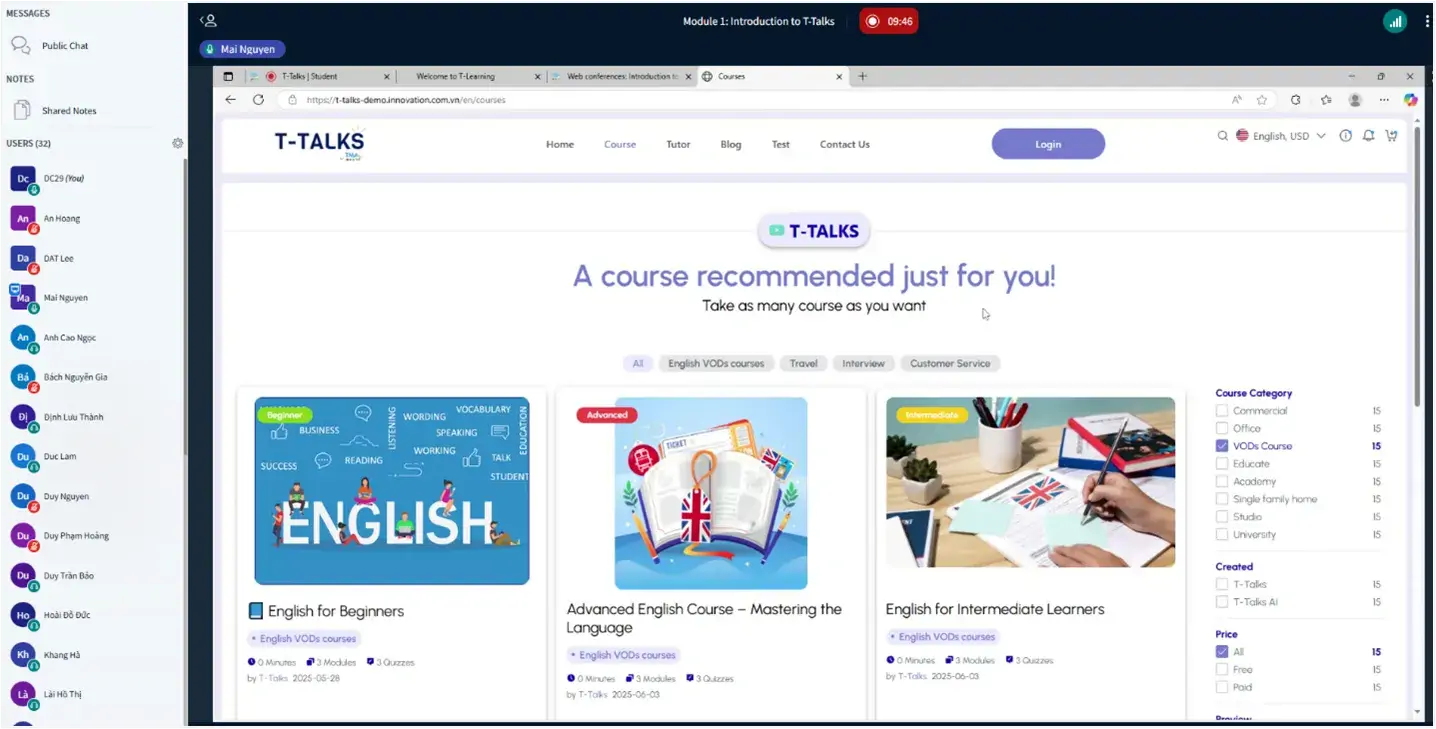
The Future of AI in Education As AI continues to revolutionize industries, its influence on education is becoming increasingly transformative. From hyper-personalized learning to intelligent virtual tutors and real-time analytics, AI is enabling more inclusive, engaging, and effective learning experiences for students of all ages. With a strong track record of delivering EdTech solutions to clients across Japan, South Korea, Australia, Vietnam, the US, and Europe , https://www.tmasolutions.com/ TMA Solutions is leading the way in AI-powered education innovation. Our platforms—ranging from Smart LMS to Language Learning, Smart Assessments, and Virtual Classrooms—are helping educational institutions and training providers reimagine how learning is designed, delivered, and measured. Introduction The classroom is no longer confined to four walls, static textbooks, and one-size-fits-all lessons. In today’s world of digital acceleration, Artificial Intelligence (AI) is reimagining the learning experience, empowering both teachers and students with smarter, more adaptive tools. At the heart of this transformation is https://www.tmasolutions.com/ TMA Solutions , which has been delivering https://www.tmasolutions.com/technologies/ai-ml-and-data-sciences advanced AI-powered education platforms to educational institutions, language centers, and corporate training providers. With solutions like Smart LMS, Personalized Learning, Smart Virtual Assistants, Smart Assessment & Evaluation, Online Virtual Classroom, Predictive Analytics Dashboard, Language Learning Platform, Course Matching Finder, and Automatic Course Creator. TMA is turning the Smart Classroom vision into reality. Let’s explore how AI is solving real educational challenges, enhancing engagement, improving outcomes, and making learning more inclusive and effective. Smart Learning Management System (LMS) Unifying teaching, learning, and tracking in one intelligent hub An LMS is the backbone of any digital learning environment. A Smart LMS takes it further by integrating AI to deliver personalized content, automate workflows, and generate actionable insights, making both teaching and learning more efficient. TMA in Action: TMA’s Smart Learning Management System platform serves as a Smart LMS that enables institutions to manage courses, track learner progress, deliver multimedia content, and integrate with assessment tools. It includes AI-powered personalization, automatic learning path generation, and real-time dashboards to help educators intervene at the right moment. The platform is mobile-ready and scalable for schools, universities, and corporate academies. In Australia, the system was deployed for credit-eligible training courses, helping reduce content creation time and increasing learner engagement, resulting in a 30% improvement in operational efficiency. TMA Smart Learning Management System AI-Powered Personalized Learning Plans Tailoring lessons to individual needs Every student learns differently. With AI, lesson content, pace, and assessments can be automatically adapted to each student’s learning style and performance. By analyzing interaction data, AI systems generate dynamic learning paths that close knowledge gaps and keep students motivated. TMA in Action: TMA’s Smart Learning Management System uses AI to create personalized learning paths and improve learning outcomes. AI to assess learners' proficiency, recommend the most relevant lessons, and track progress in real time. This personalization boosts retention and improves outcomes in both K–12 and adult education settings. TMA Smart Learning Management System Smart Virtual Learning Assistant Always-on support for every learner Learners often need help outside of scheduled classes—whether clarifying a concept, revisiting instructions, or preparing for an exam. AI-powered virtual assistants provide real-time answers, reminders, and personalized suggestions through natural conversation. TMA in Action: TMA’s https://www.tmasolutions.com/insights/ai-driven-patient-care-solutions Smart Virtual Assistant acts as a 24/7 learning companion, guiding students through their courses, answering content-related questions, and offering reminders and tips based on their progress. It is integrated across platforms, including mobile and desktop, to ensure support anytime, anywhere. Smart Virtual Assistant Smart Assessment & Evaluation Intelligent, scalable testing and feedback Traditional assessments are static and often time-consuming to create and evaluate. AI enables dynamic, personalized, and auto-graded assessments that adapt to each learner’s level and provide instant, actionable feedback to both students and teachers. TMA in Action: TMA’s AI Quiz Builder automatically generates quizzes from course content, aligned to learning objectives or CEFR levels. It supports various formats (MCQ, open-ended, speaking), grades responses instantly, and provides learners with explanations and performance insights. AI Quiz Builder Online Virtual Classroom Immersive, interactive, and instructor-led remote learning Virtual classrooms are more than just video calls. Today’s platforms must support real-time collaboration, engagement analytics, and seamless integration with course materials. AI can enhance these environments through automated moderation, engagement scoring, and smart content delivery. TMA in Action: TMA’s Online Virtual Classroom module is integrated with its Smart LMS, offering live teaching, breakout rooms, attendance tracking, and screen sharing. The system also supports AI-enhanced features like facial expression tracking (to gauge attention), session recordings with auto-transcription, and integration with virtual whiteboards and quizzes—all accessible through a browser or mobile app. TMA Smart Learning Management System Predictive Analytics Dashboard Proactive insights to boost learning outcomes AI can process learning behavior, test scores, and engagement signals to forecast future risks, such as course dropouts, failing grades, or slow progress. Educators and administrators can use these insights to take early intervention actions. TMA in Action: TMA’s Predictive Analytics tools help educators identify at-risk learners and drive timely interventions. The system supports both educators and academic managers in making data-driven decisions. TMA Predictive Analytics tools AI-Powered Language Learning Platform Fluency through adaptive learning and real conversation Language learning requires practice, feedback, and repetition. AI enhances this process through personalized plans, real-life conversation role-plays, pronunciation feedback, and 24/7 tutoring—all aligned to international frameworks like CEFR. TMA in Action: TMA’s AI Language Learning Platform delivers a complete experience: Personalized Study Learning Real-Life Conversation Role-Plays Instant Speech Feedback Real-time AI Virtual Tutor In South Korea, it has been successfully adopted by language centers and enterprises to support both English and Korean training, achieving high engagement rates and measurable learning gains. TMA Learning Language Platform Smart Course Finder Helping learners discover the right path With thousands of learning options available, students often feel overwhelmed. AI can simplify this process by analyzing interests, proficiency, and goals to recommend the most relevant courses, instructors, or certifications. TMA in Action: TMA’s https://www.tmasolutions.com.au/case-studies/edspot Smart Educational Marketplace Platform uses recommendation engines to match learners with the best-fit learning paths, tutors, or bundles. It continuously improves suggestions based on learner feedback, completion rates, and preferences. Successfully deployed in the Australian market, the platform connects trainers, learners, RTOs (Registered Training Organizations), and universities, helping learners reduce the time needed to find suitable programs and increasing course completion rates through AI-driven personalization and support. TMA Education Marketplace Platform Smart Course Creator Empowering instructors to build better courses—faster Designing structured, engaging courses takes time and expertise. AI assists by generating content, quizzes, visuals, and sequencing based on learning goals, allowing teachers to focus on refinement and delivery. Deployed in Australia, this tool enabled trainers to accelerate course development, saving at least 30% of preparation time compared to traditional methods while ensuring content alignment with industry standards and learner needs. TMA in Action: TMA’s https://www.tmasolutions.com.au/case-studies/edspot Smart Course Creator allows educators to input a topic or objective and receive a complete course outline with AI-generated lessons, slides, assessments, and media suggestions. It integrates seamlessly with the Smart Education Marketplace Platform for quick publishing and tracking. TMA Education Marketplace Platform AI in Education: Smart Classrooms...
icon
8 ways AI is transforming fintech companies Artificial intelligence is rapidly reshaping the financial technology landscape. Here are 8 main ways AI is shaping fintech companies: AI-powered client service AI-powered client service, using intelligent virtual assistants (like AiseraGPT), leverages conversational AI and Natural Language Processing (NLP) to provide instant, personalized support. These systems handle routine inquiries, facilitate transactions, and offer tailored financial advice, transforming client service into a value-added service and freeing human agents for complex issues. AI for enhanced cybersecurity AI algorithms drive sophisticated anti-fraud systems by analyzing real-time transaction patterns and detecting anomalies indicative of fraudulent activity. Continuously learning from new data, these models adapt to evolving fraud tactics, proactively protecting assets and building client trust. Predicting market trends Predictive analytics utilizes AI to process vast datasets and forecast market trends. Fintech firms leverage this to anticipate shifts in consumer behavior, market demand, and economic conditions, enabling data-driven strategic decisions for product development, marketing, and investment portfolio optimization. AI enables strategic market decisions and investment portfolio optimization AI credit scoring AI revolutionizes credit scoring by analyzing a broader range of data points, including non-traditional data like social media activity and mobile phone usage patterns. This leads to more accurate and inclusive credit assessments, expanding financial inclusion, and reducing default risk for lenders. Fraud detection AI significantly enhances fraud detection by employing machine learning algorithms that detect patterns indicative of fraudulent activity. This is particularly valuable in real-time transaction processing, where speed and accuracy are critical for preventing unauthorized transactions and minimizing financial losses. Understanding user behavior AI techniques analyze user behavior, transforming the personalization of financial products and services. By understanding spending habits, investment preferences, and interaction patterns, financial institutions tailor offerings to meet individual needs, improving client satisfaction and identifying new revenue streams. Automated financial advisors AI-powered chatbots and robo-advisors redefine personal finance by providing customized investment advice based on individual risk profiles and financial goals. These systems manage portfolios, suggest investment strategies, and even execute trades, democratizing access to financial advice. Data-driven strategy AI's capacity for extensive data analysis is crucial for strategic planning and policy development. By aggregating and analyzing data from various sources, AI uncovers insights into market trends, operational inefficiencies, and client preferences, informing data-driven decisions that drive growth and innovation. How is AI revolutionizing fintech processes? AI is shaking up the very core of how financial services operate. According to AvidXchange, AI in fintech is driving innovation in several key areas: Client service AI is transforming client service in fintech through the deployment of chatbots and virtual assistants. These software applications leverage Natural Language Processing (NLP) and Machine Learning (ML) algorithms to analyze client queries, understand their intent, and provide instant, 24/7 support. By automating routine interactions and anticipating user needs based on data analysis, these AI-powered solutions enhance client experience, reduce wait times and lower operational costs. Security AI significantly enhances security in fintech, particularly in fraud detection and prevention. ML algorithms analyze transaction patterns, identifying anomalies and suspicious activities indicative of fraud. These systems can detect unusual behavior in real time, triggering alerts and enabling swift responses. Furthermore, AI models continuously learn and adapt to new fraud techniques, cross-referencing multiple data sources to strengthen user identity verification and create a more secure environment. Lending AI is revolutionizing lending practices by enabling more comprehensive and efficient credit scoring. Software systems utilize ML algorithms to analyze broader data points beyond traditional credit histories, including social media activity, payment behavior, and employment history. This data-driven approach can lead to more inclusive lending practices by identifying creditworthy individuals often overlooked by conventional methods, while also speeding up decision-making and potentially reducing default rates. Risk management AI-powered solutions are transforming risk management in financial companies. By leveraging advanced analytics and ML, these systems can predict and mitigate potential risks. AI models analyze vast datasets, identifying patterns and correlations that may indicate emerging risks and providing real-time monitoring and alerts for proactive risk management. AI-powered risk management in fintech Automated trading AI is employed in automated trading through algorithms that analyze market data, identify trends, and execute trades at optimal times without human intervention. These systems process massive amounts of information at high speed, facilitating rapid decision-making. ML models continuously learn from historical data and market conditions, refining trading strategies to improve efficiency, reduce human error, and potentially increase profitability. Bespoke financial advice AI enables fintech companies to provide personalized financial advice and investment strategies. By analyzing client data like spending patterns, risk tolerance, and financial goals, AI algorithms can identify trends and predict market movements, offering tailored recommendations that align with individual client profiles. This automated and customized approach enhances client satisfaction, optimizes investment returns, and streamlines the workload for human financial advisors. Market overview in AI in fintech The global AI in fintech market is projected to reach $61.3 billion by 2031, driven by several key factors. Operational efficiency: AI applications in fintech have proven to significantly enhance productivity, streamlining processes such as credit score tracking and data entry. This substantial value addition is driving widespread adoption. Pandemic-driven digital transformation: The COVID-19 pandemic has accelerated the adoption of cutting-edge technologies, including AI, across various industries. Fintech companies leveraging AI have demonstrated remarkable resilience and productivity during the pandemic. Interdisciplinary convergence: The fintech landscape is increasingly intersecting with adjacent niches like Regtech and Insurtech. AI-powered solutions are amplifying the value of cross-disciplinary software, creating new opportunities for innovation and growth. With AI in the fintech market poised for continued growth, the current climate presents an ideal opportunity for new players to develop and launch innovative fintech applications. Key drivers of AI in fintech market growth The financial technology (fintech) sector is undergoing a significant transformation fueled by the power of artificial intelligence (AI). AI rapidly transforms how financial services are delivered, analyzed, and secured. This article delves into the exciting world of AI in fintech, exploring its impact on the market, revolutionizing processes, and its potential for the future. Discover the key applications of AI in fintech and how they're shaping the industry. Conclusion AI is revolutionizing the fintech landscape, offering unprecedented opportunities for efficiency, security, and personalization. While challenges exist, the benefits of AI for financial institutions and users are undeniable. As AI technology evolves, we can expect even more transformative innovations in the exciting world of fintech. Dive deeper into AI in fintech – explore our related articles and resources. AI's future in fintech: what's on the horizon? The future of AI in fintech is brimming with exciting possibilities. Here are some potential areas of growth: Client service and lending AI is poised to further transform client interactions and lending through advanced software implementations. Intelligent chatbots, powered by sophisticated Natural Language Processing (NLP) and Machine Learning (ML) algorithms, will provide even more personalized and efficient client service experiences. Simultaneously, AI-powered credit scoring systems will leverage increasingly complex datasets and ML models to provide more accurate and nuanced risk assessments, potentially expanding access to credit and optimizing lending practices. Predictive analytics and task automation AI's capabilities in predictive analytics will continue to evolve, offering deeper insights into future market trends and client behaviors through advanced statistical modeling and machine learning. This will empower financial institutions to make more informed strategic decisions. Furthermore, advancements in AI-driven workflow automation will streamline complex operations, freeing up human resources for strategic initiatives and innovation. Personalize data analysis AI will drive further enhancements in personalization and data analysis within fintech. Deep learning and NLP will enable even more tailored client experiences, with AI systems understanding and responding to individual user needs and preferences with greater precision. Furthermore, AI-powered data analytics platforms will provide sophisticated tools for managing and interpreting vast amounts of financial data, enabling data-driven decision-making at all levels of the organization. AI enhances personalization and data analysis in fintech The backbone of modern fintech AI is solidifying its position as a core component of modern fintech software architectures. Its integration promotes resilience through automated systems that can adapt to changing market conditions. It enhances efficiency through process automation and data-driven insights. It facilitates inclusivity by expanding access to financial services through digital platforms and personalized offerings. And finally, it drives client satisfaction by providing seamless, personalized, and efficient financial experiences. What challenges lie ahead for AI in fintech? Despite the immense potential, AI in fintech faces some challenges that need to be addressed: Managing sensitive data Managing sensitive financial data in fintech software development requires robust security measures and meticulous data management practices. Furthermore, due to the high volume of financial data processed, software must be designed for scalability and performance, utilizing highly optimized algorithms and efficient data storage solutions to handle increasing data loads while maintaining responsiveness and a smooth user experience. Navigating compliance Navigating regulatory compliance in fintech software development is crucial due to the financial industry's heavily regulated nature. This necessitates strict adherence to various local, national, and international regulations about financial transactions, data privacy, and security. Furthermore, close collaboration between technical teams and legal/compliance experts is essential to ensure the software meets all applicable regulations and effectively mitigates potential legal and compliance risks. Building trust Building trust and transparency is paramount for the successful adoption of AI-powered fintech solutions. Simultaneously, developers must prioritize the careful curation of training data and implement bias mitigation techniques to ensure fairness in AI-driven decision-making, preventing discriminatory outcomes and building confidence in the system's impartiality. Fostering trust in AI in fintech through explainability and bias mitigation Lowering the entry barrier Meeting the high reliability and performance standards demanded by the financial sector requires rigorous testing and quality assurance throughout the software development lifecycle. Furthermore, fintech software must be designed to gracefully handle edge cases and unexpected inputs, incorporating robust error handling and recovery mechanisms to prevent errors and maintain system stability. Advantages in AI-powered fintech The integration of AI in fintech offers significant advantages for both financial companies and their users: Gains for financial companies AI-powered fintech solutions provide companies with: Cost savings: AI reduces expenses on client service, fraud prevention, and clerical tasks, enabling companies to allocate resources more efficiently. Improved client satisfaction: AI-driven fintech solutions cater to the tech-savvy preferences of younger generations, enhancing client satisfaction and loyalty. Enhanced analytics: Well-trained algorithms offer transparent and data-driven decision-making, outperforming human analysts in many cases. AI driving business improvements with cost, client service, and analytics in fintech Improvement in users' experience AI-powered fintech solutions also empower users with: Increased accessibility: Neobanks and robo-advisors offer financial services to a broader audience, with lower fees and no minimum account balance requirements. Convenience: Fintech apps provide 24/7 access to financial services, with chatbots offering quick support and solutions to common issues. Personalized finance management: AI-powered fintech solutions offer bill tracking, investment opportunities, and market analytics, making financial management more accessible and affordable for everyone. AI in Fintech: Key Applications Shaping the Future of Finance...