Real-time automated clinical data collection: How it works and how to implement it

real-time automated clinical data collection
HomeInsights
Real-time automated clinical data collection: How it works and how to implement it
19/11/2026

Doctors and nurses lose hours each day re-entering data from medical devices, paper forms and different software systems. As a result, clinical data often arrives late, contains errors and is hard to use for analysis. This article explains how real-time automated clinical data collection works, its benefits, real examples and how to implement it.

1. What real-time automated clinical data collection means

Real-time automated clinical data collection is a process in which a system captures health data from devices, software and documents automatically and sends it straight to a central data store. As a result, doctors do not have to wait for staff to type in the data before they can see a patient's readings.

Data sources can include wearable devices, blood pressure monitors, SpO2 monitors, Electronic Medical Records/Electronic Health Records (EMR/EHR) and doctors' notes. For example, when a patient with heart failure measures their blood pressure at home, the reading goes to the system right away. If the reading goes above a safe limit, the system alerts the doctor within seconds, so the doctor does not need to wait for the next check-up.

Unlike manual data entry, this model relies on healthcare data exchange standards such as HL7 and FHIR (Fast Healthcare Interoperability Resources). These standards give data from different systems the same format, so different software can read and share it.
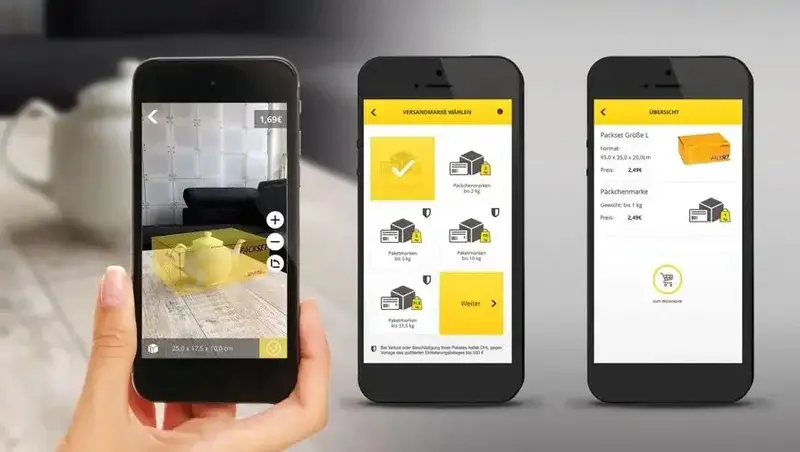
Clinical data is collected automatically from devices and sent straight to the patient record

2. Reasons healthcare organizations need automated clinical data collection

Automated data collection solves four major problems for hospitals and clinics: the data entry workload, data errors, slow decisions and limited use of AI.

2.1. Reduce manual data entry workload

A 2016 time-and-motion study in the Annals of Internal Medicine found that doctors spend 49.2% of their time on EHR and desk work. In contrast, face-to-face time with patients makes up only 27%. On top of that, doctors spend an extra one to two hours each night on data entry.

To reduce this burden, an automated system takes data directly from medical devices and software and adds it to the patient record. For example, heart rate readings from a bedside monitor go into the EHR, so nurses do not need to copy them by hand. As a result, doctors have more time to examine and talk with patients.

2.2. Improve data accuracy and consistency

According to a study in the journal Orthopedics, manual data collection has an average transcription error rate of 9.19% per patient encounter. These mistakes can cause a doctor to read the wrong drug dose or miss a patient's allergy history.

Because data moves directly from the source without a manual copy step, an automated system removes most typing errors. In addition, the system puts data into one standard format such as FHIR. Therefore, the same reading has the same unit and format in every department.

2.3. Enable faster clinical decision-making

According to a 2006 study by Kumar and colleagues in Critical Care Medicine, each hour of delay in antibiotic treatment for patients with septic shock lowers the survival rate by 7.6% on average. This figure shows that, in many cases, a few hours of waiting can affect a patient's life.

Real-time data helps to shorten this waiting time. When a patient's blood pressure or heart rate changes in an unusual way, the system sends an alert to the care team right away. As a result, doctors can act early and do not need to wait for the next ward round.

2.4. Support AI-powered healthcare analytics

According to Grand View Research, the global AI in healthcare market was worth USD 36.7 billion in 2025 and is expected to reach USD 505.6 billion by 2033. However, AI models only give reliable results when they receive clean and complete data.

Automated collection creates a continuous and structured flow of data for AI to learn from and analyze. For example, an AI model can read continuous SpO2 data to detect early warning signs in patients with Chronic Obstructive Pulmonary Disease (COPD). You can combine this data with AI and data science solutions to predict the risk of hospital readmission.

Automated data helps doctors understand a patient's condition right away

3. How real-time automated clinical data collection works

An automated clinical data collection system usually works in five steps, from the moment data appears to the moment a doctor uses it.

  • Capture data at the source: Wearable devices, medical monitors and Internet of Things (IoT) sensors measure heart rate, SpO2 and blood pressure continuously. At the same time, EMR/EHR systems, lab software and PDF documents also create new data.

  • Transfer data: The data goes to a cloud platform through Bluetooth, a mobile app or an Application Programming Interface (API). With streaming technology, the data arrives as soon as it is created.

  • Standardize data: Because each source uses its own format, the system converts data from formats such as HL7 v2, CDA and DICOM into the common FHIR standard. For free text such as doctors' notes, Natural Language Processing (NLP) technology pulls out diagnoses, medicines and medical history.

  • Store and protect data: The data is encrypted and saved in a central data store. At the same time, the system controls user access and keeps activity logs to meet rules such as HIPAA and GDPR.

  • Analyze data and send alerts: AI and clinical rules read the new data, compare it with safe limits and send alerts. In addition, the data appears on dashboards so that doctors and managers can follow it.
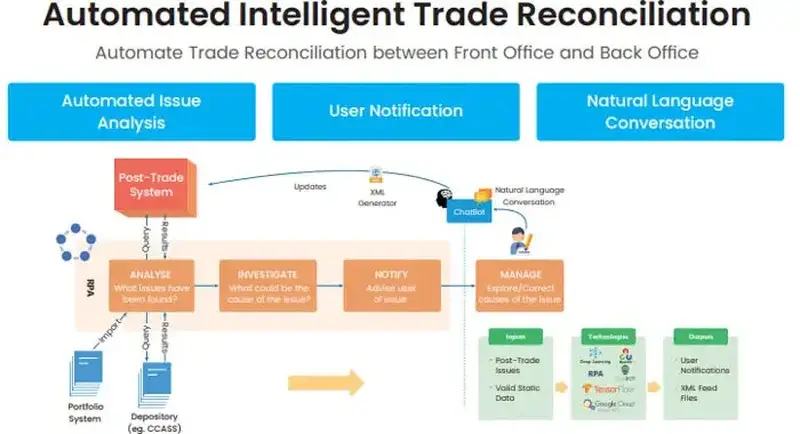
The real-time automated clinical data collection process

4. Examples of real-time automated clinical data collection

4.1. mCare remote health monitoring platform

The client is a telecommunications company in Vietnam that has recently entered the healthcare sector. Its first challenge was to collect daily health data from a large number of users who live in many different areas. The client also needed to monitor elderly people 24/7. In addition, the service had to be easy to use for both patients and their families.

To solve these challenges, TMA built the mCare platform, which connects to smart watches, rings, bands and specialized medical devices. AI analyzes heart rate, SpO2, activity and nutrition data in real time to detect unusual signs. All data is stored in the cloud, and a telehealth app lets patients make video calls with doctors.

With this platform, the client now owns the health and lifestyle data of its users. At the same time, it has new revenue streams from remote monitoring services. More importantly, the client has a ready infrastructure to grow in the healthcare sector.

4.2. FHIR Transformation Service

Many healthcare providers still use legacy systems that cannot connect directly with modern cloud platforms. At the same time, clinical data is spread across many formats such as PDF, email, HL7 v2 and DICOM. As a result, integration often needs manual work, which leads to delays and data errors.

TMA's FHIR Transformation Service solves this exact problem: it automatically converts data into one common standard. NLP technology takes out patient details, diagnoses and treatments from doctors' notes. After that, the system converts HL7 v2, CDA and DICOM data into FHIR and loads it into a data store or an analytics system.

As a result, legacy and modern systems can exchange data within one FHIR framework, without a full rebuild. The manual workload drops, while the data still has access control and encryption in line with HIPAA and GDPR.

4.3. Healthcare Big Data Analytics platform

The client is a healthcare and insurance organization in the US that handles millions of medical records every day. It needed a strong data platform, a safe way to move its old data and an analytics system for its clinics and insurance services.

To handle this amount of data, TMA built an analytics platform that collects data from partners, internal sources and membership records. Streaming technology processes EHR data in real time, together with an Extract, Transform, Load (ETL) process. The data is classified and encrypted both in storage and in transit.

The project migrated about 15 million medical records covering 30 years to the new platform. The search engine returns results in under 3 seconds on 5TB of sample data. Therefore, clinics and insurance teams can make decisions faster and lower the risk of data leaks.
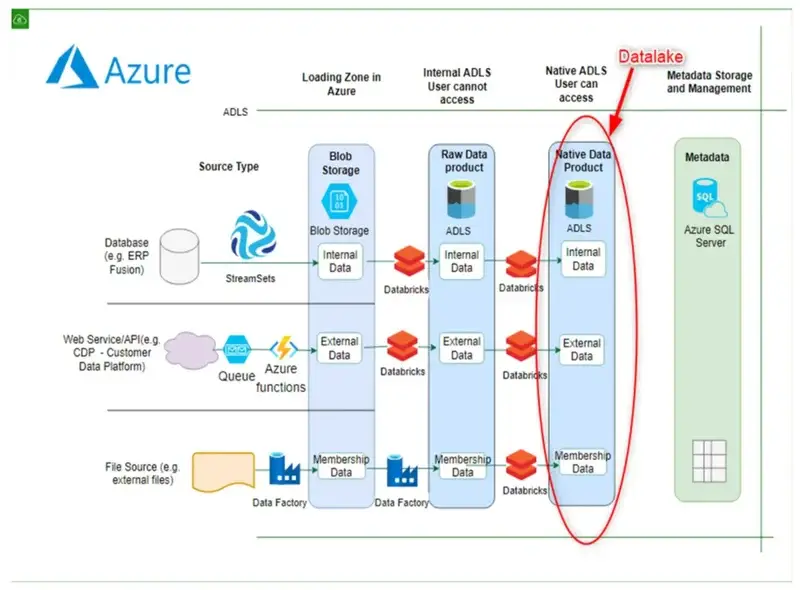
TMA built a big data platform for a US healthcare and insurance organization

5. Build real-time automated clinical data collection solutions with TMA Solutions

TMA Solutions is a software development company founded in 1997 in Ho Chi Minh City. In healthcare, TMA has more than 16 years of experience and a team of about 700 engineers, and it serves clients in Australia, the US, Ireland, Sweden, New Zealand and Vietnam.

When you work with TMA, your healthcare organization can solve the problems above in the following ways:

  • Medical device integration: You can connect more than 50 types of devices and read values from photos of the screens of more than 60 devices. As a result, vital signs are recorded automatically without manual entry.

  • Less data entry from paper documents: TMA's Optical Character Recognition (OCR) solution helped a 24/7 healthcare provider cut data entry work by 80%.

  • Data standardization with HL7 and FHIR: The TMA team provides HL7 FHIR APIs and SDKs, so new data can connect with your current EMR/EHR and Hospital Information System (HIS).

  • Security by design: The system is designed to be ready for HIPAA and GDPR, with encryption, access control and access logs.

  • AI readiness: Structured data is ready for solutions such as AI scribe, which is now live in 3 hospitals.

If you need to replace manual data entry, contact TMA for advice on the right solution.

TMA's engineering team in healthcare software

6. Frequently asked questions about automated clinical data collection

6.1. How much does it cost to build a real-time automated clinical data collection system?

The cost depends on the number of data sources, the number of device types to connect and the security requirements. A project that connects a few devices to one EHR system costs much less than a platform that handles millions of records. Therefore, you should start with a small pilot project to get a realistic cost estimate.

6.2. How long does it take to implement an automated clinical data collection solution?

The timeline depends on the project scope and how ready your current systems are. If your existing software already supports HL7 or FHIR, the connection will be faster. On the other hand, data in PDF files or closed systems needs more time for conversion and testing.

6.3. Can automated clinical data collection systems work with existing healthcare software?

Yes, the system can connect with your current EMR/EHR, HIS and Picture Archiving and Communication System (PACS). The HL7 and FHIR standards act as a bridge between old and new systems. As a result, you do not need to replace all the software you use today.

Real-time automated clinical data collection reduces data entry, limits errors and helps doctors act earlier. At the same time, a clean and continuous flow of data is the foundation for healthcare organizations to use AI. If you want to start with a pilot project, talk to the TMA team to get advice on your implementation roadmap.

Contact information:

TMA SOLUTIONS - The leading Real-time automated clinical data collection company in Vietnam

Email: sales@tmasolutions.com

Website: https://www.tmasolutions.com/

Linkedin: TMA Solutions

TMA Tower address: Street #10, Quality Tech Solution Complex (QTSC), Trung My Tay Ward, Ho Chi Minh City.

TMA Solutions
Author: TMA Solutions
Table Of Content
1. What real-time automated clinical data collection means
2. Reasons healthcare organizations need automated clinical data collection
2.1. Reduce manual data entry workload
2.2. Improve data accuracy and consistency
2.3. Enable faster clinical decision-making
2.4. Support AI-powered healthcare analytics
3. How real-time automated clinical data collection works
4. Examples of real-time automated clinical data collection
4.1. mCare remote health monitoring platform
4.2. FHIR Transformation Service
4.3. Healthcare Big Data Analytics platform
5. Build real-time automated clinical data collection solutions with TMA Solutions
6. Frequently asked questions about automated clinical data collection
6.1. How much does it cost to build a real-time automated clinical data collection system?
6.2. How long does it take to implement an automated clinical data collection solution?
6.3. Can automated clinical data collection systems work with existing healthcare software?
Start your project today!
Contact Us
Share:
Start your project today!
Contact Us
decor

Contact Us

Get in touch with TMA Solutions to discuss your technology needs and explore how we can help bring your ideas to life.

Name *
Email *
Company *
Websites
Country *
United States
AndorraAndorra
United Arab EmiratesUnited Arab Emirates
AfghanistanAfghanistan
Antigua and BarbudaAntigua and Barbuda
AnguillaAnguilla
AlbaniaAlbania
ArmeniaArmenia
AngolaAngola
ArgentinaArgentina
AustriaAustria
AustraliaAustralia
ArubaAruba
Ã…land IslandsÃ…land Islands
AzerbaijanAzerbaijan
Bosnia and HerzegovinaBosnia and Herzegovina
BarbadosBarbados
BangladeshBangladesh
BelgiumBelgium
Burkina FasoBurkina Faso
BulgariaBulgaria
BahrainBahrain
BurundiBurundi
BeninBenin
BermudaBermuda
Brunei DarussalamBrunei Darussalam
BoliviaBolivia
BrazilBrazil
BahamasBahamas
BhutanBhutan
BotswanaBotswana
BelarusBelarus
BelizeBelize
CanadaCanada
Congo, Democratic Republic of theCongo, Democratic Republic of the
Central African RepublicCentral African Republic
CongoCongo
SwitzerlandSwitzerland
Cote d'IvoireCote d'Ivoire
ChileChile
CameroonCameroon
ChinaChina
ColombiaColombia
Costa RicaCosta Rica
CubaCuba
Cape VerdeCape Verde
CyprusCyprus
Czech RepublicCzech Republic
GermanyGermany
DjiboutiDjibouti
DenmarkDenmark
DominicaDominica
Dominican RepublicDominican Republic
AlgeriaAlgeria
EcuadorEcuador
EstoniaEstonia
EgyptEgypt
EritreaEritrea
SpainSpain
EthiopiaEthiopia
FinlandFinland
FijiFiji
Falkland IslandsFalkland Islands
Federated States of MicronesiaFederated States of Micronesia
FranceFrance
GabonGabon
United KingdomUnited Kingdom
GrenadaGrenada
GeorgiaGeorgia
GuernseyGuernsey
GhanaGhana
GibraltarGibraltar
GambiaGambia
GuineaGuinea
Equatorial GuineaEquatorial Guinea
GreeceGreece
GuatemalaGuatemala
Guinea-BissauGuinea-Bissau
GuyanaGuyana
Hong KongHong Kong
HondurasHonduras
CroatiaCroatia
HaitiHaiti
HungaryHungary
IndonesiaIndonesia
IrelandIreland
IsraelIsrael
Isle of ManIsle of Man
IndiaIndia
IraqIraq
IranIran
IcelandIceland
ItalyItaly
JerseyJersey
JamaicaJamaica
JordanJordan
JapanJapan
KenyaKenya
KyrgyzstanKyrgyzstan
CambodiaCambodia
ComorosComoros
Saint Kitts and NevisSaint Kitts and Nevis
North KoreaNorth Korea
South KoreaSouth Korea
KuwaitKuwait
Cayman IslandsCayman Islands
KazakhstanKazakhstan
LaosLaos
LebanonLebanon
Saint LuciaSaint Lucia
LiechtensteinLiechtenstein
Sri LankaSri Lanka
LiberiaLiberia
LesothoLesotho
LithuaniaLithuania
LuxembourgLuxembourg
LatviaLatvia
LibyaLibya
MoroccoMorocco
MonacoMonaco
MoldovaMoldova
MontenegroMontenegro
MadagascarMadagascar
North MacedoniaNorth Macedonia
MaliMali
BurmaBurma
MongoliaMongolia
MacaoMacao
MauritaniaMauritania
MontserratMontserrat
MaltaMalta
MauritiusMauritius
MaldivesMaldives
MalawiMalawi
MexicoMexico
MalaysiaMalaysia
MozambiqueMozambique
NamibiaNamibia
NigerNiger
NigeriaNigeria
NicaraguaNicaragua
NetherlandsNetherlands
NepalNepal
New ZealandNew Zealand
OmanOman
PanamaPanama
PeruPeru
French PolynesiaFrench Polynesia
Papua New GuineaPapua New Guinea
PhilippinesPhilippines
PakistanPakistan
PolandPoland
Puerto RicoPuerto Rico
PortugalPortugal
PalauPalau
ParaguayParaguay
QatarQatar
RomaniaRomania
SerbiaSerbia
RussiaRussia
RwandaRwanda
Saudi ArabiaSaudi Arabia
Solomon IslandsSolomon Islands
SeychellesSeychelles
SudanSudan
SwedenSweden
SingaporeSingapore
SloveniaSlovenia
SlovakiaSlovakia
Sierra LeoneSierra Leone
San MarinoSan Marino
SenegalSenegal
SomaliaSomalia
SurinameSuriname
Sao Tome and PrincipeSao Tome and Principe
El SalvadorEl Salvador
SyriaSyria
SwazilandSwaziland
Turks and Caicos IslandsTurks and Caicos Islands
ChadChad
TogoTogo
ThailandThailand
TajikistanTajikistan
Timor-LesteTimor-Leste
TurkmenistanTurkmenistan
TunisiaTunisia
TongaTonga
TurkeyTurkey
Trinidad and TobagoTrinidad and Tobago
TaiwanTaiwan
TanzaniaTanzania
UkraineUkraine
UgandaUganda
United StatesUnited States
UruguayUruguay
UzbekistanUzbekistan
Saint Vincent and the GrenadinesSaint Vincent and the Grenadines
VenezuelaVenezuela
Virgin Islands, BritishVirgin Islands, British
VietnamVietnam
VanuatuVanuatu
SamoaSamoa
YemenYemen
South AfricaSouth Africa
ZambiaZambia
ZimbabweZimbabwe
Phone
(+1)

Andorra Andorra(+376)
United Arab Emirates United Arab Emirates(+971)
Afghanistan Afghanistan(+93)
Antigua and Barbuda Antigua and Barbuda(+1 268)
Anguilla Anguilla(+1 264)
Albania Albania(+355)
Armenia Armenia(+374)
Angola Angola(+244)
Argentina Argentina(+54)
Austria Austria(+43)
Australia Australia(+61)
Aruba Aruba(+297)
Ã…land Islands Ã…land Islands(+358)
Azerbaijan Azerbaijan(+994)
Bosnia and Herzegovina Bosnia and Herzegovina(+387)
Barbados Barbados(+1 246)
Bangladesh Bangladesh(+880)
Belgium Belgium(+32)
Burkina Faso Burkina Faso(+226)
Bulgaria Bulgaria(+359)
Bahrain Bahrain(+973)
Burundi Burundi(+257)
Benin Benin(+229)
Bermuda Bermuda(+1 441)
Brunei Darussalam Brunei Darussalam(+673)
Bolivia Bolivia(+591)
Brazil Brazil(+55)
Bahamas Bahamas(+1 242)
Bhutan Bhutan(+975)
Botswana Botswana(+267)
Belarus Belarus(+375)
Belize Belize(+501)
Canada Canada(+1)
Congo, Democratic Republic of the Congo, Democratic Republic of the(+243)
Central African Republic Central African Republic(+236)
Congo Congo(+242)
Switzerland Switzerland(+41)
Cote d'Ivoire Cote d'Ivoire(+225)
Chile Chile(+56)
Cameroon Cameroon(+237)
China China(+86)
Colombia Colombia(+57)
Costa Rica Costa Rica(+506)
Cuba Cuba(+53)
Cape Verde Cape Verde(+238)
Cyprus Cyprus(+357)
Czech Republic Czech Republic(+420)
Germany Germany(+49)
Djibouti Djibouti(+253)
Denmark Denmark(+45)
Dominica Dominica(+1 767)
Dominican Republic Dominican Republic(+1 809)
Algeria Algeria(+213)
Ecuador Ecuador(+593)
Estonia Estonia(+372)
Egypt Egypt(+20)
Eritrea Eritrea(+291)
Spain Spain(+34)
Ethiopia Ethiopia(+251)
Finland Finland(+358)
Fiji Fiji(+679)
Falkland Islands Falkland Islands(+500)
Federated States of Micronesia Federated States of Micronesia(+691)
France France(+33)
Gabon Gabon(+241)
United Kingdom United Kingdom(+44)
Grenada Grenada(+1 473)
Georgia Georgia(+995)
Guernsey Guernsey(+44)
Ghana Ghana(+233)
Gibraltar Gibraltar(+350)
Gambia Gambia(+220)
Guinea Guinea(+224)
Equatorial Guinea Equatorial Guinea(+240)
Greece Greece(+30)
Guatemala Guatemala(+502)
Guinea-Bissau Guinea-Bissau(+245)
Guyana Guyana(+592)
Hong Kong Hong Kong(+852)
Honduras Honduras(+504)
Croatia Croatia(+385)
Haiti Haiti(+509)
Hungary Hungary(+36)
Indonesia Indonesia(+62)
Ireland Ireland(+353)
Israel Israel(+972)
Isle of Man Isle of Man(+44)
India India(+91)
Iraq Iraq(+964)
Iran Iran(+98)
Iceland Iceland(+354)
Italy Italy(+39)
Jersey Jersey(+44)
Jamaica Jamaica(+1 876)
Jordan Jordan(+962)
Japan Japan(+81)
Kenya Kenya(+254)
Kyrgyzstan Kyrgyzstan(+996)
Cambodia Cambodia(+855)
Comoros Comoros(+269)
Saint Kitts and Nevis Saint Kitts and Nevis(+1 869)
North Korea North Korea(+850)
South Korea South Korea(+82)
Kuwait Kuwait(+965)
Cayman Islands Cayman Islands(+1 345)
Kazakhstan Kazakhstan(+7)
Laos Laos(+856)
Lebanon Lebanon(+961)
Saint Lucia Saint Lucia(+1 758)
Liechtenstein Liechtenstein(+423)
Sri Lanka Sri Lanka(+94)
Liberia Liberia(+231)
Lesotho Lesotho(+266)
Lithuania Lithuania(+370)
Luxembourg Luxembourg(+352)
Latvia Latvia(+371)
Libya Libya(+218)
Morocco Morocco(+212)
Monaco Monaco(+377)
Moldova Moldova(+373)
Montenegro Montenegro(+382)
Madagascar Madagascar(+261)
North Macedonia North Macedonia(+389)
Mali Mali(+223)
Burma Burma(+95)
Mongolia Mongolia(+976)
Macao Macao(+853)
Mauritania Mauritania(+222)
Montserrat Montserrat(+1 664)
Malta Malta(+356)
Mauritius Mauritius(+230)
Maldives Maldives(+960)
Malawi Malawi(+265)
Mexico Mexico(+52)
Malaysia Malaysia(+60)
Mozambique Mozambique(+258)
Namibia Namibia(+264)
Niger Niger(+227)
Nigeria Nigeria(+234)
Nicaragua Nicaragua(+505)
Netherlands Netherlands(+31)
Nepal Nepal(+977)
New Zealand New Zealand(+64)
Oman Oman(+968)
Panama Panama(+507)
Peru Peru(+51)
French Polynesia French Polynesia(+689)
Papua New Guinea Papua New Guinea(+675)
Philippines Philippines(+63)
Pakistan Pakistan(+92)
Poland Poland(+48)
Puerto Rico Puerto Rico(+1 787)
Portugal Portugal(+351)
Palau Palau(+680)
Paraguay Paraguay(+595)
Qatar Qatar(+974)
Romania Romania(+40)
Serbia Serbia(+381)
Russia Russia(+7)
Rwanda Rwanda(+250)
Saudi Arabia Saudi Arabia(+966)
Solomon Islands Solomon Islands(+677)
Seychelles Seychelles(+248)
Sudan Sudan(+249)
Sweden Sweden(+46)
Singapore Singapore(+65)
Slovenia Slovenia(+386)
Slovakia Slovakia(+421)
Sierra Leone Sierra Leone(+232)
San Marino San Marino(+378)
Senegal Senegal(+221)
Somalia Somalia(+252)
Suriname Suriname(+597)
Sao Tome and Principe Sao Tome and Principe(+239)
El Salvador El Salvador(+503)
Syria Syria(+963)
Swaziland Swaziland(+268)
Turks and Caicos Islands Turks and Caicos Islands(+1 649)
Chad Chad(+235)
Togo Togo(+228)
Thailand Thailand(+66)
Tajikistan Tajikistan(+992)
Timor-Leste Timor-Leste(+670)
Turkmenistan Turkmenistan(+993)
Tunisia Tunisia(+216)
Tonga Tonga(+676)
Turkey Turkey(+90)
Trinidad and Tobago Trinidad and Tobago(+1 868)
Taiwan Taiwan(+886)
Tanzania Tanzania(+255)
Ukraine Ukraine(+380)
Uganda Uganda(+256)
United States United States(+1)
Uruguay Uruguay(+598)
Uzbekistan Uzbekistan(+998)
Saint Vincent and the Grenadines Saint Vincent and the Grenadines(+1 784)
Venezuela Venezuela(+58)
Virgin Islands, British Virgin Islands, British(+1 284)
Vietnam Vietnam(+84)
Vanuatu Vanuatu(+678)
Samoa Samoa(+685)
Yemen Yemen(+967)
South Africa South Africa(+27)
Zambia Zambia(+260)
Zimbabwe Zimbabwe(+263)
Enquiry *
Check out our Privacy Policy to learn more about how we handle your personal data.
* Required fields
decor banner Left

Others