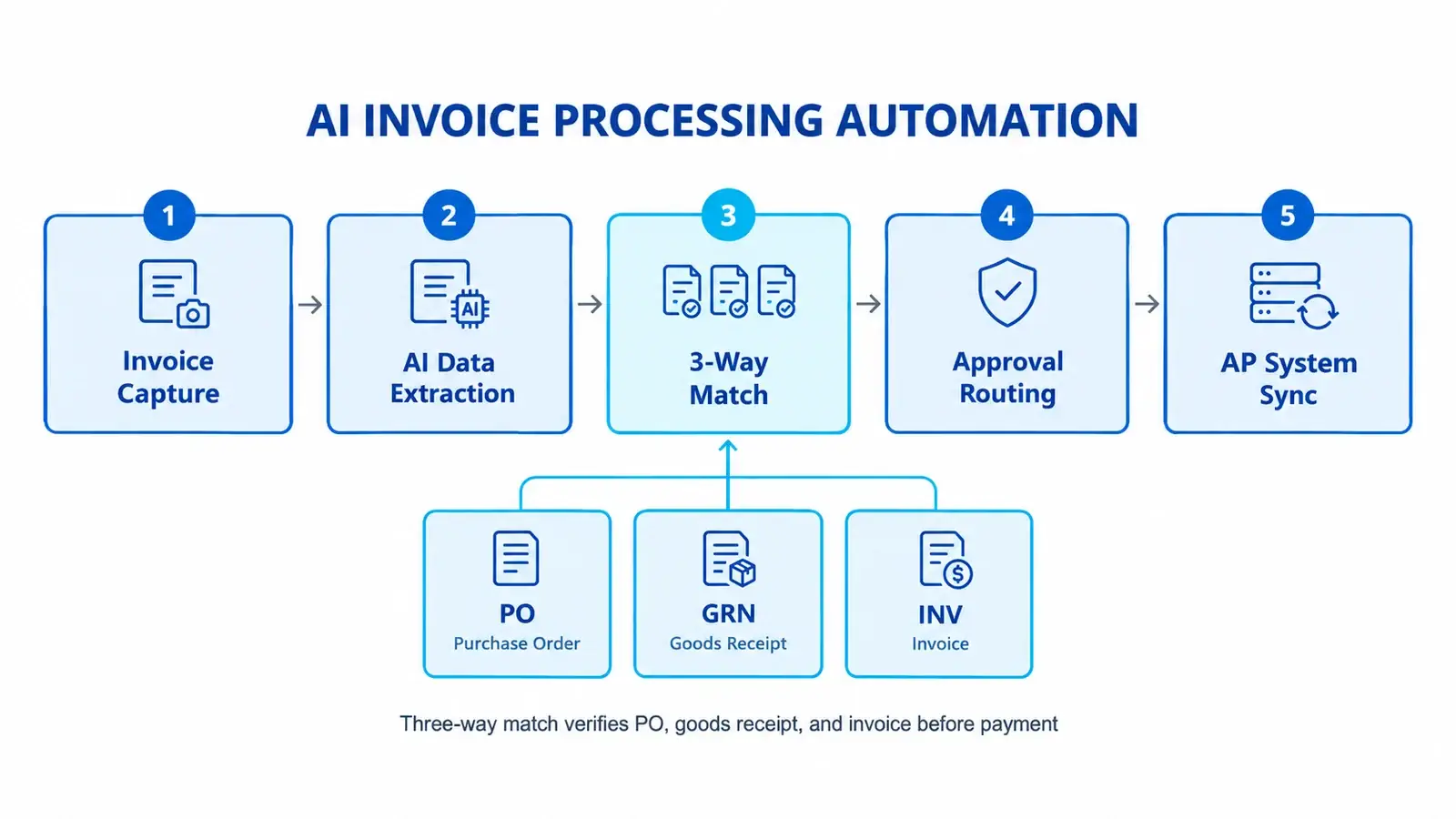
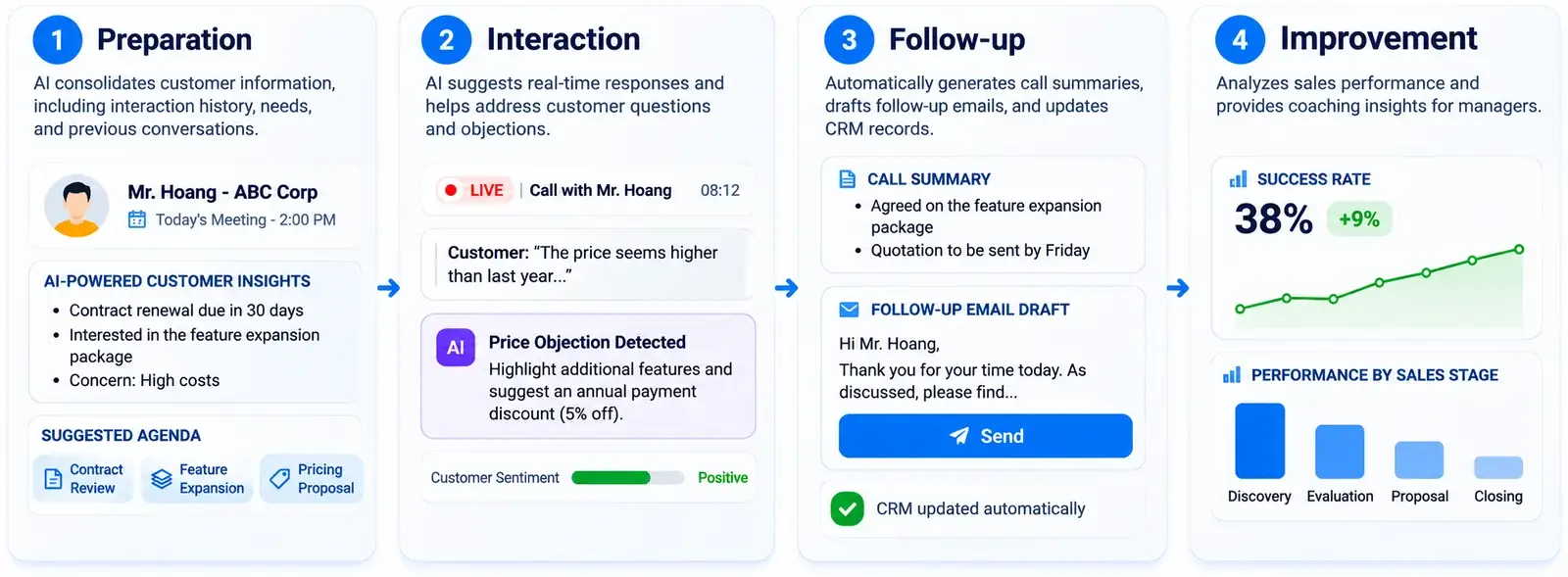
An LMS for large enterprises typically assigns learning paths, publishes approved content, and records course completions. Those records show who finished a course, but not whether a sales representative can respond when a buyer challenges price, timing, or product fit. AI sales training software can complement the LMS as a practice module, giving reps a place to rehearse objections, diagnose buyer concerns, and choose a relevant next step before live conversations.
For sales enablement leaders, the operational challenge is consistency. Managers across regions need to teach the same product and compliance standards, while reps need room to practice in their own words. AI roleplay can support that practice without displacing a manager’s judgment.
Why objection handling is difficult to train at scale
An objection is information, not simply resistance. “Too expensive” may signal a budget ceiling, unclear value, a competitor comparison, or an unanswered risk. A scripted rebuttal may answer the phrase and miss the reason. Reps need to ask a useful question, confirm what matters, and respond to the buyer’s actual concern.
As teams grow, managers cannot run every practice session. Classroom courses can explain product details and sales frameworks, but they give each rep limited time to rehearse varied conversations. Onboarding becomes harder when product lines, approval rules, and customer expectations differ by region or industry. Without shared scenarios and criteria, feedback can vary from manager to manager.
Highspot’s State of Sales Enablement Report 2025 surveyed 350 go-to-market professionals across 21 countries and 61 industries. It reported 164% more companies using AI in sales training than the previous year. This is a survey signal of increased adoption, not evidence that AI roleplay alone improves sales outcomes.
What AI sales training software adds to practice
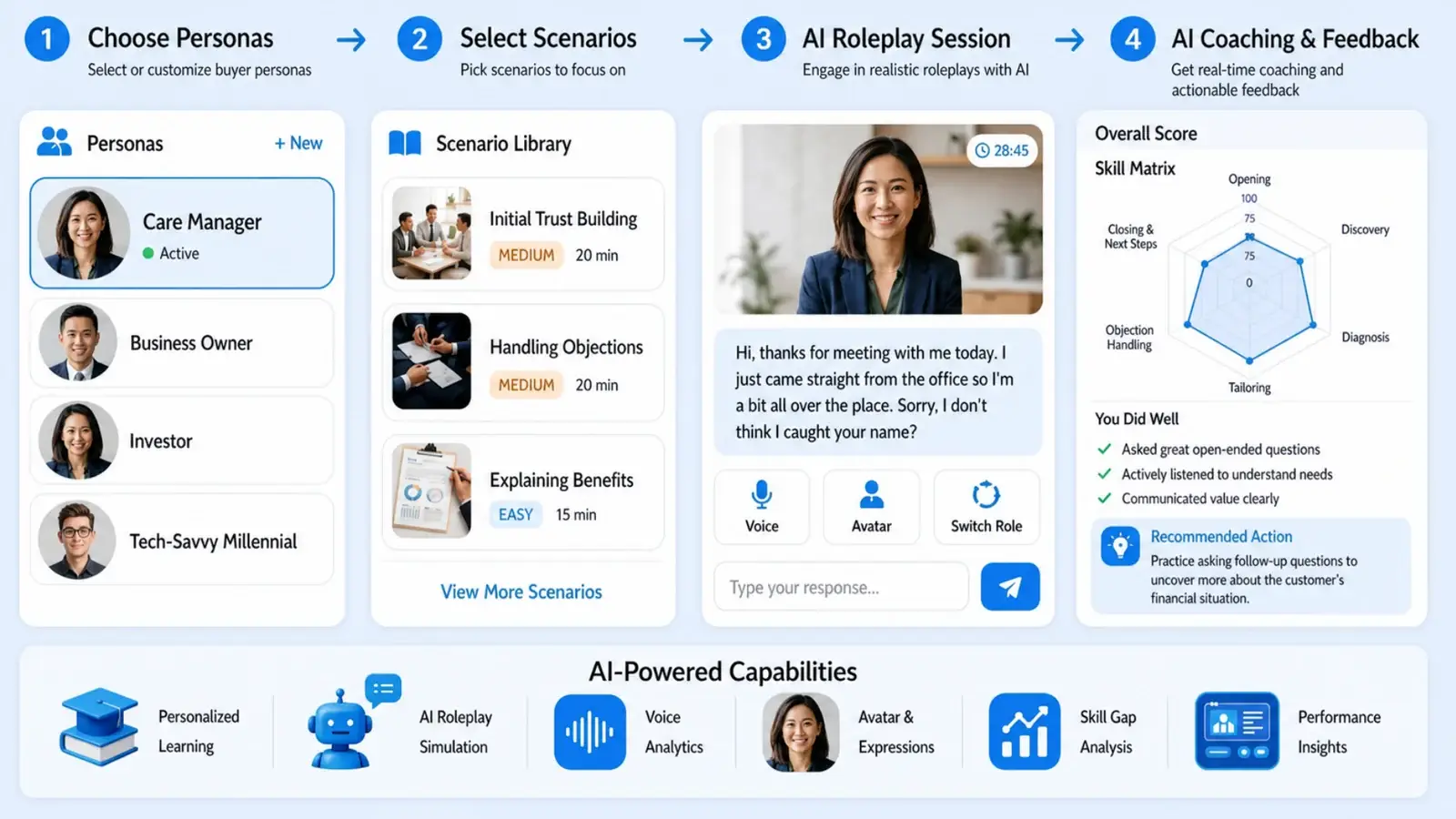
Sales roleplay AI creates simulated customer conversations that reps can practice by voice or text. A scenario can pause on a price concern, a request to delay, a competitor comparison, or a question about product fit. The rep responds, the simulated buyer reacts, and the system evaluates the interaction against selected criteria.
Practice the conversation, not just the talking points
A repeatable scenario lets a new rep try an opening several times, or lets an experienced rep rehearse a difficult objection before a renewal. Reps can experiment with questions and explanations without testing unfinished answers on a live prospect. Short sessions focused on one skill make practice easier to fit into a busy schedule.
Use feedback to guide another attempt
AI coaching is most useful when feedback points to behaviors a rep can change: did they clarify the buyer’s concern, acknowledge it, explain a relevant benefit, and check whether the answer addressed the issue? Specific feedback gives the learner a next attempt. Managers can use aggregated patterns to decide which topics need a team session.

Traditional manager led roleplay vs. AI roleplay practice
Both formats have a place in sales enablement. Human practice brings live judgment and follow up questions; AI practice makes it easier to repeat a defined scenario and rubric.
| Dimension | Manager led roleplay | AI roleplay practice |
| Availability | Scheduled with a manager or peer; practice competes with other work. | Repeatable practice is available when scenarios are configured. |
| Consistency | Feedback can vary by coach, even with shared guidelines. | One scenario and rubric can be reused, then calibrated by coaches. |
| Scenario range | Depends on coach experience and preparation time. | Personas and objections can be prepared for different roles and difficulty. |
| Feedback | Live discussion can probe reasoning and context. | Fast feedback supports another attempt; managers review nuanced calls. |
| Best use | Discuss real deals, judgment, and sensitive coaching. | Repeat core scenarios and identify patterns for coaching. |
Use AI practice for repetition and manager led sessions for nuance, deal context, and coaching conversations. A blended program can give reps more chances to rehearse while preserving the human feedback that turns a score into a useful lesson.
Build objection practice into enterprise learning
Start with evidence from customer conversations
Collect objections from approved call reviews, coaching notes, win loss analysis, and product teams. Group similar concerns, then separate questions that require product education from those that require discovery or commercial judgment. Remove names, customer records, and confidential deal terms before scenarios enter training. This keeps practice grounded in sales situations without exposing buyer details.
Design a clear scenario
Specify the persona, context, objection, difficulty, and learning goal. For example, a buyer comparing a renewal price with a competitor should give the rep a chance to ask what is included, identify the decision criterion, and respond with approved information. Build both straightforward and ambiguous cases so reps learn to ask before answering.
Score observable behaviors
Score observable choices rather than accent or personality. A rubric might track whether a rep clarified the issue, linked a response to the stated need, avoided unapproved promises, checked for resolution, and agreed on a next step. Review sample outputs with experienced coaches to confirm the rubric rewards sound selling and compliant language.
Assign practice through an LMS for large enterprises
An LMS for large enterprises can assign practice by role, product, region, or onboarding stage, while preserving completion records. Sales roleplay AI supplies the interaction and feedback layer. Keep course completion, scenario attempts, and demonstrated skill as distinct measures; completing a simulation is not the same as showing readiness.
Keep managers in the coaching loop
Use practice results to prepare manager conversations, not replace them. Managers can listen to a sample attempt, ask why the rep chose a response, and connect the skill to a live opportunity. Escalate feedback that conflicts with product policy or coaching standards, then adjust the scenario or rubric before assigning it widely.
Measure readiness beyond one score
A single score rarely describes a complex sales interaction. Combine practice completion with rubric results, manager observation, and whether reps apply the target behavior in reviewed calls. Track changes by cohort and scenario, and check how often managers need to correct automated feedback. Tie these indicators to business outcomes only when the measurement design supports that analysis. This makes sales enablement tools useful for diagnosing skill gaps, not promising a predetermined revenue lift.
Frequently asked questions
What objections can AI roleplay simulate?
It can practice price, timing, competitor, product fit, and approval questions when the scenarios reflect real customer conversations. Include industry rules and approved product information in the design.
Does AI roleplay replace a sales manager?
No. It creates additional practice opportunities and structured feedback. Managers still coach judgment, interpret context, and decide whether a rep is ready for a customer interaction.
How does AI roleplay fit with an LMS for large enterprises?
The LMS can organize learning paths and completions; roleplay adds conversation practice and feedback. Define how assignments, results, and human review fit together before rollout.
Conclusion
AI sales training software can scale objection practice with realistic scenarios, repeated attempts, and feedback tied to observable behaviors. Build the program around approved scenarios, clear criteria, and manager review. An LMS for large enterprises can organize who practices what; AI roleplay can turn that assignment into a conversation reps can rehearse. For teams looking to put this approach into practice, TMA Solutions offers AI Sales Roleplay & Simulation, a structured environment for realistic customer conversations and objection handling, with AI feedback and progress insights.