Modern consumers leave an extensive trail of digital footprints every day. They browse products on mobile apps during their morning commute, save items to wishlists, read reviews, and interact with marketing campaigns. Yet, many businesses still struggle to anticipate what their shoppers actually want next, relying on retrospective reports that only explain customer churn after it has already happened.
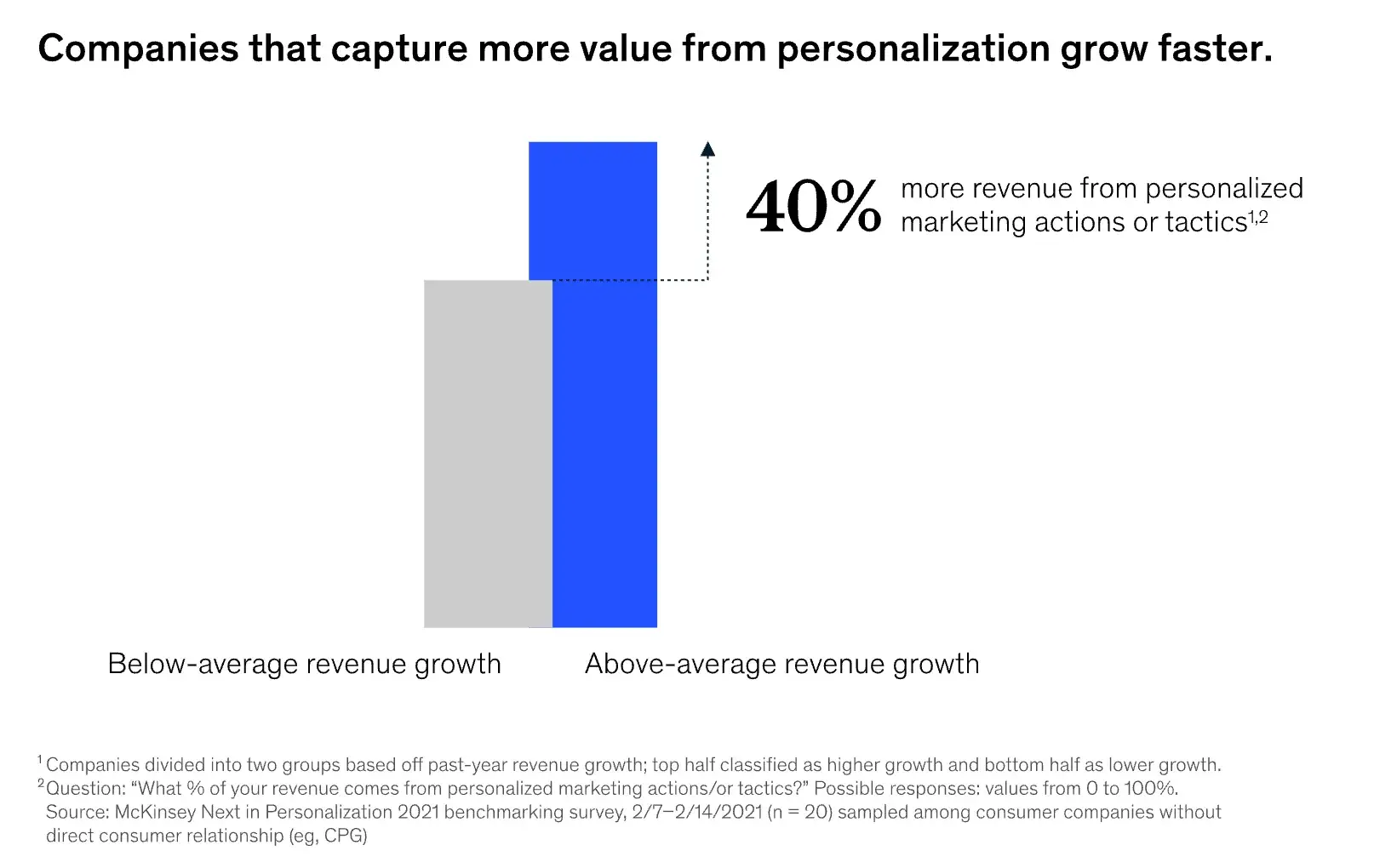
According to research by McKinsey & Company, companies that successfully excel at personalization generate 40% more revenue from those activities than their slower-growing peers. True personalization, however, is impossible without foresight. To capture this growth, forward-thinking enterprises are shifting away from lagging historical metrics and turning to AI-powered customer behavior prediction, transforming real-time behavioral data into immediate, revenue-driving actions.
Core Concept of AI-Driven Predictive Analytics
Customer behavior prediction using AI is an analytical framework that leverages Machine Learning (ML), Deep Learning, and Natural Language Processing (NLP) to uncover hidden patterns within massive, complex datasets. Rather than treating customer data as static records, predictive AI treats every click, scroll depth, dwell time, add-to-cart action, support chat sentiment, and order interval as continuous behavioral signals.
According to research by Gartner and Harvard Business Review, predictive models shift customer analytics from descriptive ("What happened?") and diagnostic ("Why did it happen?") to predictive ("What will happen next?") and prescriptive ("What action should we take right now?").
At its core, the system operates across three fundamental predictive engines:
- Propensity & Intent Modeling: Algorithms evaluate live browsing signals against millions of historical user paths to calculate the exact probability of a visitor completing a purchase within a specific timeframe.
- Early-Warning Churn Detection: Machine learning flags subtle signs of customer fatigue—such as expanding intervals between purchases or declining app sessions—long before a user cancels an account or uninstalls an app.
- Customer Lifetime Value (pCLV) Forecasting: Regression and deep-learning models predict the total future revenue a customer will generate, helping businesses identify high-value VIP segments on day one.
By connecting these predictive signals directly to execution channels (such as automated email triggers, app push notifications, or dynamic web displays), the business operates as an intelligent system that automatically delivers the right incentive at the exact moment of highest intent.
Traditional Analytics vs. AI-Powered Behavior Prediction
Comparison Criteria | Traditional Customer Analytics | AI-Powered Behavior Prediction |
Data Focus | Historical data (what happened last month or quarter) | Forward-looking data (what the customer will do next) |
Analysis Speed | Periodic, batch processing taking days or weeks | Real-time processing updating customer scores instantly |
Segmentation | Broad, static groups (e.g., age, gender, general location) | Dynamic micro-segments based on live behavioral intent |
Action Trigger | Reactive campaigns after a customer stops buying | Proactive engagement before churn or cart abandonment happens |
Personalization | Generic rules and blanket promotional discounts | Dynamic recommendations tailored to individual preferences |
Strategic Benefits of Predicting Customer Behavior with AI
Implementing predictive models helps businesses reduce customer acquisition costs, protect revenue streams, and improve day-to-day operational efficiency.
Proactive Churn Prevention and Higher Retention
AI identifies early warning signs of customer disengagement—such as declining app visits, longer intervals between orders, or negative customer support sentiment. Instead of waiting for a subscription cancellation or account inactivity, the system automatically alerts marketing teams to trigger targeted re-engagement campaigns or tailored loyalty perks, keeping retention rates high.
Smarter Personalization and Higher Average Order Value
When algorithms understand what a customer is likely to purchase next, recommendation engines can suggest relevant add-ons and upgrades in real time. This dynamic personalization removes browsing friction, cuts down abandoned shopping carts, and significantly increases average order value (AOV) across both websites and mobile applications.
Efficient Marketing Budget Allocation
Predictive scoring calculates the Customer Lifetime Value (CLV) and conversion probability for each lead. Marketing teams no longer need to spend budget uniformly across their entire audience; instead, they can focus ad spend and premium incentives on high-value customers who show the strongest intent to buy.
TMA Application: AI Customer Intelligence Platform
TMA developed an end-to-end AI-Powered Customer Data & Intelligence Platform (CDP) that unifies touchpoints and delivers real-time behavioral forecasts for e-commerce and retail clients.
Unifying Data Streams into a 360-Degree Profile
TMA’s engineering teams build custom data pipelines that gather customer interactions from point-of-sale (POS) systems, mobile apps, e-commerce storefronts, and CRM databases into a centralized cloud repository. The platform continuously cleanses and matches customer IDs across channels, creating a single, updated profile that tracks individual engagement history without data silos.
Predictive Machine Learning in Action
Once data is unified, TMA deploys specialized machine learning models designed for practical business outcomes:
- Predictive Churn Scoring: Algorithms evaluate customer engagement scores and flag accounts at risk of dropping off, automatically sending retention incentives through email, SMS, or app notifications.
- Next-Best-Action Recommendation Engine: The system analyzes cross-selling patterns across thousands of similar users to suggest the most relevant product or service at the exact moment a shopper opens an app or approaches checkout.
- Store Analytics Integration: By combining digital customer models with computer vision data from in-store cameras, TMA helps brick-and-mortar retailers align shelf arrangements and staff schedules with predicted peak foot traffic.
Conclusion
Predicting customer behavior using AI has transformed customer relationship management from a reactive guessing game into an exact, proactive strategy. By connecting data streams, anticipating shopper intent, and automating personalized responses, businesses can resolve customer pain points before they lead to lost sales. Partnering with established software engineering providers like TMA Solutions and TMA Innovation allows enterprises to deploy reliable predictive architectures quickly, ensuring higher retention, lower operational waste, and sustainable revenue growth.