Custom health app development is the process of building tailor-made digital solutions based on each organization’s workflow and data. These solutions create a modern healthcare experience, connecting providers, patients, and systems, while meeting strict medical standards.
With strong technical expertise and deep healthcare experience, TMA Solutions is a trusted partner for developing and delivering these advanced applications.
1. What is Digital Health Solutions?
Digital health solutions use technology to improve healthcare services. They integrate information technology into every stage from prevention, diagnosis, and treatment to disease management. The goal is to support both patients and healthcare providers.
These solutions offer tools for remote monitoring, better access to medical services, and data-driven decision-making.
Common examples include:
- Telemedicine – online medical consultation and care
- Mobile health apps – apps for tracking and managing personal health
- Wearable devices – tools to monitor daily health indicators
- Electronic Health Records (EHRs) – digital systems for storing and sharing medical information

2. Why Custom Apps are the Future of Patient Care
Custom-built solutions allow businesses to bring their real-world workflows to digital platforms (Workflow → Data → Insight → Action). They ensure flexible customization, regulatory compliance, and seamless integration with existing systems.
2.1. For Healthcare Providers & Organizations
Custom healthcare solutions help medical organizations optimize operations, improve decision-making, and enhance patient care quality.
- Optimize workflow & reduce paperwork: Digitize processes like registration, scheduling, and record-keeping to minimize manual tasks, improve system connectivity (EHR, PACS, payment), and save time and operational costs.
- Support diagnosis & clinical decisions: Combine sensor data (RPM) with CDS algorithms to detect abnormalities early, prioritize treatment, and allocate resources effectively.
- Extend care beyond hospitals: Telehealth and remote monitoring solutions enable patient tracking between visits, reduce hospitalization needs, and ensure continuous care.
- Data management & compliance: Built with a “secure by design” approach, integrating encryption, access control, and activity logs to reduce risks, protect data, and ensure system security.

2.2. For Patients
Smart healthcare applications make it easier for patients to access healthcare services in a more convenient, proactive and personalized way.
- Easy access to doctors: Telehealth solutions reduce waiting time and remove distance barrespec – especially useful for patients with chronic conditions or those living in remote areas.
- Active health monitoring: Apps connect with personal devices (blood pressure, glucose meters, etc.) to record data, send reminders, and provide recommendations for better treatment and reduced hospitalization risks.
- Save time and costs: Remote consultations and monitoring help minimize hospital visits, detect early warning signs, prevent complications, and lower long-term medical expenses.
3. What Patients Actually Expect: 4 Key Market Needs for 2026
As healthcare technology continues to advance, patient expectations are evolving rapidly. By 2026, the healthcare market will focus on four core needs, reflecting the growing demand for a more convenient, secure, and personalized care experience.
3.1. Personalized Health Insights and Recommendations
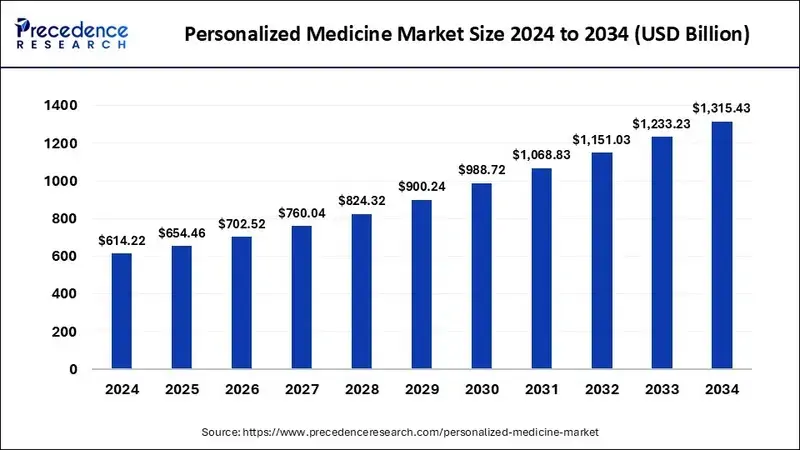
According to Precedence Research, the personalized medicine market is expected to grow rapidly – from about USD 654.46 billion in 2025 to USD 1,315.43 billion by 2034.
This trend reflects a clear shift in user expectations: people want tailored recommendations for nutrition, exercise, and medication based on their profiles, behaviors, and wearable data.
Therefore, a successful healthcare application must integrate AI to transform raw data from wearables into actionable, highly personalized health insights.
3.2. Seamless Telehealth and Virtual Care
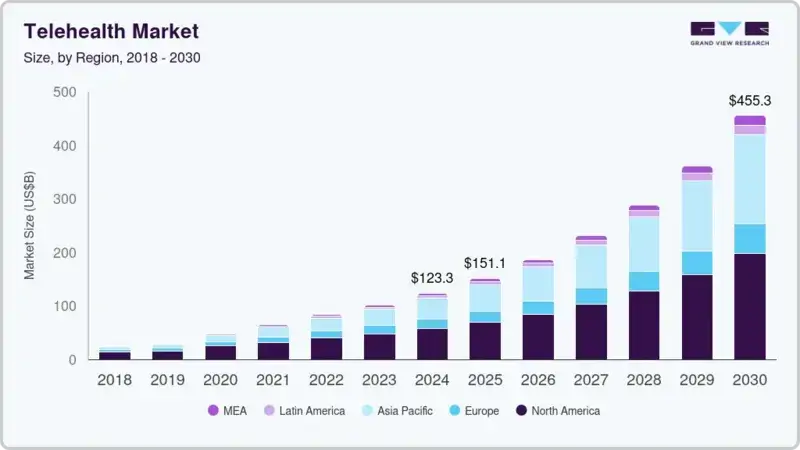
According to Grand View Research, the global telehealth market is valued at around USD 123.26 billion in 2024 and is expected to reach USD 455.27 billion by 2030, growing at a CAGR of 24.7%.
This rapid growth is driven by rising patient expectations for a seamless remote care experience, from appointment booking and video consultations to e-prescriptions and post-visit follow-ups.
Therefore, digital health solutions should prioritize telehealth integration as a core feature, ensuring smooth and uninterrupted connectivity throughout the entire care process.
3.3. Deep Integration with IoMT Devices
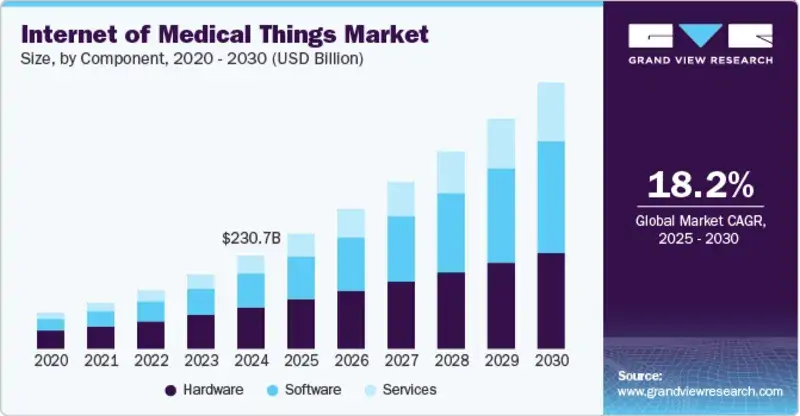
According to Grand View Research, the Internet of Medical Things (IoMT) market is booming - estimated at around USD 230.69 billion in 2024 and projected to exceed USD 2.29 trillion by 2034 as remote patient monitoring (RPM) and wearable devices become mainstream.
This trend shows that patients want to deeply connect their home medical devices (blood pressure monitors, glucose meters, SpO₂ sensors, ECGs) for continuous tracking and early alerts.
Therefore, a modern healthcare application must be device-agnostic and capable of real-time IoMT data processing to deliver instant and meaningful value.
3.4. Robust Security and Data Privacy
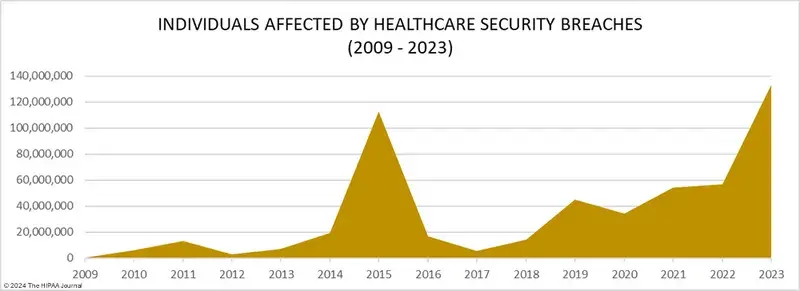
According to The HIPAA Journal, in 2023 alone, about 133 million medical records were exposed in data breach incidents - and the list continues to grow.
User trust begins with security. Patients expect strong protection measures such as end-to-end encryption, access control, and transparency in AI usage (for example, an option to not store personal data).
Compliance with standards like HIPAA and adopting a “secure by design” approach – embedding security from the very first stage of development, are mandatory requirements for any healthcare application.
4. Common Types of Healthcare Apps on the Market
The digital healthcare market is highly diverse but can generally be divided into three main categories. Each category is designed to serve a different group of users - patients, doctors/clinics, and large healthcare organizations.
4.1. Patient-Facing Applications
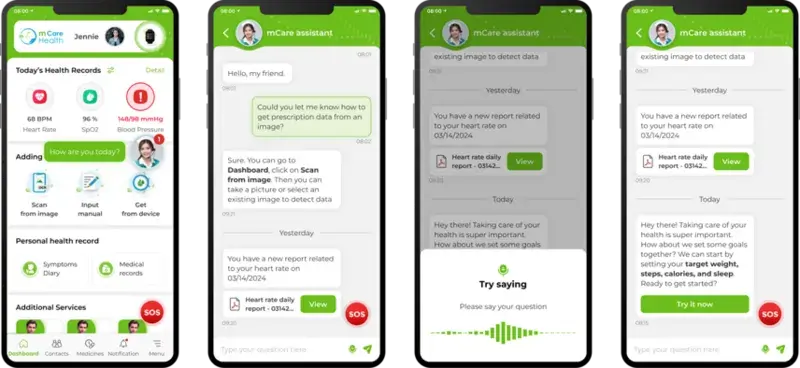
This is the most common group of applications, focusing on providing tools for direct health tracking and management to end users.
- Wellness Apps: These apps focus on preventive health. They help users track daily metrics such as physical activity (exercise, step count), sleep quality, nutrition, and mental well-being. (Examples: MyFitnessPal, Headspace, Strava).
- Chronic Disease Management Apps: Designed for patients with long-term conditions such as diabetes, cardiovascular diseases, or asthma. They help monitor vital signs (blood sugar, blood pressure), provide medication reminders, and share data with healthcare providers.
4.2. Provider-Facing Applications
This group of applications serves as daily work tools for doctors, nurses, and administrative staff, helping them optimize clinical tasks and operational management.
- EHR/EMR Apps (Electronic Health Records): Mobile versions of electronic health record systems that allow doctors to access patient history, view lab results, prescribe medications, and update treatment plans directly from a smartphone or tablet.
- Practice Management Apps: Software that automates key administrative tasks in clinics - managing appointment scheduling, billing, and insurance processing efficiently.
- Clinical Reference Tools: Mobile medical libraries that help physicians quickly look up information about drugs, interactions, symptoms, and the latest treatment guidelines.
4.3. Hospital & Enterprise-Level Apps
These are large-scale and complex solutions designed to manage operations and enable data interoperability across entire healthcare organizations.
- Hospital Management Systems (HIS/HMS): Solutions that manage the full range of hospital operations, including bed management, finance, medical supplies, and human resources, while integrating with other specialized systems such as LIS and PACS.
- Health Information Exchange (HIE): Foundational platforms that act as intermediaries, allowing hospitals, clinics, and laboratories using different software systems to securely share patient data, giving doctors a comprehensive view of each patient’s health record.

5. The 6-Step Development Process: From Idea to Launch
5.1. Step 1: Discovery Phase & Market Research
Goal: Define the Minimum Viable Product (MVP) scope that meets real market needs while complying with the complex regulatory requirements of the healthcare industry.
Deliverables:
- Product Vision Map and Use-Case Scenarios
- Core MVP scope with success KPIs
- Preliminary compliance framework (e.g., HIPAA/GDPR, SaMD scope, FHIR standards)
- Feasibility brief covering technical aspects and integration capability with systems like EHR/HIS
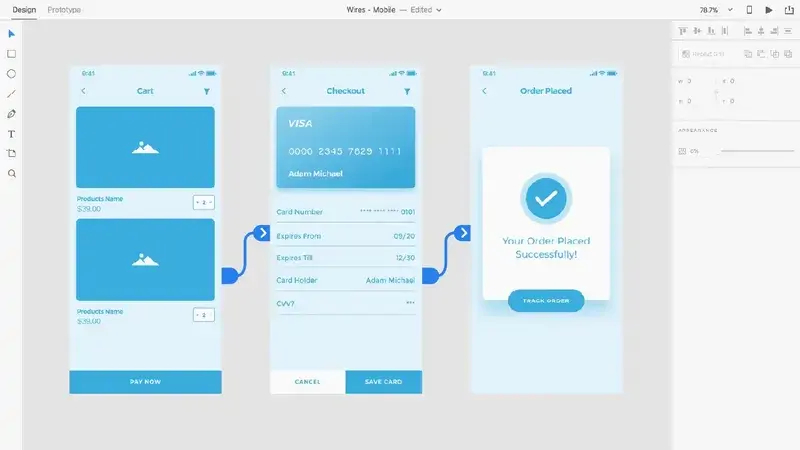
5.2. Step 2: Prototyping and UI/UX Design
Goal: Create an interactive prototype to validate and refine the user experience for both patients and healthcare professionals.
Deliverables:
- Detailed Information Architecture (IA) and User Flows
- Wireframes and Interactive Prototype (commonly built in Figma) with accessibility guidelines
- A complete Design Handoff Package ready for the development team
5.3. Step 3: Agile Development & Integration
Goal: Develop core features in short, agile sprints, ensuring clean, secure code and readiness for integration with other systems.
Deliverables:
- Sprint Plan with clearly defined User Stories
- Modular codebase and secure APIs
- Integration capability with specialized systems such as FHIR APIs, medical device SDKs, and payment or insurance gateways
5.4. Step 4: Comprehensive Testing & Compliance Checks
Goal: Ensure the application is error-free, highly secure, and fully compliant with healthcare regulations before launch.
Deliverables:
- A comprehensive testing suite including unit, integration, performance, and battery/network tests
- Security testing reports (SAST/DAST, penetration tests) and data encryption verification
- A complete Compliance Pack, including risk assessment (ISO 14971) and sensitive data mapping (PHI)
5.5. Step 5: Deployment & Implementation
Goal: Launch the application on App Store/Play Store and ensure a secure, stable, and scalable infrastructure for operation.
Deliverables:
- A complete CI/CD pipeline for automated deployment
- App Store/Play Store listings with security and privacy labels
- Encrypted Infrastructure as Code (IaC) and a detailed Runbook for
5.6. Step 6: Post-Launch Support & Evolution
Goal: Ensure the application runs smoothly and reliably, with continuous improvements and optimizations based on real user data.
Deliverables:
- Defined Service Level Agreements (SLAs) and incident response procedures
- Product analytics reports to guide the feature development roadmap
- Security maintenance plan (patching, periodic audits) and a scalability plan for future growth

6. Navigating the Maze of Compliance & Regulations
Developing a healthcare application requires strict compliance with complex regulatory standards. Below are the key frameworks that every organization should understand and follow:
6.1. Understanding HIPAA & HITECH (For the US Market)
HIPAA (Privacy & Security Rules): The core U.S. regulation that protects Protected Health Information (PHI). It applies to healthcare providers and their business associates, requiring strict technical, administrative, and physical safeguards.
HITECH Act & Breach Notification: An extension of HIPAA that enforces data breach notification requirements. Organizations must inform affected individuals and the U.S. Department of Health and Human Services (HHS) in the event of a PHI data breach.
NIST Implementation Framework: The National Institute of Standards and Technology (NIST) provides technical guidelines (e.g., SP 800-66r2) to help organizations implement HIPAA Security Rule requirements effectively and practically.

6.2. Adhering to GDPR (For the European Market)
Scope & Core Principles: The GDPR protects the personal data of individuals in the European Union (EU). It requires organizations to have a legal basis for processing data and to grant users fundamental rights such as access, deletion, and objection.
Data Transfer Outside the EU: GDPR imposes strict rules on cross-border data transfers. Companies must use legal mechanisms such as Standard Contractual Clauses (SCCs) to ensure compliance.
Application Requirements: Healthcare applications must adopt the “Privacy by Design” principle, embedding privacy into every stage of development and conduct a Data Protection Impact Assessment (DPIA) for any high-risk data processing activities.

6.3. Other Key Standards (FDA, PIPEDA, NIST)
FDA (Software as a Medical Device - SaMD): This regulation applies when the software itself is considered a medical device. The FDA classifies software risk levels based on how much the product influences clinical decision-making by healthcare professionals.
PIPEDA (Canada): Canada’s Personal Information Protection and Electronic Documents Act governs personal data protection in the private sector. It requires organizations to obtain valid user consent, implement adequate safeguards, and allow users to access and correct their data.
NIST Cybersecurity Framework (CSF 2.0): A voluntary cybersecurity risk management framework built on five pillars – Identify, Protect, Detect, Respond, and Recover. It serves as a standard playbook to help healthcare organizations establish a strong and resilient security posture.

7. How to Choose the Right App Development Partner?
With hundreds of software vendors in the market, finding the right partner requires careful evaluation of their technical expertise and industry experience.
Below are four key criteria every business should consider:
7.1. Verify Industry Experience & Portfolio
Healthcare is a complex domain, and working with a partner who has real industry experience makes a significant difference. Such partners understand clinical workflows and sector-specific challenges, helping you reduce risks and build targeted, effective solutions.
You should request:
- Relevant case studies in your domain (e.g., Telehealth, RPM/IoMT, SaMD, or FHIR integration)
- A clear description of their role in each project (end-to-end delivery or partial involvement)
- Performance metrics demonstrating results (e.g., % reduction in processing time, % user adoption rate)

7.2. Assess Technical Proficiency & Security Focus
Technical expertise reflects a partner’s ability to choose the right technologies, design a flexible system architecture, and resolve challenges efficiently during development. A technically strong partner ensures the product runs smoothly, scales easily, and reduces long-term maintenance costs.
You should request:
- Proven skills in data architecture and device integration (SDKs)
- A detailed description of security controls, including data encryption (at rest/in transit), role-based access control (RBAC), and secret management
7.3. Confirm Expertise in HIPAA/GDPR Compliance
Healthcare applications often collect, store, and process personal data such as medical records, lab results, and payment information. If not properly protected, this data can be exposed, leading to serious legal, reputational, and financial consequences.
- HIPAA (Health Insurance Portability and Accountability Act) sets strict rules for how U.S. organizations handle Protected Health Information (PHI) – including encryption, access control, activity logging, and breach reporting.
- GDPR (General Data Protection Regulation) the EU’s privacy law, requires companies to be transparent about how they collect, use, and store personal data, while granting users full control over their information
You should ask:
- How do they handle sensitive data (PHI/PII) and manage user consent?
- Can they demonstrate expertise in HIPAA/GDPR compliance, proving they understand both technical and legal requirements in healthcare data protection?

7.4. Evaluate Post-Launch Support & Maintenance Plan
App development is only the beginning. After launch, the product must be regularly updated to fix bugs, enhance features, maintain security, and stay compatible with changing platforms and integrated systems. Without a clear maintenance plan, the app can quickly become outdated, insecure, or experience service interruptions.
You should request:
- A detailed maintenance plan, including update frequency, incident response process, and response time commitments.
- Proof of post-launch operational capability, such as a 24/7 support team, performance monitoring procedures, and system scalability.

8. Why Partner with TMA Solutions?
8.1. About TMA Solutions
Founded in 1997, TMA Solutions is one of Vietnam’s most experienced and largest software outsourcing companies. With 28 years of operation, a team of over 4,000 engineers, and offices in seven countries, TMA provides end-to-end software development services and advanced Data/AI solutions for clients across more than 30 countries.
Technical Capabilities & Platforms:
- Data & AI End-to-End: Comprehensive solutions from Data Engineering (ETL/ELT, data lake/warehouse) to Analytics/BI, AI/ML, and Generative AI.
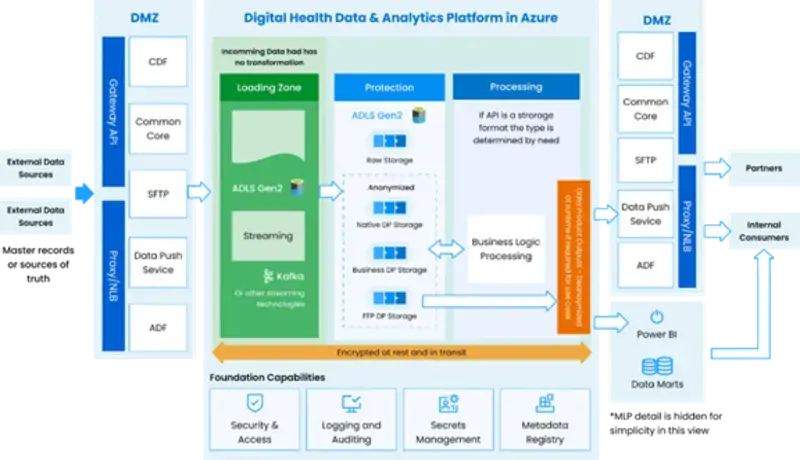
- Data Solution Center: A cloud-native, scalable framework optimized for real-time data processing and AI integration.
- IoMT & Edge AI: Experienced in integrating dozens of medical devices, deploying smart health kiosks, and running edge AI for camera-based analysis.
- Healthcare OCR/NLP: Developing automated data extraction solutions from prescriptions and medical records to reduce manual input.
Healthcare Domain Expertise:
- Telehealth & Patient Apps: Building remote care workflows, virtual assistants, and post-visit patient monitoring systems (RPM).
- Healthcare Analytics: Developing medical analytics platforms that consolidate data from multiple sources (including EHRs) and provide clinical dashboards.
- Security & Compliance: Implementing strict security frameworks (ISO 27001), Secure SDLC practices (SAST/DAST, penetration testing), and CMMI Level 5 quality management processes.

8.2. Relevant Case Studies
TMA’s capabilities are best demonstrated through real-world projects, such as:
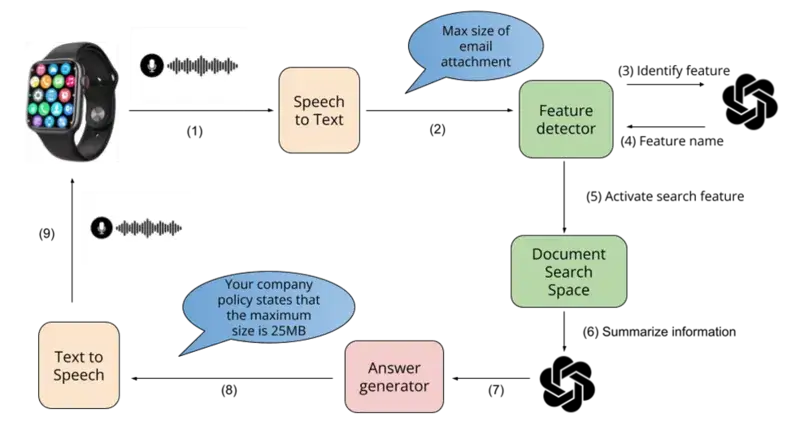
8.2.1. AI-Powered Personalized Health Insights
This solution provides personalized health summaries and alerts, helping patients stay informed and engaged in their care. As a result, it achieved a 30% improvement in treatment plan adherence among patients.
8.2.2. Telehealth Expansion for Better Access
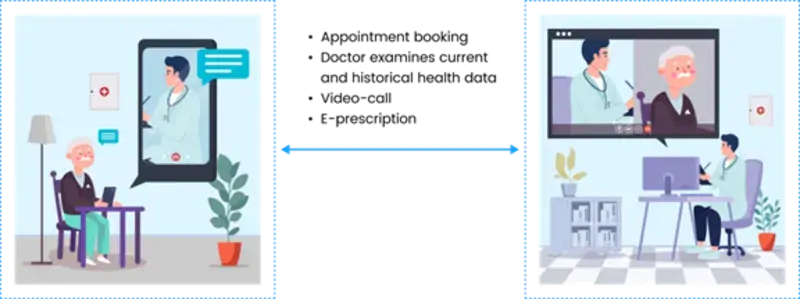
TMA developed a HIPAA-compliant Telehealth application supporting over 150 hospitals in Vietnam and Canada.
The solution offers virtual consultation and real-time patient monitoring, helping reduce emergency room visits by 60% and increase patient satisfaction by 35%.
8.2.3. IoMT Integration through Health Kiosks
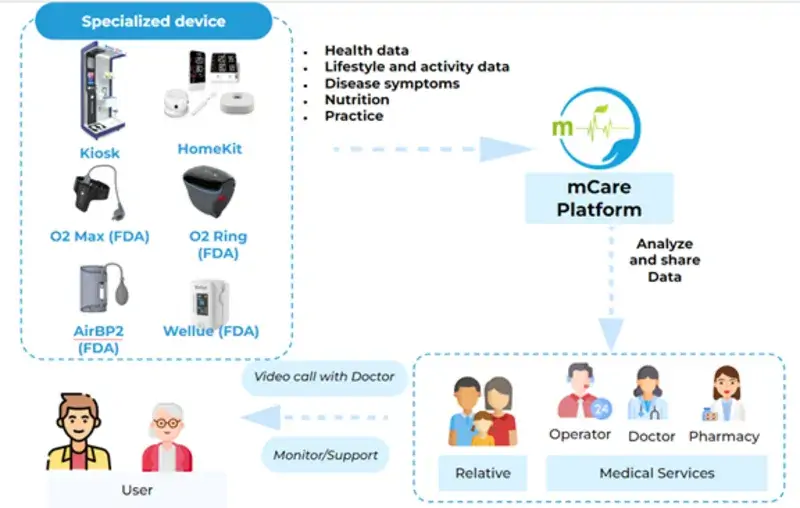
TMA developed a Health Kiosk solution for pharmacies, integrating IoMT devices that allow users to perform self-health checks and receive remote consultations.
The solution has been deployed in Vietnam and Australia, resulting in a 25% increase in preventive care participation.
8.2.4. Security and Compliance Frameworks
TMA integrated HIPAA-compliant security features – including encryption, real-time breach detection, and role-based access control – into its healthcare software solutions. These measures helped clients reduce data breach risks by 40%.
9. Frequently Asked Questions (FAQs) about custom health app development
Below are some frequently asked questions (FAQs) that help clarify the development and classification of digital healthcare applications:
Q1: What are the most popular types of health apps?
The most common and fast-growing types of digital health applications today include:
- Telehealth & Virtual Care: Platforms for remote medical consultations and treatment.
- Remote Patient Monitoring (RPM): Solutions for tracking patient health remotely, often integrated with IoMT devices or wearables.
- Chronic Disease Management: Apps that help manage long-term conditions such as diabetes or cardiovascular diseases.
- Wellness & Mental Health: Apps focused on lifestyle, nutrition, and mental well-being.
- Patient Portals & EHR Access: Portals that allow patients to access their electronic health records (EHRs) securely.
- Medication Adherence: Apps designed to remind and monitor medication compliance.
Q2: What is the difference between a wellness app and a medical app?
The key difference lies in purpose and risk level.
- Wellness Apps: Aimed at promoting healthy lifestyles (e.g., tracking nutrition, exercise, or sleep). They do not claim medical purposes and pose low risk, so they are not strictly regulated by the FDA.
- Medical Apps (SaMD): Designed for medical purposes such as diagnosis, treatment, or disease mitigation. These are classified as Software as a Medical Device (SaMD) and must comply with strict FDA regulations.
Q3: How much does Digital Health Solutions cost?
The cost of developing a custom digital health solution can vary significantly depending on its complexity and compliance requirements. Below is a general estimate:
- Wellness App (Simple MVP): Typically ranges from $30,000 – $120,000.
- Complex Applications (Telehealth, RPM): May cost between $50,000 – $450,000+.
- Enterprise-Level Solutions (EHR/Healthcare Platforms): Usually start at $500,000+.

Building a successful digital healthcare application requires balancing user experience, robust technical architecture, and strict regulatory compliance with standards such as HIPAA and GDPR. Choosing a partner with proven experience across all three areas is essential to ensure your product operates securely and reliably.
With 28 years of experience and deep expertise in digital health, TMA Solutions is ready to help you transform your idea into a validated, secure, and scalable solution.
>> Contact our experts today for a consultation!
Contact information:
TMA SOLUTIONS - The leading Custom Health App Development Company in Vietnam. Email: sales@tmasolutions.com Website: https://www.tmasolutions.com/ Linkedin: TMA Solutions TMA Tower address: Street #10, Quality Tech Solution Complex (QTSC), Trung My Tay Ward, Ho Chi Minh City. |


.webp_2026-10-01-18-27-07-971.webp)
.webp_2026-10-01-18-17-11-290.webp)
.webp_2026-10-01-18-08-26-854.webp)
.webp_2026-10-01-17-47-32-240.webp)