AI virtual assistant – Smart choice for global businesses
AI virtual assistant is an AI software application that can understand and respond to natural language as well as helping users perform tasks automatically via voice or text. With an experienced engineering team and competitive development costs, Vietnam has become an attractive destination for global businesses looking to apply AI to improve customer experience and optimize operations.
1. Why global companies look for AI virtual assistant from Vietnam
With the wave of digital transformation, Vietnam is becoming a chosen destination for global businesses to develop AI virtual assistants due to the following key factors:
1 - Government Initiatives and Policies
The Vietnamese government considers AI a core factor in the national digital economy development strategy. The “National Strategy on AI Development by 2030” aims to make Vietnam a leading AI innovation center in the region, focusing on workforce training, data center development, and encouraging businesses to invest in practical applications like AI virtual assistants. Programs such as the Digital Transformation Program 2025 and AI4VN connect the public and private sectors, creating a favorable environment for tech companies to develop products for the international market.
2 - Thriving Tech Ecosystem
Vietnam’s technology ecosystem is growing strongly, with over 70,000 ICT companies and hundreds of AI startups working in natural language processing, data processing, and computer vision. Large corporations such as TMA Solutions, FPT, Viettel, and VNPT invest heavily in virtual assistant research and AI platforms serving global enterprises.
3 - Increasing Foreign Investment
Vietnam is attracting more foreign investment in high-tech fields, especially AI and automation. According to the Vietnam Innovation & Private Capital Summit 2025, investment in AI companies in Vietnam increased from about USD 10 million in 2023 to USD 80 million in 2024, an 8-fold increase from the previous year. Corporations from Japan, South Korea, Singapore, and the USA, such as SoftBank, Naver, and Samsung Ventures, collaborate with Vietnamese businesses to develop AI solutions for the global market.
4 - Industry 4.0 Vision
Vietnam aims to be a pioneer in the Fourth Industrial Revolution in Southeast Asia. The government actively promotes AI application in key sectors such as education, healthcare, finance, and logistics. Many virtual assistant pilot projects in both public and private sectors show the high potential of “Made in Vietnam” AI technology. This vision opens opportunities for Vietnamese tech companies to expand international collaboration and develop AI virtual assistant solutions that meet global market needs.
Thanks to supportive policies, a dynamic tech ecosystem, international investment, and a clear Industry 4.0 vision, Vietnam is becoming an ideal destination to develop AI virtual assistants for global businesses. The Vietnamese AI market is expected to grow over 20% per year, creating opportunities for offshore AI development that is both cost-efficient and high in quality and creativity.

Modern AI virtual assistant technology helps businesses optimize customer experience and improve operational efficiency.
2. Benefits of AI virtual assistant from Vietnam
Vietnam offers many competitive advantages for developing AI virtual assistants for the global market.
- Increasing operational efficiency and reducing repetitive work: AI virtual assistants developed in Vietnam help businesses automate processes and handle repetitive tasks such as data entry, answering FAQs, or scheduling. This not only reduces employee workload but also improves productivity and accuracy. When machines handle repetitive tasks, humans can focus on strategic and creative activities, optimizing overall efficiency.
- Improving 24/7 customer service quality: AI virtual assistants can respond instantly and operate continuously 24/7, maintaining customer interaction anytime, anywhere. With natural language understanding and learning from communication data, the system provides accurate, personalized answers to meet individual needs.
- Competitive cost and optimized local resources: Vietnam has a significant advantage in software development costs, allowing global companies to deploy AI virtual assistants with reasonable budgets while ensuring high quality. Experienced local engineers in AI, NLP, and RPA can customize solutions for different industries, fully leveraging local resources.
- Supporting Vietnamese language and local market suitability: AI virtual assistants developed in Vietnam can understand and process Vietnamese accurately, including context, regional accents, and natural expressions. This enables more friendly and close communication with local users. Moreover, with knowledge of local culture and consumer behavior, “Made in Vietnam” AI solutions can customize conversation scripts, tone, and interaction experience to suit each industry and customer group, providing high practical application effectiveness.
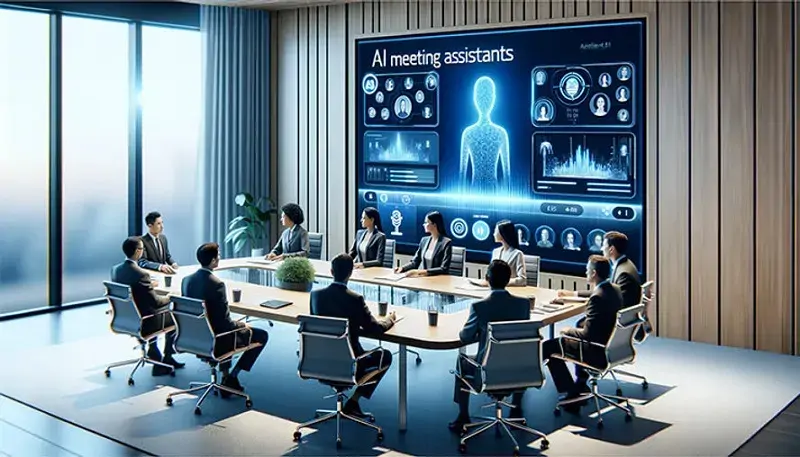
AI virtual assistants from Vietnam help optimize operations and enhance customer experience.
3. TMA Solutions’ expertise in AI virtual assistant development
With over 28 years of experience in technology and more than 4,000 software engineers, TMA Solutions has deep expertise in AI virtual assistant development.
TMA’s technical capabilities in AI virtual assistant development:
- Extensive AI/ML expertise: ~700 engineers specialized in AI/ML, ready to develop advanced virtual assistants.
- Modern R&D system: AI/ML, Big Data, IoT, and Cloud/DevOps research centers support testing and innovation.
- International-standard development process: RUP, CMMI Level 5, ISO 9001, ISO 27001, ensuring quality and security in every project.
- Practical AI development experience: Implement complex projects, multi-platform, multi-channel, and multilingual integration.
Reasons to choose TMA as a long-term partner:
- Comprehensive support: We offer a wide rang of services from consulting, design, development, testing, to continuous operation.
- International multi-industry experience: We have served clients from 30+ countries, helping them deploy various global projects.
- Commitment to AI trends: We have participated iin international AI programs like Vietnam Immersion Programme: AI 2025 to apply advanced technology.
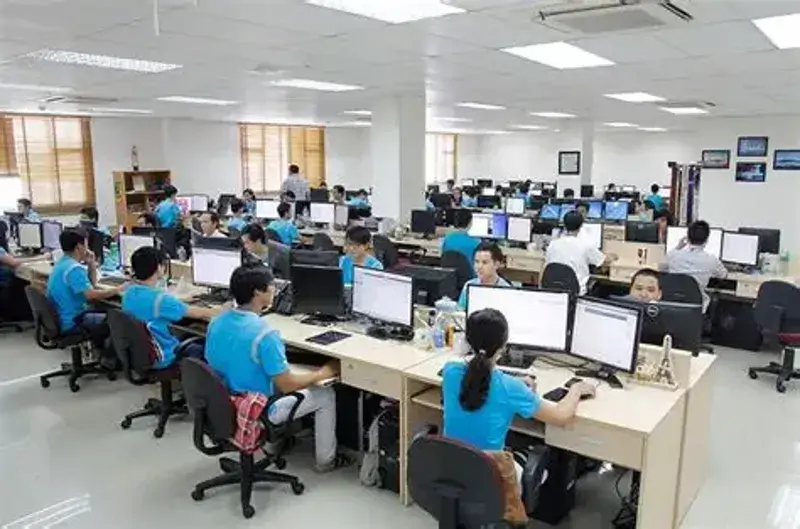
TMA Solutions – a pioneer in AI technology development.
4. How TMA builds AI virtual assistant
With experience in over 100 global AI projects, TMA Solutions applies a structured development process to ensure accuracy, customization, and stable performance for each client.
1 - Define requirements & domain-knowledge input
In the first stage, TMA works with businesses to clarify usage goals, business scope, and performance metrics. Engineers and analysts organize sessions to understand workflows, available data, and client expectations. TMA collects business documents, conversation scripts, call or text data, and identifies core intents and entities as the foundation for the language model in the next steps.
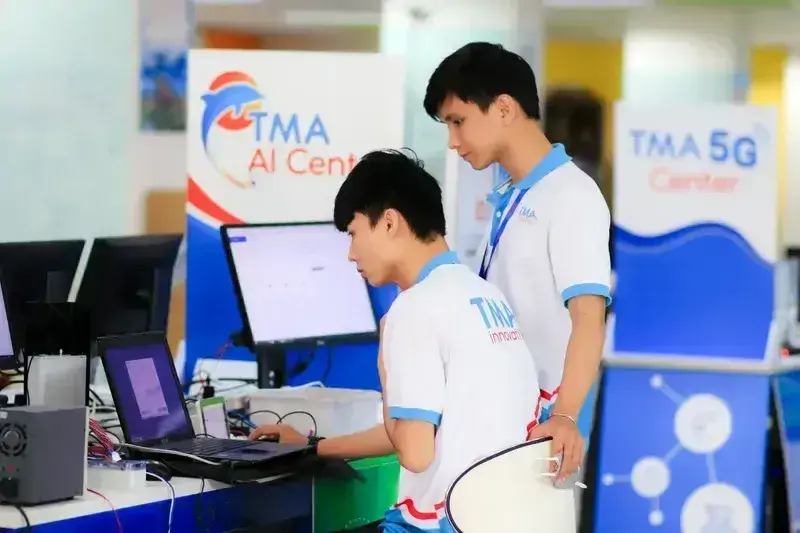
TMA engineers identify requirements and domain knowledge to design the AI virtual assistant.
2 - Design & modelling of the assistant
TMA designs conversation structures and processing diagrams to ensure logic and accurate responses. This includes building dialogue flows, defining intents and entities, designing exception handling scripts, and selecting suitable NLP/NLU technology. TMA also builds system architecture, security measures, and knowledge storage mechanisms to ensure stability and safety during operation.

TMA designs the virtual assistant model based on AI processes and architecture.
3 - Training & customisation
At this step, TMA processes and normalizes input data to train the language model. This includes fine-tuning parameters, improving intent recognition, and context analysis for accurate responses. TMA customizes reply style, tone, and content to ensure the virtual assistant reflects the client’s brand and communicates smoothly across multiple channels.
TMA trains and customizes the AI model so the virtual assistant can respond intelligently and appropriately.
4 - Integration with existing systems & channels
After training, TMA integrates the virtual assistant with existing systems such as CRM, ERP, ticketing, or internal knowledge bases via APIs and custom connectors. The assistant is deployed across websites, mobile apps, chat, and voice platforms to provide seamless user experience. Integration focuses on security, access control, and activity logging to optimize management.
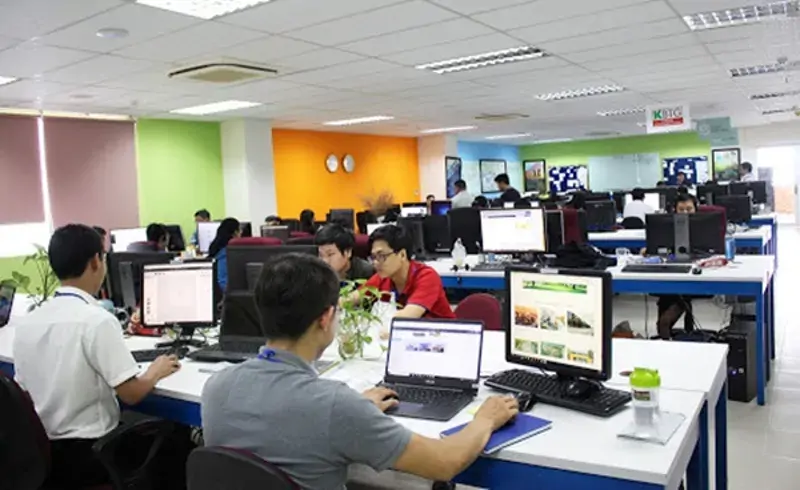
TMA integrates the AI virtual assistant into existing systems and communication channels.
5 - Testing, deployment & monitoring
Before official launch, TMA conducts multiple testing rounds to ensure system stability and accuracy. Tests include functional, conversation, performance, and security checks. Once standards are met, the assistant is deployed in staging and production environments with rollback plans. TMA also sets up real-time monitoring to track performance, response time, and accuracy, allowing timely issue handling
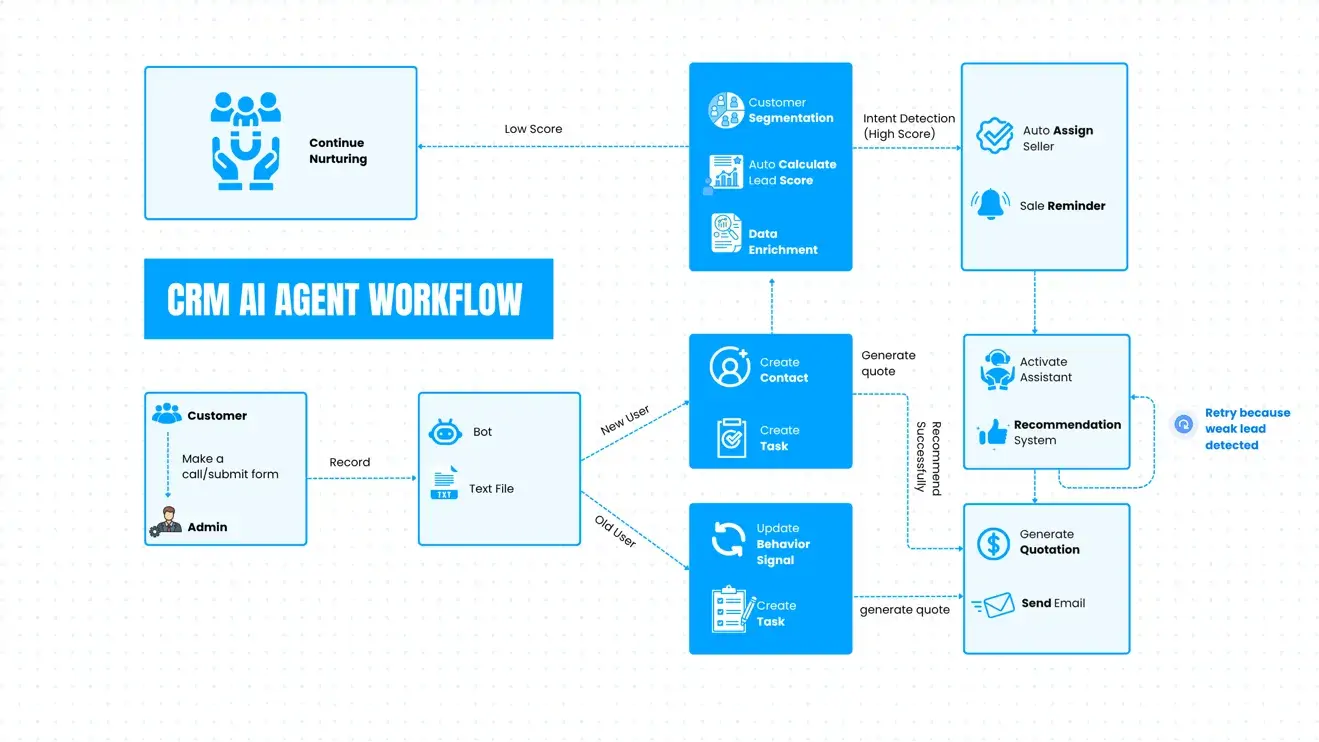
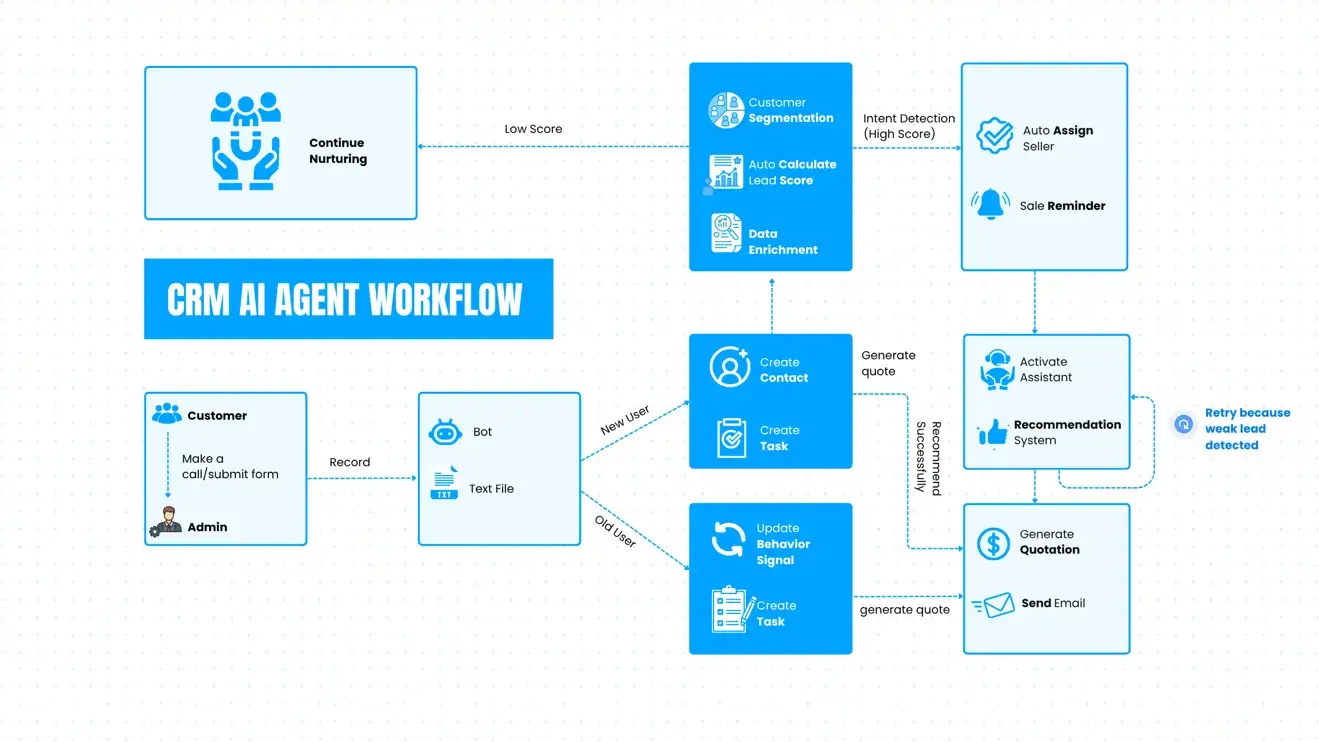
TMA’s AI Agent workflow diagram for testing, validation, and orchestration.
6 - Continuous improvement & scaling
TMA continues to support clients in improving the AI assistant model. Engineers analyze logs and user feedback to optimize training data and improve model accuracy. TMA also supports scaling applications, adding languages, increasing processing capacity, and expanding infrastructure automatically to ensure stability even with rapid user growth.
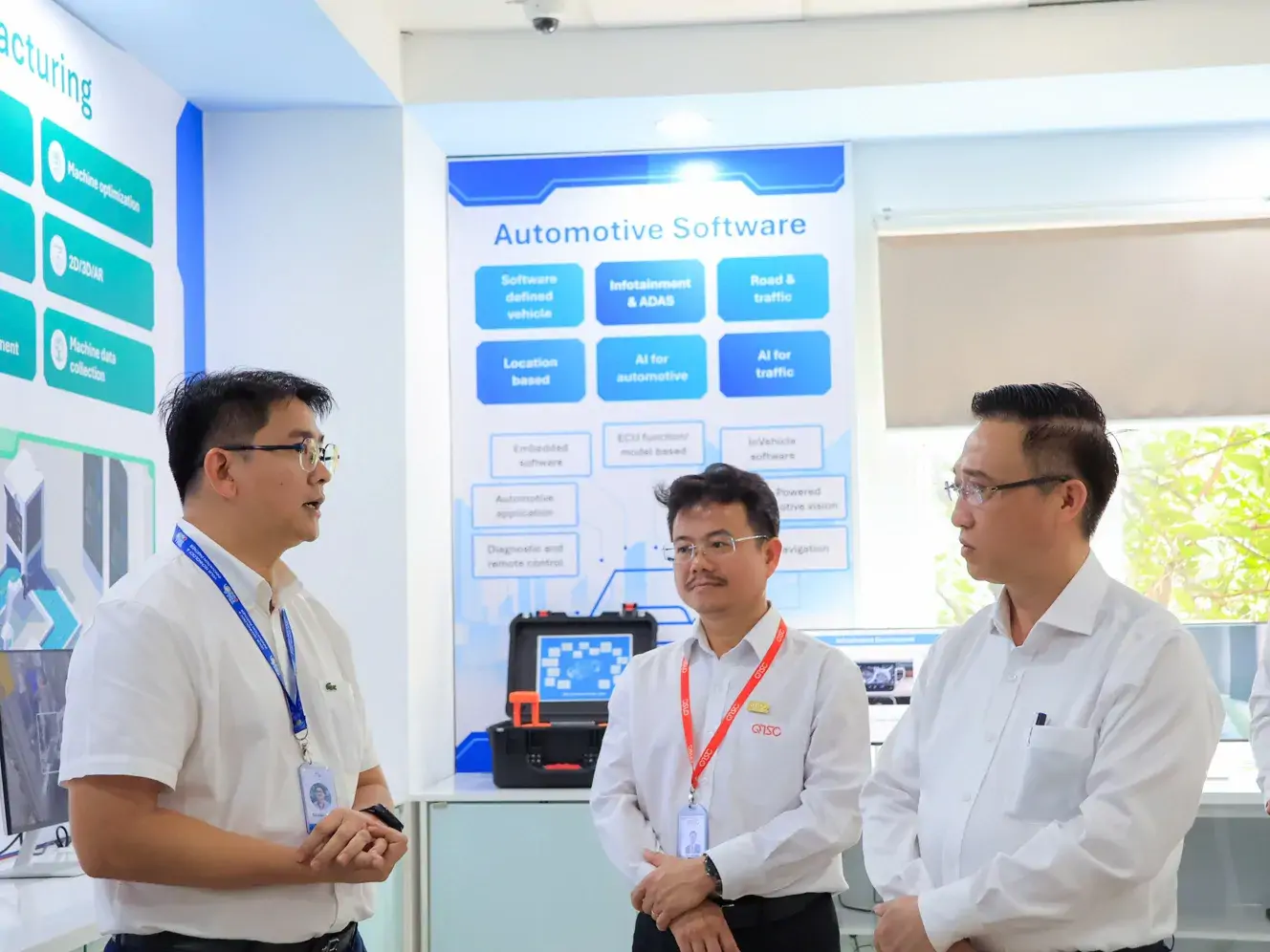
TMA continues improvement and scaling after the product is in operation.
5. Future outlook: The rise of Vietnam in Global AI Outsourcing
Vietnam is gradually affirming its position in AI outsourcing as a strategic destination for global businesses.
Global context and AI outsourcing demand: As global businesses push towards digitalization and automation, the demand for AI, ML, NLP, and big data analytics systems grows. This drives the search for new outsourcing destinations to increase flexibility and reduce costs compared to traditional hubs like India, the Philippines, and China. In Vietnam, the AI market is forecasted to reach USD 932 million in 2025, with a CAGR of 26.27% from 2025–2031, creating an attractive platform for AI outsourcing services.
Shift from traditional outsourcing to AI and high-tech services: From a familiar software outsourcing hub, Vietnam is moving to AI-focused services, including ML model development, big data processing, computer vision, and smart automation. The software/IT outsourcing industry reached USD 0.7 billion in 2024 and is expected to grow to USD 1.28 billion in 2028 (~17% per year), showing a shift toward higher-tech segments. International surveys rank Vietnam among Southeast Asia’s leaders in AI readiness, proving that the country is entering higher-value tech chains.
Vietnam’s advantages in AI outsourcing: Vietnam has a young, large workforce and many IT engineers who are skillful and inquisitive which offers a manpower advantage over other regional markets. The government also actively promotes national digital transformation and the AI strategy to 2030, creating favorable conditions for global business collaboration. The percentage of Vietnamese enterprises adopting AI rose from 13% in 2023 to 18% in 2024., equivalent to nearly 170,000 companies implementing AI-related activities, showing strong growth in both domestic market and workforce.
Challenges and points to note: Despite many advantages, Vietnam faces challenges in specialized workforce quality, especially for complex AI projects. Standardizing data, ensuring security, and integrating with international clients’ high-tech systems remain priority improvements. Vietnam must also compete directly with countries with more developed AI ecosystems.
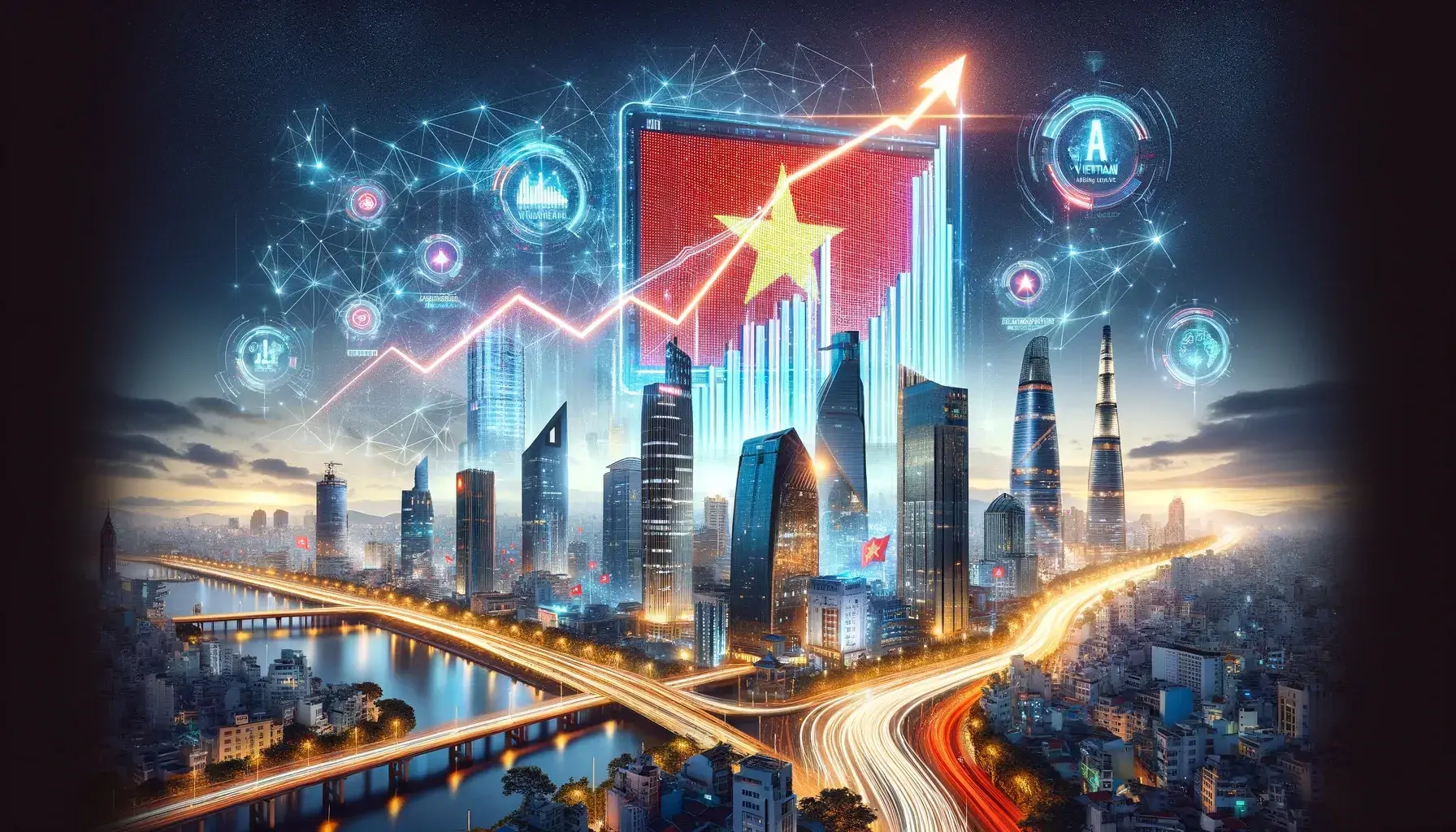
Vietnam is rising strongly in AI outsourcing thanks to fast digitalization, competitive tech workforce, and a growing tech ecosystem.
With skilled engineers and competitive costs, Vietnam is a potential destination for global businesses to develop an AI virtual assistant from Vietnam. As a pioneer, TMA Solutions has over 28 years of experience, 4,000 software engineers, and multiple R&D centers specializing in AI/ML, Data, and Cloud, successfully completing numerous international AI projects.
>> Contact TMA Solutions today to collaborate with Vietnam’s leading AI experts.
Contact information:


.webp_2026-10-01-18-27-07-971.webp)
.webp_2026-10-01-18-17-11-290.webp)
.webp_2026-10-01-18-08-26-854.webp)
.webp_2026-10-01-17-47-32-240.webp)