Enterprises operating in Vietnam are discovering that the problem with their learning programs is not content volume. It is relevance. Static course libraries and mandatory completion workflows are producing completion rates but not competency. As Gen Z becomes the majority of the workforce in finance, retail, and technology sectors, the demand for personalized and adaptive learning experiences is reshaping Vietnam enterprise e-learning solutions. This article examines why traditional platforms are losing ground and what the shift to AI-driven personalized learning means for Vietnamese enterprises investing in workforce capability.
Why Traditional Vietnam Enterprise E-Learning Solutions Struggle to Engage Modern Employees
The traditional enterprise e-learning model was designed primarily for compliance rather than capability building. It assumes all employees in the same role need identical content delivered at the same pace. While this approach works for regulatory audits, it falls short when the objective is to develop skills that genuinely improve job performance.
Completion Without Comprehension
Most enterprise learning management systems track engagement through time spent on platforms and module completion rates. However, these metrics do not reveal whether employees actually retain knowledge or can apply it in real work situations. The result is a workforce that meets annual training targets but shows little meaningful improvement in actual competency.
The Gen Z Engagement Gap
Most legacy enterprise learning systems measure success through superficial data streams: platform login duration and course completion rates. However, these metrics fail to capture real-time knowledge retention. Cognitive science indicates that without structured reinforcement, learners discard up to 70% of new information within 24 hours.
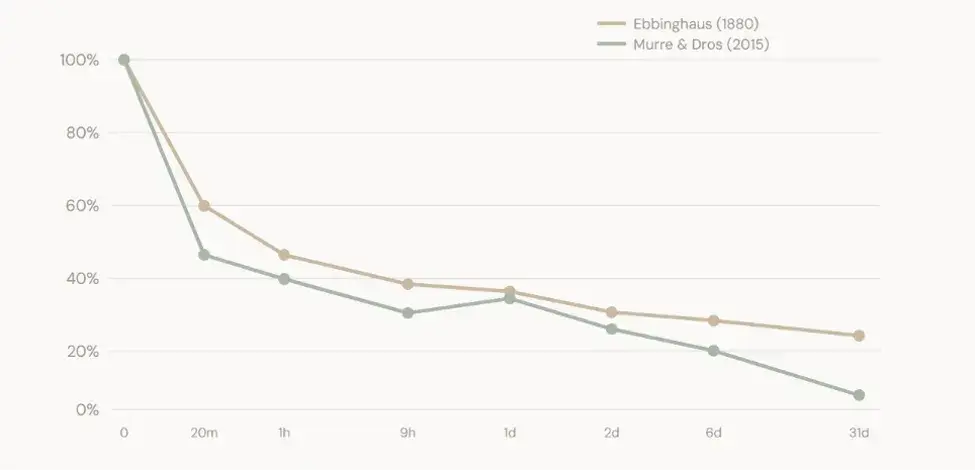
This creates a severe gap between training metrics and actual workforce capability. According to LinkedIn’s Workplace Learning data, Gen Z professionals are highly motivated to learn and rank development opportunities as their number one driver for career progression. Despite this motivation, rigid and non-adaptive training systems fail to translate their drive into measurable operational performance.
High Turnover as a Training Infrastructure Problem
Employee turnover remains a persistent challenge across many retail, banking, and technology organizations, increasing the cost of onboarding and workforce development initiatives. While compensation and career progression play major roles, ineffective training is also a critical factor. When employees perceive training as irrelevant, it fails to support retention or development.
For large Vietnamese enterprises and multinationals that invest heavily in onboarding and upskilling, high turnover creates a major efficiency problem: training investments are repeatedly lost, preventing the organization from building cumulative workforce capability.
The Shift Toward Personalized Learning in Vietnamese Enterprises
The response to these structural limitations is a shift from standardized course delivery toward personalized learning architecture, in which each employee's learning path is shaped by their role, their existing competencies, their demonstrated knowledge gaps, and their preferred pace of learning.
This is not a new concept in consumer education. Platforms like Duolingo and Khan Academy have demonstrated for years that adaptive learning systems can sustain engagement and accelerate skill acquisition by constantly adjusting content difficulty and delivery format based on individual performance. The challenge has been translating these principles into enterprise environments, where learning must connect to job roles, compliance requirements, performance data, and organizational structure.
Vietnamese enterprises are now beginning to make this transition. The pressure comes from two directions simultaneously. From above, senior leadership is demanding evidence that training investment is producing measurable workforce capability. From below, a younger workforce is actively comparing the quality of learning experiences at work against the quality of learning experiences available outside work, and finding the former wanting.
Social and Collaborative Learning Integration
Personalized does not mean isolated. Modern enterprise e-learning platforms integrate social learning components including peer discussion threads, cohort-based programs, mentoring connections, and team-level challenges that allow employees to learn alongside colleagues facing similar challenges. This is particularly important for the transfer of tacit knowledge that cannot be fully captured in a formal course, including how to handle difficult customer interactions, how to navigate organizational processes, and how to apply technical skills in context.
How AI Improves Enterprise E-Learning Experiences at Scale
Personalization at the scale of a large enterprise requires automation. Manually curating individual learning paths for thousands of employees is not operationally viable. This is where AI becomes a structural enabler rather than a product feature.
Adaptive Content Sequencing
AI-driven learning systems analyze each learner's performance data continuously and adjust content sequencing in response. If a learner demonstrates strong comprehension of a foundational concept, the system advances them faster. If a learner consistently underperforms on a specific topic, the system provides additional reinforcement before progressing. This creates a learning experience that maintains appropriate challenge levels throughout, which is the primary driver of sustained engagement.
AI-Powered Practice and Simulation
For roles that require interpersonal skills, including sales, customer service, and recruitment, the most important form of practice is realistic conversation simulation. AI-driven role-play systems can simulate customer objections, difficult conversations, and scenario variations at any volume, providing employees with practice repetitions that would otherwise require a trainer or a live customer to deliver.
TMA Solutions delivers AI-powered coaching, role-play simulation, and enterprise learning platforms that support role-based learning paths, AI-assisted recommendations, multi-format content delivery, and seamless integration with existing HR systems. Together, these capabilities help organizations move from completion-focused training to measurable competency development.
Learning Analytics That Connect to Business Outcomes
The highest-value application of AI in enterprise learning is not content delivery. It is connecting learning data to operational performance data to answer the question that senior leadership actually cares about: which training investments are producing measurable improvements in the metrics that matter?
When a personalized learning platform for enterprise can correlate individual training completion and assessment scores with sales conversion rates, customer satisfaction scores, or quality control metrics, it becomes possible to make evidence-based decisions about where to invest in workforce development rather than relying on completion rates and trainer feedback as proxies for impact.
Smart Corporate Training Platform - Redefining Personalized Learning for the Modern Enterprise
A personalized learning platform for enterprise is not differentiated by the size of its course library or the sophistication of its user interface. It is differentiated by its ability to connect learning activity to the organizational context in which that activity takes place.
The characteristics that distinguish enterprise-grade personalized learning from generic e-learning platforms include skills framework management that connects learning paths to defined role competencies, assessment architecture that reveals actual knowledge gaps rather than just testing completion, content authoring tools that allow internal subject-matter experts to create and update learning materials without technical dependencies, integration with HR and performance management systems so that learning data and performance data are visible in the same place, and reporting that supports both operational oversight and regulatory compliance.
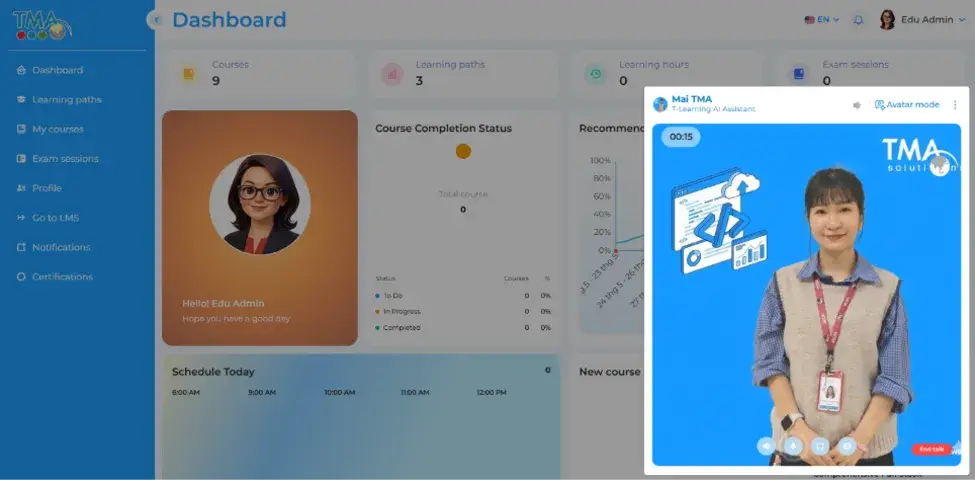
Smart Corporate Training Platform is designed as a personalized learning platform for enterprise organizations that require this level of integration. The platform enables role-based learning paths, AI-assisted content recommendations, and both instructor-led and self-paced training experiences. For large organizations operating across multiple business units or locations, it provides centralized content governance with localized delivery, allowing teams to tailor training programs while sharing resources, reporting, and analytics across the enterprise.
Key Features Enterprises Need From Next-Generation E-Learning Solutions
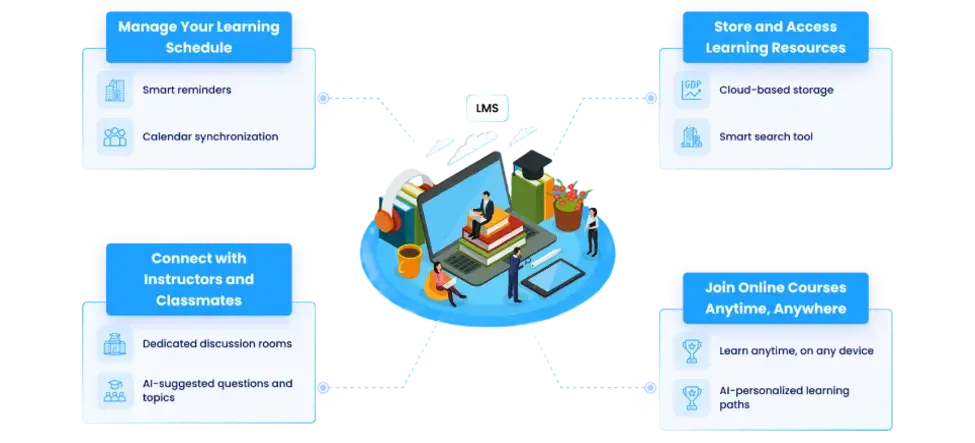
As enterprises in Vietnam evaluate their learning technology investments, the following capabilities define the difference between a content platform and a workforce development infrastructure.
Role-Linked Learning Architecture
Learning paths that map directly to role competency frameworks, update automatically when employees change roles, and assign required compliance training based on department and function rather than requiring manual administration.
Multi-Format Content Support
Modern learners access content across devices and contexts. Enterprise platforms must support video, audio, interactive assessment, simulation, and document formats, with mobile-optimized delivery for employees who cannot access desktop environments during their working day.
Real-Time Progress Visibility for Managers
Team leaders need visibility into where their people are in their development plans, which training requirements are overdue, and where performance gaps align with learning gaps. This visibility should be available in real time, not in a monthly report.
Adaptive Assessment and Knowledge Reinforcement
Assessment that goes beyond post-course quizzes to include spaced repetition, scenario-based application testing, and performance-linked knowledge checks that keep critical competencies current over time rather than testing them once and assuming retention.
Integration-Ready Architecture
The value of a learning platform multiplies when its data is connected to the systems that manage people, performance, and operations. API-based integration with HR, payroll, and performance management systems should be standard rather than a premium add-on.
Conclusion
The future of enterprise learning is not defined by how much content employees complete, but by how effectively organizations develop measurable skills and workforce capability.
TMA Solutions designs and implements Vietnam enterprise e-learning solutions that combine robust enterprise learning management tools with AI-powered personalization, coaching simulations, and analytics. With over 29 years of experience and a strong track record in enterprise deployments, TMA helps organizations reduce turnover, accelerate skill development, and achieve measurable returns on their training investment.