The Growing Need for AI in Modern Healthcare
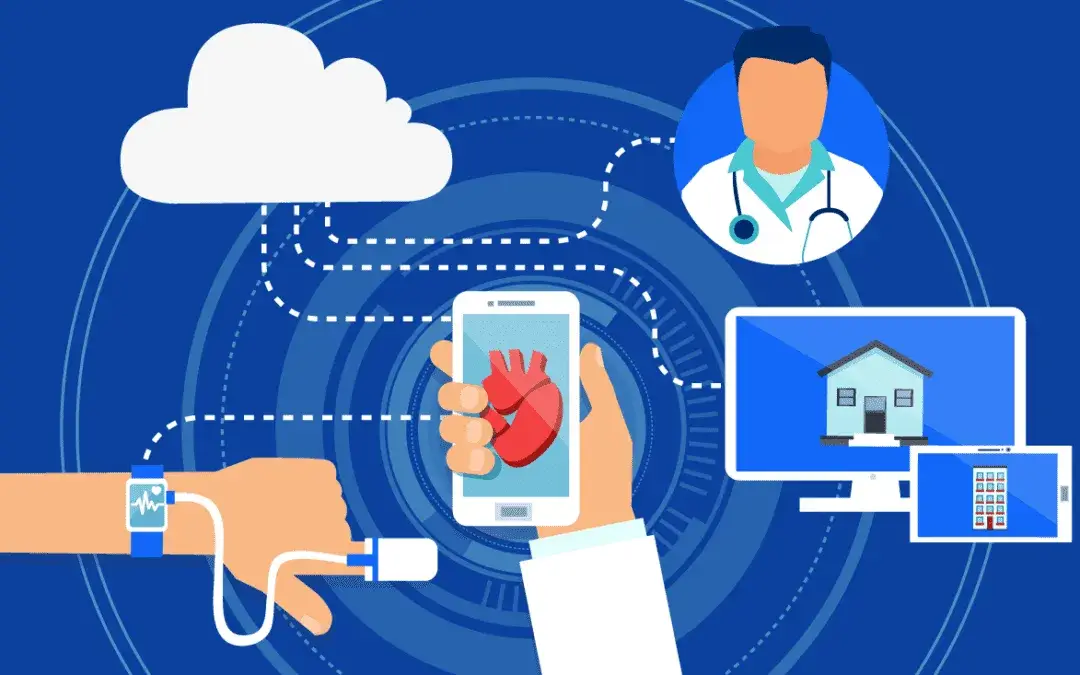
Healthcare systems worldwide are under increasing pressure to improve service quality while managing rising patient demand, workforce shortages, and operational complexity. Hospitals and healthcare providers are now handling larger volumes of patient data, administrative tasks, and clinical workflows than ever before.
To address these challenges, many healthcare organizations are investing in AI platforms to improve operational efficiency, optimize patient care, and support faster decision making. According to McKinsey, generative AI and healthcare AI technologies could create up to $370 billion in value annually for the healthcare industry through workflow optimization, administrative automation, and improved clinical support. As digital healthcare transformation accelerates, AI platforms are becoming essential tools for healthcare organizations seeking scalable and sustainable service models.
Leveraging AI to Tackle Healthcare Challenges
Healthcare systems often struggle with fragmented workflows, administrative overload, and increasing operational costs. Traditional systems alone are no longer sufficient to support modern healthcare demands.
Rising Administrative Workloads
Healthcare professionals spend a significant amount of time on administrative activities such as documentation, scheduling, billing, and patient record management. AI platforms help reduce these repetitive workloads by automating operational processes and improving access to healthcare information.
Common healthcare applications include:
- Appointment scheduling
- Medical documentation processing
- Patient communication support
- Clinical workflow coordination
- Healthcare data analysis
By reducing manual administrative tasks, healthcare staff can focus more on patient care and treatment quality.
Growing Demand for Faster and More Accurate Services
Patients today expect faster healthcare services, digital accessibility, and more personalized care experiences.
AI platforms help healthcare providers improve service efficiency through intelligent automation, predictive analytics, and real time operational insights.
According to Deloitte, healthcare organizations using AI technologies are already improving operational productivity while reducing delays in patient service delivery.
How AI Platforms Optimize Healthcare Workflows
AI platforms are transforming healthcare operations by helping organizations process information more efficiently and improve resource management across departments.
Supporting Clinical Decision Making
AI systems can analyze large volumes of healthcare data and support medical professionals with faster access to relevant insights.
In clinical environments, AI technologies assist with:
- Medical imaging analysis
- Risk prediction
- Treatment recommendations
- Patient monitoring
- Early disease detection support
These capabilities help healthcare providers improve decision making speed while maintaining care quality.
Improving Hospital Resource Management
Healthcare facilities must constantly manage staffing, equipment availability, patient flow, and operational scheduling. AI platforms help hospitals optimize resource allocation and reduce operational inefficiencies through real time monitoring and workflow analysis. This is becoming increasingly important as healthcare systems continue expanding digital transformation initiatives.
AI Applications Across Healthcare Services
The use of AI platforms is expanding rapidly because healthcare organizations require more scalable operational models.
Telehealth and Remote Care
AI technologies are improving telehealth services by supporting virtual consultations, automated patient triage, and remote patient monitoring. These solutions help healthcare providers expand access to medical services while reducing pressure on physical healthcare facilities.
Healthcare Administration and Insurance
Healthcare insurers and administrators are using AI systems for claims processing, fraud detection, and operational automation. Intelligent platforms help organizations process healthcare information more accurately while improving service efficiency. As healthcare demand continues growing globally, AI platforms are becoming critical for building more sustainable healthcare ecosystems.
Developing Sustainable AI Systems for Healthcare
Successful healthcare AI adoption requires more than implementing isolated AI tools. Organizations must establish secure, scalable, and compliant digital infrastructure capable of supporting long term operational growth.
Data Security and Compliance
Healthcare organizations process highly sensitive patient information, making cybersecurity and compliance essential priorities. AI platforms must operate within secure environments while maintaining data privacy and regulatory compliance standards.
Long Term Scalability and Integration
Healthcare providers also require AI systems capable of integrating with existing hospital management systems, electronic medical records, and operational platforms. Scalable AI infrastructure allows healthcare organizations to adapt more effectively to future operational demands and evolving healthcare technologies.
TMA Solutions: Advancing Healthcare Innovation Through AI
As healthcare organizations continue accelerating digital transformation initiatives, TMA Solutions delivers advanced healthcare software development services that help improve operational efficiency, healthcare accessibility, and patient care quality.
With more than 700 engineers, over 16 years of experience in the healthcare industry, and 10+ years of AI expertise serving global customers, TMA Solutions is a trusted technology partner for healthcare providers, medical organizations, and digital health innovators worldwide. We provide a comprehensive range of healthcare software solutions and help healthcare organizations build innovative digital health ecosystems based on the latest technologies, including AI, IoT, cloud computing, computer vision, and data analytics.
Our AI healthcare expertise includes:
- Remote Health Monitoring: Real-time monitoring platforms integrating wearables and medical devices to track vital signs, detect abnormalities early, and support proactive patient care.
- AI Agents & Virtual Healthcare Assistants: Intelligent assistants for patient intake, appointment scheduling, symptom guidance, medical history summarization, and healthcare workflow automation.
- Medical OCR & Healthcare Data Digitization: AI OCR solutions that automatically extract and digitize medical data from devices, reports, and healthcare documents while reducing manual entry errors.
- Healthcare Data Analytics & Predictive Intelligence: AI and machine learning models that analyze healthcare data to support risk prediction, patient monitoring, preventive care, and operational optimization.
- Computer Vision for Healthcare: AI vision systems for medical image analysis, patient activity monitoring, fall detection, medication tracking, and intelligent healthcare automation.
- Telehealth & Smart Healthcare Platforms: Cloud-based healthcare ecosystems that integrate EHR, HIS, IoT devices, telemedicine platforms, and AI-powered healthcare services for connected care delivery.
- AI for Senior Care & Home Care: Intelligent monitoring and companion solutions supporting elderly care, home healthcare, and personalized patient engagement.
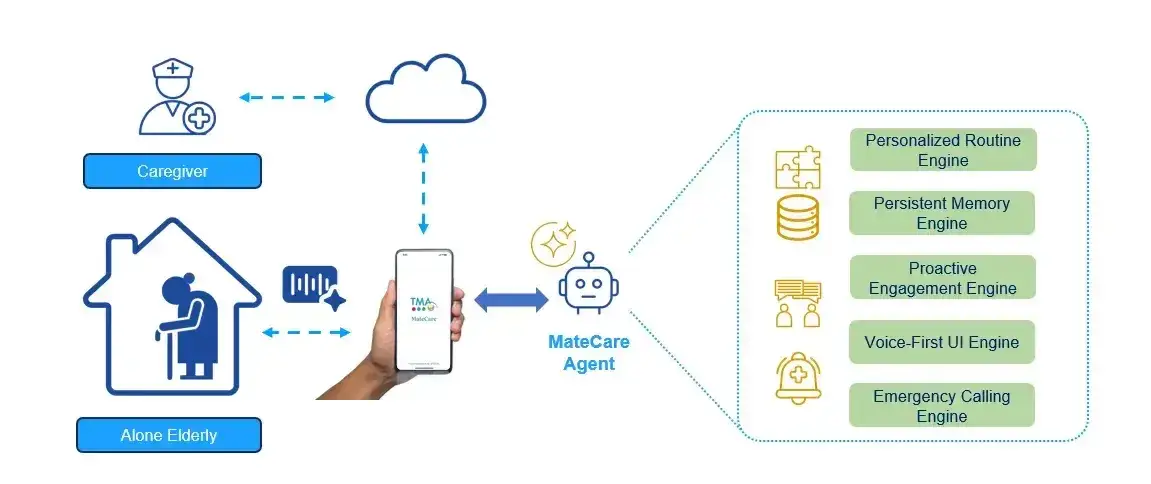
TMA Solutions continuously invests in healthcare R&D through its AI Center and AI Agent Factory, collaborating with healthcare providers, universities, and technology partners to build next-generation AI healthcare ecosystems for global markets.
Conclusion
AI platforms are transforming healthcare services by improving operational efficiency, supporting clinical decision making, and helping organizations scale patient care more effectively. As healthcare systems continue modernizing digital infrastructure, intelligent technologies will play an increasingly important role in building sustainable and accessible healthcare ecosystems. Organizations investing in scalable healthcare AI platforms today will be better positioned to improve service quality, optimize operations, and meet growing patient expectations in the future.


