Electronic Health Records (EHR) have revolutionized the healthcare industry by enhancing the efficiency, accuracy, and accessibility of patient data. EHR integration is vital for healthcare providers aiming to streamline their processes and improve patient outcomes. In this article, we will explore the benefits of integration of EHR, steps to integrate EHRs into existing systems, tips for choosing the right provider, common challenges, and the costs involved.
Benefits of EHR integration
Integrating disparate medical systems into a unified EHR platform offers significant advantages for healthcare providers and patients:
Enhanced data security and compliance
Integrating systems strengthens data security and access control, mitigating the risks of data breaches and ensuring compliance with regulations. This unified approach provides a comprehensive overview of security measures across all integrated solutions.
Streamlined operations and improved patient care
EHR system integration streamlines hospital operations by reducing disruptions, delays, and human errors. This leads to improved physician morale, increased staff efficiency, and enhanced patient satisfaction. Real-time access to unified clinical data across departments enables better patient coordination and reduces risks associated with inaccurate or incomplete information.
Seamless data sharing and collaboration
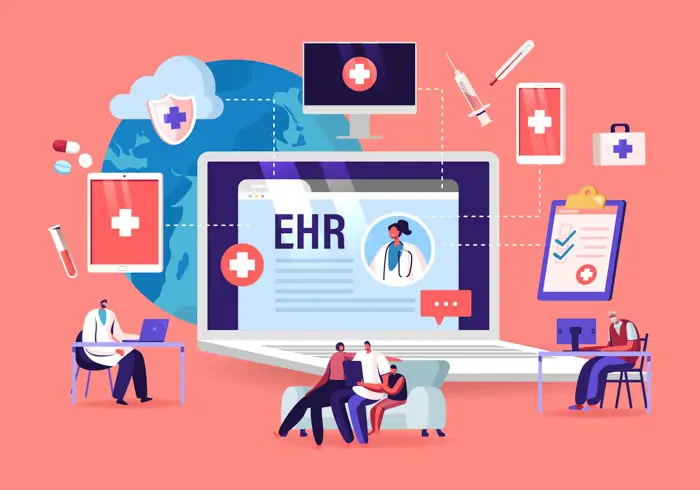
Eliminating data silos through EHR integration facilitates seamless communication and collaboration among medical professionals. A centralized portal for accessing, updating, and reviewing patient cases empowers informed decision-making.
Increased efficiency and productivity
Integrated EHR systems provide clinicians with single-point access to comprehensive patient information, including medical history, lab results, and insurance details. This eliminates the need to switch between multiple applications, automating data exchange and allowing medical teams to focus on patient care.
Empowered patient engagement
Streamlined workflows and improved data access enhance the patient experience by minimizing delays, reducing inaccuracies, and eliminating bureaucratic hurdles. Patients benefit from immediate access to their treatment plans, prescriptions, lab reports, and other vital information, empowering them to actively participate in their healthcare management.
6 steps to seamless EHR integration
Integrating EHR systems into existing products requires careful planning and execution. Here’s a 6-step approach to ensure a smooth transition:
Step 1: Assess your needs
Begin by establishing specific, measurable objectives for the integration. Consider your organization's unique technical, clinical, and operational needs. Determine whether the goal is to improve data accessibility, streamline workflows, or address specific departmental bottlenecks. A thorough risk-benefit assessment should also be conducted.

-
Step 2: Select the right EHR system
Conduct a comprehensive assessment of your current medical systems. This crucial step identifies potential compatibility issues, particularly regarding data exchange standards like HL7. Addressing legacy systems that may require modification or replacement is essential for ensuring data interoperability.
-
Step 3: API integration
Before initiating the integration, meticulously prepare all data, systems, and software components. Create checklists to verify functionality, back up critical data and software to prevent data loss, and update hardware, software, and network infrastructure as needed. Verify the availability of an EHR integration API with your software vendor to facilitate seamless data exchange.
-
Step 4: Data migration
Maintain open communication with all stakeholders, including the board of directors, medical staff, and patients. Communicate the integration goals, expectations, timelines, and strategies. Gathering feedback from all affected parties helps identify potential oversights and ensures a smoother transition.
-
Step 5: Implementation plan
Based on the insights gained from the previous steps, create a detailed, phased implementation plan. This plan should outline milestones, roles, tasks, and responsibilities for each team member.
Assign tasks accordingly and provide the necessary resources. While adhering to the plan, remain flexible to adapt to any unforeseen challenges that may arise during the integration process.

-
Step 6: Staff training
After implementation, provide comprehensive training to all users, including doctors, nurses, administrative staff, and patients, on the new integrated EHR system. Focus on new features, workflows, and processes to ensure a smooth transition and maximize user adoption.
How to choose an EHR provider
Selecting the right EHR provider is crucial for successful integration. Follow these steps to make an informed decision:
- Define your needs
Begin by clearly defining your organization's specific requirements and goals for EHR integration. Document the desired operational, clinical, and business outcomes, including essential functionalities and features.
- Research potential vendors
Conduct thorough research to identify suitable EHR vendors. Explore online marketplaces, forums, professional networks, and search engines. Evaluate each vendor's strengths, weaknesses, technical proficiencies, and experience working with similar clinical workflows. Prioritizing vendors with relevant experience minimizes project risks and accelerates implementation.
- Request demonstrations
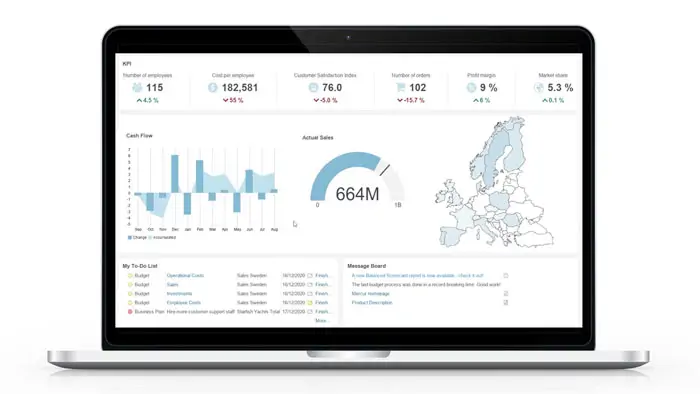
Request product demonstrations from shortlisted vendors. This allows you to assess their capabilities firsthand and verify that they can effectively deliver core EHR functionalities and meet your specific needs.
- Evaluate training and support
Inquire about the vendor's post-implementation support and training programs. Comprehensive training and ongoing support are essential for a smooth transition and successful user adoption of the new integrated platform.
- Review pricing and contract terms
Carefully review all pricing details, including setup, implementation, and ongoing support fees. Clearly define the collaboration model and ensure all terms are mutually agreed upon before signing any contracts.
- Conduct due diligence
Conduct thorough due diligence by reviewing client testimonials and case studies. This provides valuable insights into the vendor's track record, including their performance in project delivery, communication, and ongoing support.
- Formalize the agreement
Once you've selected the best vendor, formalize the partnership by signing a legally binding contract that outlines all terms and conditions of the engagement.
Challenges and solutions associated with EHR integration
EHR integration can present several challenges. Below is a table outlining common issues and their solutions:
|
Challenge |
Description |
Solution |
|
Information Security Risks |
Concerns about data usage, sharing, and compliance with regulations like HIPAA, HITECH, and GDPR. |
Work with EHR providers experienced in data privacy, ensuring robust encryption, access controls, and compliance. |
|
Interoperability Issues |
Legacy systems and non-standard formats hinder interoperability and data exchange. |
Upgrade hardware/software or implement customized integration to bridge interoperability gaps. |
|
EHR Customization Challenges |
Modifying existing systems can disrupt functionality, introduce bugs, and affect the user experience. |
Conduct detailed assessments of existing systems, identify risks, and take precautionary measures during customization. |
|
EHR Implementation Expenses |
High costs for system replacements, licenses, developers, and ongoing support. |
Partner with cost-sensitive EHR providers, use phased implementation and negotiate transparent pricing models. |
|
Workflow Disturbances |
Downtime during data migration and setup can disrupt critical clinical operations. |
Develop migration plans, communicate schedules with stakeholders, and establish contingency measures. |
|
Data Management Complexity |
Managing diverse data types from various systems increases costs and complexity. |
Engage experts to identify and prioritize essential data for the integrated system, ensuring efficient data management. |
The table summarises the main drawbacks and their solutions
Based on the summarised table, you can have a general concept of the EHR system integration. Here are the breakdown details of the problems EHR has to cope with:
Information security risks
Privacy and data security are major issues in EHR system integration. Patients and healthcare providers often worry about how data will be used and shared. Integration introduces complexity, raising fears about whether privacy safeguards are adequate and compliant with regulations like HIPAA, HITECH, and GDPR.
Solution: Work with EHR providers experienced in data privacy requirements. They should ensure robust encryption, access controls, and compliance with all relevant regulations.
Interoperability issues
Legacy systems and outdated hardware can hinder EHR interoperability. Many healthcare facilities rely on older systems that lack interoperability, making data exchange difficult if data is stored in varied, non-standard formats.
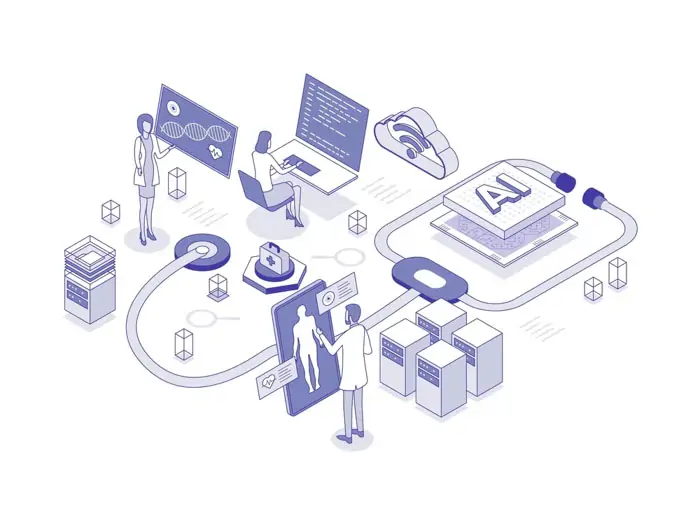
Solution: Upgrade hardware and software where feasible. Alternatively, implement customized integration solutions to bridge interoperability gaps without overhauling the entire system.
EHR customization challenges
Customizing EHR systems to align with existing workflows and interoperability requirements can introduce bugs, disrupt functionality, and impact the user experience. Developers must balance customization with maintaining operational integrity.
Solution: Conduct detailed assessments of existing systems before customization. Identify potential risks and implement precautionary measures to safeguard data integrity and system performance.
EHR implementation expenses
The financial burden of integrating EHR systems is a significant concern. Costs include system replacements, software licenses, hiring developers, and ongoing support fees. Without proper budgeting, the expenses can escalate rapidly.
Solution: Partner with EHR providers who understand budget constraints. Opt for phased implementation and negotiate transparent pricing models to manage costs effectively while maintaining quality.
Workflow disturbances
EHR integration can disrupt clinical workflows, particularly during data migration and system setup. Downtime can affect critical operations like patient registration, telehealth services, and practice management.
Solution: Develop a detailed migration plan, communicate timelines and progress with all stakeholders, and establish contingency measures to handle unexpected disruptions.
Data management complexity
Consolidating data from various systems often leads to challenges in managing diverse data types. Attempting to retain all data unnecessarily increases costs and complexity without always improving clinical workflows.
Solution: Collaborate with business analysts, clinical experts, and data administrators to identify and prioritize critical data for the integrated system. This ensures that only essential data is retained, reducing costs and improving system efficiency.

The cost of EHR software development
Determining a reasonable budget for EHR software development and integration depends on several key factors:
- Integration complexity
Integrating with existing legacy systems or highly complex architectures requires significantly more development effort, leading to increased costs. The more intricate the existing infrastructure, the more complex and expensive the integration process becomes.
- Advanced features and modernization
Incorporating advanced features such as workflow automation, system modernization, and cutting-edge technologies like generative AI also contributes to higher development costs. These features often require specialized expertise and more extensive development time.
- Ongoing operational expenses
Beyond initial development, ongoing costs are a crucial consideration. These include recurring expenses for system support, infrastructure maintenance, software licensing fees, and, importantly, HIPAA compliance services, which often represent a significant portion of the ongoing budget.
- Estimated cost range
Considering these factors, the estimated cost for developing and integrating an EHR system typically falls within the range of $50,000 to $200,000 or even more for highly complex projects. This range serves as a general guideline, and the actual cost will vary depending on the specific requirements and complexity of each project.

Conclusion
EHR integration is an essential step for modern healthcare organizations aiming to improve patient outcomes, streamline operations, and ensure data security. By understanding the benefits, following structured integration steps, choosing the right provider, addressing challenges proactively, and budgeting appropriately, healthcare providers can unlock the full potential of EHR systems.


