Home
Search
Found 797 results for “ “ keyword
icon
Blockchain Solution Development Company: What to Expect When Outsourcing Why Choose TMA Solutions for Blockchain Development? TMA Fintech Center More than 600 skilled engineers specializing in https://www.tmasolutions.com/industries/finance fintech software development and blockchain development Proven track record delivering complex fintech and capital asset management software projects globally Expertise in custom fintech application development services in Vietnam Deep understanding of financial industry regulations and compliance standards Strong client partnerships with leading financial institutions in the USA, Europe, Australia, and Vietnam Introduction Blockchain technology revolutionizes the fintech industry by offering enhanced security, transparency, and efficiency for financial transactions and services. As fintech firms seek to leverage blockchain’s potential, outsourcing blockchain solution development has become a strategic choice to access specialized expertise and accelerate innovation. If you’re considering outsourcing blockchain development, it’s important to understand what to expect from your blockchain solution development partner. This guide outlines key aspects to consider and highlights how TMA Solutions , one of the leading https://www.tmasolutions.com/industries/finance blockchain development companies and fintech software development providers in Vietnam, can help you succeed. Defining Your Blockchain Project Goals How To Define Your Blockchain Goals? Successful blockchain projects start with clear objectives. Whether you need a decentralized ledger, smart contract development, tokenization, or compliance solutions, a trusted partner should help you clarify your fintech-specific needs. TMA Solutions delivershttps://www.tmasolutions.com/insights/fintech-software-development-key-trends-shaping-2025 fintech application development services in Vietnam across various blockchain platforms, including Ethereum, Hyperledger Fabric, Corda, and Solana, ensuring tailored solutions fit your unique fintech use cases such as payments, lending, insurance, and asset management software development. Proven Blockchain Expertise and Technology Stack TMA Web3 & NFT Competency When outsourcing https://www.tmasolutions.com/insights/asset-management-software-development capital asset management software or blockchain development, look for providers with: Expertise in smart contract design, development, and security audits Knowledge of consensus algorithms and cryptography Experience integrating blockchain with existing asset management software systems and core banking platforms Capability for building scalable, secure solutions with seamless data interoperability across decentralized systems Proven track record in compliance with industry regulations and data protection standards TMA Solutions boasts deep fintech domain knowledge and blockchain expertise, having delivered complex fintech and asset management software projects to clients worldwide. Their robust tech stack includes .NET, Java, Angular, React, and cloud platforms like Azure and AWS , combined with leading blockchain frameworks. Security and Regulatory Compliance Blockchain Security Best Practices Security and compliance are paramount in fintech blockchain projects. You should expect: Comprehensive security testing and audits of smart contracts and infrastructure Adherence to regulations such as AML, KYC, GDPR, and PCI-DSS Secure key management and encryption protocols TMA Solutions embeds security best practices in all projects and maintains compliance with international fintech regulations. Their blockchain solutions support enhanced transparency while safeguarding sensitive financial data. Transparent Communication and Agile Project Management TMA Agile Development Process Effective outsourcing requires continuous communication and flexibility. Choose partners who provide: Regular progress updates and demos Agile workflows enable iterative development and feedback Transparent pricing and milestone-based payments Dedicated project management for smooth collaboration https://www.tmasolutions.com/services TMA Solutions assigns experienced project managers to fintech clients, facilitating clear communication across time zones and ensuring alignment with business goals throughout the development lifecycle. Post-Deployment Support and Scaling Blockchain solutions need ongoing maintenance, performance monitoring, and scaling support. A reliable partner should offer: 24/7 support and issue resolution Smart contract updates and blockchain upgrades Performance analytics and security monitoring Training and detailed documentation for your team TMA Solutions offers full-lifecycle support and maintenance services, ensuring your blockchain fintech applications remain secure, compliant, and scalable as your business grows. Conclusion Outsourcing blockchain development is a strategic way for fintech companies to innovate quickly and securely. Partnering with a trusted blockchain solution development company like TMA Solutions means gaining access to expert fintech software developers , rigorous security practices, and comprehensive project management tailored to your needs. Ready to unlock the full potential of blockchain for your fintech business? Whether you’re building a secure DeFi platform, enhancing asset management, or creating custom blockchain applications, TMA Solutions offers the expertise and proven track record to help you succeed. https://www.tmasolutions.com/contact-us Contact us today to discuss your project and discover how our blockchain development services can accelerate your innovation journey. Real-World Success: TMA Solutions’ Blockchain Case Study Web3 Wallet One standout example showcasing TMA Solutions’ expertise in blockchain development is our work on a decentralized finance (DeFi) platform for a leading fintech client. Leveraging Web3 technologies, TMA developed a secure, scalable, and transparent blockchain solution that facilitates seamless peer-to-peer lending and asset tokenization. Key Highlights: Custom Smart Contract Development: Automated lending processes with robust security features to minimize risks and fraud. Cross-Chain Integration: Enabled interoperability between Ethereum and other blockchain networks, expanding market reach. User Wallet Management: Developed user-friendly wallet interfaces for easy access and transaction tracking. Regulatory Compliance: Integrated KYC/AML protocols to meet global financial standards. Scalable Architecture: Designed to handle thousands of simultaneous users with high transaction throughput. This project not only enhanced the client’s operational efficiency but also attracted a significant increase in user adoption within the first six months, demonstrating the tangible business impact of partnering with a skilled blockchain development company like TMA Solutions. ...
icon
Boost Business Efficiency with TMA Client Data Platform Get More from Your Data, Now https://www.tmasolutions.com/newsletter/tma-r-d-newsletter-2023 TMA CDP is not a theory—it’s a working engine. It helps you collect fast, analyze smart, and activate with purpose. If your team wants to move quicker and drive more ROI from client data, this platform gives you the tools to do it, without the fluff. Add AI Agents to Push Performance https://www.tmasolutions.com/newsletter/tma-r-d-newsletter-2023 TMA CDP isn’t just about storing and analyzing data. It helps you act on it—faster and smarter—with AI agents. AI tracks your campaign performance. It spots delays, low response rates, and missed upsell chances. Then it gives you direct suggestions: try a different audience, fix the journey, or automate the next step. You save time, avoid mistakes, and focus your effort where it matters. That means better results without extra workload. Execute Across All Channels, Seamlessly Once you know your client, you need to reach them. https://www.tmasolutions.com/newsletter/tma-r-d-newsletter-2023 TMA CDP supports real-time, multi-channel marketing. Email, SMS, social, in-app—it handles all of it in one flow. You don’t need to switch platforms or send blind campaigns. Instead, you run smart, automated campaigns with consistent messages and clear targeting. Use the Data, Do not Just Store It With the data unified, https://www.tmasolutions.com/newsletter/tma-r-d-newsletter-2023 TMA CDP helps you dive deep. You can segment your audience by behavior or buying patterns. You can run predictive models to see who might churn or who is ready to upgrade. It even gives you product or content recommendations to personalize outreach. These reports are not for display—they are meant to act on. You know who to target, what to offer, and when to move. Build a 360° Client Profile That Actually Works https://www.tmasolutions.com/newsletter/tma-r-d-newsletter-2023 TMA CDP collects data from everywhere—your website, app, CRM, POS, social media, offline stores, even Excel files. It puts everything into one place. No more scattered info or guessing who your client is. You get a full view of clients: what they do, what they like, and how they behave. With this 360° profile, your team can make faster and better decisions—from sales to support to marketing. Every business wants to know its clients better, respond faster, and grow smarter. https://www.tmasolutions.com/newsletter/tma-r-d-newsletter-2023 TMA Client Data Platform (CDP) helps you do exactly that—by connecting data, finding insights, and turning them into real results. Client Data Platform...
icon
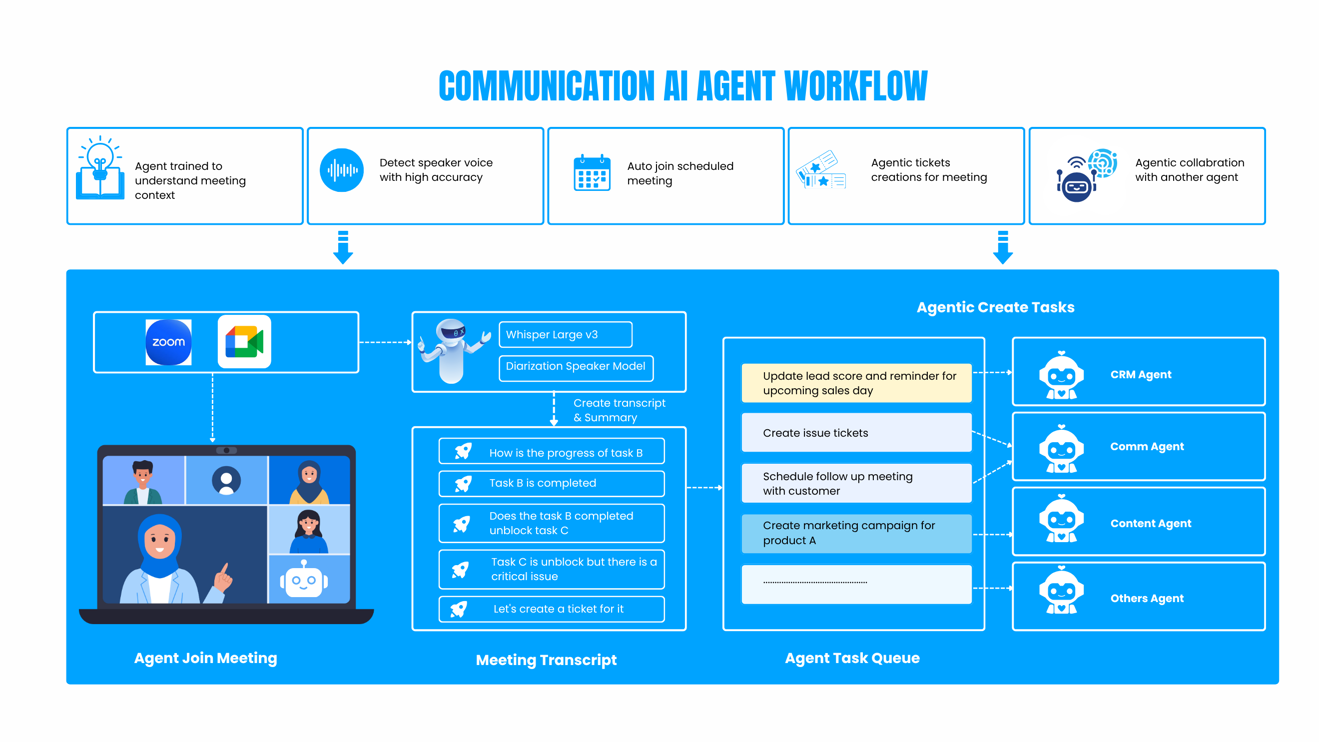
Boosting Team Efficiency with Communication AI Agent by TMA Solutions Conclusion The Communication AI Agent by TMA Solutions is an innovative solution that helps businesses improve communication, enhance team collaboration, and streamline task management. With its ability to automate meeting summaries, track tasks, and provide actionable insights, this AI tool is essential for businesses looking to optimize their workflows and increase productivity. As the demand for AI-powered communication tools continues to rise, the Communication AI Agent offers a competitive advantage for businesses seeking to stay ahead in an increasingly digital world.By adopting this solution, businesses can significantly improve internal communication, save valuable time, and ensure more efficient and accurate task management. The future of business communication is here, and it’s powered by AI. How the Communication AI Agent Helps Businesses By implementing the Communication AI Agent, businesses can enjoy numerous benefits that enhance productivity and communication efficiency: Increased Efficiency: Automating routine tasks like meeting documentation and task management frees up time for employees to focus on higher-value tasks. Accuracy and Consistency: The AI ensures that all meeting summaries and action items are consistently recorded, reducing human error and maintaining clarity. Enhanced Collaboration: The Communication AI Agent breaks down silos and promotes better communication and coordination between departments, fostering a more collaborative environment. Improved Productivity: Automated task tracking and real-time updates help ensure that deadlines are met and that teams stay on track. How to Apply This Solution Implementing the Communication AI Agent within your organization involves a simple and structured process to ensure smooth adoption and integration. Here’s a step-by-step guide to applying this solution effectively: Step 1: Integration with Existing Tools The first step in applying the Communication AI Agent is integrating it with your organization’s existing communication platforms such as Zoom, Slack, Microsoft Teams, and Google Meet. It’s also important to integrate the AI with project management systems like Jira to ensure seamless task tracking and follow-ups. Step 2: Customization for Company Needs Once integrated, the AI needs to be customized to align with your company’s specific needs. This involves configuring the AI to automatically capture meeting summaries, assign tasks, and send reminders tailored to your workflows. Step 3: Employee Onboarding and Training For the solution to be effective, employees must be properly onboarded and trained on how to use the Communication AI Agent. This includes understanding how to interact with the AI, interpret its insights, and use it for day-to-day communication and task management. Step 4: Monitoring and Optimization After deployment, businesses should regularly monitor the Communication AI Agent’s performance to ensure it’s meeting expectations. Feedback from employees can be used to optimize its use and ensure that it continues to meet the organization’s evolving needs. Communication AI Agent is developed by TMA Solutions The Communication AI Agent is designed to simplify and automate communication across businesses. By integrating with popular platforms such as Zoom, Microsoft Teams, Google Meet, and Slack, the solution helps businesses manage virtual meetings, track tasks, and ensure that teams remain aligned, all while saving time and reducing errors. Communication AI Agent workflow Key Features of the Communication AI Agent Automated Meeting Summaries: The AI automatically transcribes meetings, creating detailed summaries with action items for each participant. This eliminates manual note-taking and ensures accuracy. Communication Center Meeting Interface Seamless Task Management: Integration with project management tools like Jira allows the AI to automatically create tasks, set deadlines, and send reminders, ensuring that tasks are completed on time. Communication Center Reminders for Efficient Task Management Cross-Department Collaboration: By connecting various AI Agents (e.g., CRM, Content, Customer Service), the solution ensures that all teams receive real-time updates and stay aligned with the latest developments. Customizing Communication Center Settings for Optimal Workflow Team Scheduling with Communication Center Actionable Data Analytics: The Communication AI Agent offers AI-driven analytics that identify trends, bottlenecks, and areas for improvement, helping businesses optimize workflows and enhance communication effectiveness. Optimizing Audio Settings for Transcription in Communication Center Pain Points in Business Communication Fragmented Communication: Disconnected communication across various departments leads to inefficiencies and missed opportunities. Many organizations still struggle with disjointed systems and platforms that make it difficult for teams to stay in sync. Time-Consuming Manual Work: Tasks such as taking meeting notes, tracking action items, and following up on tasks consume valuable time and resources. According to McKinsey, over 75% of organizations have already adopted some form of AI in their operations, and businesses are increasingly looking to AI to reduce manual work and improve efficiency. Missed Deadlines and Task Overlaps: Without proper task management and automation, deadlines are often missed, and critical tasks may overlap or go unnoticed. This leads to inefficiencies and a decline in overall productivity. Information Silos: Teams working in isolation without real-time updates or coordination can make it difficult to maintain alignment across the organization. A study from McKinsey shows that companies with well-integrated AI-driven communication systems have seen improvements in both internal communication and project delivery timelines. Complex Coordination: Managing communication in a remote or hybrid workforce can be cumbersome, especially when teams use different tools and platforms. The shift towards remote work has highlighted the need for integrated, AI-powered solutions that allow teams to collaborate seamlessly across digital platforms. As businesses increasingly turn to AI-powered communication tools, the Communication AI Agent provides an innovative solution that streamlines these processes. By automating meeting documentation, task management, and cross-department collaboration, the Communication AI Agent offers businesses a smarter, more efficient way to manage their communication workflows, enhance productivity, and ensure alignment across teams. The increasing complexity of managing communication across dispersed teams and departments has created significant challenges for businesses. Communication silos, time-consuming manual documentation, and inefficient task management are common pain points that organizations face in their everyday operations. As businesses adapt to more digital, remote, and hybrid working environments, the need for smarter, automated communication solutions has never been more critical. According to a report from Market.us, the market for AI in enterprise communications is expected to grow from $32.2 billion in 2023 to $130.3 billion by 2033, with a compound annual growth rate (CAGR) of 15%. This growth is driven by the increasing reliance on AI to automate workflows, enhance productivity, and optimize communication across teams....
icon
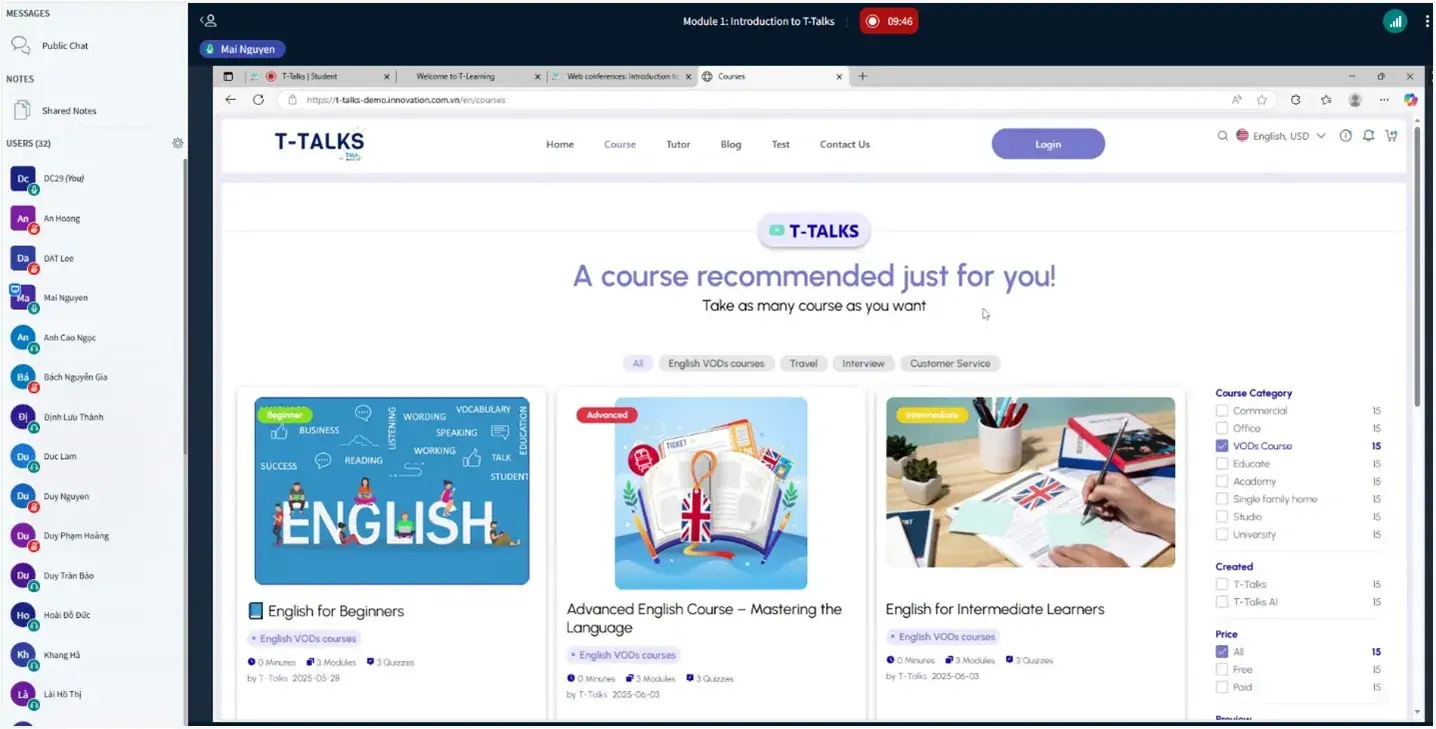
Building adaptive learning systems using AI Introduction In corporate learning & development (L&D) and higher education, traditional Learning Management Systems (LMS) face structural limits. Conventional platforms operate as flat, passive content repositories, delivering static courses at a fixed pace to every learner regardless of baseline skill, learning speed, or role demands. This "one-size-fits-all" model often leads to disengagement among experienced employees repeating familiar material, while struggling learners fall behind when knowledge gaps compound. AI-powered adaptive learning systems represent an architectural shift from training as a scheduled event to training as a responsive, real-time ecosystem. By combining machine learning, natural language processing (NLP), and behavioral analytics, these systems continually interpret learner performance signals to dynamically adjust content sequencing, difficulty, and format based on demonstrated competency rather than a fixed curriculum schedule. The Implementation Process: How to Build an Adaptive Learning System Transitioning an enterprise from static course libraries to a fully adaptive learning architecture requires a structured, multi-phase engineering approach: Phase 1: Competency Framework & Data Architecture Mapping Rather than starting with a course catalog, adaptive systems begin by defining a structured competency framework. Core competencies are broken down into measurable skill nodes. In parallel, data pipelines are mapped to ingest real-time learner interactions: quiz latency, assessment scores, video pause patterns, and error frequency. Phase 2: AI Engine & Algorithmic Integration Once the data foundation is established, core AI modules are integrated into the LMS via APIs: Knowledge Tracing & Recommendation Algorithms: Algorithms evaluate baseline proficiency and dynamically map responsive learning paths, accelerating learners through familiar topics while automatically routing extra reinforcement to weak areas. Generative Content & Assessment Engines: GenAI pipelines automate the creation of contextual practice questions, flashcards, and multi-language learning assets, slashing content production bottlenecks. Conversational AI Tutors: LLM-powered virtual assistants are embedded to provide 24/7 contextual hints, answer questions, and facilitate realistic role-play simulations. Phase 3: Deployment, Governance & Human-in-the-Loop Feedback The system goes live with Human-in-the-Loop (HITL) safeguards. Instructors and L&D managers maintain central dashboard oversight to review AI-generated content, override automated recommendations when necessary, and receive early alerts on disengaged or struggling learners. Key Business & Operational Benefits Integrating AI-driven adaptive learning into enterprise training infrastructure yields measurable impact across several operational dimensions: Accelerated Time-to-Competency: By eliminating redundant modules for concepts employees already understand, organizations reduce overall onboarding and training timelines significantly. Higher Engagement & Knowledge Retention: Personalizing instruction prevents fast-learner boredom and slow-learner dropouts, boosting employee engagement scores by over 35% compared to flat content libraries. Reduced Content Development Costs: GenAI pipelines and automated quiz builders streamline course authoring, allowing instructional designers to build high-quality learning assets in minutes rather than weeks. Real-Time Skill Visibility: Real-time behavioral telemetry replaces annual surveys with continuous dashboards, giving HR and business leaders clear visibility into actual workforce skill gaps. How TMA Solutions Powers Adaptive Learning Building and scaling adaptive EdTech architectures requires deep software engineering, AI model tuning, and cloud infrastructure capabilities. As a leading AI development company, TMA Solutions partners with global educational institutions, language centers, and corporate training providers to build custom Next-Gen LMS ecosystems and Smart Classrooms. TMA Smart Learning Management System Featured Solution: Smart LMS & AI Language Learning Ecosystem The Operational Challenge: Educational institutions and vocational training providers face severe operational friction: static course materials, high dropout rates due to unaddressed knowledge gaps, slow content authoring cycles, and an inability to deliver 1-on-1 feedback to large student cohorts. TMA's AI Engineering Solution: TMA engineered an integrated Smart LMS and AI Learning Ecosystem featuring modular AI components: Automatic Learning Path Generation: AI algorithms assess initial proficiency, recommend relevant lessons, and dynamically adapt lesson sequences to close knowledge gaps in real time. Smart Virtual Assistants & 24/7 Tutors: Intelligent chatbots resolve concept doubts, provide instant assignment feedback, and eliminate the "office hours bottleneck" outside scheduled classes. AI Language Learning Platform (CEFR-Aligned): Delivers real-life conversational role-plays, instant speech/pronunciation feedback, and personalized study plans aligned with international standards like CEFR. Smart Assessment & Automatic Course Creator: Transforms raw documents into structured courses while enabling adaptive, auto-graded tests with instant feedback. Predictive Analytics Dashboard: Tracks engagement signals and behavioral patterns to forecast student dropouts early, allowing educators to step in with timely human support. Tangible Business Impact: 30% improvement in operational efficiency when deployed for accredited credit-eligible training courses in Australia by dramatically reducing content creation time and manual grading. Accelerated time-to-fluency and increased course completion rates across corporate academies and higher-ed institutions. Conclusion Building adaptive learning systems using AI is no longer a speculative trend—it has become an operational requirement for competitive enterprises and forward-thinking educational institutions. By transitioning from rigid, static course delivery to intelligent, responsive learning environments, organizations can bridge critical skill gaps, lower training costs, and drive measurable workforce performance. Modernizing your educational technology stack does not require replacing your existing LMS infrastructure all at once. Through custom software engineering and API-driven AI integration, adaptive modules can be integrated step-by-step....
icon
Building AI-Driven Chatbots for Fintech Customer Service: TMA Success Story TMA Success Story – Finance AI Chatbot Client Background A leading financial services company sought to improve its contact center efficiency by providing real-time AI assistance to its customer service agents. Their objectives were to: Reduce customer wait times Ensure accurate and compliant answers to financial queries Shorten onboarding time for new support agents Challenges Faced Knowledge scattered across multiple sources (product manuals, CRM, regulatory docs) Inconsistent agent responses to the same customer questions Time-consuming search for relevant information during live calls Multilingual customer base requiring consistent service across languages TMA’s Solution – Finance AI Chatbot TMA built a knowledge-based AI chatbot integrated directly into the agent’s desktop environment. Key features included: Real-Time Audio Capture – The chatbot listened to live customer conversations and extracted relevant keywords to search for answers. Intelligent Response Suggestions – Generated and displayed suggested answers for the agent in real time. Domain-Specific NLP – Trained on the client’s financial data, FAQs, and compliance rules for high accuracy. Multi-Language Support – Enabled agents to assist customers in multiple languages. Long Conversation Handling – Maintained context over extended interactions. Response Validation – A compliance check ensured that suggestions met regulatory requirements before agents delivered them. Transcript Storage & Retrieval – Logged conversations for future training and auditing. Figure 1 Finance AI Chatbot Technologies Used Azure AI Services for NLP and speech recognition Azure OpenAI for generative response capabilities Custom Prompt Engineering with compliance filters Integration with CRM & Knowledge Base for live data retrieval Multi-Channel Adaptability for web, mobile, and desktop agent tools Key Results Achieved Faster Query Handling: Average handling time reduced by 60% Higher First-Contact Resolution: 40% improvement in solving issues on the first interaction Reduced Training Time: New agents became productive in days instead of weeks Consistent, Compliant Responses: Eliminated variability in agent answers Increased Customer Satisfaction: Shorter wait times and more accurate service delivery Conclusion AI-driven chatbots are becoming essential for fintech companies aiming to provide fast, accurate, and scalable customer service. https://www.tmasolutions.com/industries/finance TMA’s Finance AI Chatbot demonstrates how combining real-time conversation analysis, financial domain expertise, and compliance-aware AI can transform customer interactions—benefiting both customers and support teams. With proven experience in AI, fintech, and regulatory integration, TMA Solutions continues to help financial institutions deliver next-generation customer engagement platforms. About TMA Solutions Founded in 1997, http://www.tmasolutions.com/ TMA Solutions is one of Vietnam’s largest software outsourcing companies, with over 4,000 engineers and 600 fintech specialists. With 18+ years of experience in https://www.tmasolutions.com/industries/finance https://www.tmasolutions.com/industries/finance financial services, TMA delivers solutions in: AI in Fintech: Chatbots, intelligent document processing, compliance automation Banking & Capital Markets: Post-trade systems, clearing & settlement, custody solutions Blockchain: Tokenization, Hyperledger Fabric, Web3 platforms Integration Expertise: SWIFT, FIX, CTM, and real-time banking APIs TMA’s AI chatbot solutions are built to meet financial-grade compliance, data privacy, and multilingual service requirements, making them ideal for banks, trading platforms, and fintechs. AI Chatbots in Fintech: Capabilities and Benefits Core Capabilities 24/7 Customer Support – Immediate responses to routine questions Multi-Language Handling – Support for diverse customer bases Omni-Channel Integration – Web, mobile, social media, and live agent tools Transaction Assistance – Guide customers through payments, transfers, and account actions Proactive Alerts – Notify customers about suspicious activities or compliance reminders Knowledge-Driven Responses – Pull accurate information from internal knowledge bases and systems Contextual Memory – Maintain conversation history for a more personalized experience Key Benefit Faster Resolution Times: Cut average handling time from minutes to seconds Operational Cost Savings: Reduce high-volume support costs Improved Accuracy: Eliminate human errors in regulated responses Customer Satisfaction: Deliver instant, consistent service Scalability: Handle thousands of concurrent requests during peak hours Introduction In the fast-paced fintech sector, customers expect instant, accurate, and personalized support—anytime, anywhere. Traditional service channels like call centers and email often struggle to meet these expectations due to limited hours, long wait times, and high operating costs. An AI-driven chatbot offers a scalable, always-available, and intelligent solution. By leveraging natural language processing (NLP), machine learning, and domain-specific data, fintech companies can answer queries automatically, free up human agents for complex cases, and improve customer satisfaction without increasing headcount. This article covers: The capabilities and benefits of AI-driven chatbots in fintech A real-world success story of how TMA Solutions delivered a Finance AI Chatbot to enhance customer service operations for a major financial services provider...
icon
Building a Mobile Banking App with a Vietnam Development Team Introduction Mobile banking is no longer just a convenience—it has become the primary channel for banking services worldwide. To stay competitive in today’s digital-first world, financial institutions need mobile apps that are not only secure and user-friendly, but also innovative, scalable, and compliant with ever-changing regulations. Instead of relying solely on costly in-house development teams, many global banks are turning to specialized offshore development partners. Among global outsourcing destinations, Vietnam has emerged as a premier choice, offering a powerful mix of technical expertise, cost-effectiveness, and fintech domain experience—especially when partnering with an established leader likehttp://www.tmasolutions.com/ TMA Solutions . Why TMA Solutions Distinguishes Itself in the Vietnamese Tech Landscape Global Reach & Credibility: Offices in Vietnam and six other countries, serving clients in 30+ countries. Deep Technical Breadth: 700+ Java developers 800+ web & mobile specialists (React, Angular, Node.js, Flutter, Kotlin, Swift) 600+ AI/ML and Big Data engineers 400+ cloud, DevOps, and IoT experts R&D-Driven Culture: Ten dedicated innovation centers—including Fintech, AI, IoT, Data Solutions, and Blockchain—ensuring solutions are cutting-edge. Proven Enterprise-Grade Delivery: Successfully manages large, complex banking projects with high security, scalability, and uptime requirements. 28+ Years of Growth: Founded in 1997, now 4,000+ engineers strong, holding certifications like CMMI, ISO 9001, ISO 27001, and following Agile best practices. Robust Talent Pipeline: Close university partnerships, 10,000+ resumes processed annually, 1,000+ training courses each year, and hundreds of internships to ensure future-ready engineers. High-Quality Assurance: Global-standard processes and strict security protocols to protect sensitive financial data. Why Vietnam Is a Premier Destination for Mobile Banking Development 1. Vast & Highly Skilled Talent Pool Vietnam boasts a large and fast-growing tech workforce—over 500,000 software engineers—many with deep expertise in mobile development, banking integration, cybersecurity, and cloud architecture. Universities are producing graduates well-versed in AI, blockchain, and digital payment technologies critical for modern banking solutions. 2. Exceptional Cost Efficiency Without Quality Compromise Vietnam offers 30–50% lower development costs compared to Singapore, Hong Kong, or Western markets, while maintaining rigorous quality standards and compliance capabilities. This allows banks to redirect budget toward innovation, customer experience, and advanced security. 3. Proven Global Delivery Track Record Vietnamese teams have delivered full-scale mobile banking platforms for clients across APAC, Europe, and North America, covering retail banking, corporate banking, and digital wallets—all compliant with standards like PCI DSS, PSD2, and regional banking regulations. 4. Agile, Collaborative Work Culture Vietnamese engineers are known for adaptability, responsiveness, and proactive communication. They excel in Agile delivery environments, ensuring smooth collaboration and faster release cycles for banking projects. 5. Time Zone Advantage & Communication Skills Vietnam’s GMT+7 time zone aligns well with APAC business hours and overlaps with European working times, enabling real-time collaboration. English proficiency among senior engineers is strong, with many having extensive experience working directly with overseas clients. 6. Stability & Government Support for Tech Vietnam offers a stable business environment with strong government backing for IT exports, fintech innovation, and secure digital infrastructure—making it a strategic long-term development hub. Conclusion In the competitive world of digital banking, building a standout mobile banking app requires deep domain knowledge, technical excellence, and the ability to deliver securely and at scale—all while managing costs. Vietnam offers the perfect balance of quality, innovation, and cost efficiency, and TMA Solutions amplifies those advantages with: 28+ years of global software delivery experience Specialized fintech and banking expertise Robust security and compliance capabilities A proven track record in enterprise-scale mobile banking projects Whether you’re launching a new mobile banking app or modernizing your existing platform, TMA provides the right blend of talent, technology, and strategic insight to turn your vision into reality—on time, on budget, and to world-class standards. TMA’s Mobile Banking Success Stories 1. Retail & Corporate Banking App Challenge: A regional bank needed to unify retail and corporate banking systems into a single, secure mobile app while meeting strict compliance and performance requirements. Solution: TMA developed an integrated platform connecting core banking systems, payment gateways, trade finance, and FX services. Features included biometric authentication, multi-factor login, and AI-powered fraud detection. Technologies: Flutter (cross-platform), Java Spring Boot backend, secure REST APIs, AWS cloud. Impact: Reduced in-branch visits by 40%+, boosted mobile adoption rates, and increased cross-selling through in-app personalized offers. Figure 1 Digital Wallet 2. Cross-Border Digital Wallet Challenge: A fintech startup wanted a multi-currency e-wallet with instant cross-border transfers and regulatory compliance across multiple countries. Solution: Built a multi-currency wallet with QR payments, bill payments, merchant POS integration, loyalty rewards, and real-time FX conversion. Integrated with multiple payment gateways and fraud monitoring AI. Technologies: React Native mobile app, Node.js microservices backend, blockchain ledger for transaction logging, Azure AI for fraud detection. Impact: Acquired 500,000+ users in the first year, reduced remittance costs by 20%, and improved transaction transparency. Figure 2 International Remittance App 3. BNPL (Buy Now, Pay Later) Solution Challenge: A digital bank wanted to add BNPL capabilities to its mobile app to attract younger customers and increase merchant transactions, while ensuring real-time credit checks and regulatory compliance. Solution: TMA developed a BNPL module integrated into the bank’s existing mobile platform. The system performed instant eligibility checks, transaction risk scoring, and flexible repayment scheduling. It also integrated with merchant POS systems for seamless in-store and online purchases. Technologies: Kotlin & Swift for native mobile integration, Java Spring Boot for backend services, machine learning models for credit scoring, and PCI DSS-compliant payment APIs. Impact: Increased merchant transactions by 30% within the first 6 months, boosted customer acquisition among Gen Z and Millennials, and reduced loan default rates with AI-driven risk assessment. Figure 3 Buy Now Pay Later Solution...
icon
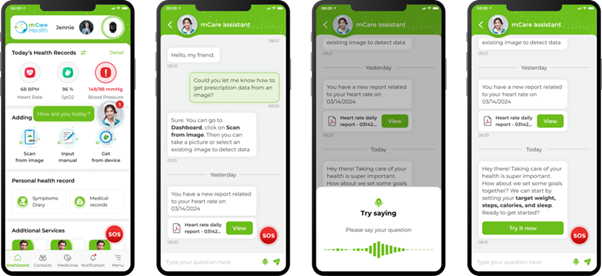
Building HIPAA-Compliant Healthcare Apps Conclusion Building a HIPAA-compliant healthcare app is critical for ensuring the privacy and security of patient data. At TMA Solutions, we specialize in creating secure, efficient, and user-friendly healthcare applications that meet all HIPAA compliance standards while improving healthcare management. Our Health Virtual Assistant is just one example of how we’re enhancing healthcare app functionality, boosting user satisfaction, and reducing operational costs. If you're considering building or improving a healthcare app, TMA Solutions can provide the expertise and support you need to succeed. Why Choose TMA Solutions? TMA Solutions has over 15 years of experience in providing intelligent solutions for our clients from Australia, USA, Hong Kong, Vietnam, ..., HIPAA-compliant healthcare applications. Our deep understanding of healthcare technology and security compliance ensures that your healthcare app is not only secure but also delivers a seamless, user-friendly experience. Expertise: TMA Solutions is highly skilled in building HIPAA-compliant healthcare applications that meet stringent security and privacy regulations. Customization: We work closely with you to understand your specific requirements and tailor our solutions to meet the unique needs of your healthcare app. Proven Success: Our AI-powered health solutions, including the Health Virtual Assistant, have helped clients reduce costs, improve service quality, and increase client satisfaction. Case Study: TMA Solutions’ Health Virtual Assistant Integration TMA Solutions successfully integrated an AI-powered Health Virtual Assistant into a client’s telehealth app. This AI solution significantly improved operational efficiency, reducing response time by 30% and decreasing client service costs by 25% . The virtual assistant helped users manage their health better, leading to a 40% increase in user satisfaction and an overall improvement in service delivery. Enhance client experience with Healthcare virtual assistant TMA Solutions’ Health Virtual Assistant: A HIPAA-Compliant Solution for Enhanced User Experience In addition to securing healthcare apps, TMA Solutions - https://www.tmasolutions.com/industries/healthcare Healthcare Application Development Companies in Vietnam has integrated innovative AI-powered solutions to improve the user experience and streamline healthcare management. One such solution is our Health Virtual Assistant , which we integrated into a client’s app. This virtual assistant offers support to users, handling tasks, answering queries, and managing health-related requests. Key features of the Health Virtual Assistant include: Query handling through a knowledge base: The virtual assistant leverages a knowledge base built from FAQs, instructional documents, and health guidelines to automatically respond to user inquiries. This ensures that users receive accurate, instant answers without the need for human intervention, reducing response times significantly. Health data interpretation and summaries: The assistant is equipped to interpret health metrics, offering users comprehensive summaries and insights to help them better understand their health trends and make informed decisions. Client request management: Beyond answering queries, the virtual assistant can manage user requests, including scheduling doctor appointments, planning workout routines, and setting reminders for medications or health goals. Benefits of the Health Virtual Assistant: Enhanced client satisfaction: By dramatically improving response times and providing accurate, real-time answers to user inquiries, the virtual assistant has reduced negative feedback and increased overall user satisfaction. Cost efficiency: Automating routine tasks and client inquiries has reduced operational costs by 25% , allowing the client to scale their services without increasing their client service budget. Streamlined health management: The virtual assistant helps users manage their health proactively by sending reminders for medications, workouts, and health check-ups, leading to better health outcomes. TMA Solutions' Approach to HIPAA-Compliant Healthcare App Development At TMA Solutions, we follow a structured process to ensure HIPAA compliance while developing healthcare apps. Here’s how we approach the development of healthcare solutions: HIPAA-Compliant Security Features We prioritize security in every stage of development by integrating features such as end-to-end encryption, secure authentication, and multi-factor authentication (MFA). Our solutions help prevent unauthorized access and secure electronic protected health information (ePHI) at all times. Data Minimization and Privacy Controls We ensure that healthcare apps collect only the minimum necessary data, in accordance with HIPAA’s Data Minimization Principle. Our approach limits data access to authorized personnel, ensuring that PHI is only shared when necessary and for legitimate purposes. Monitoring and Auditing Our solutions include continuous monitoring tools to ensure that all activities within the app are logged and auditable. This helps detect unauthorized access and allows for real-time compliance checks. Breach Detection and Notification We integrate breach detection mechanisms into our apps, ensuring that data breaches are promptly identified and reported, in line with HIPAA’s Breach Notification Rule. Why is HIPAA Compliance Important in Healthcare App Development? As healthcare applications become more integral to remote care and chronic disease management, data protection is paramount. HIPAA compliance not only helps you avoid costly penalties but also builds trust with patients and healthcare providers. Protecting Patient Data Healthcare apps must securely store and transmit sensitive data, including patient diagnoses, medical history, and treatment plans. Any breach of this information can result in reputational damage and significant financial losses. Meeting Legal and Regulatory Requirements Many healthcare organizations are legally required to follow HIPAA standards. At TMA Solutions, we ensure that your app complies with these regulations to avoid penalties and legal issues. Building Trust with Healthcare Providers and Patients Ensuring that your app is HIPAA-compliant shows your commitment to protecting patient data, building trust with users, and enhancing your app’s credibility in the market. What is HIPAA Compliance? HIPAA (Health Insurance Portability and Accountability Act) sets standards for the protection of sensitive patient information. When developing healthcare apps, it’s crucial to implement specific measures to ensure compliance. TMA Solutions helps our clients build apps that align with HIPAA compliance, addressing the following critical aspects: Privacy Rule: Ensures that PHI is used and disclosed only for authorized purposes, such as medical treatment or payment. Security Rule: Protects electronic PHI (ePHI) using encryption, secure authentication, and access controls, safeguarding sensitive data. Breach Notification Rule: Requires the app to include mechanisms for detecting and reporting data breaches. Enforcement Rule: Details penalties for non-compliance, ensuring that your software meets all necessary standards to avoid legal repercussions. If you're planning to develop a healthcare app that manages sensitive patient data, ensuring HIPAA compliance from the very beginning is critical. At https://www.tmasolutions.com/ TMA Solutions , we specialize in creating healthcare applications that not only meet regulatory standards but also focus on data security and privacy. Our expertise ensures that your app adheres to HIPAA regulations , protecting Protected Health Information (PHI) and building trust with your users. As telehealth and remote patient monitoring continue to grow in popularity, compliance is no longer just an option—it's a necessity. This article provides an overview of HIPAA compliance and how TMA Solutions can help you navigate the requirements, safeguarding patient data while ensuring your app's success. ...
icon
Building Next-Gen LMS: From Online Classrooms to Personalized Learning Paths Introduction The way we learn has transformed dramatically over the past decade. From traditional classrooms to online platforms, and now to AI-powered ecosystems, education is evolving faster than ever. At the center of this transformation lies the Next-Generation Learning Management System (LMS) —a platform that goes far beyond hosting online courses to deliver personalized, data-driven, and engaging learning experiences. In this new era, learners expect more than static content. They want flexible pathways that adapt to their unique goals, interests, and pace of learning. Educators and training providers, meanwhile, seek intelligent tools that reduce administrative effort, improve learner engagement, and deliver measurable outcomes. This is where Next-Gen LMS platforms make the difference—by combining AI, predictive analytics, virtual classrooms, and adaptive assessments to create learning journeys that are as dynamic as the learners themselves. At TMA Solutions, we are proud to be driving this change. Our innovations—ranging from Smart LMS and Personalized Learning Systems to Smart Virtual Assistants, Smart Assessment & Evaluation, Predictive Analytics Dashboards, Language Learning Platforms, Course Matching Finders, and Automatic Course Creators —are helping educational institutions, language centers, and corporate training providers turn the vision of a Smart Classroom into reality. The result is an ecosystem where learners are no longer passive recipients of information but active participants in shaping their own growth. By making education more interactive, inclusive, and personalized, we are not only enhancing learning outcomes but also preparing individuals and organizations for the challenges of tomorrow. Smart Learning Management System (LMS) Unifying teaching, learning, and tracking in one intelligent hub An LMS is the backbone of any digital learning environment. A Smart LMS takes it further by integrating AI to deliver personalized content, automate workflows, and generate actionable insights—making both teaching and learning more efficient. TMA in Action: TMA’s Smart Learning Management System platform serves as a Smart LMS that enables institutions to manage courses, track learner progress, deliver multimedia content, and integrate with assessment tools. It includes AI-powered personalization, automatic learning path generation, and real-time dashboards to help educators intervene at the right moment. The platform is mobile-ready and scalable for schools, universities, and corporate academies. In Australia, the system was deployed for credit-eligible training courses, helping reduce content creation time and increasing learner engagement—resulting in a 30% improvement in operational efficiency. (TMA Smart Learning Management System) AI-Powered Personalized Learning Plans Tailoring lessons to individual needs Every student learns differently. With AI, lesson content, pace, and assessments can be automatically adapted to each student’s learning style and performance. By analyzing interaction data, AI systems generate dynamic learning paths that close knowledge gaps and keep students motivated. TMA in Action: TMA’s Smart Learning Management System uses AI to create personalized learning paths and improve learning outcomes AI to assess learners' proficiency, recommend the most relevant lessons, and track progress in real time. This personalization boosts retention and improves outcomes in both K–12 and adult education settings. (TMA Smart Learning Management System) Smart Virtual Learning Assistant Always-on support for every learner Learners often need help outside of scheduled classes—whether clarifying a concept, revisiting instructions, or preparing for an exam. AI-powered virtual assistants provide real-time answers, reminders, and personalized suggestions through natural conversation. TMA in Action: TMA’s Smart Virtual Assistant acts as a 24/7 learning companion, guiding students through their courses, answering content-related questions, and offering reminders and tips based on their progress. It is integrated across platforms, including mobile and desktop, to ensure support anytime, anywhere. Smart Assessment & Evaluation Intelligent, scalable testing and feedback Traditional assessments are static and often time-consuming to create and evaluate. AI enables dynamic, personalized, and auto-graded assessments that adapt to each learner’s level and provide instant, actionable feedback to both students and teachers. TMA in Action: TMA’s AI Quiz Builder automatically generates quizzes from course content, aligned to learning objectives or CEFR levels. It supports various formats (MCQ, open-ended, speaking), grades responses instantly, and provides learners with explanations and performance insights. Online Virtual Classroom Immersive, interactive, and instructor-led remote learning Virtual classrooms are more than just video calls. Today’s platforms must support real-time collaboration, engagement analytics, and seamless integration with course materials. AI can enhance these environments through automated moderation, engagement scoring, and smart content delivery. TMA in Action: TMA’s Online Virtual Classroom module is integrated with its Smart LMS, offering live teaching, breakout rooms, attendance tracking, and screen sharing. The system also supports AI-enhanced features like facial expression tracking (to gauge attention), session recordings with auto-transcription, and integration with virtual whiteboards and quizzes—all accessible through browser or mobile app. Predictive Analytics Dashboard Proactive insights to boost learning outcomes AI can process learning behavior, test scores, and engagement signals to forecast future risks—such as course dropouts, failing grades, or slow progress. Educators and administrators can use these insights to take early intervention actions. TMA in Action: TMA’s Predictive Analytics tools help educators identify at-risk learners and drive timely interventions. The system supports both educators and academic managers in making data-driven decisions. AI-Powered Language Learning Platform Fluency through adaptive learning and real conversation Language learning requires practice, feedback, and repetition. AI enhances this process through personalized plans, real-life conversation role-plays, pronunciation feedback, and 24/7 tutoring—all aligned to international frameworks like CEFR. TMA in Action: TMA’s AI Language Learning Platform delivers complete experience: Personalized Study Learning Real-Life Conversation Role-Plays Instant Speech Feedback Real-time AI Virtual Tutor In South Korea, it has been successfully adopted by language centers and enterprises to support both English and Korean training, achieving high engagement rates and measurable learning gains. (TMA Learning Language Platform) Smart Course Finder Helping learners discover the right path With thousands of learning options available, students often feel overwhelmed. AI can simplify this process by analyzing interests, proficiency, and goals to recommend the most relevant courses, instructors, or certifications. TMA in Action: TMA’s Smart Educational Marketplace Platform uses recommendation engines to match learners with the best-fit learning paths, tutors, or bundles. It continuously improves suggestions based on learner feedback, completion rates, and preferences. Successfully deployed in the Australian market, the platform connects trainers, learners, RTOs (Registered Training Organizations), and universities—helping learners reduce the time needed to find suitable programs and increasing course completion rates through AI-driven personalization and support. (TMA Education Marketplace Platform) Smart Course Creator Empowering instructors to build better courses—faster Designing structured, engaging courses takes time and expertise. AI assists by generating content, quizzes, visuals, and sequencing based on learning goals, allowing teachers to focus on refinement and delivery. Deployed in Australia, this tool enabled trainers to accelerate course development, saving at least 30% of preparation time compared to traditional methods while ensuring content alignment with industry standards and learner needs. TMA in Action: TMA’s Smart Course Creator allows educators to input a topic or objective and receive a complete course outline with AI-generated lessons, slides, assessments, and media suggestions. It integrates seamlessly with Smart Education Marketplace Platform for quick publishing and tracking. (TMA Education Marketplace Platform) The Future of AI in Education As AI continues to revolutionize industries, its influence on education is becoming increasingly transformative. From hyper-personalized learning paths to intelligent virtual tutors and real-time analytics, AI is enabling more inclusive, engaging, and effective learning experiences for students of all ages. With a strong track record of delivering EdTech solutions to clients across Japan, South Korea, Australia, Vietnam, the US, and Europe , TMA Solutions is leading the way in AI-powered education innovation. Our platforms are helping institutions and training providers reimagine how learning is designed, delivered, and measured—shaping the future of education worldwide. Together, we are building not just technology, but the foundation of a smarter, more connected, and more human-centered learning experience...