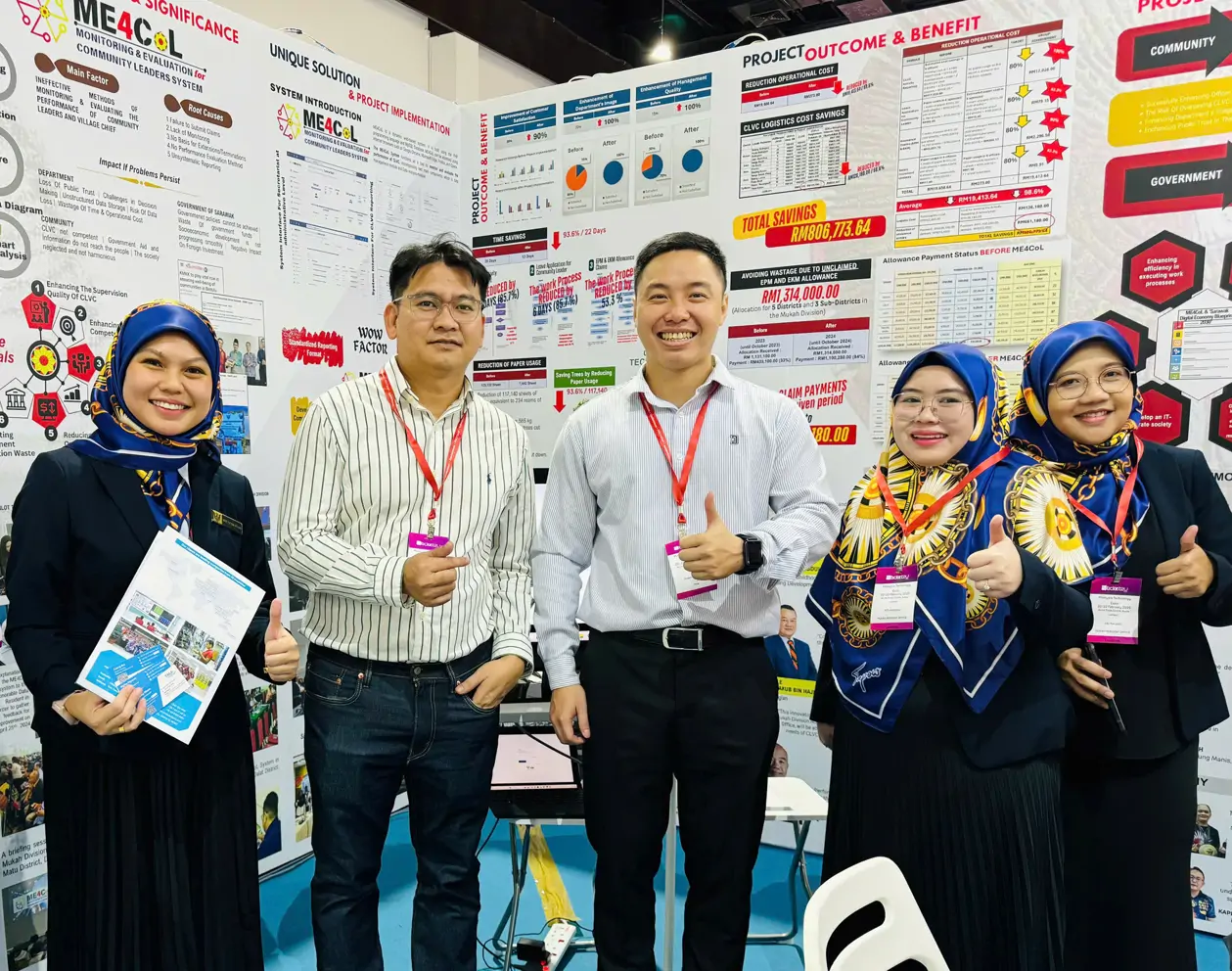
TMA Solutions takes part in Malaysia Technology Expo (MTE) 2025, expanding global innovation
 20/02/2025
TMA Solutions is set to participate in the Malaysia Technology Expo (MTE) 2025, taking place from February 20-22, 2025, at the World Trade Centre Kuala Lumpur. As one of the leading software outsourcing companies in Vietnam, TMA Solutions aims to engage with government departments, technology firms, AI specialists, and academic institutions in Malaysia to explore collaboration opportunities and showcase its expertise in cutting-edge technology solutions. About MTE 2025 MTE 2025 is a premier innovation and technology event that brings together global companies, entrepreneurs, investors, and innovators to discover the latest advancements in technology. With a hybrid format, the event allows participants to engage both physically and virtually, ensuring maximum accessibility and networking opportunities. Key highlights of MTE 2025 include: Networking sessions with industry leaders and professionals. Insights into the latest technology trends and innovations. Collaboration opportunities with research institutions and universities. Participation in prestigious awards programs such as the International Innovation Awards (IIA), Asian Youth Innovation Awards (AYIA), and Public Service Innovation Asia (PSIA). A dedicated Innovation Marketplace for exhibitors to showcase their innovative solutions to investors and technology enthusiasts. TMA Solutions' Participation At MTE 2025, TMA Solutions is meeting with key government departments in Malaysia to discuss technology-driven initiatives and potential partnerships. By engaging with top technology companies, the company is exploring new innovations and seeking opportunities for business collaboration. Additionally, TMA is interacting with AI experts and industry leaders to exchange knowledge on the latest advancements in artificial intelligence and emerging technologies. TMA Solutions is also connecting with universities and research institutions to foster cooperation in technology development, strengthening relationships that could lead to future innovations. At the event, TMA has introduced expertise in AI, healthcare solutions, fintech, telecom, and enterprise software outsourcing, demonstrating the capabilities to global. Driving Innovation and Collaboration With a strong presence in the IT outsourcing industry, TMA Solutions continues to expand its reach in global markets by collaborating with innovators and researchers to develop innovative solutions. Through MTE 2025, TMA Solutions looks forward to exchanging knowledge, identifying new business opportunities, and strengthening our position as a trusted technology partner in Asia as well as worldwide.
View Detail
NVIDIA Opens First R&D Center in Vietnam to Boost AI Development
10/12/2024December 5, 2024, NVIDIA has announced the opening of its first Research and Development (R&D) Center in Vietnam, marking a significant milestone for the country’s growing artificial intelligence (AI) ecosystem. The new center will focus on developing AI software, leveraging Vietnam’s talented STEM workforce, and collaborating with industry leaders, startups, government agencies, and universities. The goal is to accelerate AI adoption across key sectors such as healthcare, education, transportation, and finance. “We are excited to open NVIDIA’s R&D center to support Vietnam’s AI journey,” said Jensen Huang, founder and CEO of NVIDIA. “By partnering with local researchers, startups, and organizations, we aim to build innovative AI solutions right here in Vietnam.” Vietnam has emerged as one of the fastest-growing economies globally, fueled by advancements in technology and manufacturing. AI has become a key focus for the country, with government initiatives promoting innovation and digital transformation. Since 2021, Vietnam has been working to establish itself as a regional leader in AI research and development. Prime Minister Pham Minh Chinh welcomed the collaboration, stating, “Innovation is a core element of Vietnam’s development strategy. This partnership with NVIDIA represents an important step in strengthening Vietnam’s position in AI and high-tech industries in Southeast Asia.” NVIDIA’s presence in Vietnam isn’t new. Over the past eight years, the company has supported over 100 Vietnamese AI startups through its Inception program and partnered with 65 local universities. NVIDIA has also worked with FPT Smart Cloud, its first Vietnamese cloud partner, to drive AI advancements in the region. This R&D center reinforces Vietnam’s potential to become a hub for AI innovation, fostering collaboration and creating opportunities for researchers, businesses, and students alike. Source: NVIDIA
View Detail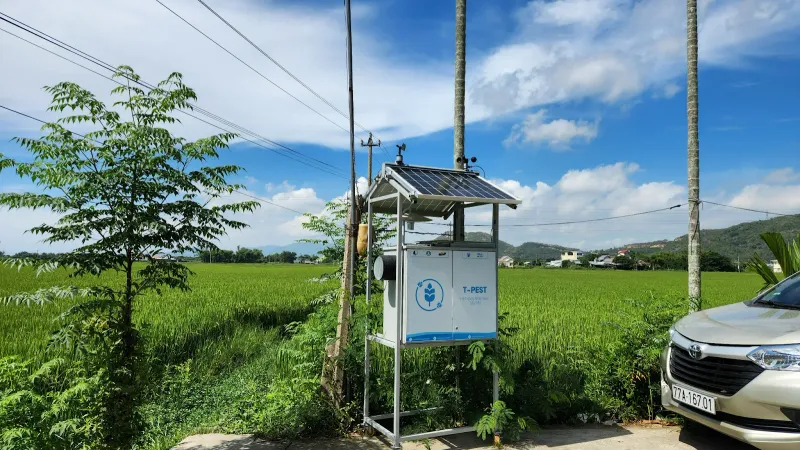
T-Pest: Smart Agriculture with AI, IoT, and GIS for Rice Pest Control
23/12/2024T-Pest: AI-Powered solution for early pest detection TMA Solutions has developed the T-Pest system, integrating AI, IoT, and GIS technologies to identify 7 types of rice diseases and monitor 8 harmful insects in Bình Định Province. This innovation stems from the research project titled “Application of Artificial Intelligence in Identifying and Monitoring Pests and Diseases in Rice Cultivation.” Combining the strengths of artificial intelligence, IoT, and cutting-edge information technology, T-Pest aims to optimize pest management, improve crop yield, and modernize agricultural practices in Vietnam. TMA's research project: Application of Artificial Intelligence in Identifying and Monitoring Pests and Diseases in Rice Cultivation A Comprehensive solution for smart agriculture T-Pest is equipped with an automatic data collection device featuring a high-resolution camera, UV light, and environmental sensors. Images collected are analyzed using the enhanced YOLOv5-Ghost AI model, ensuring fast and accurate identification of pests and diseases. This data is seamlessly integrated into a web-based platform, offering real-time monitoring and visually mapping pest infestations. The system empowers users with actionable insights to combat agricultural challenges. Key Features of T-Pest: Accurate detection: T-Pest can currently identify 7 rice diseases, including bacterial blight, rice blast, brown spot, physiological yellowing, sheath blight, sterile grain, and bacterial leaf streak, as well as 8 harmful insects, such as white-backed planthopper, brown planthopper, stem borer, small leaf roller, rice gall midge, green leafhopper, black bug, and green stink bug. Real-time Monitoring: Operates 24/7 in real-time, automatically collecting data and issuing timely pest alerts. User-friendly platform: Farmers can access a web-based dashboard to review pest and disease information, receive alerts, and implement suggested solutions promptly. TMA's T-Pest is located in Binh Dinh AI-powered precision According to Mr. Trần Hoàn Anh Nguyên, Director of TMA’s Data Science Center, the development of T-Pest began with building a comprehensive database of common rice pests and diseases in local fields. Data was gathered using specialized equipment and smartphones, followed by detailed labeling and validation to ensure the accuracy of AI training datasets. Mr. Nguyễn Quốc Dương, a core researcher, highlighted that optimizing the YOLOv5 AI model significantly enhanced T-Pest’s performance. By reducing the model's size and resource requirements while maintaining high accuracy, the system is well-suited for practical deployment in real-world farming environments. During field trials conducted in Phù Cát and Tuy Phước districts, T-Pest analyzed over 1,000 images of pests and diseases with an accuracy rate exceeding 80%. The accompanying mobile application further simplifies the process, enabling farmers to quickly assess field conditions, receive alerts, and take timely preventive measures. A farmer from Phước Sơn Commune, Mr. Nguyễn Văn Chín, shared: "The T-Pest system makes it easier for us to monitor our fields and detect pests without frequent visits. It’s a reliable tool for managing crops and securing better harvests." Authorities test the performance of the T-Pest machine when deployed in the field Paving the way for agricultural modernization T-Pest has not only earned recognition from farmers but also from agricultural management authorities. It marks a significant milestone for smart farming initiatives in Bình Định Province and opens new opportunities for high-tech applications in agriculture across Vietnam. As shared by Mr. Nguyên, TMA Solutions plans to expand T-Pest’s reach beyond Bình Định after the pilot phase. The goal is to enhance pest control measures, boost yields, and safeguard crops, contributing to Vietnam’s vision of sustainable agricultural development. By integrating AI and IoT technologies, T-Pest demonstrates the transformative power of artificial intelligence in addressing modern agricultural challenges, offering a scalable and effective solution for pest management.
View Detail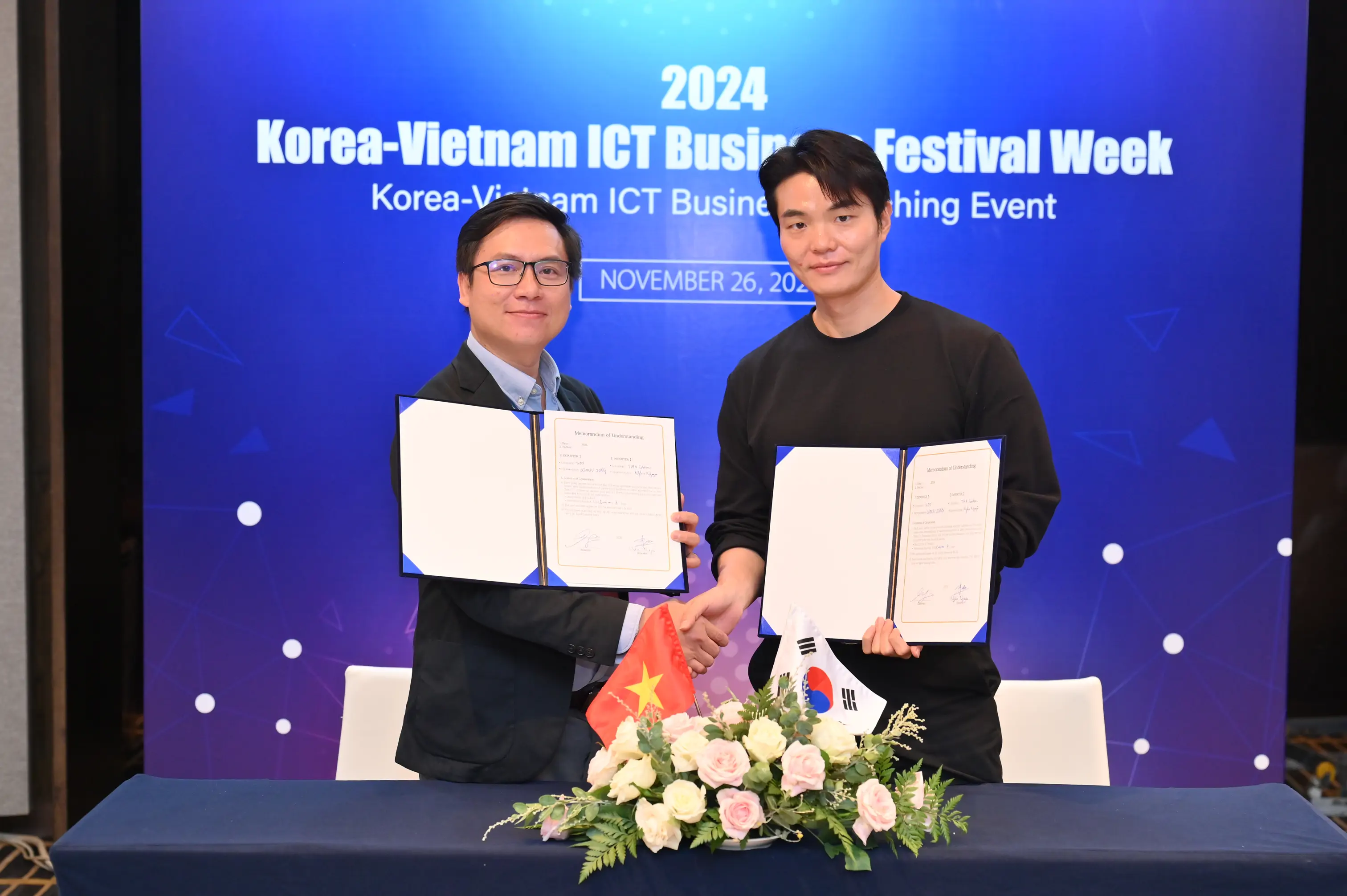
TMA Signs MOU with InDJ at Korea-Vietnam ICT Business Festival, Strengthening AI Collaboration
02/12/2024On November 26, TMA proudly participated in the "Korea-Vietnam ICT Business Festival Week" event, an important program aimed at fostering connections and promoting exchanges on AI technology products between Vietnamese companies and leading businesses from South Korea. This event not only provided opportunities for networking but also delved into discussions on technological solutions in key areas such as human resources, AI-powered CCTV, healthcare, parking management, and waste sorting using artificial intelligence. TMA representatives signing a MOU with InDJ during the Korea-Vietnam ICT Business Festival Week At the event, TMA had the privilege to meet and engage directly with 13 Korean businesses. Notably, TMA signed a Memorandum of Understanding (MOU) with InDJ , marking a significant milestone in the collaboration between the two parties, particularly in the development and application of https://www.tmasolutions.com/technologies/ai-ml-and-data-sciences advanced AI solutions . Additionally, TMA was delighted to extend an invitation to Goback Tech to visit TMA creating an opportunity to highlight our technological capabilities, https://www.tmasolutions.com/services/innovation-as-a-service innovative solutions , and long-term collaboration strategies. TMA at Korea-Vietnam ICT Business Festival Week The "Korea-Vietnam ICT Business Festival Week" event served as more than just an occasion for TMA to reaffirm its position in the fields of information technology (IT) and artificial intelligence (AI); it also underscored our strong commitment to fostering international partnerships. Through meaningful exchanges and agreements during the event, TMA aims to contribute to the development of groundbreaking technological solutions, serving not only the local community but also making a positive impact on the international market, particularly in South Korea. TMA strengthens global ties with Korean businesses at ICT Business Festival TMA believes that, with a strong technological foundation and a strategic vision for collaboration, its partnerships with Korean counterparts will achieve outstanding success in the future, contributing to the growth of the technology sectors in both nations.
View Detail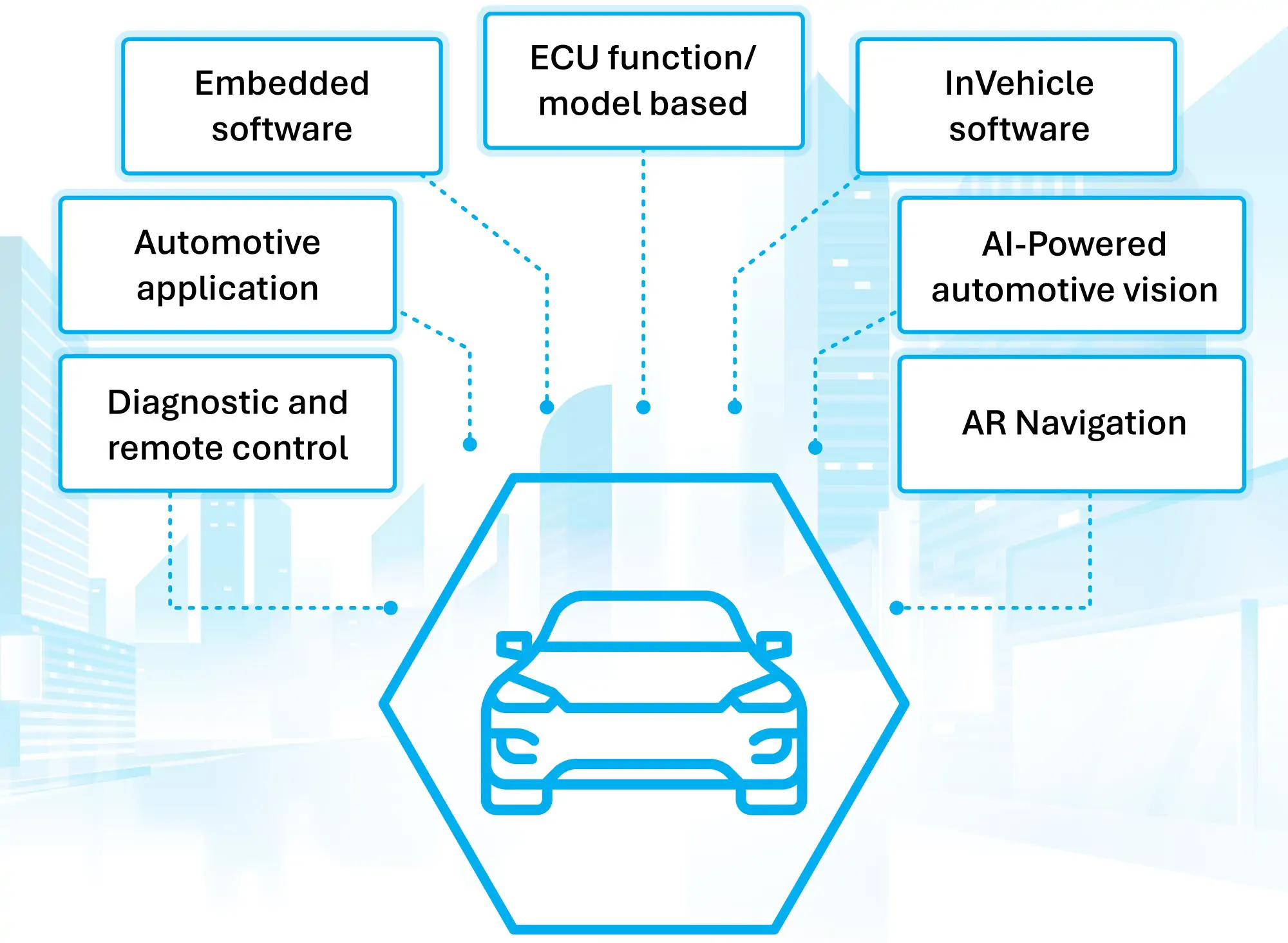
Press Release | TMA Automotive Software Center Launched Solutions For Software-Defined Vehicles
19/12/2024HO CHI MINH CITY, Vietnam, Dec. 19, 2024 /PRNewswire/ -- After several years of intensive investment on R&D, https://www.tmasolutions.com/industries/automotive-software TMA Automotive Software Center has completed a set of new solutions to support development of Software-Defined Vehicles. The solutions include R&D prototyping, embedded software, model-based development, application development, porting & optimization, MiL/SiL test and testing in specialized hardware. As a development partner of AUTOSAR, TMA is sharing its extensive experience and knowledge of https://www.tmasolutions.com/services/software-development software development standards, processes and methodologies with the AUTOSAR community. TMA Automotive Software Center launched solutions for Software-Defined Vehicles The future of vehicles is undoubtedly software-defined, with visionary carmakers increasingly recognizing the importance of software as the cornerstone of next-generation automotive innovation. To remain competitive in this rapidly evolving landscape, automakers are making substantial investments in partnerships, research, and advanced technologies. These efforts are geared toward developing the complex and interconnected software systems that will drive the vehicles of tomorrow, from autonomous driving capabilities to personalized in-car experiences and seamless connectivity. The rise of electric and autonomous vehicles further accelerates this trend, as these vehicles rely heavily on sophisticated software for energy management, real-time decision-making, and integration with smart infrastructure. Additionally, advancements in https://www.tmasolutions.com/technologies/ai-ml-and-data-sciences artificial intelligence , machine learning, and over-the-air (OTA) updates are reshaping how vehicles operate and interact with their environment. TMA Solutions, with nearly 4,000 engineers, has invested heavily on solutions to support transition to software-defined vehicles (SDVs). TMA Automotive Software Center offers various solutions for automotive, including In-Vehicle System, Door and Window Power System, Car Controller System, CarPilot Diagnostic, Navigation for Android Automotive OS, Car Mobile Remote, Traffic Image Processing, Automotive NAD and V2X Stack. TMA Solutions also provides a comprehensive suite of https://www.tmasolutions.com/services engineering services encompassing in-vehicle infotainment, Electronic Control Units (ECU), functional safety, security, automotive UI/UX design, wireless connectivity, and digital engineering. Leveraging its strength in software development, the company aims to empower global tier-1 suppliers, OEMs, and chipmakers to enhance market competitiveness and deliver more connected, intelligent, sustainable, and future-ready vehicles. With many years of experience in the automotive industry, TMA has cultivated a deep understanding of the unique challenges and opportunities in this dynamic sector. TMA's success is built on a skilled engineering team with automotive software development best practices and processes. TMA leverages cutting-edge technologies such as artificial intelligence (AI), https://www.tmasolutions.com/technologies/cloud cloud computing , computer vision, and advanced analytics to stay at the forefront of innovation. These tools enable TMA to develop sophisticated software solutions that meet the evolving needs of modern vehicles, from intelligent driver-assistance systems to seamless in-vehicle connectivity. By harnessing the power of these technologies, TMA is not only optimizing performance but also redefining the possibilities within the automotive landscape. TMA's vision is to accelerate the rapid development of the automotive industry, a sector increasingly defined by software and innovation. As vehicles evolve into sophisticated platforms that combine hardware and software in seamless harmony, TMA aim to contribute to this transformation by delivering solutions that are robust, scalable, and future-ready. Whether it's enabling autonomous driving, enhancing user experiences, or ensuring sustainability, TMA is dedicated to shaping a smarter, more connected, and software-driven future for mobility. Software business innovations such as AUTOSAR, middleware, and development tools are increasingly important for the evolution of new electrical and electronic architectures. With the cooperation with AUTOSAR, TMA is investing in developing software-defined vehicles and innovative automotive solutions based on TMA's experiences in software and https://www.tmasolutions.com/technologies/hardware-integration hardware integration and latest technologies. Partner with TMA Solutions for innovative https://www.tmasolutions.com/industries/automotive-software automotive software solutions TMA's Automotive Software Center, fueled by years of intensive R&D investment, has developed a comprehensive suite of solutions to support the transition to Software-Defined Vehicles. These include R&D prototyping, embedded software, model-based development and https://www.tmasolutions.com/services/qa-software-testing-services testing . With more than 27 years of experience in software R&D, TMA Solutions has established itself as an innovative and trusted partner in the automotive industry. Leveraging a large engineering team with latest technologies, TMA can accelerate your innovation in automotive software solutions.
View Detail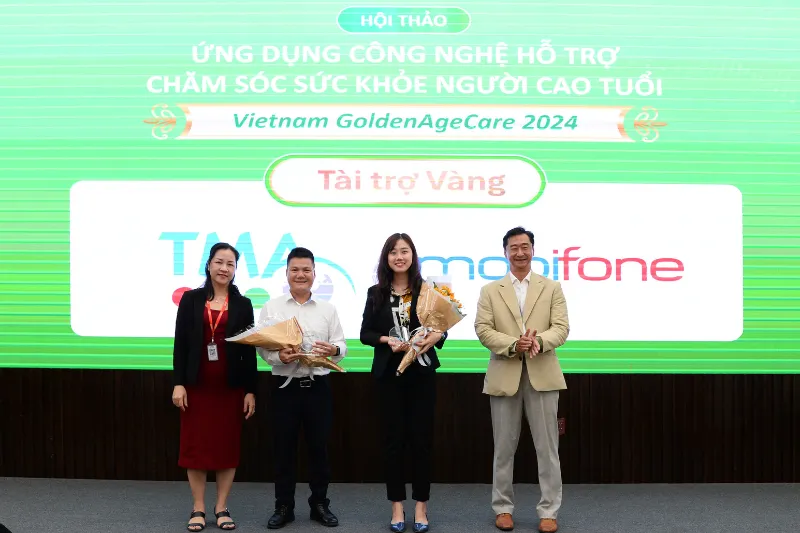
TMA introduces comprehensive technology solution in elderly care in Vietnam Golden Age Care 2024 conference and exhibition technology applied in elderly care
30/11/2024According to the United Nations population fund (UNFPA), Vietnam is currently facing rapid population aging, which creates significant challenges in healthcare and support services for the elderly. In this context, the application of technology in elderly healthcare not only helps reduce the burden on society but also supports families in caring for their loved ones, ensuring a better quality of life for the elderly. On the morning of November 27, 2024, the conference and exhibition "Technology applications in elderly healthcare" - Vietnam Golden Age Care 2024, took place at Quang Trung Software Park, Ho Chi Minh City. This is an important event in the context of Vietnam and the world facing rapid population aging. In Vietnam, the elderly population is increasing, presenting many challenges for healthcare and enhancing their quality of life. According to statistics, individuals aged 60 and above accounted for 11.9% of the total population in 2019 and are projected to exceed 25% by 2050. As the elderly population rises, the demand for social services and healthcare also increases. Elderly people often suffer from 3 to 5 chronic diseases, requiring long-term or even lifelong treatment, putting considerable pressure on the healthcare system. Therefore, enhancing healthcare and improving the quality of life for the elderly is extremely urgent. One effective solution is the application of technology in this field, helps improve the quality of health care for the elderly and improve their lives. The Vietnam Golden Age Care 2024 conference and exhibition serves as a platform for networking between technology companies, medical equipment suppliers, geriatric clinics, healthcare service providers, and nursing home investors. The event aims to build a comprehensive healthcare ecosystem for the elderly, especially in Vietnam. During the conference, experts from KPMG, Thong Nhat Hospital, Mobifone, TMA, and other technology companies will share insights on elderly healthcare, current needs, and realities in Ho Chi Minh City and Vietnam, as well as global trends in the application of technology in this field. Companies will also present the latest technological solutions, including trends in the new generation of nursing homes (inpatient, outpatient, and residential care), as well as models combining tourism, relaxation, and wellness. TMA introduces a solution to support elderly care At Vietnam Golden Age Care 2024, TMA officially introduced the https://www.tmasolutions.com/industries/healthcare mCare elderly care solution , an advanced technology system designed to enhance the quality of healthcare for the elderly. This comprehensive solution integrates numerous modern features, enabling 24/7 health monitoring and automatic alerts in case of abnormalities. The mCare system not only supports the monitoring of health indicators but is also flexibly designed to integrate with other medical devices, catering to the diverse needs of elderly care facilities. Additionally, mCare effectively addresses challenges such as staff shortages and inefficient operational management – two major issues faced by many care institutions. A key highlight of mCare is its application of https://www.tmasolutions.com/technologies/ai-ml-and-data-sciences advanced AI technology , digitizing the entire operational and management process within elderly care facilities. This system not only improves the management of facilities and staff but also delivers exceptional value to the elderly, their families, and caregiving teams, including: For the elderly: Continuous health monitoring, early warnings for abnormalities, medication management, and information sharing with family members. For elderly care facilities: Enhanced service quality, optimized operational processes and costs, and improved client satisfaction. The mCare solution goes beyond managing care within institutions, expanding to include various at-home services such as monitoring chronic illnesses, providing personal doctors, and offering online consultation support. This marks a significant advancement that underscores TMA's pioneering role in leveraging technology to meet the healthcare needs of the elderly community in Vietnam. The Vietnam Golden Age Care 2024 conference and exhibition not only provides an opportunity for stakeholders to connect but also marks a significant step in applying technology to improve healthcare for the elderly. This event emphasizes the importance of technology in addressing the challenges of population aging, aiming for a healthy and sustainable future for the elderly community in Vietnam. Source: laodong.vn
View Detail