Introduction
In the rapidly evolving landscape of financial technology, few innovations promise to reshape the industry as profoundly as Agentic AI. As we navigate through 2025, the integration of autonomous AI agents into WealthTech— the sector focused on leveraging technology for wealth management, investment advisory, and financial planning—marks a pivotal shift. Agentic AI refers to advanced artificial intelligence systems capable of independent decision-making, pursuing long-term goals, and iteratively solving complex problems without constant human oversight. Unlike traditional AI, which often reacts to predefined inputs, agentic systems act proactively, adapting to dynamic environments much like a human advisor but at scale and speed unattainable by humans alone.
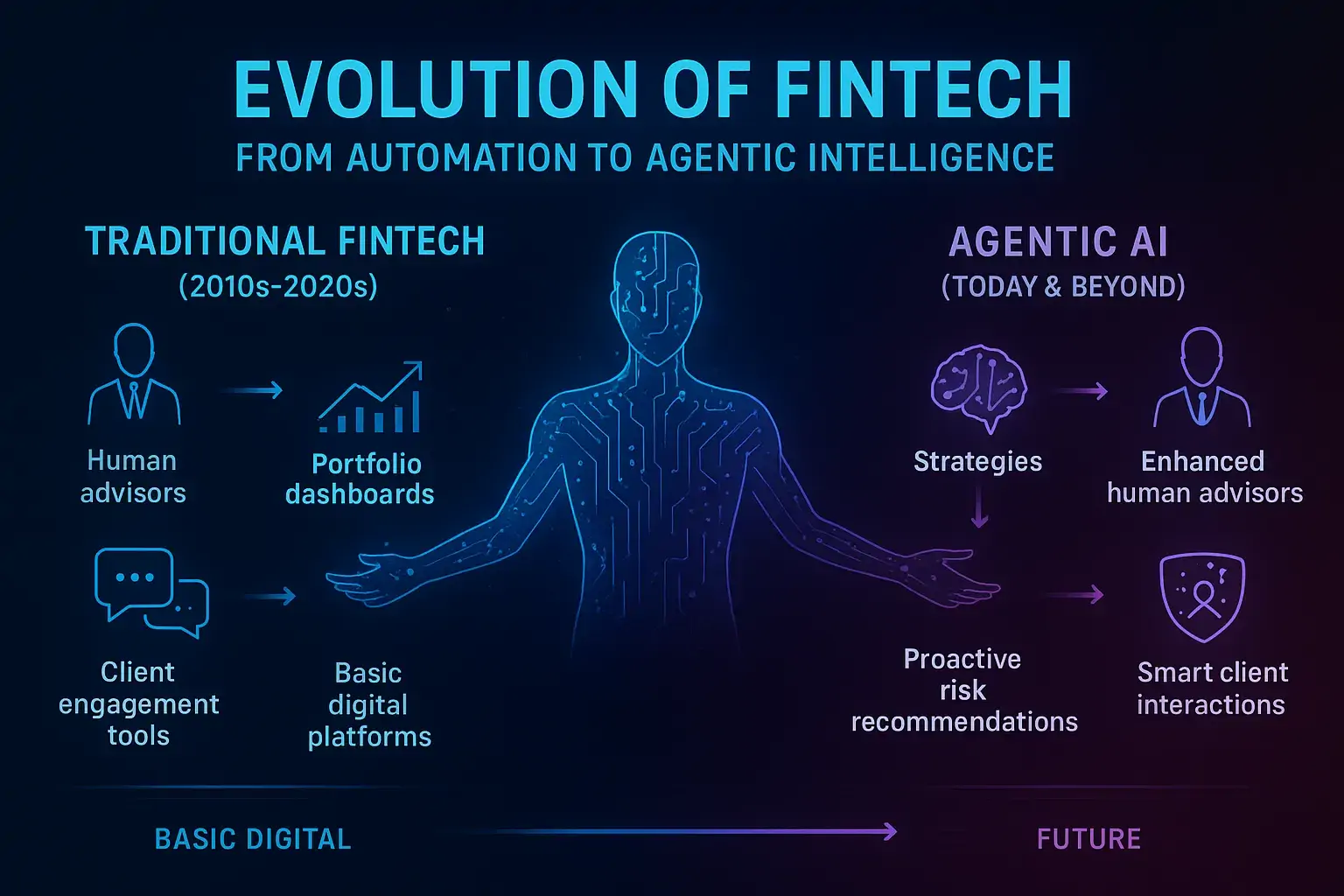
WealthTech, encompassing robo-advisors, portfolio management tools, and client engagement platforms, has long been at the forefront of fintech innovation. However, the advent of Agentic AI elevates this sector by enabling hyper-personalized services, enhanced compliance, and operational efficiencies that could unlock trillions in value. According to industry insights, Agentic AI is transforming wealth management by delivering stronger returns, reducing costs, and expanding access to sophisticated financial advice for a broader clientele.
Understanding Agentic AI: From Concept to Capability
To grasp the rise of Agentic AI in WealthTech, it is essential to first define the technology. Agentic AI builds on generative AI (GenAI) foundations but extends into autonomy. These systems are designed as "agents" that can perceive their environment, reason through multi-step processes, and execute actions toward predefined objectives. For instance, an agent might analyze market data, simulate investment scenarios, and execute trades—all while learning from outcomes to refine future decisions.
The evolution of Agentic AI traces back to early AI research in the 1950s, but its practical surge occurred post-2020 with advancements in large language models (LLMs) like GPT-4 and beyond. By 2023, frameworks such as LangChain and Auto-GPT enabled the creation of AI agents that could chain tasks autonomously. In finance, this autonomy is particularly valuable due to the sector's data-intensive and time-sensitive nature. Agentic AI in financial services can autonomously assess risks, such as evaluating micro-loans for smallholder farmers using localized data, thereby promoting financial inclusion without human intervention.
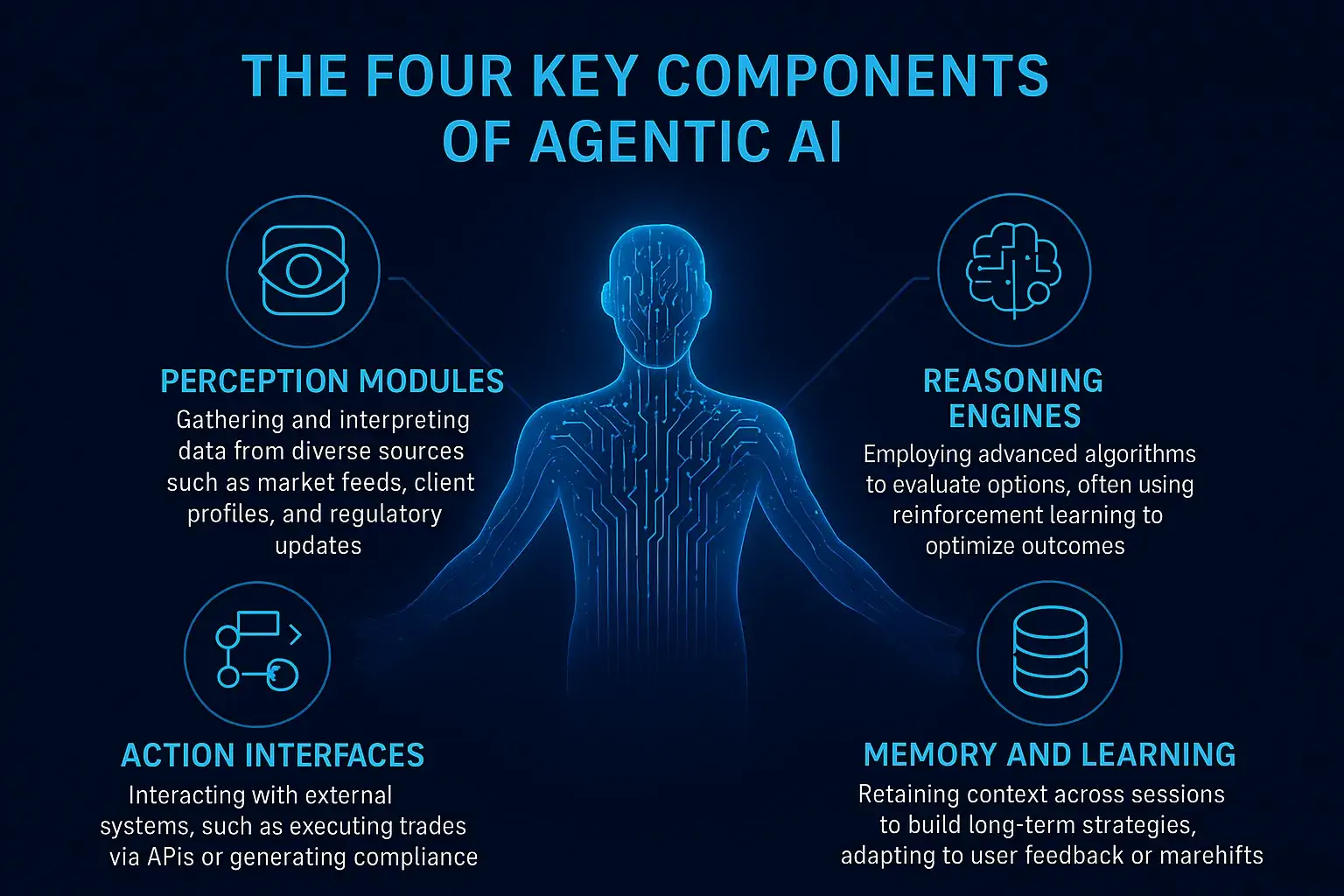
Key components of Agentic AI include:
- Perception Modules: Gathering and interpreting data from diverse sources like market feeds, client profiles, and regulatory updates.
- Reasoning Engines: Employing advanced algorithms to evaluate options, often using reinforcement learning to optimize outcomes.
- Action Interfaces: Interacting with external systems, such as executing trades via APIs or generating compliance reports.
- Memory and Learning: Retaining context across sessions to build long-term strategies, adapting to user feedback or market shifts.
In the financial domain, these capabilities translate to transformative applications. Agentic AI can monitor markets in real-time, detect subtle correlations, and optimize portfolios dynamically. For WealthTech specifically, agents serve as "intelligent copilots," handling everything from client onboarding to personalized investment recommendations.
WealthTech Landscape: Setting the Stage for Agentic Integration
WealthTech refers to the application of technology to enhance wealth creation, preservation, and transfer. It includes platforms for automated investing (robo-advisors), digital wealth platforms, and analytics tools for high-net-worth individuals (HNWIs). The sector has grown exponentially, with global investments reaching $1.5 billion in Q2 2024, though stabilizing at $698 million in Q2 2025 amid economic uncertainties. Key players like Betterment, Wealthfront, and Vanguard have pioneered robo-advisory, but traditional firms such as UBS and Morgan Stanley are now embedding AI to stay competitive.
The pre-Agentic era in WealthTech relied on rule-based automation and basic machine learning for tasks like asset allocation. However, limitations—such as inability to handle unstructured data or adapt to black-swan events—highlighted the need for more sophisticated systems. Enter Agentic AI, which addresses these gaps by introducing agency: the ability to act independently within ethical and regulatory bounds.
In 2025, WealthTech trends emphasize AI-driven personalization and efficiency. For instance, the integration of GenAI meeting assistants and agentic workflows is projected to improve advisor productivity by 30%, allowing focus on high-value client interactions. Agentic AI fits seamlessly, acting as a bridge between data silos in CRMs, planning tools, and portfolio systems. This convergence is evident in Europe's WealthTech scene, where agentic tools are reshaping advisor-client dynamics and value delivery.
The Rise: Key Applications and Case Studies in WealthTech
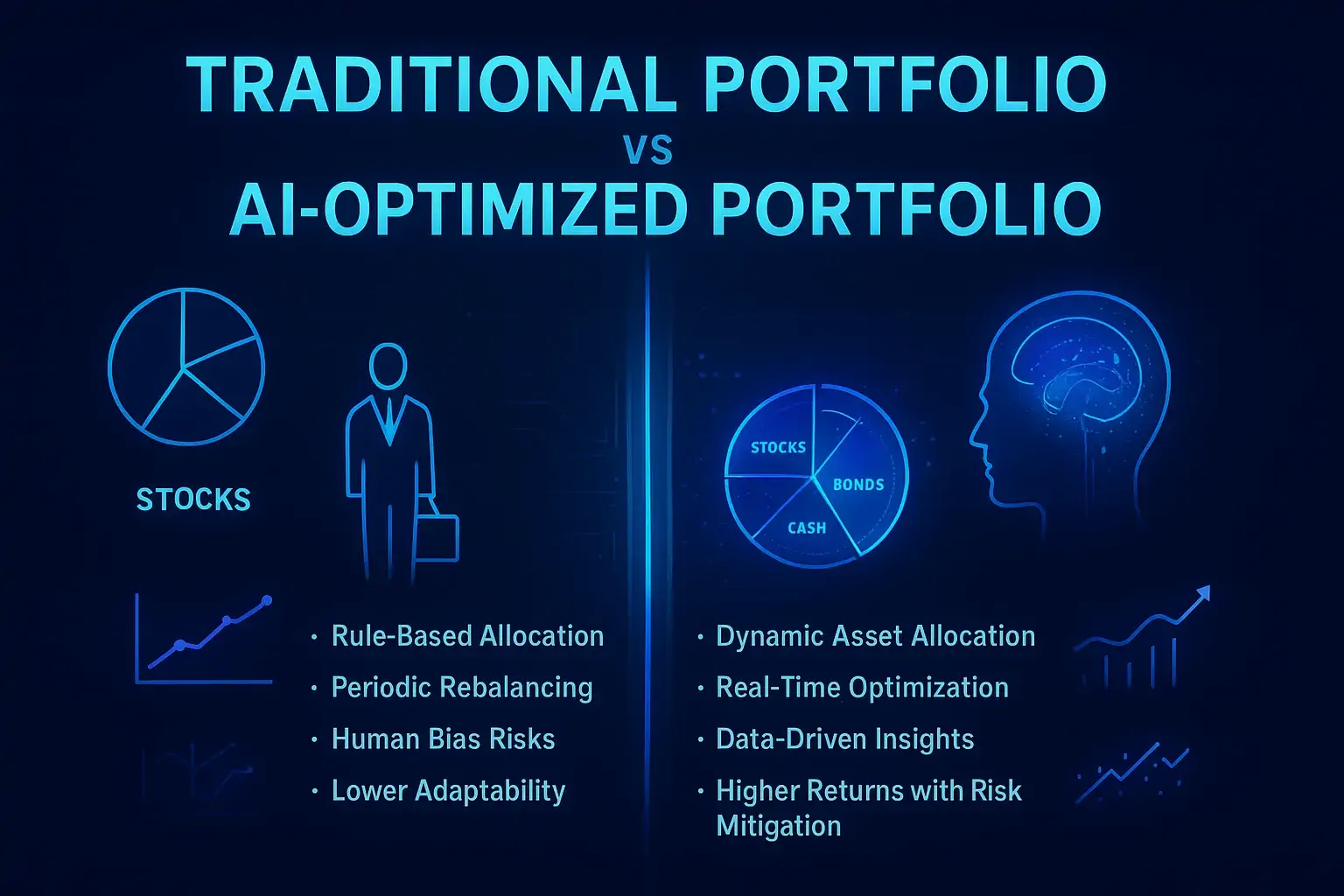
Agentic AI's ascent in WealthTech is manifested through diverse applications that enhance core functions. One primary area is portfolio management and optimization. Traditional models use static algorithms, but agentic systems dynamically rebalance portfolios based on real-time market signals, client risk tolerances, and macroeconomic forecasts. For example, AI agents can simulate thousands of scenarios to recommend allocations that maximize returns while minimizing volatility, often outperforming human advisors by 15-20% in backtested studies.
Another critical application is personalized client advisory. Agentic AI creates 360-degree client profiles by analyzing transaction histories, social media sentiments, and life events, delivering tailored advice. In fraud detection, agents autonomously monitor transactions, flagging anomalies and even initiating responses like temporary holds, reducing false positives by up to 50%. Compliance automation is equally vital; agents handle KYC (Know Your Customer) checks, regulatory reporting, and audit trails, ensuring adherence to evolving standards like GDPR and SEC rules.
Client onboarding and engagement have also been revolutionized. Agentic AI streamlines paperwork, verifies identities via biometric integration, and conducts initial financial assessments, cutting onboarding time from days to minutes. For engagement, virtual agents provide 24/7 support, answering queries in natural language and escalating complex issues to human advisors.
Real-world case studies illustrate this rise. JPMorgan Chase, a leader in AI adoption, deploys agentic systems across 10 key areas, including LOXM (an AI trading tool that optimizes execution) and COIN (Contract Intelligence for legal document analysis). In wealth management, their agents analyze client data to predict needs, such as retirement planning adjustments, resulting in a 20% increase in client satisfaction scores. Another example is Focal's platform, which uses agentic AI to automate administrative tasks for advisors, freeing up to 10 hours per week per advisor for strategic work. In a pilot with a mid-sized RIA (Registered Investment Advisor), Focal's agents handled portfolio rebalancing and compliance checks, boosting AUM (Assets Under Management) growth by 25%.
TMA Solutions: Pioneering Agentic AI Innovations in WealthTech
TMA Solutions, a Vietnam-based global software provider specializing in AI and fintech, is a leader in integrating Agentic AI into WealthTech. With over 4,000 employees since 1997, TMA delivers customized solutions worldwide, focusing on automation, predictive analytics, and client personalization. Key offerings include the Robo-Adviser Solution, which uses agentic AI for dynamic portfolio creation, rebalancing, and scenario simulation based on client goals and market data, enabling scalable hyper-personalized advice for HNWIs and retail investors. A notable case study involves an Australian client where TMA's agentic AI enhanced credit risk analysis, processing large datasets autonomously to improve precision by 30%, cut processing time by 50%, and reduce defaults, allowing focus on strategic tasks.
TMA's AI Agent Factory, a no-code platform, builds agent workflows for fraud detection, real-time monitoring, and AI-powered chatbots, ensuring compliance and 24/7 client engagement under standards like GDPR. Through its AI Center of Excellence, TMA provides end-to-end machine learning solutions and integrations, with multi-agent systems handling wealth management from onboarding to optimization.
Extending beyond WealthTech, TMA applies Agentic AI, edge AI, AI agents development, and AI agents solutions for enterprise for AI-powered automation. In education: learning management system, enterprise e-learning system, self-learning platforms, education technology solutions, e-learning software, digital classroom tools, AI in education. For business: AI for business management, human AI assistant, human-interactive AI.
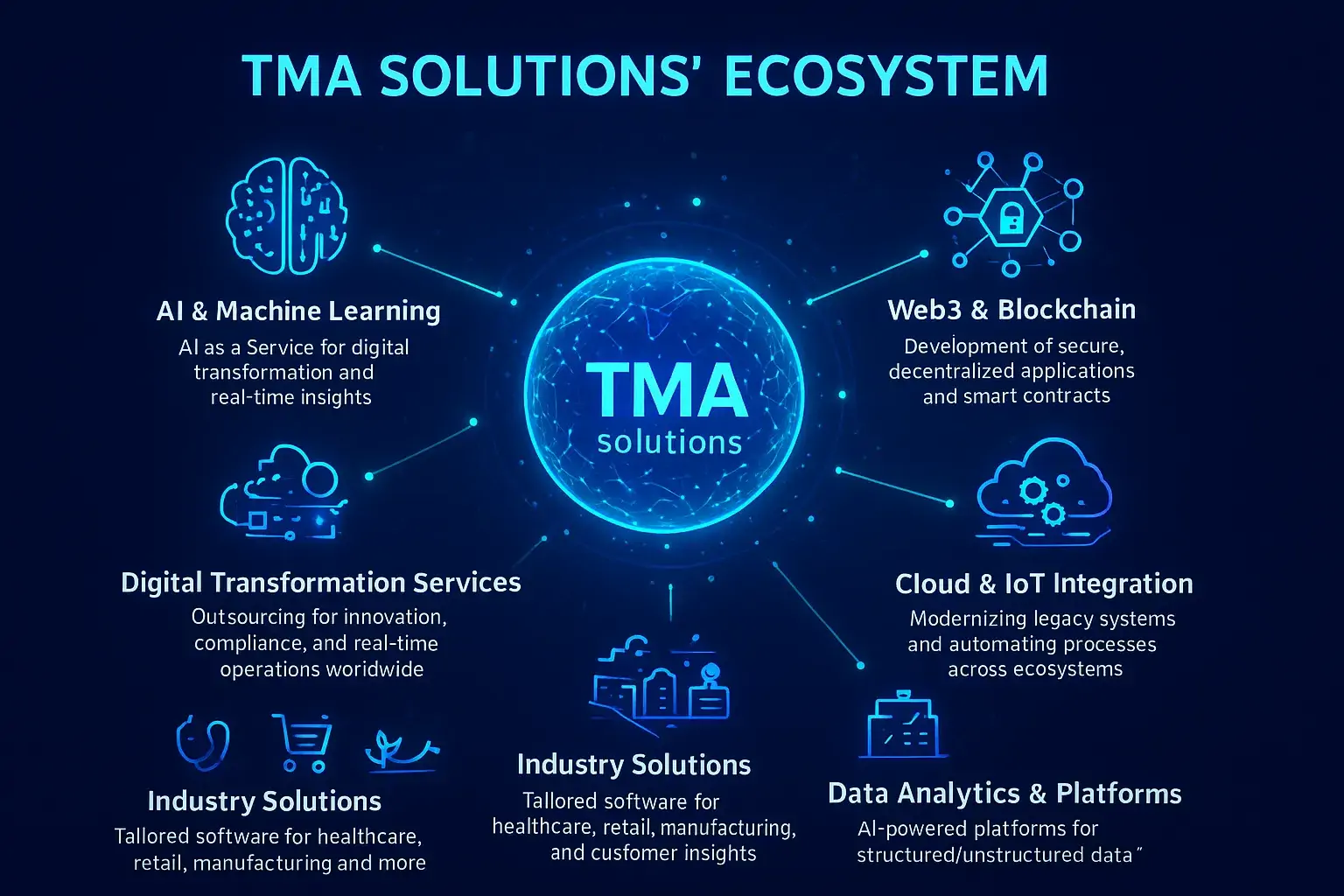
In summary, TMA exemplifies agentic AI's implementation in WealthTech, delivering ROI through cost reductions and client retention, while advancing ethical AI adoption across industries.
Challenges and Risks: Navigating the Double-Edged Sword
Despite its promise, the rise of Agentic AI introduces significant challenges. Foremost is regulatory compliance and governance. Financial services operate under stringent rules, and autonomous agents risk non-compliance if their decisions veer into uncharted territory. For example, biased training data could lead to discriminatory lending practices, exacerbating inequalities. The EU's AI Act and U.S. SEC guidelines demand explainability, yet agentic systems' "black box" nature complicates audits.
Data privacy and security pose another hurdle. Agents process sensitive financial data, raising risks of breaches or misuse. Incidents like deepfake fraud, where agents are tricked into unauthorized actions, underscore vulnerabilities. Ethical concerns, including algorithmic bias and accountability for errors, further complicate adoption. A Forrester study notes that while agentic AI transforms services, it could disrupt jobs, with up to 30% of advisory roles automated by 2030.
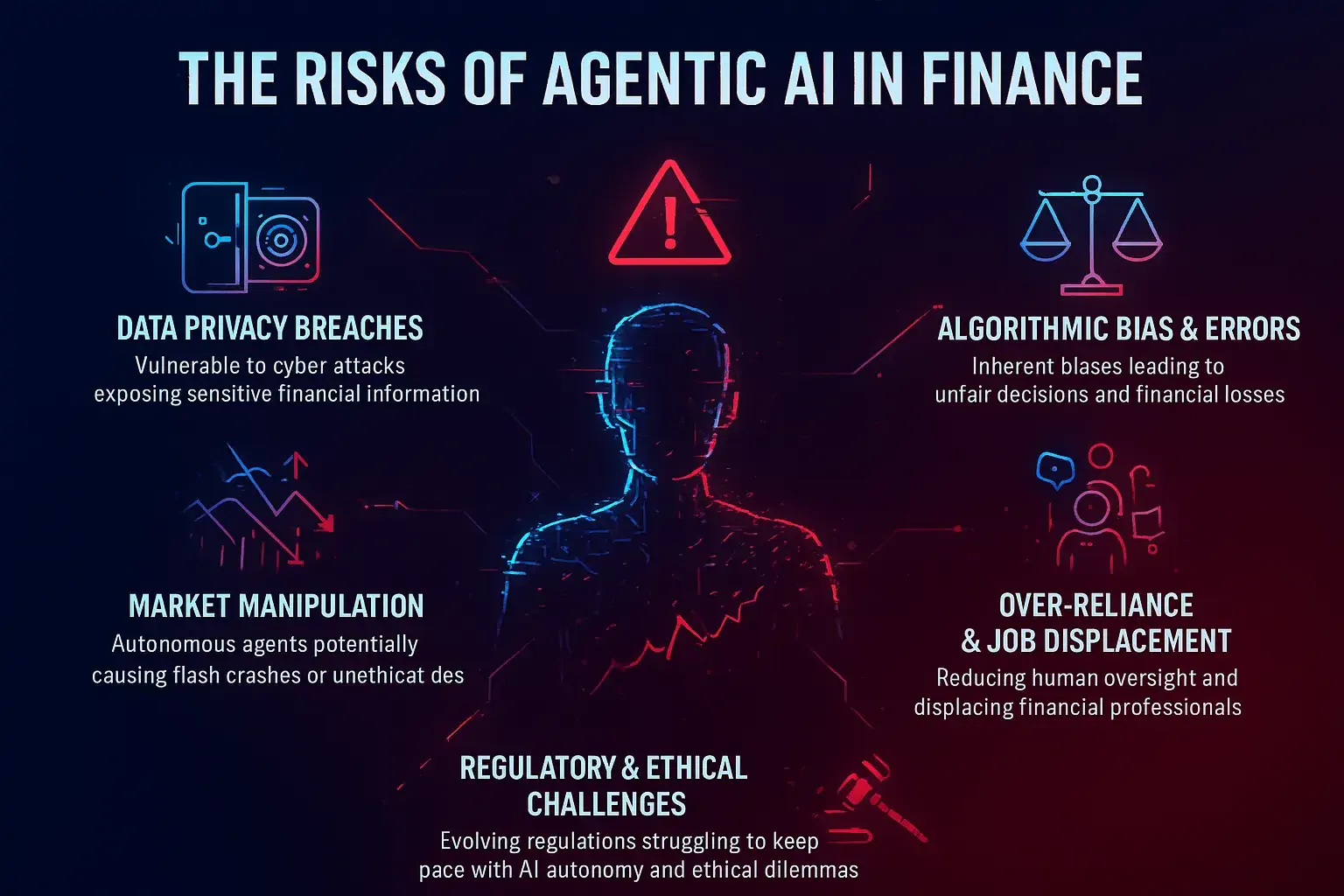
Implementation challenges include integration with legacy systems, high upfront costs (often $1-5 million for enterprise setups), and talent shortages for overseeing agents. Scalability issues arise from handling "newfound risks," such as unintended actions in volatile markets, as highlighted by McKinsey. Moreover, over-reliance on agents could amplify market volatility if multiple systems react similarly to the same signals.
Mitigation strategies involve hybrid models—agents augmented by human oversight—and robust testing frameworks. Firms like IBM emphasize ethical adoption through bias audits and transparent governance. Despite these risks, the consensus is that proactive management will enable safe scaling.
The Future: Horizons of Agentic AI in WealthTech
Looking ahead, Agentic AI's role in WealthTech will expand dramatically. By 2030, experts predict 80% of wealth management processes will be agent-driven, with multi-agent swarms handling end-to-end client journeys—from acquisition to legacy planning. Trends for 2025 include deeper Open Finance integration, where agents access unified data ecosystems for holistic advice, and embeddable AI in apps for seamless experiences.
Advancements in multimodal AI—combining text, voice, and visuals—will enable more intuitive interactions, such as VR-based portfolio reviews. Regulatory evolution, like AI-specific sandboxes, will accelerate adoption. In emerging markets, agentic AI could bridge gaps, offering affordable advice to underserved populations.
Challenges notwithstanding, the future is optimistic. As Dr. Sindhu Joseph notes, agentic AI will act as an "intelligence layer," empowering firms to serve exponentially more clients efficiently. The fintech revolution, halfway through 2025, is just beginning.
Conclusion
The rise of Agentic AI in WealthTech applications heralds a new era of intelligent, autonomous finance. From optimizing portfolios to fostering personalized relationships, these agents are unlocking unprecedented value while demanding vigilant oversight of risks. As the sector matures, stakeholders must balance innovation with ethics to ensure equitable growth. Ultimately, Agentic AI is not replacing advisors but elevating them, paving the way for a more inclusive and efficient wealth ecosystem. The journey is underway—firms that embrace it will lead the charge into tomorrow's financial frontier.
Ready to harness the power of Agentic AI for your WealthTech needs? Contact TMA Solutions today to explore customized solutions, schedule a demo of our Robo-Adviser or AI Agent Factory, and transform your financial operations with cutting-edge autonomy. Visit https://www.tmasolutions.com/ or contact us at https://www.tmasolutions.com/contact-us to get started now!


.webp_2026-10-01-18-27-07-971.webp)
.webp_2026-10-01-18-17-11-290.webp)