Learning Analytics Is Evolving
Education platforms generate massive amounts of data, but most learning analytics systems still stop reporting scores, attendance, and completion rates. These insights describe what happened, but they do not help educators improve outcomes at scale.
Learning Analytics 2.0 moves beyond reporting. It applies data intelligence and AI to identify learning gaps early, predict academic risk, and support timely intervention.
What Is Learning Analytics 2.0?
Learning Analytics 2.0 is a data-driven approach that transforms learning data into actionable educational intelligence.
It enables institutions to:
- Analyze student performance at concept and skill level
- Detect learning risks before failure occurs
- Personalize learning pathways
- Support teachers with clear, data-backed insights
The focus shifts from dashboards to measurable improvement in student performance.

Key Capabilities
Structured Learning Data
Learning Analytics 2.0 organizes data by subject, chapter, lesson, and difficulty level, enabling precise analysis across individuals, classes, and institutions.
AI-Driven Insights
AI models identify performance patterns, recurring misconceptions, and engagement risks that are impossible to detect manually at scale.
Actionable Interventions
Instead of static reports, the system provides alerts, recommendations, and performance indicators that guide teaching and curriculum decisions.
Learning Analytics in Practice
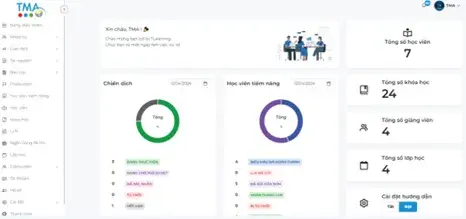
EdTech solutions developed by TMA Innovation apply Learning Analytics 2.0 principles by integrating assessment data, curriculum structure, and learner behavior into a unified analytics platform.
These solutions help schools and education providers:
- Monitor learning progress in real time
- Identify at-risk students early
- Optimize curriculum using performance data
Conclusion
Learning Analytics 2.0 turns education data into decisions that improve learning outcomes at a scale. By combining structured data, AI-driven analysis, and actionable insights, institutions can move from observation to continuous improvement.


.webp_2026-10-01-18-27-07-971.webp)
.webp_2026-10-01-18-17-11-290.webp)
.webp_2026-10-01-18-08-26-854.webp)
.webp_2026-10-01-17-47-32-240.webp)