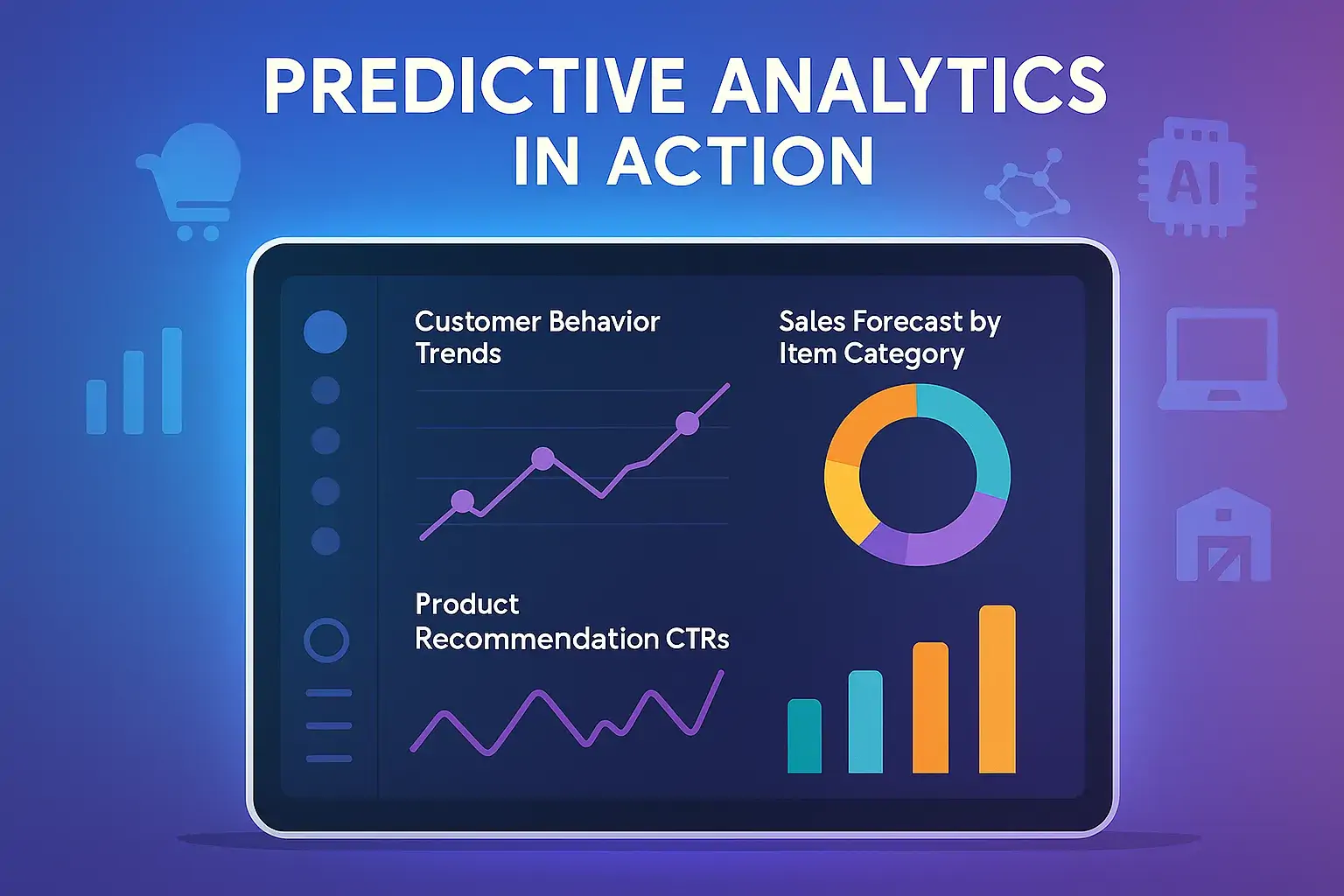
In today’s hyper-competitive digital marketplace, understanding customer behavior is no longer enough—businesses must predict what customers want next. Predictive analytics, powered by AI in Ecommerce and Machine Learning Solutions, transforms historical and real-time data into actionable foresight. This enables Online Shopping Platforms to optimize decisions, deliver Omnichannel Retail experiences, and enhance operational efficiency at scale. By integrating AI Chatbots for Ecommerce and Human-Interactive AI, businesses can personalize customer interactions, while Smart Warehouse Solutions and Supply Chain Management streamline operations. Simply put, predictive analytics helps e-commerce businesses move from reactive to proactive, creating a significant competitive edge through Ecommerce Solutions.
Why Predictive Analytics Matters
Modern consumers expect instant, personalized, and relevant interactions. Predictive analytics empowers businesses to meet these expectations by analyzing historical and real-time data to forecast future trends and behaviors. In e-commerce, this leads to:
- More effective targeting and segmentation
- Reduced cart abandonment through preemptive offers
- Better inventory management and demand forecasting
- Personalized product recommendations
- Dynamic pricing based on behavior, seasonality, and competitor analysis
- Simply put, predictive analytics helps e-commerce businesses move from reactive to proactive - and that creates a significant competitive edge.
Predictive Analytics Across the Customer Journey
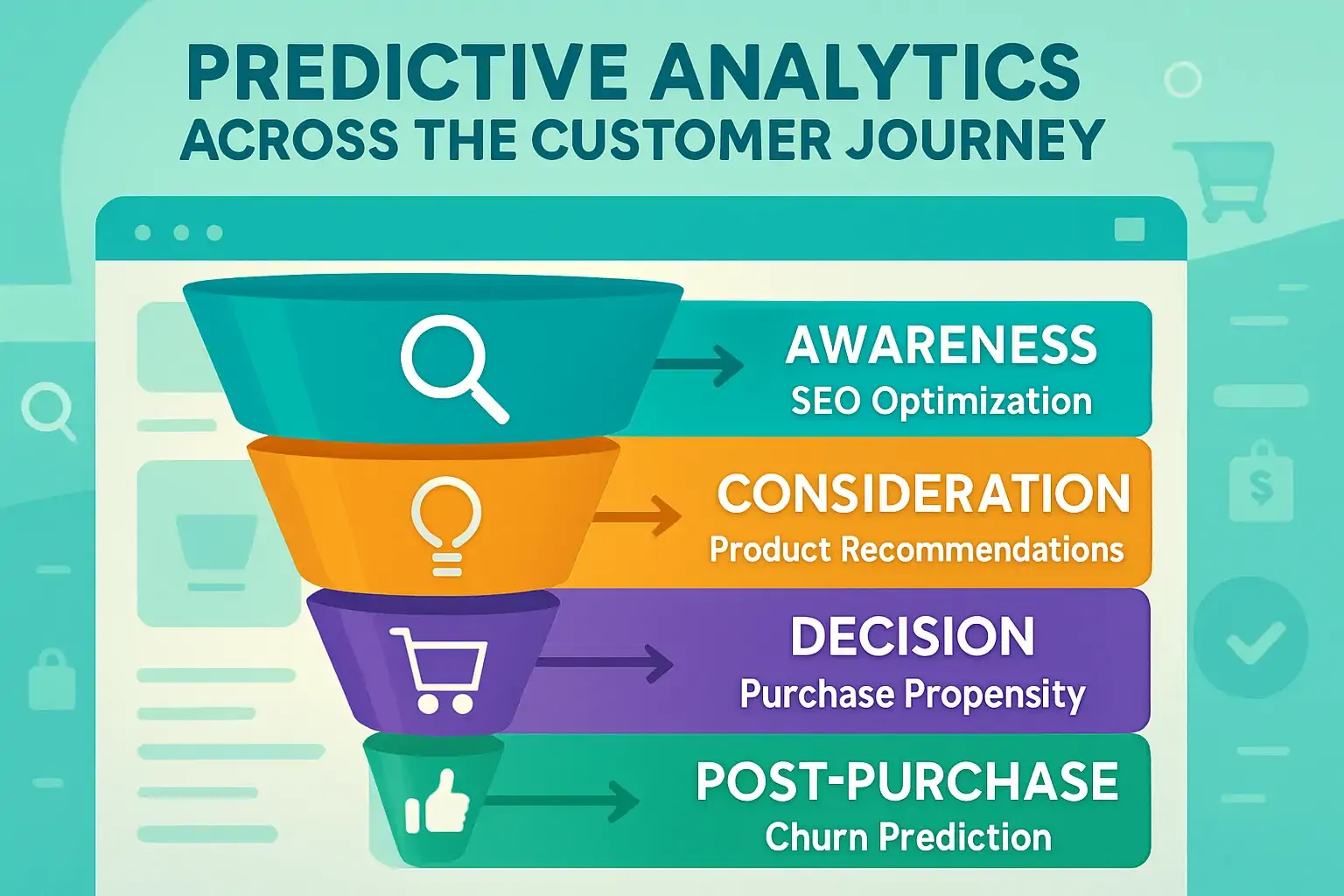
Predictive analytics supports the full e-commerce funnel - from first impression to repeat purchase:
Awareness Stage:
- Forecast trending search terms to optimize SEO and ad campaigns
- Deliver personalized content based on location and behavior
Consideration Stage:
- Recommend products based on inferred needs
- Predict purchase likelihood to refine remarketing tactics
Decision Stage:
- Apply dynamic pricing based on customer behavior and seasonality
- Identify high-probability promotions to boost conversions
Post-Purchase Stage:
- Forecast reorder timing and next best offer
- Predict churn risk and trigger retention strategies accordingly
Benefits of Predictive Analytics in E-commerce
When implemented effectively, predictive analytics delivers measurable business value:
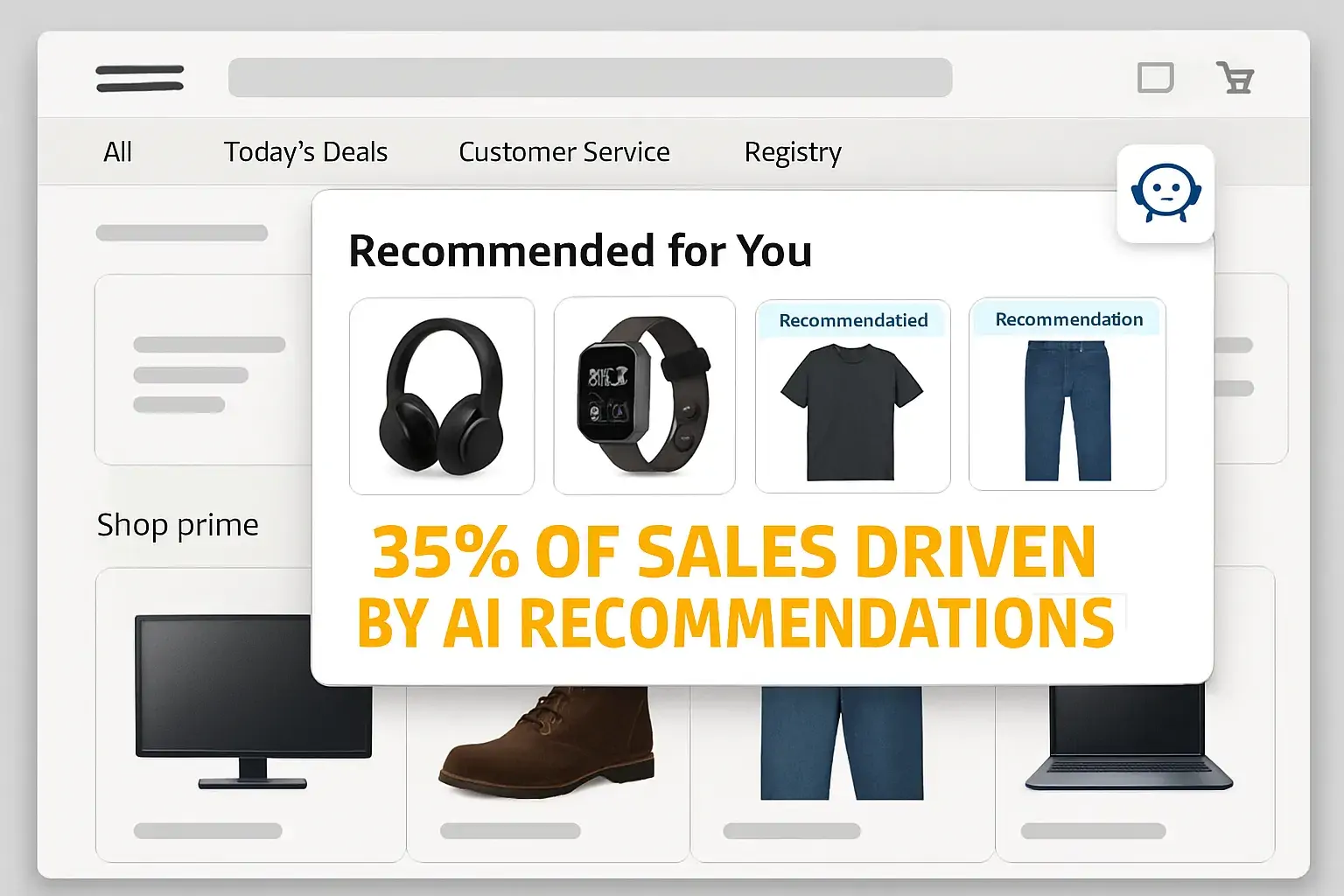
- Personalized Shopping Experiences: Leverage AI in Ecommerce and AI Chatbots for Ecommerce to deliver tailored product recommendations, boosting engagement on Online Shopping Platforms. For example, Amazon’s recommendation engine, powered by Machine Learning Solutions, drives 35% of its sales by suggesting products based on user behavior and purchase history.
- Inventory and Supply Chain Optimization: Use AI Demand Forecasting in Logistics and Supply Chain Management to predict stock needs, while Smart Warehouse Solutions and Warehouse Management Systems streamline operations. Case Study: Sephora employs demand forecasting with time-series models to ensure high-demand beauty products are stocked, reducing inventory write-offs by 20%.
- Marketing ROI Improvement: Enhance campaigns with Marketing Content Management and Centralized Advertising Content Management, using predictive analytics to target high-value customers. For instance, Noon, a Middle Eastern Online Shopping Platform, uses AI in Ecommerce to dynamically re-rank search results, increasing conversion rates by 15%.
- Customer Retention: Implement AI-Powered Automation to predict churn and engage customers through personalized offers on Omnichannel Retail platforms. Case Study: Showroomprive.com, a French e-commerce site, uses predictive analytics to identify at-risk customers and target them with tailored campaigns, reducing churn by 10%.
- Fraud Detection: Deploy Machine Learning Solutions to identify fraudulent transactions in real time, protecting Digital Payment Solutions and E-Wallets. Hypothetical Case Study: An e-commerce retailer integrated AI-Powered Automation to analyze transaction patterns, reducing fraudulent chargebacks by 30% by flagging suspicious activities in Digital Payment Solutions.
Challenges of Predictive Analytics in E-commerce
Despite the benefits, implementing predictive analytics is not without complexity. E-commerce businesses often face:
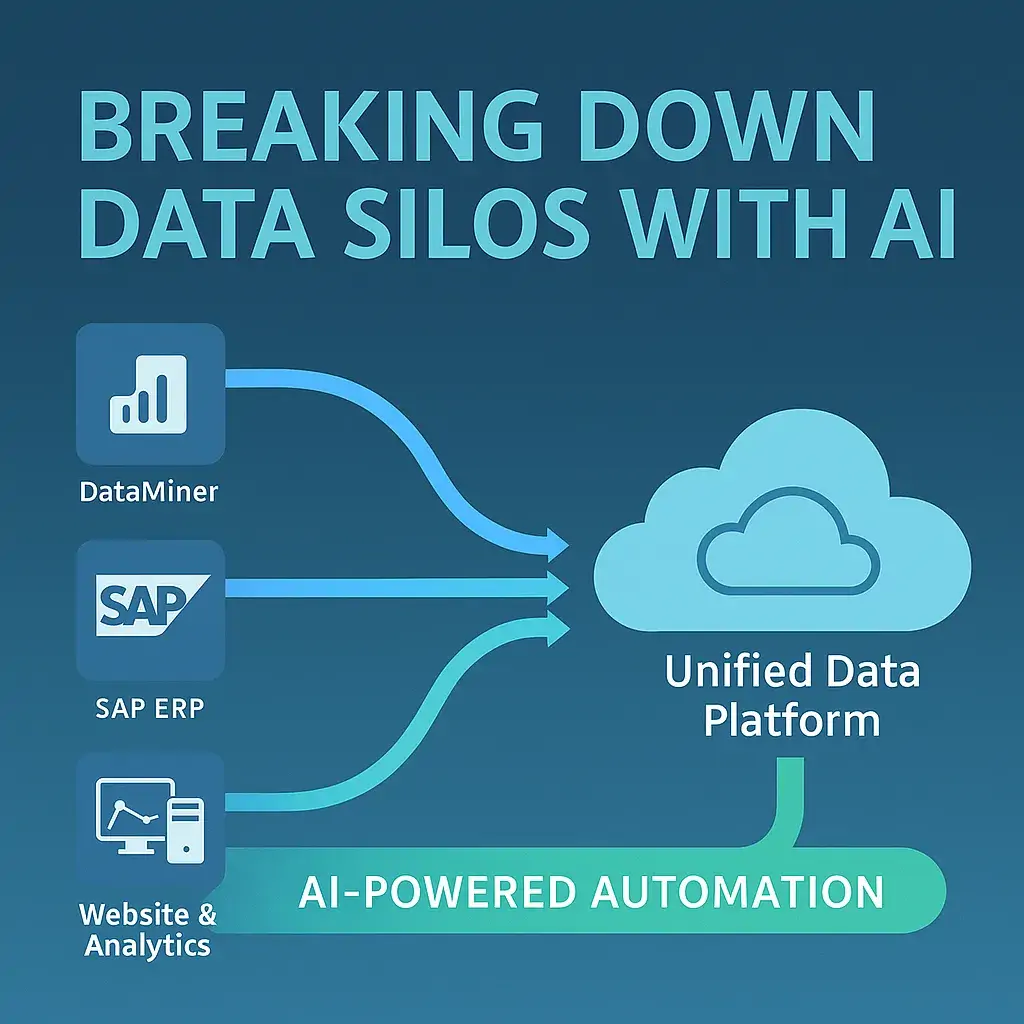
- Data Silos: Unify data with DataMiner or SAP ERP to ensure seamless integration across Ecommerce Solutions.
- Inconsistent Data Quality: Use AI-Powered Automation for data cleansing to maintain reliable inputs for predictive models.
- Model Drift: Continuously update models with Machine Learning Solutions to adapt to changing customer behaviors.
- Regulatory Compliance: Ensure adherence to GDPR and CCPA using DataWarehouse Product Traceability and AI-Powered Financial Advisory Tools for secure data handling.
The Predictive Analytics Feedback Loop
A successful predictive system isn’t “set and forget”—it relies on a continuous feedback loop powered by AI-Powered Automation and Machine Learning Solutions:
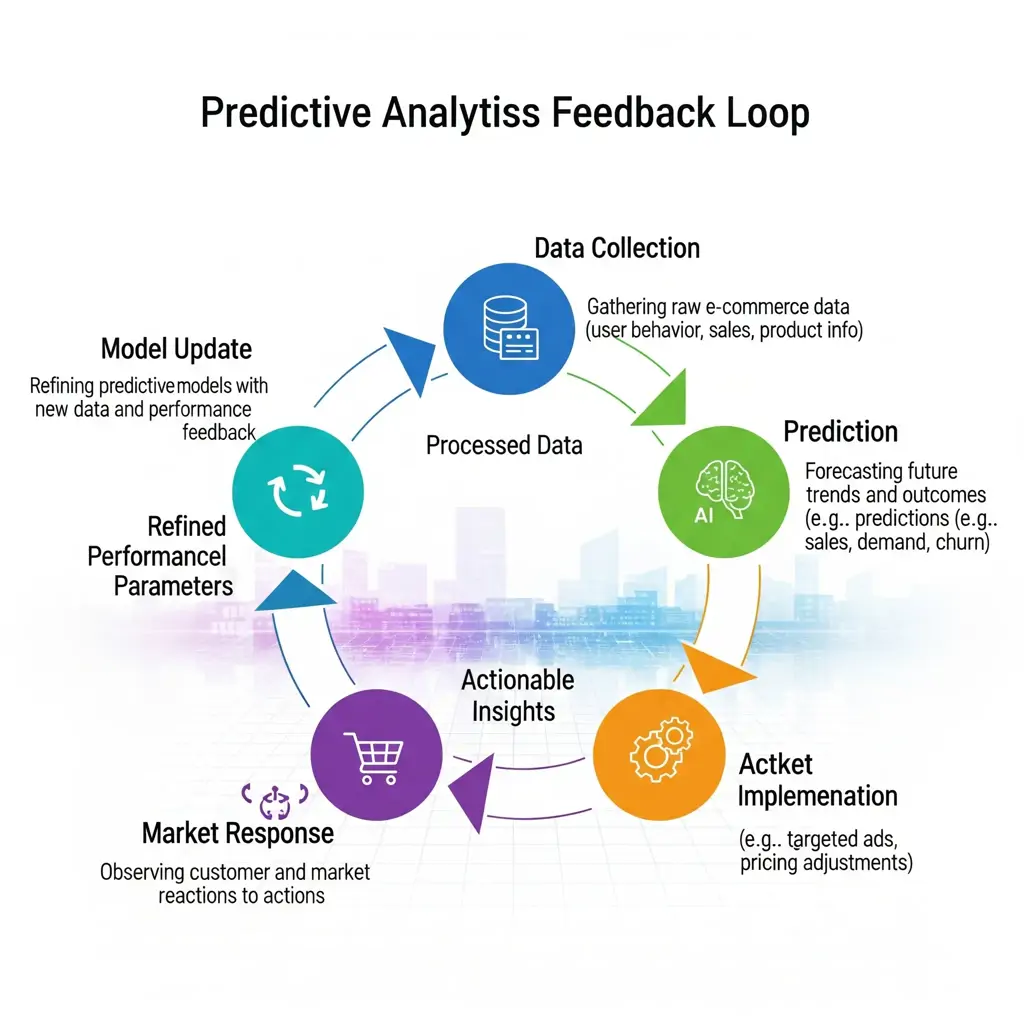
Key components of this loop include:
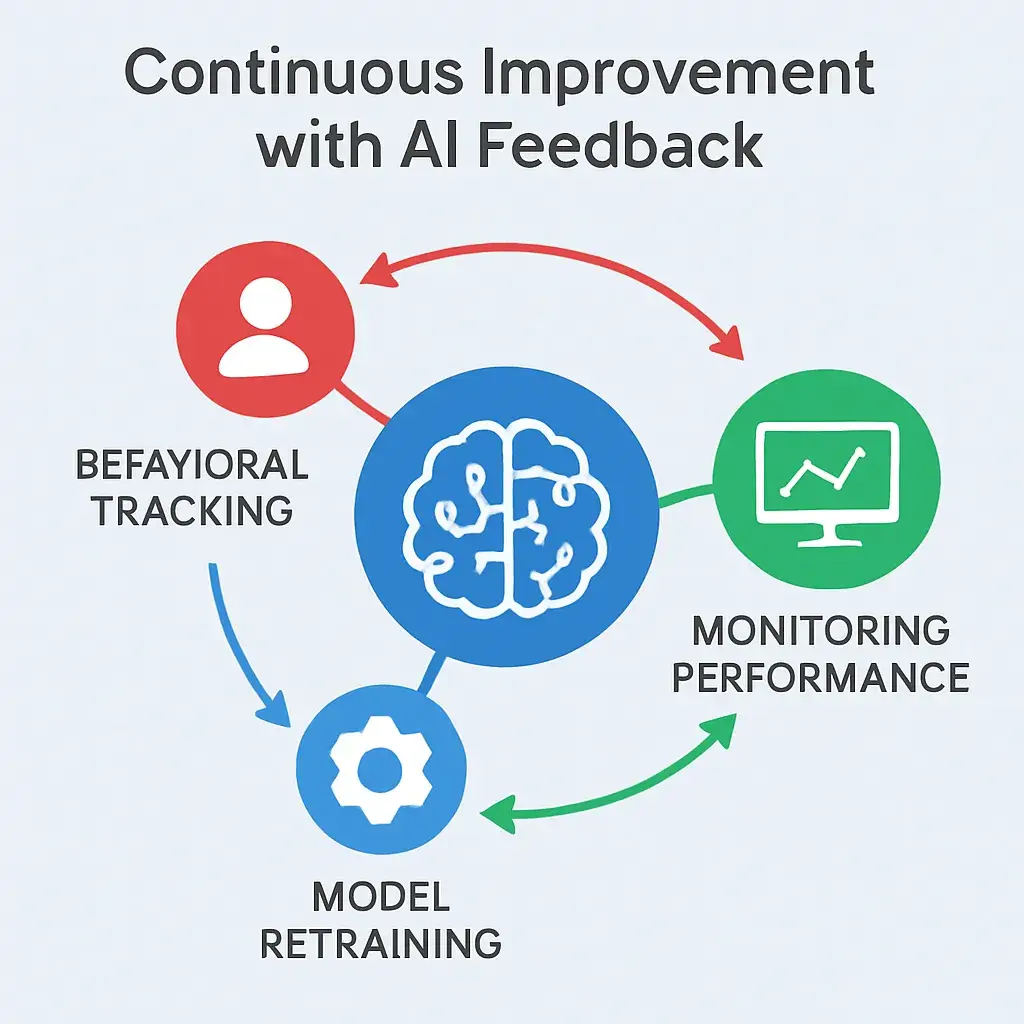
- Behavioral tracking after every user interaction
- Scheduled model retraining or online learning pipelines
- Monitoring systems to detect model drift or underperformance
With a strong feedback loop in place, predictive models become smarter and more relevant over time.
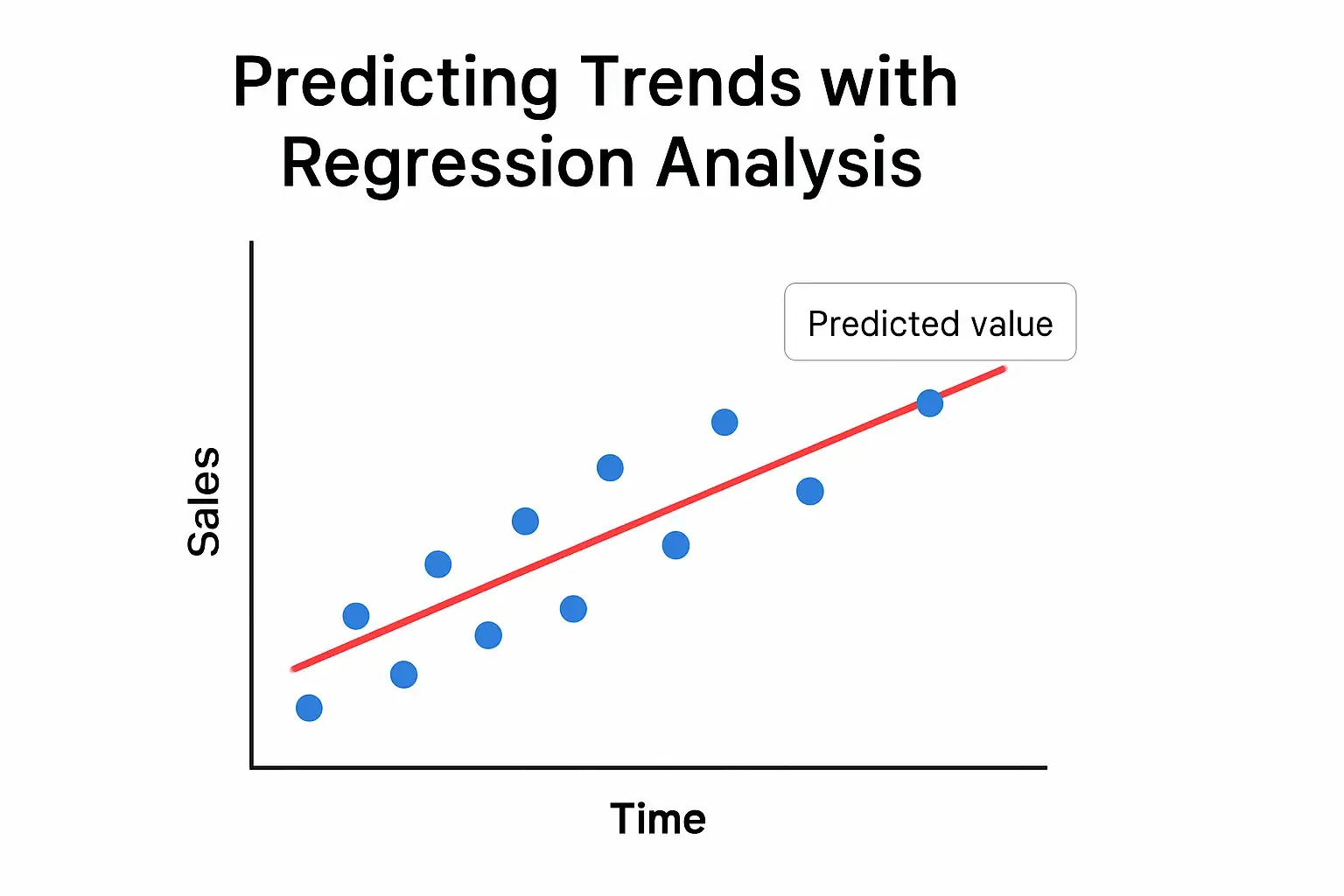
One of the most straightforward examples of predictive analytics - and one that is highly popular and effective - is regression analysis.
Regression analysis, which is divided into linear and nonlinear regression depending on the method used, looks at causal relationships between variables. It charts how an independent variable affects dependent variables over time. If there is a consistent pattern, the regression analysis will identify that pattern. It can then make predictions that the same kind of effect will occur in the future, according to the pattern observed in the past.
In short, there are a few key steps to any predictive modeling process:
- Decide what you’d like to predict: Identify outcomes like customer churn or demand using AI Demand Forecasting in Logistics for Supply Chain Management. For example, IKEA uses predictive modeling to forecast regional demand, ensuring optimal stock levels for specific markets.
- Collect data: Use DataMiner, Salesforce, or IoT in Agriculture (for agriculture-related e-commerce) to gather robust datasets for Ecommerce Solutions. Case Study: An organic food e-commerce platform leveraged IoT in Agriculture to track supply chain data, improving inventory accuracy by 15%.
- Train and test: Leverage Machine Learning Solutions and AI Agents Development to refine models, ensuring accuracy for Online Shopping Platforms and Omnichannel Retail. For instance, Carrefour uses SAS Viya to train models for inventory optimization, reducing stock outages by 20%.
Recommended Technology Stack
A robust, scalable, and cloud-ready analytics stack is essential for success. Leading e-commerce companies are building on a combination of:
- Data Collection & Ingestion: Segment, Snowplow, Google Analytics
- Data Storage: BigQuery, Snowflake, Amazon Redshift, Azure Synapse
- Processing & Modeling: Apache Spark, Databricks, TensorFlow, Scikit-learn
- Real-time Analytics: Apache Kafka, Flink, or Kinesis for stream processing
- AutoML Platforms: Google Vertex AI, Azure ML, Amazon SageMaker
- Visualization & BI Tools: Looker, Tableau, Power BI
This stack supports Smart Warehouse Solutions, AI Logistics Automation, and AI in Ecommerce, enabling real-time personalized recommendations and efficient Last Mile Delivery.
Future Trends in Predictive Analytics
The next evolution of predictive analytics is already underway. Emerging trends include:
- AI-Powered Automation for Emotion and Voice-Based Predictions: Understand customer intent via AI Chatbots for Ecommerce and Human-Interactive AI. For example, a luxury e-commerce brand could use voice analysis to predict customer satisfaction, increasing repeat purchases by 10%.
- Predictive + Prescriptive Analytics: Enable automated decision-making, such as dynamic A/B testing on Online Shopping Platforms. Case Study: Macy’s uses predictive analytics to target registered users with personalized promotions, boosting conversions by 12%.
- Integration with Web3 Fintech Platform and Blockchain Financial Solutions: Analyze decentralized commerce behaviors and secure Digital Payment Solutions. Hypothetical Case Study: A fashion e-commerce platform integrated a Web3 Fintech Platform, enabling secure E-Wallet transactions and increasing customer trust by 15%.
- Edge AI: Enable real-time predictions in physical retail spaces and Smart Warehouse Solutions. For instance, Amazon Go uses Edge AI to monitor stock levels in real time, reducing restocking delays by 30%.
- Low-code/No-code AI Platforms: Empower marketers with Education Technology Solutions to build predictive workflows without coding. Case Study: A small e-commerce startup used a low-code platform to develop a churn prediction model, reducing development time by 50%.
Why TMA Solutions?
With over 20 years of experience, TMA Solutions delivers Ecommerce Solutions and AI in Ecommerce through:
- AI Agents Solutions for Enterprise to design cloud-native data pipelines tailored for Online Shopping Platforms.
- Machine Learning Solutions for recommendations, pricing, and churn prediction.
- Real-time decisioning systems with Edge AI and Smart Warehouse Solutions for scalable infrastructure.
- Fintech Development Services to ensure compliance for Digital Payment Solutions and E-Wallets.
Case Study: TMA helped a leading retailer reduce churn by 20% using AI-Powered Automation and Omnichannel Retail strategies, integrating Salesforce for seamless data management.
Conclusion
Predictive analytics, powered by AI in Ecommerce and Machine Learning Solutions, is foundational for e-commerce success. As competition intensifies, Online Shopping Platforms must leverage AI Demand Forecasting in Logistics, Smart Warehouse Solutions, and Omnichannel Retail to forecast demand, personalize experiences, and optimize operations. By investing in Ecommerce Solutions, Digital Payment Solutions, and AI-Powered Automation, businesses can achieve predictive performance and drive growth.
Ready to take the next step? Connect with TMA Solutions to explore how AI Agents Solutions for Enterprise and Fintech Development Services can accelerate your Digital Transformation in Real Estate or e-commerce journey.


.webp_2026-10-01-18-27-07-971.webp)
.webp_2026-10-01-18-17-11-290.webp)
.webp_2026-10-01-18-08-26-854.webp)
.webp_2026-10-01-17-47-32-240.webp)