In today's data-driven world, traditional cloud computing architectures often struggle to keep pace with the demands of real-time applications and massive data streams. Edge computing offers a powerful solution by processing data closer to the edge of the network. This approach addresses latency issues, bandwidth limitations, and security concerns, opening up new opportunities across numerous industries. In the following sections, we'll explore compelling edge computing use cases being implemented in key sectors and how they can solve your business challenges.
What are edge computing's advantages?
Edge computing offers a range of significant advantages for organizations looking to optimize their data processing, security, and operational resilience. These benefits, demonstrated across numerous edge computing use cases, can be broadly categorized as follows:
Edge computing use cases
Edge computing is transforming industries by enabling real-time data processing, improving operational efficiency, and delivering innovative solutions. Below are eight primary edge computing use cases showcasing how industries leverage edge computing effectively:
Autonomous vehicles
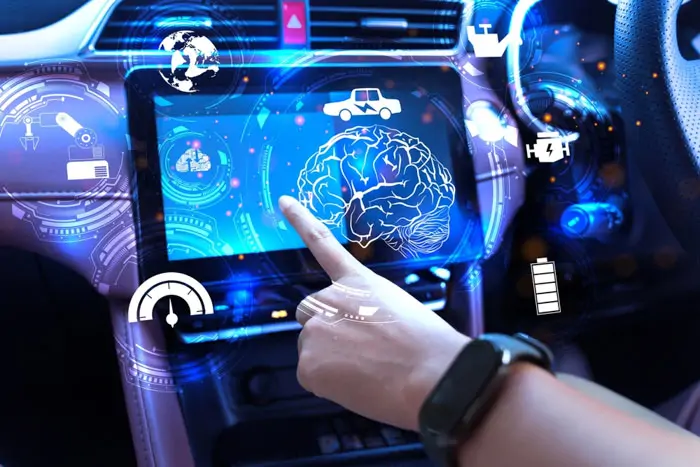
Autonomous vehicles (AVs), encompassing self-driving cars and trucks, represent a prime example of edge computing in action. These vehicles rely heavily on the real-time processing of vast amounts of sensor data—gathered from sources like radar, LiDAR, and traffic cameras—to navigate complex and ever-changing traffic conditions.
Edge computing enables AVs to interpret and react to this data instantaneously, crucial for safe and efficient operation. Major automakers are actively testing AV prototypes in real-world environments, incorporating features like driver monitoring systems to ensure driver attentiveness even during autonomous driving. Beyond individual vehicle navigation, edge computing plays a crucial role in optimizing traffic flow and enhancing safety.
By processing data locally at traffic intersections, edge computing improves pedestrian safety, manages traffic congestion more effectively, and facilitates smoother coordination for emergency vehicles. This technology even supports advanced concepts like truck platooning, where a lead truck guides a convoy of wirelessly connected vehicles.
However, the widespread adoption of AVs also requires significant infrastructure investment, including retrofitting existing traffic systems with IoT sensors to enable seamless communication and data exchange between vehicles and infrastructure, providing real-time updates on traffic, construction, and weather conditions.
Entertainment Options
In the entertainment industry, edge computing revolutionizes content delivery and enhances interactive experiences. By caching content—including web pages, music, and streaming video—at the network edge, edge computing significantly reduces latency, resulting in smoother playback and improved quality for streaming media.
This same principle extends to cloud-based gaming, where games are processed on remote servers and streamed to players. Edge computing minimizes the latency inherent in this process, creating a more responsive and immersive gaming experience. This low-latency advantage is particularly crucial for virtual reality (VR) applications, where even slight delays can disrupt the sense of presence and cause motion sickness.
Healthcare Uses Edge
Edge computing plays a critical role in healthcare, potentially saving lives by enabling real-time processing of patient data. This localized processing dramatically reduces latency, allowing doctors and nurses to access and analyze vital health information instantly.
This real-time data becomes even more crucial during complex surgeries and remote procedures like robot-assisted interventions. Additionally, edge computing keeps sensitive patient data on-site, complying with HIPAA regulations and mitigating security risks associated with third-party cloud storage.
Beyond this core benefit, edge computing can also streamline workflows by enabling the connection of previously isolated monitoring devices, providing a more comprehensive view of a patient's health.

Effective Manufacturing
Edge computing significantly enhances manufacturing operations by optimizing automation, resource management, and predictive maintenance. By processing data locally on the factory floor, edge computing facilitates real-time coordination of automated processes and ensures a consistent supply of raw materials.
Tiny machine learning (tinyML) enables predictive maintenance at the edge by detecting manufacturing anomalies early, minimizing downtime, and reducing operational costs. Edge computing also supports advanced applications like wearable technology with integrated tech functions.
This same edge-enabled connectivity empowers precision agriculture by providing farms in rural areas with reliable high-speed wireless networks. This reliable connection allows farmers to leverage automation, data analytics, and real-time information to maximize crop yields and improve overall efficiency.
Retail Transformed
Edge computing empowers retailers to create enhanced and personalized client experiences. By leveraging edge computing and related technologies like grid computing (a form of distributed computing), retailers can optimize various aspects of their operations, especially in e-commerce.
Facial recognition technology, processed at the edge, can streamline checkouts and improve client flow. Real-time inventory management, powered by cameras, RFID tags, and object recognition software, ensures that stock levels meet client demand.

Enhanced retail experiences through edge technology
Enhanced Security
Data security is paramount in computing, and edge computing is designed to significantly enhance it. By processing data locally at the network edge, edge computing acts as a first line of defense, preventing malware from reaching internal systems and endpoints.
This localized processing is especially crucial for industries handling highly sensitive data, such as defense contractors, where security is paramount, minimizing the risks associated with cloud-based storage and transmission.
Furthermore, edge computing strengthens security for financial organizations and fintech companies by enabling faster fraud detection. Processing data closer to its source accelerates analysis, allowing for quicker identification and prevention of fraudulent transactions.
Sustainable Solutions
While offering numerous business advantages, edge computing also contributes to environmental sustainability in several key ways. By enabling remote monitoring of wildlife in remote locations, edge computing helps protect endangered species and combat poaching.
In energy management, edge computing supports smart grids, optimizing energy delivery and reducing waste, thus minimizing carbon footprints. This localized processing also proves invaluable for monitoring remote oil and gas assets, even in challenging environments like ocean floors, by providing real-time analytics closer to the source and reducing reliance on extensive cloud connectivity.

Urban Development
Edge computing plays a vital role in modern urban design and smart city initiatives. Urban engineers leverage edge computing for predictive maintenance of infrastructure, assessing structural health through real-time data analysis.
Municipalities benefit from edge-based solutions for managing city vehicle fleets, optimizing traffic flow by analyzing patterns and reducing congestion. Furthermore, edge devices enable on-site data processing from public infrastructure, power grids, and other sources, allowing for rapid identification and response to critical issues requiring immediate attention.
Conclusion
Edge computing is revolutionizing industries by bringing data processing closer to the source. These diverse edge computing use cases, spanning autonomous vehicles, healthcare, manufacturing, and more, demonstrate its transformative potential. As edge computing continues to evolve, it will play a pivotal role in shaping the future of technology and innovation. Stay ahead of the curve and discover the latest advancements in edge computing. Explore our resources now!


.webp_2026-10-01-18-27-07-971.webp)
.webp_2026-10-01-18-17-11-290.webp)
.webp_2026-10-01-18-08-26-854.webp)
.webp_2026-10-01-17-47-32-240.webp)