Custom software development enables businesses to create applications tailored to their specific needs. Unlike off-the-shelf solutions, custom software is designed with unique business processes in mind, ensuring greater productivity, scalability, and competitive edge.
Understanding the benefits and critical factors involved in custom software development is essential for businesses considering this approach. In this guide, we’ll cover the key aspects of custom software development, helping you make informed decisions and achieve long-term success.
Custom software refers to applications specifically designed to meet the unique needs of a business or user. Unlike packaged software, custom software is tailored to align with an organization’s goals, workflows, and preferences. This personalized approach offers businesses a competitive edge and the flexibility to adapt to evolving market demands.
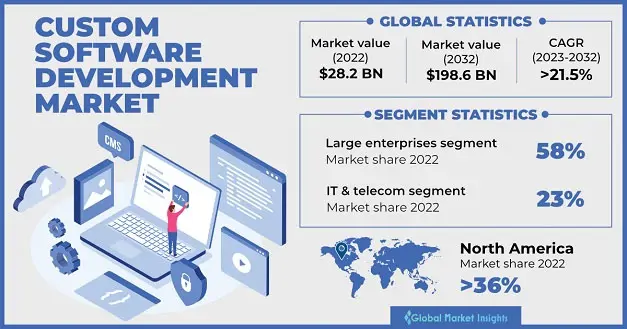
Developing custom software focuses on creating tailored solutions designed to meet a business’s unique needs. It begins with identifying specific requirements and developing a technology solution that works seamlessly with existing systems. The process goes beyond implementation, involving continuous updates and improvements. This ensures the software stays aligned with business goals, enhancing efficiency, driving growth, and maximizing profitability.
Key distinction between custom software and off-the-shelf software
When choosing between custom software and packaged software, it's important to understand the distinctions to make an informed decision for your business. Both have their advantages depending on your specific needs. Here's a detailed look at the differences.
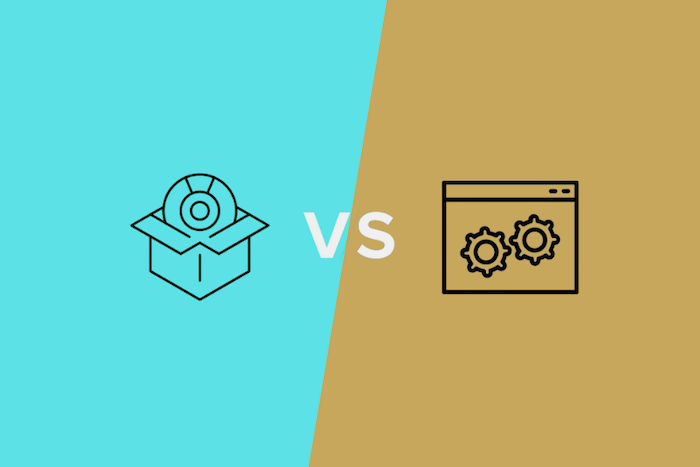
- Off-the-shelf software: Pre-built applications designed for a wide range of users with standard needs, like Microsoft Word.
- Custom software: Tailored applications built for specific business processes, ensuring precise functionality.
- Off-the-shelf software: Limited customization with fixed core features.
- Custom software: Fully customizable, enabling unique features and workflows.
- Off-the-shelf software: Lower cost and faster deployment due to ready-made solutions.
- Custom software: Higher initial costs and longer development time, but potential long-term savings.
- Off-the-shelf software: Scalable through vendor-defined upgrades but may have limits.
- Custom software: Highly scalable and adaptable as business needs grow.
- Off-the-shelf software: May face compatibility issues with existing systems.
- Custom software: Seamlessly integrates with existing infrastructure.
- Off-the-shelf software: Limited control due to vendor-defined licensing.
- Custom software: Full ownership and control over features and updates.
Definition and purpose
Customization and flexibility
Cost and time considerations
Scalability and maintenance
Integration and compatibility
Ownership and control
Pros of client-specific software development
Custom software’s primary benefit lies in its ability to solve specific business challenges that standard applications cannot address. Though the initial investment may be higher, the long-term gains can outweigh the expenses.
For instance, a custom application designed to boost efficiency can increase productivity and reduce operational expenses. A specialized system for managing payroll or attendance can automate complex tasks, saving time and reducing human error.
When an organization faces distinctive business challenges that generic software cannot address, investing in custom development can drive long-term success.

Cons of client-specific software development
Developing custom software has several drawbacks, primarily related to cost and risk.
Costs: Custom software development is significantly more expensive than packaged software software. While standard business applications may cost a few dollars to a few thousand, custom solutions require substantial financial investment, often reaching five figures or more. The commissioning business must cover all development costs.
Risks: The risks associated with custom software can vary based on the project scope. Without a clear understanding of your company’s requirements, there is a risk of losing sight of the end goals. During development, new features and functions may be identified, leading to additional costs, development time, and potential scope creep. Frequent changes may result in software that doesn't adequately meet your needs or fulfill the original objectives.
When does your company need custom software?
Choosing to invest in developing custom software is a major decision for any business, requiring both time and financial resources. However, certain signs can indicate when a custom solution is essential for improving efficiency and supporting business expansion. Here are key indicators that it may be time to consider tailored software for your organization.
Inefficient processes and workarounds
If your employees are struggling with inefficient processes or excessive workarounds, custom software may be the solution. Signs include:
Tedious processes: When completing everyday tasks requires too many steps, excessive paperwork, or red tape, your current system is not optimized. Client-specific software can streamline these processes, enhancing efficiency.
Workarounds: If your team frequently resorts to workarounds, such as manually exporting and importing data, your current software system is inadequate. This indicates a need for a more efficient solution. Custom software can eliminate these workarounds and provide a seamless, integrated solution.

Over-reliance on spreadsheets
Many businesses depend heavily on spreadsheets to manipulate financial, client, and sales data, which can be time-consuming and prone to error. If you rely heavily on in-house Excel experts for data administration, custom software can automate these tasks. This frees up time and resources, allowing you to make data-driven decisions based on real-time insights.
Secure remote access needs
If your remote workforce need access to sensitive data while on the road, customized software can provide a secure, encrypted platform for collaboration. Off-the-shelf tools like Slack may not offer the level of security your business requires. A custom solution allows remote employees to access only the information they need while protecting the rest of your data from breaches.

Unique or proprietary business processes
For companies with specific, proprietary processes – especially in emerging industries or those with innovative products or services – off-the-shelf solutions may not exist. In such cases, client-specific software is necessary to support your unique needs. For instance, businesses like Uber had to create custom solutions because existing software wasn’t suitable for their novel approach to ride-sharing.

Company growth
As your business grows, packaged software may no longer scale to meet your expanding needs. A custom software solution can help maintain or improve client retention, reduce errors, and support increased sales. Additionally, customized software can be expanded and adjusted as your company grows, adding users, locations, and new feature as required.
Best practices for developing a successful custom software
When developing custom software, following best practices is essential to ensure a smooth process and successful outcome. Here are five best practices to keep in mind:
Clearly define current processes and future requirements
Before developing client-specific software, it's crucial to fully understand your current business processes and the problems you're trying to solve. Involve subject-matter experts and key stakeholders to map out existing workflows and identify inefficiencies. Clearly define the goals of the new software, as well as what success looks like, ensuring that all necessary feature is included. This step prevents assumptions and ensures the solution meets real business needs.
Assemble the right team for the project
Selecting the right talent is crucial, whether you opt for an in-house IT team, hire contractors, or partner with an external software outsourcing company. Outsourcing to an experienced vendor is often the best choice, particularly if your internal team lacks the required expertise or availability for a large-scale project. Look for a provider with a proven track record of successful project deliveries and, ideally, experience relevant to your industry.
Create a realistic plan with defined milestones
Establish a realistic project plan with clear milestones that break down the development process into manageable stages. Create a project team that includes developers, subject-matter experts, and a project manager to oversee progress. Milestones help ensure the project stays on track and within budget, while allowing you to assess progress and make adjustments as needed. A well-structured road map helps avoid delays and keeps everyone aligned.
Implement thorough testing procedures
Testing plays a vital role in custom software development, covering both technical and user evaluations to ensure optimal performance. This process verifies that the system is bug-free and meets all specified requirements. User testing involves real end-users, providing valuable insights into the software’s usability and functionality from a daily usage perspective. This process helps identify and resolve potential issues before the final implementation.

Maintain comprehensive documentation throughout
Comprehensive documentation is vital throughout the development and implementation stages. This should include a detailed test plan, a statement of scope, and an implementation and training plan. Proper record ensures that all stakeholders understand the project’s scope, timeline, and intended outcomes. Additionally, user manuals and training materials should be prepared to ensure a smooth transition when the software is rolled out to employees.
Tips for selecting a custom software development provider
Selecting a software development company can be a challenging process. It is essential to identify qualified candidates who offer a reasonable balance between cost and service quality.
Begin by meeting potential development partners to discuss your project’s goals and specific requirements. This ensures they clearly understand your expectations and the work involved.
Expect to receive bids outlining estimated costs and timelines. Keep in mind that these estimates may change if unforeseen challenges arise during the development process.
Avoid selecting a company solely based on the lowest bid. Instead, choose a provider with a proven track record, a strong understanding of your project’s needs, and a commitment to delivering high-quality results.
Here are some key tips to help you choose the right provider.
- Get referrals: Seek recommendations from trusted industry contacts who have successfully worked with software development providers.
- Prioritize clean code: Choose developers known for writing efficient, bug-free code. This reduces future maintenance costs and enhances reliability.
- Review previous work: Evaluate the provider’s portfolio, focusing on projects similar to yours in size, complexity, and industry relevance.
- Ensure timely delivery: Select a partner with a proven track record for meeting deadlines, ensuring minimal disruption to business operations.
- Emphasize communication: Effective communication is key. Ensure your provider utilizes collaboration tools to maintain transparency, respond promptly to queries, and actively seek feedback.
- Clarify IP ownership: Define intellectual property rights clearly in the contract to retain full ownership of the developed software.
- Focus on User Experience (UX): A great user experience design ensures your software is intuitive, user-friendly, and meets the needs of your target audience.
- Prioritize security: Ensure the provider incorporates strong security measures to protect sensitive data and meet industry standards.
- Establish post-development support: Agree on post-launch services such as bug fixes, updates, and maintenance to ensure long-term software reliability.

Why choose TMA Solutions for custom software development?
Selecting the right company for custom software development is crucial for achieving your business goals, and TMA Solutions offers a distinct edge in this area.
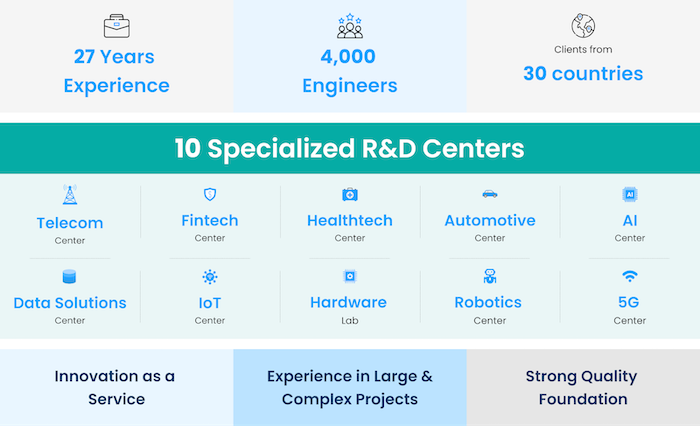
Here’s why partnering with TMA Solutions will give your business the competitive advantage it needs
- Advanced R&D capabilities: TMA’s 10 R&D centers specialize in AI, IoT, 5G, fintech, healthtech, and robotics, ensuring cutting-edge, tailored software solutions.
- Innovation as a service: From idea generation to implementation, TMA leverages AI, blockchain, and robotics to transform concepts into impactful solutions.
- 27 years of experience: With nearly three decades in the industry, TMA delivers high-quality, customized software by understanding industry challenges and client needs.
- Skilled engineering team: A team of 4,000 experienced engineers ensures scalable, complex project delivery with innovation and efficiency.
- Global reach: Serving clients in over 30 countries, TMA tailors solutions to fit diverse market needs with international expertise.
- Proven track record: TMA consistently delivers large-scale, complex projects with reliability and top-tier execution.
- Technological expertise: TMA’s proficiency in AI, IoT, blockchain, and machine learning enables the development of future-proof solutions.
- Ready-made industry solutions: Pre-built, customizable software for healthcare, finance, retail, and manufacturing accelerates market entry and optimizes business operations.
- Commitment to quality: Certified in CMMi, ISO 9001, and ISO 27001, TMA ensures top-quality, secure, and reliable software backed by rigorous testing and best practices.
Understanding the diverse range of custom software development is essential for selecting the optimal solution to align with your business objectives. A thoughtful approach and the right development partner can unlock efficiency, scalability, and innovation for your business through custom software.


.webp_2026-10-01-18-27-07-971.webp)
.webp_2026-10-01-18-17-11-290.webp)
.webp_2026-10-01-18-08-26-854.webp)
.webp_2026-10-01-17-47-32-240.webp)