The Body Control Module (BCM) is one of the most critical components in modern automotive systems, often referred to as the "brain" of the vehicle's electronic functions. This BCM automotive component plays a central role in managing various electrical systems within a car, ensuring seamless integration of components. In this article, we’ll explore the key hardware and software components of BCM architecture, its functions, how it works, the benefits it brings to vehicles, and the challenges encountered during its development.
Continue reading to learn more about the crucial role of BCMs in modern vehicles.
BCM automotive architecture overview
The Body Control Module (BCM), in BCM automotive applications, consists of both hardware and software components, each playing a crucial role in ensuring the smooth operation of a vehicle's body electronics.
BCM is an embedded system responsible for managing a vehicle's body electronics, such as power windows, wipers, and side-view mirrors. Its architecture encompasses both hardware and software components designed for robust and reliable operation.
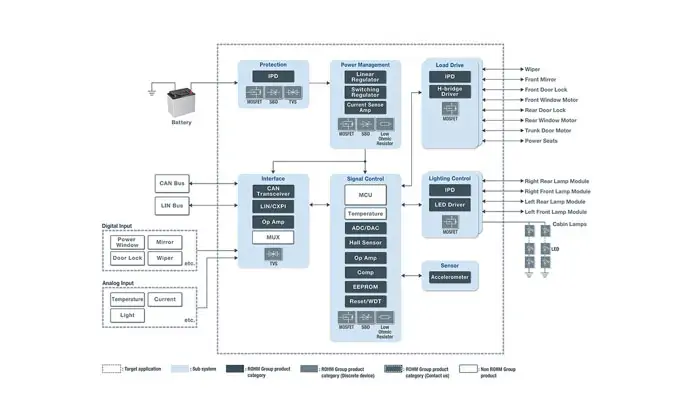
Hardware components
- Microprocessor: The BCM's core is a microprocessor that processes data from input devices and controls output devices.
- Communication Ports: These enable communication with other ECUs, the instrument cluster, sensors, and actuators using protocols like CAN and LIN.
- Input/output devices:
- Input: Sensors (e.g., potentiometers, magnetic pickups) provide data to the BCM.
- Output: Actuators (e.g., relays, and solenoids) respond to BCM signals.
Software and communication
The BCM integrates with automotive communication protocols and stacks, including J1939, UDS, OBD-II, and ISOBUS, for diagnostics and communication with other vehicle systems. APIs facilitate communication between the BCM's hardware and the application layer.
The BCM acts as a central hub, ensuring seamless communication and control of the vehicle's body electronics.
Key functions of a BCM automotive
The Body Control Module (BCM) is a central hub for managing a vehicle's electrical and electronic systems, ensuring smooth communication and operation. This BCM automotive component receives input from sensors and switches and controls output devices (actuators, relays) via automotive networks like CAN, LIN, and Ethernet. Key functions include:
- Managing and distributing electrical power (energy management)
- Controlling security and access systems (alarms, immobilizers, keyless entry)
- ADAS interfaces (lane keeping, adaptive cruise control, parking sensors)
- Automating convenience features (power windows, door locks)
The BCM's multitasking capabilities allow it to manage multiple functions simultaneously, such as lights, air conditioning, and wipers. It also plays a crucial role in fault diagnostics, monitoring electrical systems for malfunctions, and alerting the driver.
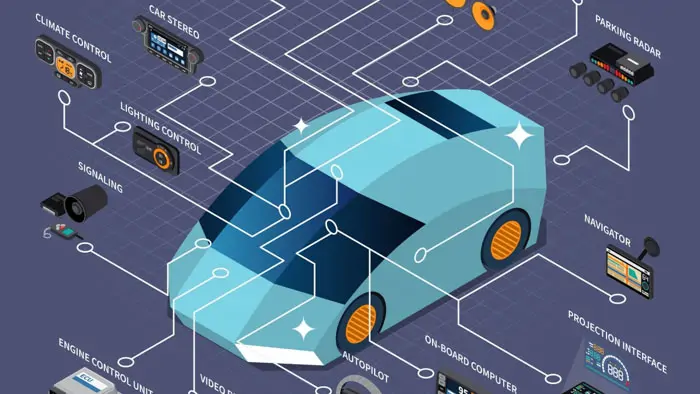
Acting as an integration gateway, the BCM facilitates communication and data exchange between various ECUs (engine, transmission, infotainment), enabling coordinated actions across the vehicle's interconnected systems.
How does a body control module in automotive work?
In BCM automotive systems, the Body Control Module is crucial for managing a vehicle's body electronics, ensuring the smooth and efficient operation of various systems.
The BCM receives input from sensors and switches (e.g., a power window switch) and controls corresponding output devices (e.g., window motors) based on the received data. This centralized control simplifies the vehicle's electrical architecture by reducing wiring complexity compared to traditional systems where each component would require individual connections.
Such simplification not only improves reliability but also enables efficient power management, preventing electrical system overload when multiple functions (like windows, lights, and wipers) are activated simultaneously.
Coordinating these functions allows the BCM to ensure the harmonious operation of essential systems such as lighting, door locks, wipers, and climate control, ultimately contributing to overall vehicle safety, comfort, and convenience.

Benefits of using a BCM automotive
While BCM automotive software development presents its own set of complexities (to be discussed elsewhere), integrating a BCM offers significant advantages for vehicle design and performance:
- Fewer electronic modules and cables
A BCM reduces the need for multiple individual electronic modules in the vehicle. This results in fewer cables, which not only simplifies the vehicle’s electrical architecture but also minimizes potential points of failure. A streamlined wiring system leads to better reliability and easier maintenance.
- Reduced vehicle weight
With fewer modules and cables, the overall weight of the vehicle is reduced. This weight reduction can improve the vehicle’s overall performance, handling, and safety.
- Increased fuel efficiency
The reduction in vehicle weight also contributes to improved fuel efficiency. Lighter vehicles require less energy to move, which directly benefits fuel consumption and lowers emissions, making the vehicle more environmentally friendly.
- Lower manufacturing costs
By consolidating various control functions into a single module, manufacturers can reduce the number of components needed in the vehicle. This simplification leads to reduced manufacturing costs, making the vehicle more cost-effective to produce.

- Lower total cost of ownership
The combination of reduced weight, improved fuel efficiency, and lower manufacturing costs translates into a lower total cost of ownership for the consumer. Additionally, fewer components mean fewer potential repairs or replacements, further lowering maintenance costs over the vehicle’s lifespan.
Challenges in BCM automotive development
Programming and developing BCM automotive software is a complex task that requires careful consideration of several factors:
- Increased performance needs
As automotive systems become more sophisticated, the performance requirements of the BCM increase. The module must handle more data and process it faster, ensuring the vehicle’s systems operate efficiently and in real-time.
- A higher number of input/output processors and channels
The BCM needs to manage multiple sensors, actuators, and other components. As the number of input and output devices increases, the BCM must be able to handle these connections effectively, which adds to the complexity of programming.
- Development of more complex modules
As more vehicle functions become integrated into the BCM, the software must be able to support these increasingly complex modules. Each additional function or feature adds a layer of complexity to the BCM programming process.

- Power consumption
Managing power consumption in both active and sleep modes is a challenge. The BCM must ensure that it consumes minimal power when the vehicle is idle while still being able to respond promptly when needed.
Conclusion
The Body Control Module (BCM) is a central component in modern automotive systems, managing a variety of functions that improve vehicle efficiency, safety, and convenience. This BCM automotive component integrates both hardware and software, acting as the "brain" behind the vehicle's body electronics, automating tasks and ensuring seamless operation across multiple systems.
While developing a BCM comes with challenges, the benefits it brings to the automotive industry are undeniable, making it a vital element in the evolution of smarter, safer, and more efficient vehicles.


.webp_2026-10-01-18-27-07-971.webp)
.webp_2026-10-01-18-17-11-290.webp)
.webp_2026-10-01-18-08-26-854.webp)
.webp_2026-10-01-17-47-32-240.webp)