What is Autonomous AI?
Autonomous AI refers to systems that can perform tasks and make decisions based on set goals or objectives. Unlike traditional AI, which requires constant human supervision, autonomous agents have the ability to operate independently. These agents use a variety of techniques, including machine learning and natural language processing, to make intelligent decisions based on data inputs.Key Differentiators of Autonomous AI
Autonomous AI systems stand out for several key attributes:
- Goal-oriented: Autonomous AI agents are designed to achieve specific objectives or goals without needing constant direction from humans.
- Autonomy: These agents function independently, performing actions and making decisions on behalf of the user.
- Adaptation: Autonomous agents adapt to changing conditions and continuously improve their performance through feedback.
_2025-05-06-09-05-03-270.webp)
How Autonomous AI Works: Components of an AI Agent
An AI agent typically operates through four core stages:
- Perceive: The agent collects and analyzes data from various sources, such as sensors, databases, and user inputs. This data is essential for understanding the environment and identifying relevant entities.
- Reason: The agent processes the data using advanced algorithms, like the Reasoning-Action-Goal (RAG) model, to generate context-aware solutions and strategies for the task at hand.
- Act: The AI agent takes action by executing predefined plans. It interacts with other systems through APIs to carry out these actions. For example, it might automate certain tasks, such as claims processing within set limits, while flagging anomalies for human review.
- Learn: Autonomous AI systems continuously improve by learning from feedback, refining their actions, and becoming more efficient over time.
Types of AI Agent Architectures
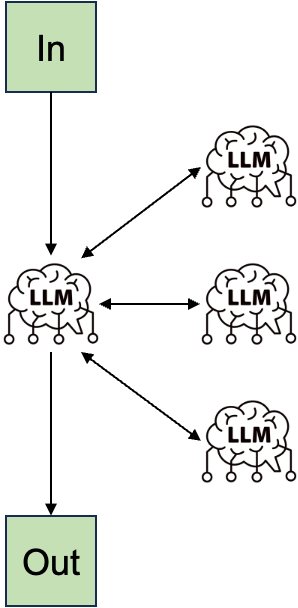
AI agents can be structured in various ways, with two common architectures:
- Multi-agent network: In this architecture, agents communicate with each other in a decentralized manner. This approach allows distributed collaboration but can suffer from inefficiencies or duplicate efforts due to the communication overhead.
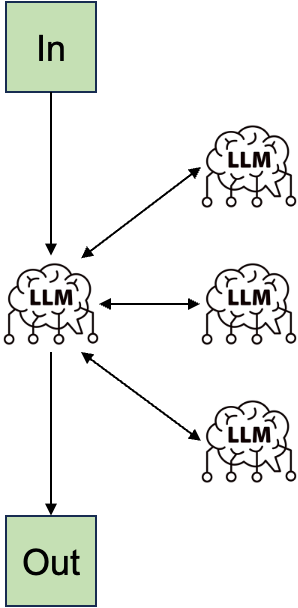
- Hierarchical agent structure: Here, agents are organized in a tree-like hierarchy. Higher-level agents manage lower-level ones, ensuring a more streamlined communication process. However, failure at higher levels can affect the entire system.
Interaction Paradigms of Multi-Agent Systems
AI agents don’t work in isolation; they can collaborate with others. Here are four key paradigms for organizing multiple agents:
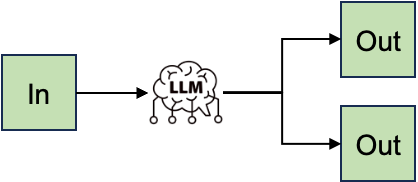
- Parallel: Multiple agents run simultaneously, each working on a different aspect of a larger task. This speeds up processing by dividing the workload.
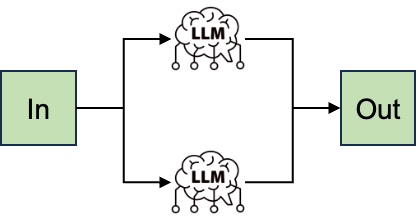
- Sequential: Agents work in a step-by-step fashion, where one agent’s output becomes the input for the next. This ensures structured flow and respects dependent logic.

- Loop: Agents collaborate in cycles, revising outputs based on feedback from one another. This iterative process ensures continuous improvement and refinement of results.
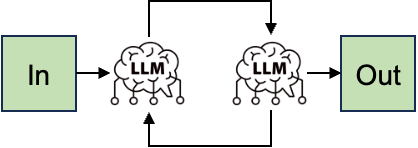
- Router: A central agent or logic decides which other agents to activate based on context or task requirements, optimizing resource usage and task delegation.
Challenges and Concerns
While autonomous AI has vast potential, it is not without challenges. These include:
- Ethical considerations: AI systems that make decisions without human oversight raise questions about accountability and fairness.
- Security risks: Autonomous agents could be vulnerable to hacking or misuse.
- Regulatory issues: As AI agents take on more responsibility, regulatory frameworks will need to adapt to ensure safety and fairness.
TMA’s Race in Autonomous AI
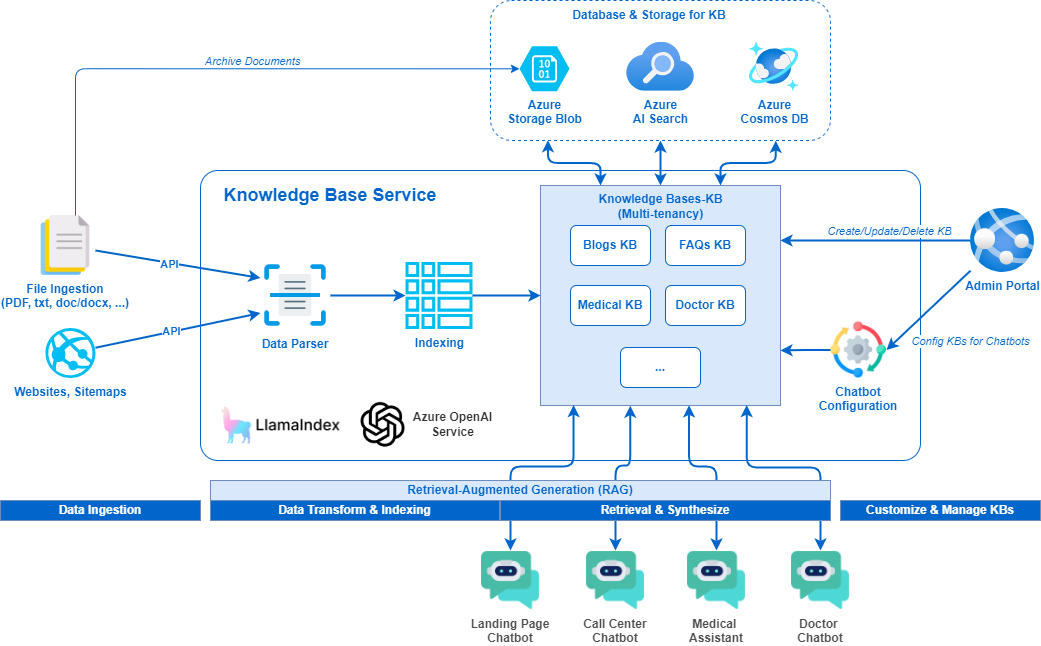
TMA Solutions has successfully developed and implemented cutting-edge autonomous AI agents that enhance both healthcare and business operations. These agents work seamlessly to automate key processes and improve the quality and efficiency of services. Here are some examples of autonomous agents we’ve delivered:
- Chatbot for doctors: A telehealth-focused AI that analyzes patient history and treatment, offering real-time recommendations to doctors during virtual consultations. This ensures informed decision-making and better patient outcomes.
- Onboarding chatbot for doctors: Designed to streamline the onboarding process for new doctors, this chatbot tracks performance, delivers personalized learning materials, and provides frequent reports to the main doctor to maximize efficiency during the training period.
- Self-diagnosis chatbot for clients: A user-friendly AI that guides clients through a series of customized survey questions to help them self-diagnose and receive general information about potential health issues based on their symptoms.
- AI agents for chatbot performance evaluation: A set of autonomous agents that continuously evaluate the performance of any chatbot. These agents score and benchmark chatbot efficiency, ensuring that changes in prompts and agent flows consistently enhance quality and functionality.
The Future of Autonomous AI
The future of autonomous AI is filled with promise. As these systems evolve, they will be able to tackle increasingly complex tasks across industries. From healthcare to finance, autonomous AI agents will continue to revolutionize how businesses operate and interact with clients.


.webp_2026-10-01-18-27-07-971.webp)
.webp_2026-10-01-18-17-11-290.webp)
.webp_2026-10-01-18-08-26-854.webp)
.webp_2026-10-01-17-47-32-240.webp)