The global finance industry is evolving rapidly with the rise of artificial intelligence. To stay competitive, businesses need to manage cash flow, optimize digital transactions, and meet the demand for safe and flexible payments. In this article, TMA highlights 10 innovative AI-powered finance solutions from Vietnam.
1. Cash Flow Management Application
Definition: A Cash Flow Management Application is a solution that helps businesses monitor, analyse, and forecast cash inflows and outflows in real time.
Problem to solve: Many businesses struggle to control their cash flow. This often leads to shortages or surpluses of cash, which can affect daily operations.
Benefits: The application helps sync accounting data instantly, send payment reminders, and update the credit status of customers and suppliers. These features improve financial decision-making and support more precise capital allocation.
Example: One practical case is the Automatic Debt Reminder project developed by TMA Solutions for a company in Thailand. The system sends automatic alerts for upcoming and overdue payments. This solution significantly reduced late payments and improved on-time debt collection rates.

2. Digital Product Trading
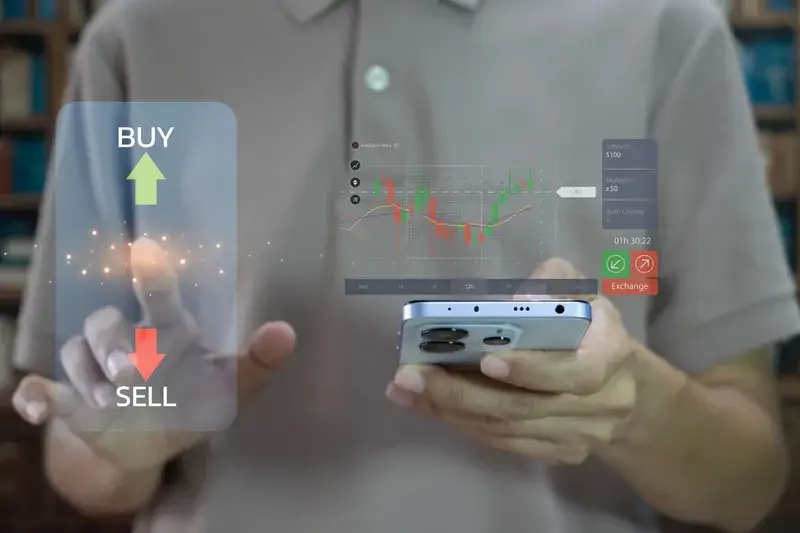
Definition: Digital Product Trading is a solution that helps businesses and banks digitise financial services such as foreign exchange, international transfers and e-wallets.
Problem to solve: Traditional trading systems are slow, costly, and often lack transparent exchange rates. Payment services are fragmented across multiple channels, which makes them inconvenient and hard to manage for users.
Benefits:
- Reduce international transfer time to just one day while offering competitive exchange rates.
- Support multiple languages and currencies for global accessibility.
- Integrate e-wallets for bill payments, shopping, top-ups, and transaction management within a single platform.
Example: One successful implementation is the digital product trading solution developed by TMA, which supports crypto payments, converts products into NFTs and creates personal e-wallets. The system uses Ethereum blockchain along with ReactJS, Flutter and Microservice to deliver transparent, secure and scalable transactions.
3. NFT Trading Platform
Definition: An NFT Trading Platform is a solution that allows users to create, buy, sell, and manage digital assets in the form of Non-Fungible Tokens (NFTs). The system integrates e-wallets and connects with blockchain networks to ensure transparency, authenticity and security in every transaction.
Problem to solve: Many platforms still face limitations in security, integration and user experience. Users often deal with fragmented processes when connecting wallets, limited payment options, and scalability challenges.
Benefits:
- Support multiple e-wallets such as Coinbase, Metamask, and Trust Wallet.
- Integrate with different blockchains while adhering to strong security standards.
- Deliver a flexible, scalable platform applicable to art, gaming, e-commerce, and broader digital asset management.
Example: One practical implementation is an NFT trading platform featuring an admin dashboard, collection management, and analytics tools. The system allows users to log in, complete identity verification, and trade seamlessly through e-wallets. The platform connects directly to the Ethereum blockchain with smart contracts to ensure safe and transparent transactions.
4. Stable Coin
Definition: A stable coin is a cryptocurrency pegged to a fiat currency to maintain a steady value. The AUD Stablecoin combines the reliability of the Australian dollar (AUD) with the efficiency of blockchain technology, enabling fast, low-cost, and transparent transactions.
Problem to solve: The cryptocurrency market is highly volatile, which creates risks in cross-border payments and digital trading. Meanwhile, international transfers through traditional banks remain slow and expensive.
Benefits:
- Maintain a stable value by being tied to AUD.
- Enable global transactions that are fast, secure, and cost-efficient on blockchain.
- Combine the stability of fiat money with the innovation of digital technology, supporting both businesses and investors.
Example: A real case is AUDC Stable Coin, backed 1:1 with AUD. It integrates with e-wallets and transaction management, and incorporates a secure key-generation mechanism to protect digital assets and NFTs.

5. Buy Now and Pay Later Solution
Definition: Buy Now Pay Later (BNPL) is a solution that lets customers purchase products upfront and pay later in multiple installments. The system connects directly with e-commerce platforms, payment gateways and mobile apps for consumers.
Problem to solve: Customers often encounter barriers when required to pay the full amount upfront. Meanwhile, businesses struggle to improve conversion rates when relying solely on traditional payment methods. This reduces revenue and weakens the shopping experience.
Benefits:
- Make products more accessible by splitting payments into smaller installments.
- Encourage purchase decisions and enhance customer experience.
- Enable businesses to expand customer reach, increase sales, and manage transactions transparently through integration with multiple e-commerce platforms.
Example: One real-world example is a BNPL platform developed by TMA for a fintech client in Europe. It includes an admin portal, a mobile app and website integration APIs. Users can split payments into four instalments, while businesses track the full transaction history, leading to higher conversion rates and revenue growth.

6. Branded Card Issuing Solution
Definition: The Branded Card Issuing Solution is a system that allows businesses to issue prepaid cards under their own brand, offering both physical and virtual cards. It features an admin portal, mobile app and APIs to connect with partner ecosystems.
Problem to solve: Many businesses and financial institutions lack the modern infrastructure to issue, activate, and track cards. At the same time, diverse digital payment needs require card systems that are flexible, scalable and secure.
Benefits:
- Rapidly launch branded cards, improve customer experience, and gain a competitive edge.
- Allow users to manage their cards through a mobile app
- Provide full lifecycle management through an admin portal and APIs.
Example: A real project is a branded card issuing system that supports both physical and virtual cards. The platform includes a management portal, mobile app and APIs, built with React Native, Java, and AWS to ensure security and scalability.

7. Data Report on Stock-on-hand
Definition: The Data Report on Stock-on-hand is a solution that collects, consolidates and visualises warehouse data, helping businesses manage production and supply chains more effectively.
Problem to solve: Inventory data is often scattered and updated manually. This lack of transparency can cause shortages or overstock, leading to production delays and higher storage costs.
Benefits:
- Deliver accurate, real-time insights into stock levels.
- Enable faster, more informed decisions on purchasing, production, and distribution.
- Visual reports improve coordination across departments, reduce risks, and optimise operating costs.
Example: A project for a client in Australia built an inventory reporting system for a dairy company. It integrated data from multiple sources to visualise warehouse status, support production and exports, and reduce both shortages and long-term overstock.

8. Capital Markets – Post-trade Solutions
Definition: Capital Markets – Post-trade Solutions are technologies that handle the full post-trade process in securities, including trade allocation, clearing, settlement, accounting, and reporting. The system supports multiple markets, various asset types, and complies with international standards.
Problem to solve: Manual post-trade processes are complex, error-prone, time-consuming, and lack transparency. Financial institutions often struggle to meet global standards, which increases both operational risks and processing costs.
Benefits:
- Automate the full post-trade lifecycle, from allocation to settlement and reporting.
- Reduce risks, shorten processing time, and increase transparency.
- Ensure compliance with international standards.
Example: TMA built a post-trade platform that integrates international protocols such as Oasys, CTM, FIX, and Iress. The system supports trade allocation, settlement, ledger, and asset servicing. It also connects to CSDs and custodial banks, reducing manual errors and speeding up processing.

9. What is the best AI to solve finance problems?
In finance, there is no single “best” AI that fits every problem. The right AI technology must be chosen based on the specific goal of each case.
Forecasting (risk, price, cash flow)
For credit risk forecasting, TMA Solutions developed a Credit Scoring & Risk Assessment system that combines traditional and alternative data with AI/ML models. The solution helps financial institutions generate more accurate credit scores, cut assessment time by 30%, and strengthen risk prediction for better decision-making.
Customer understanding (message analysis, chatbot)
To understand customers, TMA builds the Finance AI Chatbot using Natural Language Processing (NLP). The chatbot can interpret messages and emails, then respond automatically. It provides 24/7 customer support. In a real fintech project, the AI chatbot helped reduce staff workload and improve user experience in service access.
Customer identification (eKYC)
For customer identification, TMA Solutions offers an eKYC solution in its Fintech portfolio. It includes AVS, 3DS and Acquiring Bank services to support digital identity verification. TMA also applies AI and OCR for processing invoices and financial documents. This automates checks, extracts data, and increases accuracy in eKYC processes.
Fraud detection
TMA’s AI-Based Fraud Detection solution applies Machine Learning and Anomaly Detection to monitor transaction data and detect unusual behaviour. With real-time monitoring and automated rule sets, the system quickly identifies suspicious transactions, prevents fraud, and improves transparency.
10. Blockchain for Certification & Security
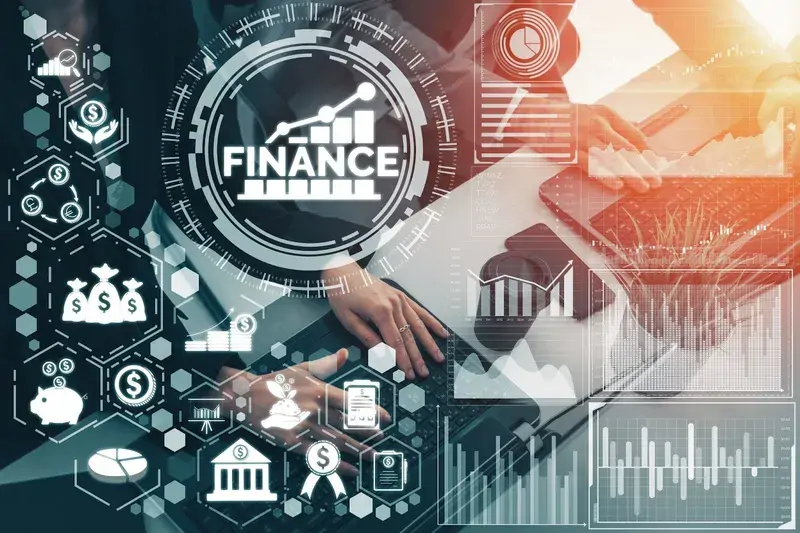
Definition: Blockchain for Certification & Security is a solution that stores and verifies important data - such as certificates, contracts, and financial transactions - on blockchain. The data is transparent, immutable and easy to trace.
Problem to solve: In finance, education and supply chains, verification often depends on paper documents or centralised systems. These methods are prone to fraud, forgery and data errors. Manual processes also take time, reduce transparency, and lower operational quality.
Benefits:
- Eliminate risks of unauthorized data changes.
- Enable automated verification through smart contracts, reducing processing time and costs.
- Adhere to strict security standards, comply with KYC/AML requirements, and scale to support large user bases.
Example: A real case is a DeFi platform for a fintech company. It uses blockchain to digitise assets and enable peer-to-peer lending. The system integrates e-wallets, supports cross-chain transactions, and ensures compliance with international KYC/AML rules.

11. 2 frequently asked questions about AI solutions for Finance
1. How is AI being used in the finance industry?
AI is now applied across multiple areas of finance, from credit scoring and fraud detection to customer service chatbots, automated trading, and financial document processing.
2. Which GPT model is best for finance?
There is no single GPT model that is “best” in every case. Today, many companies, including TMA, use BloombergGPT, which is trained on financial data and shows strong results in financial NLP tasks.
AI solutions for finance from Vietnam are helping the industry operate faster and safer. These applications allow businesses to forecast risks more accurately, improve customer service, automate identification, and detect fraud in real time.
If you are looking for a technology partner in Vietnam to develop AI solutions for finance, please contact TMA using the details below for a full consultation.
Contact information:
TMA SOLUTIONS - The leading Fintech software outsourcing company in Vietnam Email: sales@tmasolutions.com Website: https://www.tmasolutions.com/ Linkedin: TMA Solutions TMA Tower address: Street #10, Quality Tech Solution Complex (QTSC), Trung My Tay Ward, Ho Chi Minh City. |


.webp_2026-10-01-18-27-07-971.webp)
.webp_2026-10-01-18-17-11-290.webp)