23/05/2025
In today's fast-paced world, the expectation for swift and reliable deliveries has never been higher. Yet, the complexities of global logistics often lead to frustrating shipping delays. Imagine the disappointment of a much-anticipated package not arriving on time! Fortunately, a powerful ally is emerging to tackle this challenge head-on: Artificial Intelligence (AI).
AI is no longer a futuristic fantasy; it's a tangible force reshaping industry, and logistics is no exception. By analyzing vast amounts of data, AI algorithms can identify patterns, predict potential disruptions, and ultimately help businesses deliver goods more efficiently and on schedule. At its core, AI's ability to predict shipping delays stems from its capacity to process and learn from enormous datasets. These datasets can include historical shipping times, weather patterns, traffic congestion, port congestion, geopolitical events, and even social media sentiment. By identifying correlations and anomalies within this information, AI algorithms can forecast potential bottlenecks and delays with remarkable accuracy.
Here's a breakdown of how AI contributes to predicting and mitigating shipping delays:
- Analyzing Historical Data: AI algorithms sift through years of shipping records, identifying recurring patterns that lead to delays. For instance, they might learn that shipments passing through a particular port during a specific month are consistently delayed due to seasonal weather or increased traffic.
- Real-Time Monitoring: AI systems continuously monitor live data feeds, such as weather forecasts, traffic updates, and news reports. This allows them to detect emerging risks that could impact delivery timelines. For example, an AI system might flag an impending hurricane in a key shipping region, enabling proactive adjustments to routes and schedules.
- Predictive Modeling: By combining historical data and real-time information, AI develops sophisticated predictive models. These models can estimate the probability of a delay and even forecast the potential duration, allowing stakeholders to take preemptive action.
AI Solution for Logistics at TMA
Speaking of innovation, TMA, a Vietnam software distributor, has been actively involved in developing AI-powered solutions for the logistics industry. Our projects aim to streamline the entire shipping process, from the moment an order is placed to the final delivery.
Here's a glimpse into the comprehensive AI solutions TMA is developing:
- Order-to-Shipping Optimization: AI can analyze order details, inventory levels, and transportation options to determine the most efficient and cost-effective shipping method right from the outset. This includes selecting the optimal warehouse location for fulfillment and the ideal carrier based on factors like cost, speed, and reliability.

- Intelligent Container Space Optimization: Imagine trying to fit Tetris pieces into a container, but with varying sizes and weights. AI algorithms excel at this, calculating the optimal way to load containers to maximize space utilization. This not only reduces shipping costs but also minimizes the number of trips required, saving time and reducing manual labor involved in loading and unloading.
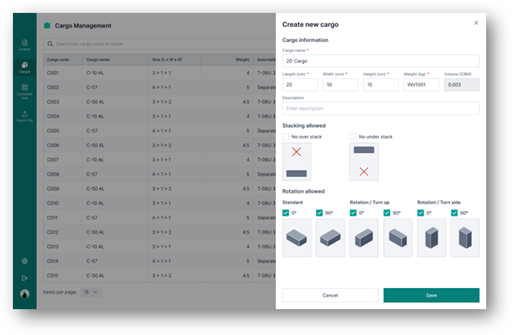
- Right-Sized Packaging Solutions: AI can analyze the dimensions and fragility of items to determine the most suitable box size. This prevents damage during transit, reduces the use of unnecessary packaging materials, and can even impact shipping costs based on dimensional weight.
- Smart Parking Management: For logistics hubs and warehouses, AI-powered systems can optimize parking for trucks and delivery vehicles. By analyzing arrival and departure schedules, these systems can direct vehicles to the most efficient parking spots, reducing congestion and turnaround times.
- Fleet Monitoring and Optimization: AI enables real-time tracking of shipping fleets, providing visibility into the location and status of every vehicle. This allows for dynamic route adjustments to avoid traffic bottlenecks, optimize fuel consumption, and provide accurate estimated times of arrival (ETAs).
- Condition Monitoring for Package Quality: For sensitive goods like pharmaceuticals or perishables, AI can monitor critical environmental metrics such as temperature, humidity, and light exposure throughout the journey. Deviations from pre-set thresholds trigger alerts, allowing for timely intervention to ensure the quality of the package upon delivery.
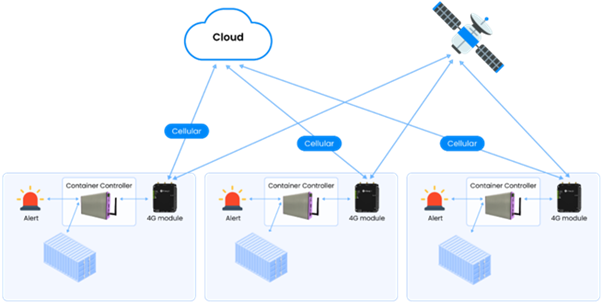
- Automated People Counting and Tracking: Within warehouses and distribution centers, AI-powered computer vision can accurately count and track the movement of personnel. This data can be used to optimize workflows, identify potential safety hazards, and improve overall operational efficiency.
- Enhanced Safety and Security: AI plays a crucial role in bolstering safety and security within the logistics ecosystem. This includes using computer vision for surveillance to prevent theft and unauthorized access, analyzing driver behavior to identify risky patterns, and predicting potential security threats along shipping routes.
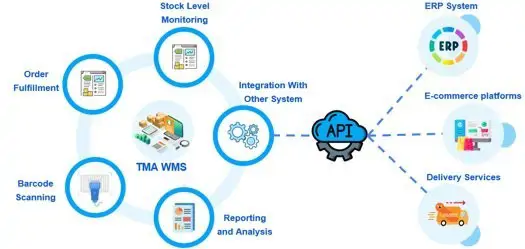
- Intelligent Warehouse Management: AI is transforming warehouse operations through automated inventory management, optimized picking and packing processes driven by robotic systems guided by AI, and predictive maintenance for warehouse equipment, minimizing downtime and ensuring smooth operations.
Other Real-World AI in Action
The impact of AI on shipping delay prediction and logistics optimization is already being felt across various industries:
- E-commerce Giants: Companies like Amazon utilize AI algorithms to predict demand, optimize warehouse placement, and dynamically adjust delivery routes to minimize delays and offer faster shipping options.
- Global Logistics Providers: DHL and FedEx leverage AI for route optimization, predictive maintenance of their vehicle fleets, and real-time tracking to provide clients with accurate ETAs and proactively manage potential disruptions.
- Port Authorities: AI-powered systems are being implemented in ports to optimize vessel traffic, predict congestion, and streamline loading and unloading processes, reducing delays in maritime shipping.
The Future
As AI technology continues to evolve, its impact on the logistics and shipping industry will only grow stronger. We can expect even more sophisticated predictive models, greater automation across the supply chain, and ultimately, a future where shipping delays are significantly minimized, leading to greater client satisfaction and more efficient global trade. Innovative companies like TMA Solutions, with over 12 years of experience serving clients across Belgium, Hong Kong, Japan, Thailand, Malaysia, Vietnam, and beyond, are driving this transformation. The widespread adoption of AI solutions championed by TMA is paving the way for a smoother, more predictable, and ultimately, more reliable shipping experience for everyone.


