Home
Search
Found 797 results for “ “ keyword
icon
Vietnam’s digital transformation Outlook 2022 For Vietnam's government, digital transformation is a must for the country's continued economic success. According to projections, Vietnam's Gross Merchandise Volume (GMV) will increase by 28% in 2022, making it one of the most rapidly developing digital economies in Southeast Asia. It is projected that by 2030, the digital sector will account for 30% of Vietnam's GDP. Digital transformation: key to Vietnam's development The COVID-19 Impact Accelerating the country's digital push helped Vietnam handle COVID-19 rather well, making it one of the few nations to do so. It will take a lot of work, but Vietnam may provide the groundwork for its domestic institutions to embrace cutting-edge digital technologies and become a digital powerhouse in the future. The role of EVFTA in Vietnam's transition to digital By improving Vietnam's legal framework for digital transformation and fostering the growth of electronic commerce between the European Union and Vietnam, the EVFTA will contribute to the expansion of Vietnam's digital economy and progress. This will be achieved by regularly and fruitfully discussing the regulatory issues that digitization and e-commerce have raised. With the steady improvement of e-commerce rules, legislation, and frameworks, Vietnam will be able to go forward with its digital transformation. Digital Transformation: The Cornerstone of Vietnam's National Plan Vietnam hoped to complete two primary objectives by the century's midpoint. One goal, as stated by Prime Minister Pham Minh Chinh at COP26, is to reach net-zero carbon emissions by the year 2050. Another is to achieve high-income status by 2045, as stated in a resolution passed by the 13th National Party Congress. To achieve these objectives, digital transformation is essential. Many national programs emphasize it as a major priority for that reason. The primary areas that this digital revolution will impact Manufacturing The majority of industrial organizations currently have access to digital technology, making this industry ripe for digital transformation. Most companies are involved in processing and assembly, so manufacturing-related technologies are often well-received. Technologies such as robotics, automation, and monitoring and control fall under this category. Finance and Banking The financial technology industry in Vietnam is growing at a remarkable rate, considering its youth. In 2021, digital payments facilitated the majority of the venture capital invested in Vietnam (93%). The rapid growth of e-commerce, the massive number of smartphone users, and robust internet penetration in the country are all factors that have contributed to the rise of FinTech. E-commerce Online shopping is booming in Vietnam, making it one of the country's most dynamic digital economy sectors. The e-commerce market in Vietnam is growing at a rate of 35% annually, which is 2.5 times quicker than Japan, according to VECITA. Online shopping in Vietnam is expected to reach a new high of 16.4 billion USD in revenue, setting a new standard for this sector. Logistics The impact of digital transformation on logistics is a growing worry for both governments and corporations. The Vietnamese Minister of Industry and Trade, Nguyen Hong Dien, has stated that the country's logistics service sector will expand rapidly and ethically in response to international demand. The Ho Chi Minh City People's Committee has disseminated a plan for the digital transformation of the local logistics sector from 2022 to 2025, with an eye toward 2030. By 2025, the city will have completed developing digital platforms that connect multimodal transport services, a consolidated data repository, and a digital logistics map. There has been a lot of success, but far more work remains before Vietnam catches up in the development of its digital capabilities. This will ensure that the country's digital economy can benefit all citizens equally. To top it all off, Vietnam is ready to embrace digital change. Source : Source of Asia...
icon
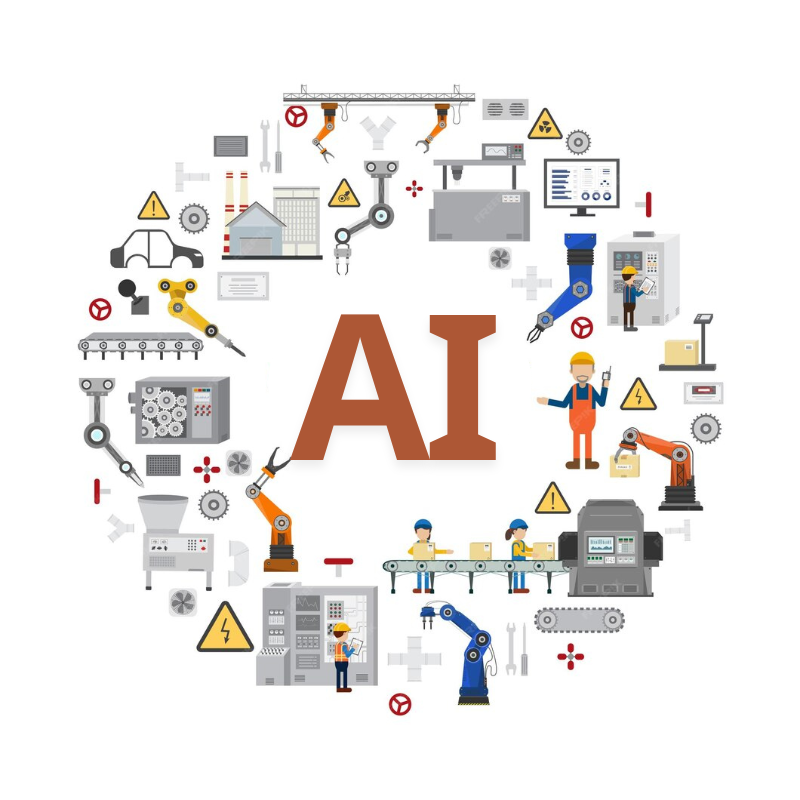
Vietnam’s Manufacturing depends on AI for productivity boost Vietnam's manufacturing sector is increasingly reliant on artificial intelligence (AI) and digital transformation to drive growth and competitiveness, as outlined in Zebra Technologies Corporation's 2024 Manufacturing Vision Study. The study highlights that 46% of manufacturers in the Asia Pacific (APAC) region expect AI to spur growth by 2024, rising to 68% by 2029. This rapid surge underscores the crucial role of AI in enhancing productivity and improving quality in manufacturing processes. Challenges in Adopting Digital Technologies Manufacturers face big challenges when trying to adopt digital technologies. Globally, 30-40% of those surveyed say the main problems are high labor costs, a lack of skilled workers, and difficulties in combining information technology (IT) with operational technology (OT). In the Asia Pacific region, these challenges are even greater due to the sector's rapid expansion and the need for continual reskilling of the workforce. Vietnam’s Ambitious Manufacturing Goals Vietnam's government has set ambitious goals for its manufacturing sector, targeting a 30% contribution to GDP and an annual labor productivity growth rate of 7.5%. With the manufacturing sector expected to grow by more than 8.5% per year, adopting AI and other advanced technologies is critical. FDI has been pivotal, with the sector attracting $20 billion in 2023, accounting for over 60% of Vietnam’s total FDI. This influx has strengthened Vietnam's position as a manufacturing hub, particularly in electronics and textiles. Real-Time Data and AI Integration The report emphasizes that real-time data visibility is key to driving digital transformation in manufacturing. By integrating AI-powered analytics , manufacturers can enhance data management, track performance, and address issues immediately. This allows for better decision-making, predictive maintenance , and quality control , leading to greater efficiency and reduced downtime. Conclusion In conclusion, Vietnam's manufacturing sector stands at a crucial juncture, where embracing AI and digitalization will be essential for sustaining growth and competitiveness. With global and regional manufacturers increasingly prioritizing these technologies, Vietnam’s push towards a digitally-enabled manufacturing environment is expected to play a critical role in achieving the sector's ambitious growth targets. Source: Vietnam Economic News...
icon
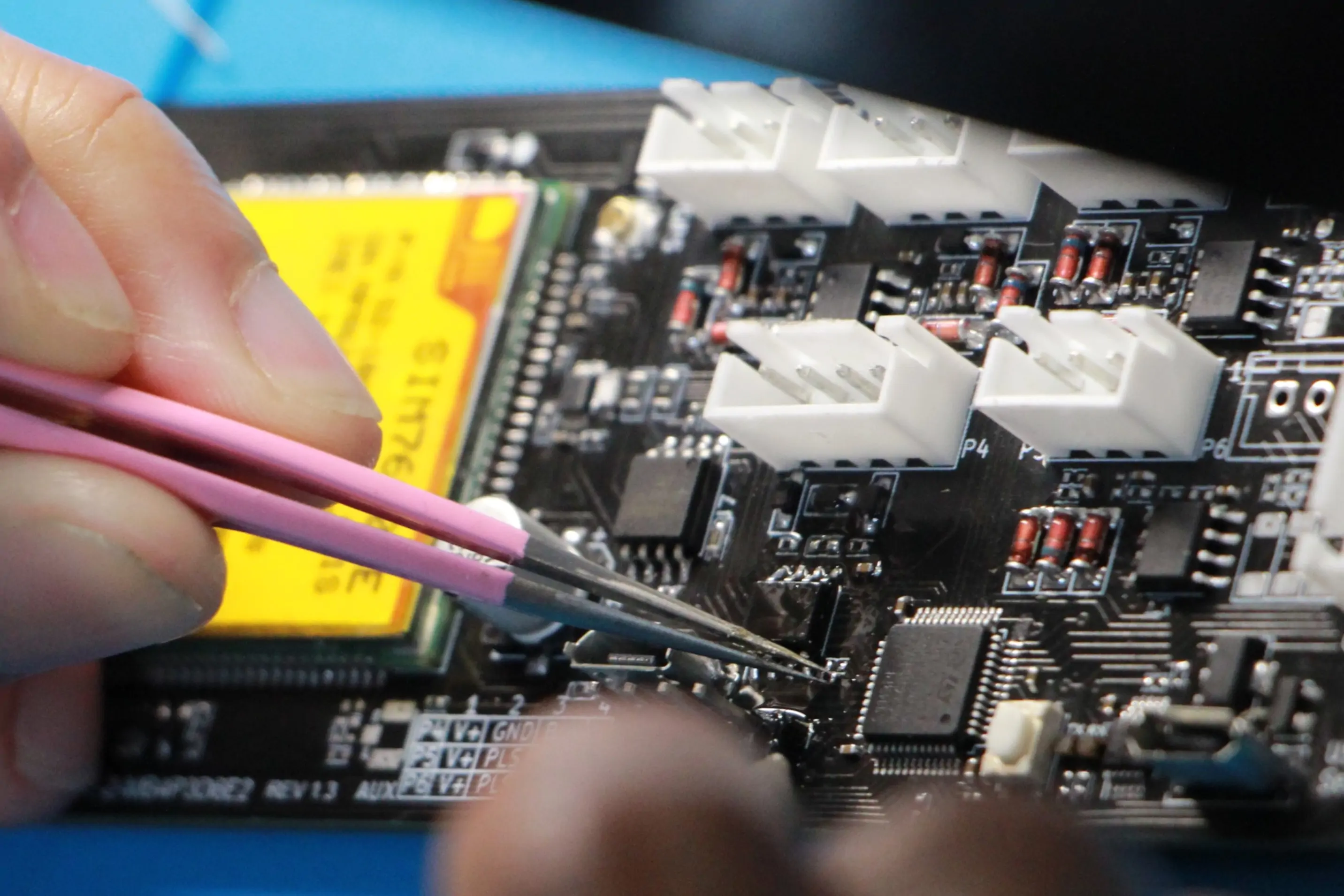
Vietnam's path to becoming a semiconductor industry leader With the current political and economic climate, Vietnam has a lot of chances to grow its semiconductor chip sector and become a player in the global value chain. Experts agree that the most pressing issue now is the need for a plan to train workers to meet business needs and the absence of regulations to entice investors and talent in preparation for a market that might reach $1 trillion by 2030. The contemporary computer owes its very existence to semiconductor microchips. Chips and microcircuit systems are essential to functioning a wide variety of consumer electronics, including vehicles, phones, computers, TVs, aircraft, robots, medical equipment, and other electrical items found in the home. The semiconductor industry's "big guys" have entered a new market: Vietnam With its improved reputation and political stability, Vietnam is now in a better position to entice leading semiconductor technology companies from around the world. A facility in Bac Ninh province will manufacture, assemble, and test semiconductor materials and equipment, and Amkor Technology Group (Korea) is investing quickly in it so that trial production may start by the end of October. Yen Phong II-C Industrial Park is home to a state-of-the-art semiconductor factory project that will set a new record for Amkor's global footprint at an estimated 1.6 billion USD. Similarly, in 2023, Samsung conducted the first round of the GSAT (Global Samsung Aptitude Test) hiring test to assist with the R&D Center (Hanoi) operations and the factory's ambitions to manufacture transistor grids. Samsung Electro-Mechanics Vietnam (SEMV) is based out of Thai Nguyen. More than $2.6 billion is the capital of the project in issue. At the same time, Vietnamese operational firms are constantly broadening the reach and placement of their projects. For example, the Japanese conglomerate Meiko Group has recently contacted the provincial government of Hoa Binh with an offer to spend over $200 million USD in a factory on the left bank of Song Da Industrial Park that would manufacture a variety of electronic circuits. This consortium of electrical circuit board producers and assemblers made their initial investment in 2006 with a total of over 500 million USD. Currently, they have three factories that make and put together circuit boards for electrical devices. On the other hand, Intel spent more than a billion dollars in Vietnam, and their factory there is still quite important to the company's output. Importantly, reliable sources have revealed that this American semiconductor firm is considering seeking more capital in order to broaden the scope of its project at the SHTP in Ho Chi Minh City. Together, the investments of Qualcomm, Texas Instruments, NXP Semiconductors, SK Hynix, and Hayward Quartz Technology—among other multinational companies—in the Vietnamese semiconductor business create an ecosystem of more specialized chips. Along with the influx of foreign direct investment (FDI), Vietnam is seeing an increase in high-quality, value-added investment projects. Because of its ability to host chip testing, design engineer training, and the construction of facilities for the production of semiconductor materials and components, Vietnam is a popular destination for investors seeking to launch a semiconductor industry. The design stage is highly appreciated and considered vital in the semiconductor business; Vietnam is attracting large-scale investment in chip design. What makes Vietnam so appealing? The global chip, component, and semiconductor manufacturing sectors have been plagued by supply chain difficulties following the COVID-19 epidemic. Vietnam is one of several nations benefiting from the reorganization of production chains brought about by this climate; many of the world's top chip firms have set up shop in Vietnam. Infineon Technologies Asia-Pacific President and CEO Mr. CS Chua claims that Vietnam's young population and large population (almost 100 million) make the country a promising market, rising to prominence as a top destination for technical talent recruitment by international corporations. There are a number of benefits to entering the semiconductor industry in this economy of almost 100 million people, such as a large and young population and an increasing supply of skilled individuals in the electronics industry. Thanks to its low labor costs and strategic position in Southeast Asia, Vietnam provides a climate that is favorable to business. The Vietnamese government is enticing international investment and commerce while it adjusts the legal framework to match global standards. On the other hand, Vietnam is home to a vibrant group of local entrepreneurs who are both ambitious about the country's future and open to new ideas and experiences. Steps to join the multibillion-dollar industry Growing demand for semiconductor chip goods in many different sectors is driving rapid market expansion. These sectors include healthcare, AI, automobile production, electronics, and home appliances. The American Semiconductor Industry Association predicts that by 2030, the worldwide market for semiconductor chips will have grown to 1,000 billion USD. The projected sales amount is now approximately 600 billion USD. Thus, by entering the international semiconductor industry, Vietnam will have access to markets that might be worth billions of dollars. Because of the semiconductor industry's growing importance to the world economy, most developed countries have instituted policies to boost the industry while strengthening their links to other countries in an effort to become the industry leaders. Vietnam has risen to the ninth-highest position in the world for electronics exports. Due to the country's present strengths, big tech corporations plan to boost semiconductor component production in Vietnam, which could make it the world's leading chip design and manufacturing hub. According to experts, Vietnam's semiconductor industry has a great deal of untapped potential for growth and international participation. In order to achieve this goal, Vietnam must overcome many obstacles, such as creating a favorable environment for businesses, allocating funds for research and development, collaborating with international partners, and establishing a domestic supply chain. Hardware by TMA Creating the Path for Progress in the Semiconductor Sector When it comes to providing cutting-edge hardware integration solutions, TMA Hardware Lab is now at the forefront. This forward-thinking lab has developed, integrated, and tested hundreds of devices in the Internet of Things (IoT), telecommunications, healthcare, robotics, manufacturing, and smart city applications. Mastery of Technical Areas TMA Hardware Lab's backbone consists of over 200 embedded engineers with a combined depth of expertise. This expert team's dedication to accuracy and quality is evident in the flawless integration of more than 100 devices. Full Range of Services Design, testing, integration, and maintenance are just a few of the many services offered by TMA Hardware Lab. The team has a deep understanding of the significance of maintaining optimal hardware performance and provides customized solutions to address their client's unique requirements. The team's deep understanding of current technology allows them to provide comprehensive project management and top-tier hardware services. Various Technology The Hardware Lab's expertise includes a number of technologies, including chipsets from companies like ESP, Raspberry, NXP, STM, and PIC. They are experts in hardware design, using programs like Altium, Kicad, and OrCA. They are also experts in microcontroller units like ESP32, NXP32, STM32, and PIC32. They are experts in power electronics (including Boost, Flyback, and BLE topologies) and the Internet of Things (IoT), which includes LoRaWAN, WiFi-6, and Wi-Fi HaLow. Maximizing Efficiency through the Use of Hardware Their method relies heavily on hardware integration, which gives companies a bird' s-eye view of the whole production cycle. This method, which improves workflow efficiency and management, demonstrates TMA Hardware Lab's dedication to providing state-of-the-art solutions. The Hardware Lab at TMA Solutions is still a major player in this age of rapid technological development. It helps to pave the way for new innovations and determines the direction the semiconductor industry will take. When it comes to hardware innovation, no one does it better than TMA Hardware Lab, thanks to its outstanding team and relentless pursuit of perfection....

icon
Vietnam-South Korea Cooperation in the Digital Era During his visit to South Korea on August 1-2, Minister Hung Nguyen led a delegation from Vietnam’s Ministry of Information and Communications (MIC) to meet with key South Korean agencies, including the Ministry of Science and ICT (MSIT) and the Digital Platform Government Committee. The discussions covered in-depth digital strategies and cutting-edge technologies like AI in semiconductors and large-scale AI computation, with both sides sharing a vision for growth in the era of artificial intelligence. The meeting between Vietnam’s Ministry of Information and Communications and South Korea’s Ministry of Science and ICT. Photo by Khanh Van - TTXVN. Vietnam is making significant strides in information and communications technology, with a particular emphasis on AI, and highlighted the importance of international cooperation in developing a skilled workforce. At the meeting, the two ministers pledged to deepen cooperation in AI research and development as well as in semiconductor technology. As part of the visit, Minister Hung toured Seoul Cyber University, where he attended the opening ceremony of a joint training office with Vietnam’s Posts and Telecommunications Institute of Technology—an achievement that underscored the strong partnership between the two institutions. He also participated in the 2024 Vietnam-Korea Digital Forum, creating opportunities for Vietnamese ICT companies to connect and explore partnerships in South Korea. Minister Hung met with Vietnamese students in South Korea, sharing insights into Vietnam’s ICT sector development and encouraging them to contribute to the nation’s growth through technology. The visit strengthened Vietnam-South Korea relations and opened promising new avenues for collaboration in technology and workforce training. Source: vietnam.vnanet.vn...
icon
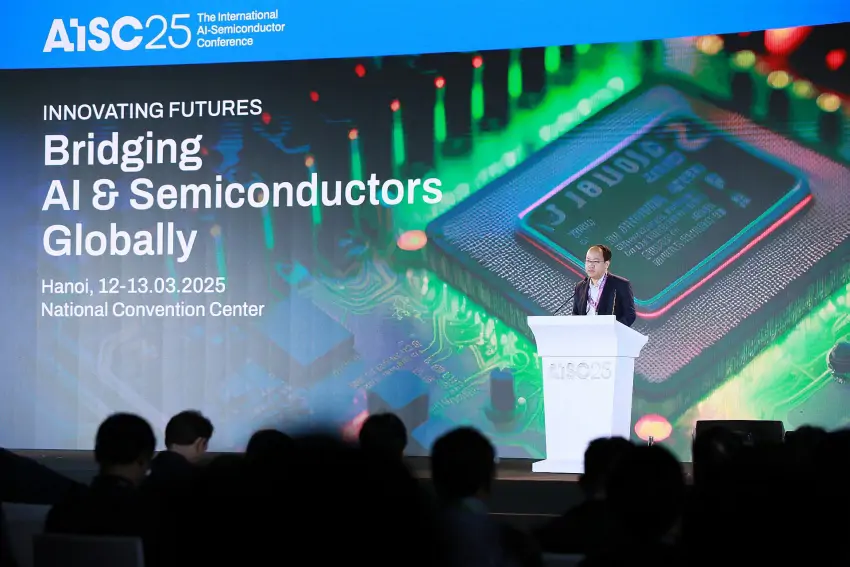
Vietnam with the Golden Opportunity in the Global AI and Semiconductor Revolution The 2025 International Conference on Artificial Intelligence and Semiconductors (AISC 2025) officially opened on March 12 in Hanoi, co-hosted by Aitomatic and the National Innovation Center (NIC). The event highlights Vietnam’s growing role in the global high-tech supply chain. The 2025 International Conference on Artificial Intelligence and Semiconductors (AISC 2025) Speakers at the conference emphasized that this is a key opportunity for Vietnam to establish its position in the regional tech race, strengthen innovation capacity, and foster sustainable development in the high-tech sector. Hosting AISC 2025 also reflects Vietnam’s growing appeal to the international technology community and global investors. Technology experts pointed out that Vietnam is on the right track by prioritizing the development of AI and semiconductors, which are part of the core pillars of the future economy. The country is seen as having strong potential to become a global AI hub soon. Discussions covered emerging technology trends such as AI-driven chip design, advanced semiconductor architecture, and strategies for international cooperation. One notable trend is the use of AI to fully automate chip design processes, which not only boosts performance but also significantly reduces production costs. Participants at the event In the financial sector, AI is expected to reshape banking operations, making them more intelligent, secure, and highly personalized. Financial institutions are aiming not only for operational efficiency but also for the creation of seamless digital ecosystems centered on client needs, with a proactive approach to digital transformation. Survey results shared at the conference show that Vietnam is among the most optimistic countries regarding the future of AI. Vietnamese people are less concerned about job losses and more confident that AI will drive economic growth. As many developed countries face talent shortages due to aging populations and a declining number of skilled professionals, Vietnam is gaining attention for its youthful, dynamic workforce. Experts believe this represents a rare and historic opportunity—and that Vietnam’s young generation must take initiative not only to participate in, but also to lead, the global technology revolution. Source: https://vietnamnews.vn/economy/1692766/ai-semiconductor-2025-conference-to-gather-1-000-industry-leaders-in-viet-nam.html vietnamnews.vn...
icon
Web3 - The Future of the Internet As the digital landscape continues to evolve, Web3, often hailed as the next generation of the internet, is transforming how businesses operate and engage with users. Web3 represents a decentralized version of the internet, powered by blockchain technology, smart contracts, and peer-to-peer networks. This emerging technology promises to bring about significant advancements in various industries, with finance, social platforms, and gaming leading the charge. Web3 in Numbers: A Growing Ecosystem The adoption of Web3 is on the rise, with finance applications benefiting the most from its decentralized and transparent architecture. In fact, 46% of finance apps are now utilizing Web3 technology . Beyond finance, other sectors such as social applications (8.9%) and gaming (5.7%) are also embracing Web3 to create more interactive and secure user experiences. From a geographical standpoint, North America leads the global Web3 economy , accounting for 34% of the market. Europe holds 24% , and the Asia-Pacific region ranks third with 18% . The remaining market share is distributed among the Middle East and Africa (14%) and South America (10%) . Web3 Blockchain Market: Current Trends and Future Growth Web3’s growth is reflected in the rapid expansion of the blockchain market. In 2021 , the global Web3 blockchain market was valued at USD 3.8 billion . The market saw a slight dip in 2022 , with a valuation of USD 1.73 billion , but it is projected to experience exponential growth. Experts anticipate the Web3 blockchain market to expand at a Compound Annual Growth Rate (CAGR) of 47.1% from 2023 to 2030 , driven by growing interest and investments in decentralized technologies. Looking ahead, the market’s revenue is expected to reach USD 23.3 billion by 2028 , achieving a CAGR of 41.6% during this period. The North American market , which dominated in 2022 with over 37% of global revenue share , will continue to play a pivotal role in this growth. At the same time, the Asia-Pacific region is projected to become the fastest-growing market, thanks to its technological advancements and adoption of blockchain applications across various sectors. Opportunities and Benefits for Businesses Web3 presents a wealth of opportunities for businesses looking to enhance their digital strategies and improve operational efficiency. Key benefits of Web3 include: Decentralization : Traditional centralized systems are prone to data breaches, monopolies, and censorship. Web3 offers a decentralized alternative, distributing control and enhancing security and privacy for users and businesses alike. Enhanced Transparency : Web3 is built on blockchain technology, which provides an immutable ledger of transactions and data. This transparency builds trust among users and fosters greater accountability for businesses. Improved Security : With data breaches and cyberattacks becoming increasingly common, Web3’s cryptographic security measures provide a robust defense against such threats, ensuring the safety of user data. Cost Efficiency : Web3 reduces the need for intermediaries in transactions, cutting down on costs for businesses. By automating processes through smart contracts, businesses can operate more efficiently and effectively. Regional Insights: A Global Phenomenon The Web3 revolution is not confined to one region. While North America remains the dominant player, Asia-Pacific is expected to outpace other regions in terms of growth . The region’s rapid adoption of blockchain and digital technologies positions it as a key driver in the future of Web3. Businesses in North America have long benefited from a mature market and early access to cutting-edge technologies. However, emerging markets in Asia are quickly catching up, presenting exciting opportunities for global companies to expand their reach and tap into new client bases. The Middle East, Africa, and South America are also gaining traction, leveraging Web3’s decentralized infrastructure to create more inclusive and accessible economies. TMA Solutions: A Leader in Web3 Innovation As Web3 continues to reshape industries, it’s crucial for businesses to partner with experienced technology providers to stay ahead of the curve. TMA Solutions is a leader in this space, with over 27 years of experience in the software industry . Serving clients in 30 countries , TMA has the expertise and scale to deliver cutting-edge Web3 solutions tailored to the specific needs of businesses. One of TMA’s greatest strengths lies in its technical capability . With a team of over 4,000 software engineers , TMA can handle large and complex projects across a wide range of technologies, including AI, IoT, Big Data, Cloud Computing, and Blockchain . This depth of expertise enables TMA to provide businesses with the tools they need to harness the power of Web3 and thrive in an increasingly digital world. Conclusion: Embracing the Future with Web3 The potential of Web3 is vast, and businesses that leverage this transformative technology stand to gain a competitive edge in the market. From decentralization and transparency to security and cost efficiency, Web3 offers numerous advantages for forward-thinking companies. As the global Web3 blockchain market continues to grow, with North America and Asia-Pacific leading the charge, partnering with experienced technology providers like TMA Solutions will be essential for businesses looking to navigate this new digital frontier. With its extensive experience, technical expertise, and global reach, TMA is well-positioned to help businesses seize the opportunities of Web3 and drive innovation for the future. ...
Newsletter Get The Latest TMA Solutions Newsletters & Announcements...
New Solutions AI Seminars AI Training TMA AI Newsletter Q1/2024 Welcome to TMA AI Newsletter. This newsletter provides an overview of the main activities of TMA AI Center in Quarter 1 of 2024. Please contact mailto:biz@tma.com.vn biz@tma.com.vn for detailed information. AI Training New Solutions AI Seminars Functions Real-time speech recognition: Employ real-time audio streaming during voice calls. Analyze clients’ voices to understand the questions. Integration with company information hub : Integrate with the company knowledge base to provide the relative answer to the client’s questions. Instant suggestions: The system displays corresponding answers relative to clients’ queries. Technologies Speech-to-text, NER, sentiment analysis Natural Language Processing, Deep Learning Healthcare Client Service Chatbot Benefits & Applications Boosted agent productivity Enhanced client engagement Increased sales opportunities Functions Integration with application information hub: Integrate with the application knowledge base to provide the relative answer to the client's questions. Instant answers: Provide text/ voice answers/ information to clients' questions. Multiple language support: Supports English, Vietnamese, etc. Description Provide real-time response to user's queries about the applications and common issues when using the system. Technologies Generative AI - OpenAI RAG document Chatbot Benefits & Applications Enhanced user experience Optimized operation cost Improved client retention Sleep Quality Analysis Description Analyze and monitor sleep quality based on heart rate data. Functions Predict sleep quality based on the curve of heart rate points during sleep. Detect if the user's oxygen saturation level drops while sleeping. Safety Solutions for Public Areas Technologies Data processing, data profiling Statistics Scikit-learn library, classification Data visualization Benefits & Applications Assist users in understanding their sleep to adjust their habits before sleep and in daily life. Early detect some potential causes and abnormalities during sleep. Foundation Program 101 trainees certified Prompt Engineering & Generative AI AI & Cybersecurity Online AI Foundation 820 trainees certified Intermediate Program 567 trainees Smart Q&A Call Center Assistant Description An application running on the Agent’s PC of the Call Center to capture real-time audio and provide tailored suggestions for clients’ queries, providing suggestions based on a knowledge base to support call agents in answering client inquiries and concerns. Self-healing in Automation Testing Benefits & Applications Enhanced accuracy Optimized operation Labor reduction Description Analyze sound to automate durian quality check. Technologies Spectrogram analysis MFCCs, GMMs & HMMs for audio tagging PANNs model for audio classification Functions Sound detection: Develop a specialized tool to tap durian husks and capture the resulting sound feedback. Knowledge base: Define the correlations between sound detection and durian ripeness/quality, determining their suitability for export or domestic sale. Information portal: Display insights on each durian's ripeness/quality and their readiness for export or domestic sales. Benefits & Applications Flexible deployment Human effort optimization in farming work High accuracy Durian Quality Control Sound-based Fault Detection System in Manufacturing Description Apply a sound-based fault detection system to enhance quality control in valve manufacturing. Functions Sound detection: Sound sensors capture signals during valve tightening Model classification: Data processing and input into a model for fault and normal valve classification Notification: Signals are sent to a robot arm to remove faulty products, ensuring only quality items proceed in production Technologies AI machine Adlink DLAP211, PLC Siemens S7 Sound analysis Model classification Benefits & Applications Enhanced quality control Increased efficiency Description Identify, classify and notify road damage to support road maintenance. Road Damage Detection Functions Real-time road damage detection: Utilize Computer Vision technology to identify and classify various types of road damage instantly. Map location marking: Pin the detected road damage locations on a map. Drivable area segmentation: Divide the road into drivable and non-drivable areas. Benefits & Applications Real-time detection of potential crimes & violations Enhance public safety Technologies Edge AI Object detection, tracking & monitoring Behavior analytics Functions Real-time weapon detection Trespass warning Unusual loitering warning Breaking for entering indicator and door or window tampering Nighttime activity in unusual areas Crowd formation and dynamics Aggressive behavior warning Vandalism - throwing Description AI Solution applies smart cameras to provide real-time surveillance, including weapon detection, trespass alerts, and crowd monitoring, ensuring safety in public areas. Technologies Python, Tensorflow Lite Computer vision, Object detection and segmentation Benefits & Applications Real-time detection and reporting Efficient resource allocation High accuracy Functions Pest detection: Automatically identify and classify insects in the field. Detect diseases in rice paddy: Use images taken from rice plants to determine the type of disease the rice plant is experiencing. Real-time notification: Send real-time warnings if the monitoring device detects harmful insects or pathogens on rice plants. Pest Detection Description Solution to detect, identify pests and diseases in the field. Technologies Computer vision, Object detection Object counting/tracking IoT devices & sensors, Edge AI MLops with Cloud services or On-premise server ...