Home
Search
Found 797 results for “ “ keyword
icon
SAP Launches R&D Center in Vietnam with €150 Million Investment On August 7, 2025, SAP announced the opening of a new research and development center in Ho Chi Minh City. This initiative comes with a commitment to invest more than €150 million over the next five years, reflecting the company’s strategy to expand its operations in the Asia–Pacific region. This marks a significant expansion in the company’s global R&D operations, reflecting a long-term commitment to the Vietnamese market. SAP Launches R&D Center in Vietnam As the second SAP Labs hub in Southeast Asia, after Singapore, SAP Labs Vietnam is poised to play a pivotal role in the company’s product development strategy. The facility will focus on key technological areas, including sustainable digital supply chains and intelligent enterprise solutions featuring artificial intelligence (AI). At the time of launch, the center had already recruited over 200 employees (since September 2024) and plans to expand to about 500 employees by 2027. The company is also partnering with universities in Ho Chi Minh City to develop talent pipelines in advanced fields such as AI, data analytics, and software engineering. Vietnam has rapidly emerged as a competitive technology hub in the region, supported by a young, skilled workforce, growing digital infrastructure, and an increasing number of global technology investments. The opening of SAP Labs Vietnam reflects this momentum, positioning the country as a strategic destination for research, innovation, and high-value technology development. Source: TheLEADER...
icon
SAS sharpens AI sword in Vietnam through TMA Solutions sync up SAS has partnered with TMA Solutions to drive the adoption of /technologies/ai-ml-and-data-sciences artificial intelligence (AI) and data analytics in Vietnam, underpinned by enterprise-level consultation services. Operating as a local consulting and training partner, TMA is tasked with delivering solution-based and design consulting across the country, in addition to developing prototypes and projects from business ideas to implementation and maintenance. The alliance is anchored around SAS Viya, an analytics platform built to “orchestrate and accelerate” analytics capabilities from data to discovery to the deployment of analytics models. Through this solution, both SAS and TMA will join forces to drive AI adoption with a specific focus on machine learning, computer vision, and natural language processing (NLP). Source : channelasia...
icon
Vietnam: Prime destination for semiconductor investments The semiconductor industry is undergoing significant global shifts, and Vietnam is emerging as a key player in this transformation. According to market research released by Technavio, one of the world's leading technology research and consulting companies, the semiconductor market in Vietnam is poised for impressive growth. Expected to expand by $1.65 billion at a compound annual growth rate (CAGR) of about 6.52% between 2021 and 2025, Vietnam's semiconductor sector offers compelling opportunities for foreign investors. This article provides an in-depth analysis of the semiconductor production industry in Vietnam, highlighting its growth potential, legal framework, and strategic advantages. Growth of the semiconductor industry in Vietnam Over the past decade, Vietnam has attracted substantial foreign investment in the microelectronics and semiconductor sectors. Major multinational corporations such as Intel Corporation, Jabil, Sonion, Datalogic, and GES have established operations in Ho Chi Minh City's High-Tech Park, signaling their confidence in Vietnam's capabilities. This influx of investment has not only boosted the local economy but also positioned Vietnam as a significant player in the global semiconductor supply chain. The rapid growth of Vietnam's semiconductor industry can be attributed to several factors. First, the country's strategic location in Southeast Asia makes it an ideal hub for companies looking to optimize their supply chains and reduce shipping times to key markets. Additionally, Vietnam offers competitive labor and production costs, which are significantly lower than in many other countries. These cost advantages, combined with the government's proactive policies, have made Vietnam an attractive destination for semiconductor manufacturers. Legal framework supporting semiconductor development Vietnam's government has recognized the importance of the semiconductor industry and has implemented a robust legal framework to support its growth. Key legislation, such as Decision No. 439/QD-TTg dated April 16, 2012, identifies semiconductor development as one of the nine key national products under the National Product Development Program to 2020. This decision underscores the government's commitment to fostering the semiconductor sector as a vital component of the country's industrial strategy. In addition to Decision No. 439, the government issued Decision No. 66/2014/QD-TTg, which lists high technologies prioritized for development investment and high-tech products encouraged for development. This legal framework specifically includes technologies for designing and manufacturing semiconductors and semiconductor devices, further highlighting the government's focus on this critical industry. By prioritizing the semiconductor sector, Vietnam aims to attract more foreign investment and enhance its technological capabilities, thereby driving economic growth. Strategic advantages of Vietnam for semiconductor production Vietnam's appeal as a semiconductor production hub extends beyond its legal framework and competitive costs. The country's strategic location offers significant logistical advantages, making it easier for companies to access key markets in Asia, Europe, and the Americas. Vietnam's proximity to China, the world's largest semiconductor market, is particularly advantageous for companies looking to tap into this vast market while diversifying their supply chains. Another critical factor contributing to Vietnam's attractiveness is its extensive network of free trade agreements (FTAs). Vietnam is a signatory to 13 FTAs, making it one of the most connected countries in the region. In contrast, Singapore has only six FTAs, and Malaysia has seven. These agreements provide Vietnam with favorable market access and investment conditions, allowing foreign investors to benefit from reduced tariffs and other trade incentives. The most notable FTAs that have positively impacted Vietnam's semiconductor industry are the EU-Vietnam Free Trade Agreement (EVFTA) and the Comprehensive and Progressive Agreement for Trans-Pacific Partnership (CPTPP). These agreements grant preferential market access and investment conditions, making Vietnam an even more attractive destination for semiconductor manufacturers. Under the tariff schedules of these agreements, most semiconductor products enjoy a 0% base tariff rate, further enhancing the country's competitiveness. Vietnam as an ideal destination for semiconductor investment In conclusion, Vietnam's semiconductor industry is well-positioned for significant growth, driven by a combination of strategic location, competitive costs, a favorable legal framework, and extensive free trade agreements. The government's commitment to supporting the semiconductor sector, coupled with the growing interest from multinational corporations, underscores Vietnam's potential as a leading hub for semiconductor production. For business owners and investors in the semiconductor industry, Vietnam offers a unique opportunity to capitalize on the country's advantages and contribute to its burgeoning technological landscape. As global demand for semiconductors continues to rise, Vietnam's role in the industry is set to expand, making it an ideal destination for investment. With the right strategies and partnerships, foreign investors can tap into Vietnam's growth potential and secure a strong foothold in the global semiconductor market....
icon
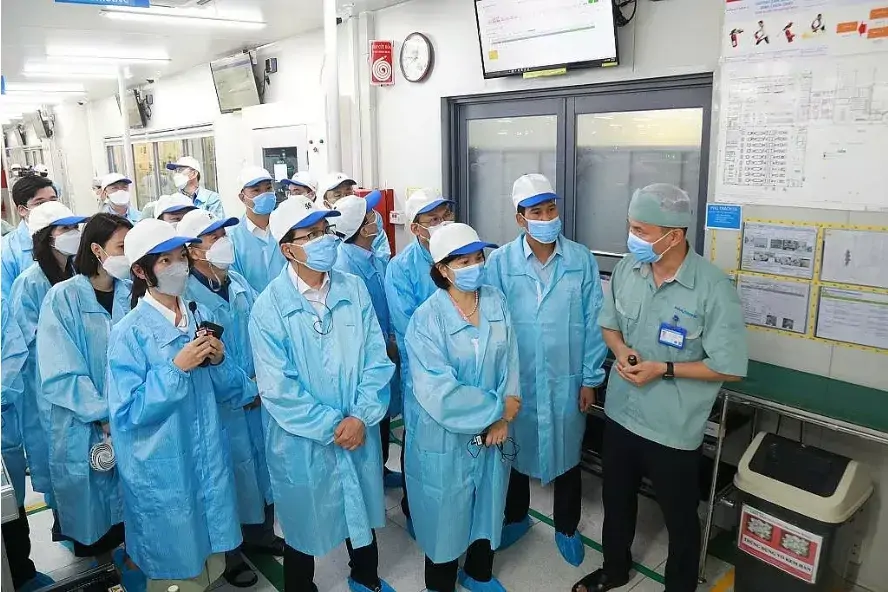
Smart Factories – A Strategic Shift to Elevate Vietnam’s Supporting Industries As global supply chains continue to evolve and competition intensifies both internationally and domestically, many Vietnamese supporting industry enterprises are exploring the adoption of smart factory models as a practical solution to improve efficiency, reduce operational costs, and meet higher production standards. To support this transition, the Ministry of Industry and Trade (MOIT), in cooperation with Samsung Vietnam, has implemented the Smart Factory Development Support Project since 2022. The initiative focuses on assisting businesses in integrating digital technologies and automated systems into their production processes. Over three years (2022–2024), the project has provided consulting services to 72 enterprises and trained 122 Vietnamese professionals in smart factory development. These efforts aim to help businesses gradually improve their production systems and internal capabilities. The Smart Factory Development Support Project has brought many positive changes to participating enterprises. Through a structured approach combining theoretical training and on-site consultation, participating companies have begun to integrate real-time data collection, analysis tools, and automation into their operations. This allows for more informed decision-making, streamlined workflows, and better control over quality and productivity. In many cases, manual processes have been replaced or upgraded with more automated solutions, helping companies shorten production cycles and respond more effectively to client demands. The project’s outcomes show that smart factory practices can support enterprises in improving management systems, enhancing production consistency, and aligning with the operational requirements of global partners. Additionally, the training and consulting provided during the program have contributed to building a base of local experts capable of continuing support and improvement efforts beyond the initial implementation phase. In 2025, the program is set to continue with the goal of supporting an additional group of enterprises from both northern and southern regions of Vietnam. The process includes selecting suitable businesses, providing in-depth evaluations, and guiding the implementation of digital production tools and management systems. This includes a period of theoretical training, followed by hands-on consulting aimed at optimizing production sites and laying the groundwork for ongoing improvement. Through the Smart Factory Development Project, Vietnamese enterprises can strengthen their competitiveness to meet global standards across the entire value chain, including product development, manufacturing, and sales. Alongside production improvements, the initiative also contributes to broader goals, such as increasing the localization of manufacturing, enhancing supplier capabilities, and fostering stronger links between Vietnamese enterprises and larger global manufacturers. These efforts are part of a long-term strategy to strengthen Vietnam’s industrial base, in line with national development plans through 2030 and beyond. The partnership between MOIT and Samsung Vietnam reflects a cooperative model between government and business that helps enterprises gain access to resources, expertise, and practical methods for operational improvement. Rather than a one-size-fits-all approach, the program encourages step-by-step adaptation tailored to each company’s specific context. For many businesses, adopting smart factory models is not simply a matter of technology, but part of a broader shift toward more data-informed, efficient, and responsive manufacturing practices. As these efforts continue, they offer participating enterprises a chance to improve competitiveness and better align with the evolving needs of the global supply chain. Source: congthuong.vn...
icon
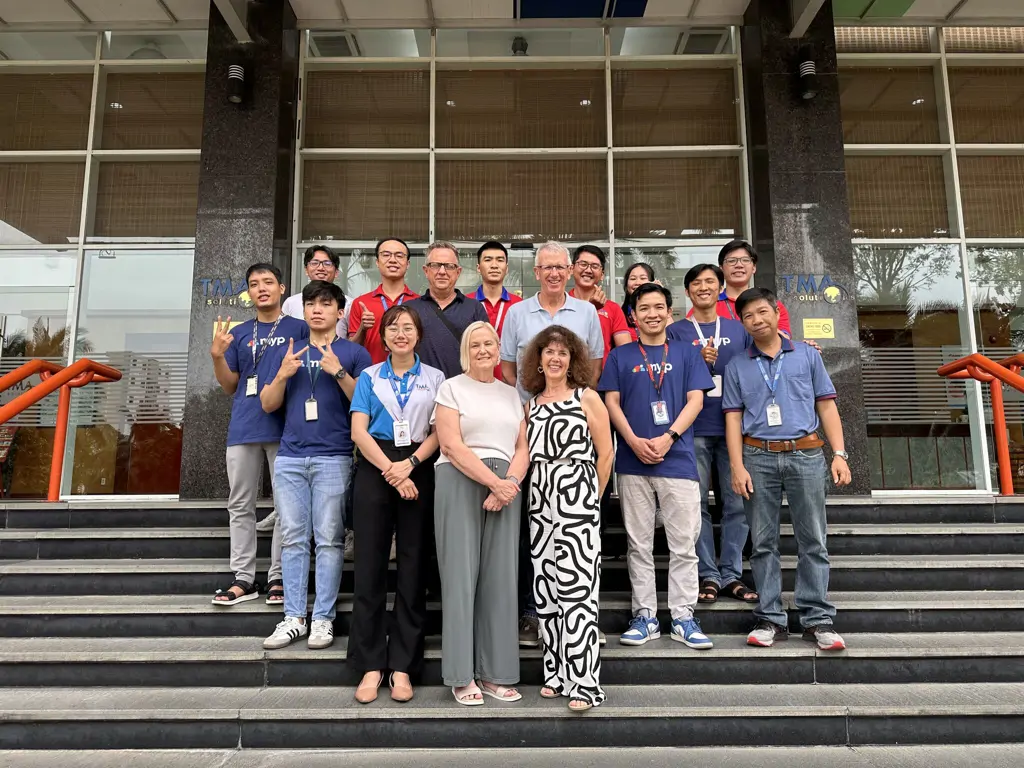
Strengthening Partnerships: MYP Technologies Visits TMA Solutions Tower At TMA Solutions tower, we were delighted to host the founders and directors of MYP Technologies during their recent visit to Vietnam. Steven and Jenny Eager, along with Chris and Lesley Robinson, spent a productive morning alongside the MYP Technologies Vietnam team and had a fantastic opportunity to foster collaboration and discuss future opportunities. Welcoming MYP Technologies to TMA Solutions Tower It was a pleasure to welcome our valued partners and facilitate meaningful conversations with their software engineering team. The visit underscored the strength of our partnership and our shared dedication to innovation. Together, we are excited to explore new ways to bring enhanced value and solutions to clients worldwide. The inspiring meeting between MYP Technologies and TMA Solutions Thank you, MYP Technologies, for your visit and for trusting TMA Solutions as a key partner in advancing global software excellence. We look forward to driving exciting new opportunities together!...
icon
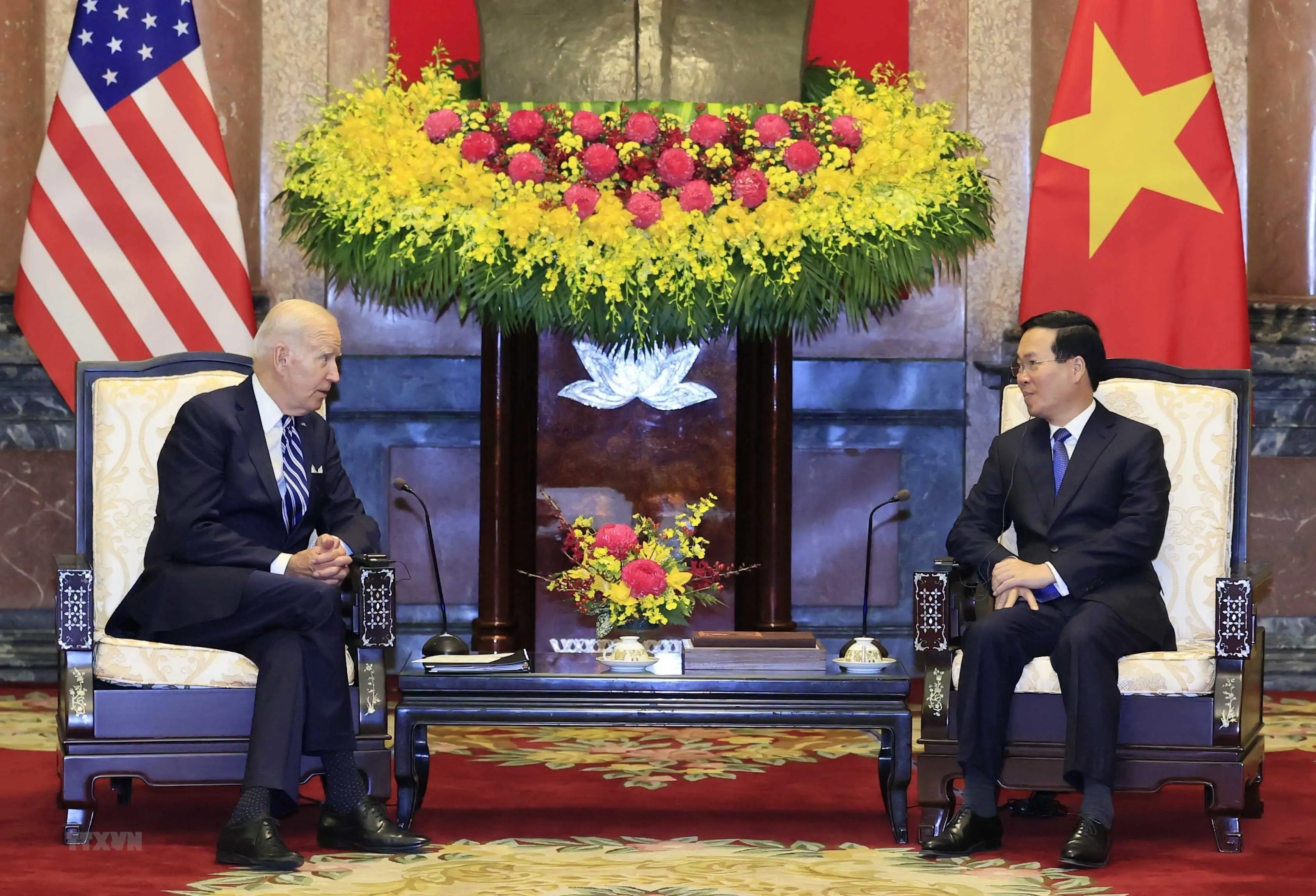
Tech leaders meet in Hanoi during Biden's Vietnam visit The tech landscape in Vietnam is gaining international attention, as leading U.S. semiconductor and digital companies converge in Hanoi for pivotal strategic discussions. This high-level meeting coincides with U.S. President Joe Biden's visit to Vietnam, highlighting efforts to strengthen bilateral relations between the two nations. The gathering is expected to draw senior executives from industry giants such as Intel, GlobalFoundries, and Google, signaling the U.S.'s intent to expand Vietnam's role in the global semiconductor industry. Strengthening Bilateral Ties in Technology As President Biden visits Vietnam, discussions between Vietnamese officials and U.S. companies are expected to focus on strengthening collaboration in the semiconductor sector. Notable companies like Intel, Amkor, Marvell, and Boeing are anticipated to attend the meeting, along with approximately 30 top executives and government officials. While this roundtable event remains unannounced, its strategic importance is evident, particularly as it aligns with U.S. objectives to boost Vietnam’s semiconductor manufacturing capabilities. The semiconductor industry is central to the discussions, with an emphasis on Vietnam’s potential to become a key player in chipmaking. These talks underscore the growing importance of Vietnam in the tech supply chain and are likely to influence future policies aimed at enhancing Vietnam's technological infrastructure. Vietnam’s Semiconductor Ambitions Several U.S. semiconductor companies have already invested in Vietnam, recognizing its potential as a rising hub for tech manufacturing. Intel, for instance, operates its largest global chip assembly and testing facility in southern Vietnam, representing a $1.5 billion investment. Amkor is also contributing to the country's semiconductor industry, with a state-of-the-art mega factory near Hanoi. Vietnam's aspirations in the semiconductor field extend beyond assembly and testing. The country has expressed interest in building its own chip fabrication plants (fabs), with discussions between Vietnamese officials and U.S. semiconductor companies focusing on this ambition. GlobalFoundries, a leader in integrated circuit manufacturing for smartphones, cars, and other applications, has been part of these talks, highlighting Vietnam’s potential to become a regional leader in chip design and manufacturing. However, the road to establishing Vietnam as a key player in semiconductor fabrication is not without challenges. A shortage of skilled engineers may slow the country’s progress, underscoring the need for investment in education and workforce development to support the growing industry. Collaboration on Artificial Intelligence Beyond semiconductors, artificial intelligence (AI) represents another area where U.S.-Vietnam collaboration could flourish. Vietnam has been in discussions with major U.S. tech companies, including Google, to explore opportunities for AI development. As Google is a global leader in AI technology, its involvement in these talks suggests that Vietnam is positioning itself to become a significant player in the AI sector. Vietnam’s growing interest in AI aligns with the U.S. strategy of building stronger ties with the country. Collaboration in AI could unlock new opportunities for Vietnam in sectors such as healthcare, finance, and manufacturing, where AI-driven solutions are becoming increasingly critical. As the Vietnamese government continues to engage with U.S. tech companies, the potential for partnerships in AI is likely to grow, further strengthening the technological relationship between the two nations. TMA Solutions: A Key Contributor to Vietnam’s Tech Ecosystem TMA Solutions, a prominent Vietnamese technology company, is playing a crucial role in advancing the country's tech ecosystem. With a commitment to delivering high-quality services that meet international standards, TMA has established itself as a leader in software development and IT solutions. The company’s certifications, including CMMI Level 5, ISO 27001, and ISO 9001, demonstrate its dedication to maintaining the highest levels of service quality. TMA’s global client network spans North America, Europe, and Asia, allowing the company to cater to a wide range of client needs across different markets. This international presence has positioned TMA as a trusted partner for businesses seeking tailored software solutions, further enhancing Vietnam’s reputation as a destination for high-quality IT services. Challenges and Opportunities for Vietnam’s Tech Future Vietnam’s semiconductor and AI ambitions are poised for growth, but challenges remain. The country’s shortage of engineers could slow the pace of development in the semiconductor industry, while the establishment of fabs will require significant investment and expertise. However, the involvement of major U.S. companies in Vietnam’s tech ecosystem suggests that the country is on the right path to becoming a key player in both semiconductors and AI. The U.S.-Vietnam relationship is entering a new phase, with technology at the center of bilateral talks. As Vietnam continues to attract investment from global tech giants like Intel, Google, and GlobalFoundries, the future looks bright for the country’s role in the global technology supply chain. With strong collaboration between the two nations, Vietnam is well-positioned to become a leader in semiconductor manufacturing and AI development. In conclusion, the strategic talks during President Biden’s visit to Vietnam mark a significant milestone in U.S.-Vietnam relations, particularly in the technology sector. As Vietnam continues to strengthen its semiconductor and AI capabilities, the country's tech industry is poised for rapid growth, driven by international investment and collaboration. This progress will not only benefit Vietnam but also contribute to the broader global technology landscape....

icon
The Future of Artificial Intelligence in Vietnam Artificial intelligence might revolutionize financial markets. Vietnam has a great chance to gain and take the lead in both development and application. Here we'll take a look at AI in Vietnam, talk about its effects there, and show you some specific examples of its usage. Is Vietnam ready to build AI? There are three main components that determine a nation's or territory's preparedness for artificial intelligence: its data infrastructure, its technology, and its governance. A government's bedrock The 2019 report from Vietnam's Ministry of Information and Communication states that there are more than 80,000 college and university graduates with degrees in information and communications technology, over 955,000 IT professionals, and more than 30,000 ICT firms of all sizes. In addition, Vietnam has become one of the most popular locations for /services IT outsourcing globally and the new IT center in Southeast Asia. Numerous AI applications have achieved remarkable progress in the nation due to its open economic environment and big labor pool. In an effort to foster the growth of artificial intelligence, many Vietnamese universities and research institutes have set up AI Centers of Excellence. The centers work with business partners to create AI solutions for different industries in Vietnam while also supporting and resourcing researchers. When properly implemented, AI has the potential to revolutionize corporate practices and spur economic expansion. Vietnam may be struggling to keep up with the rest of the pack when it comes to artificial intelligence, but that shouldn't stop this Southeast Asian nation from pouring resources into digital transformation. The foundation of technology The Vietnamese minister of planning and investment recently announced the creation of a digital ecosystem devoted to innovation and new technology, as well as the proposal of a national innovation center to foster technical advances and the innovative ideas of Vietnamese entrepreneurs. The data and infrastructure foundation The country has emphasized the long-term building, maintenance, and development of data infrastructure to speed up the economic growth of AI technology and make AI research, development, and application more efficient and effective. Vietnam has made great strides toward the imminent deployment of full-scale AI, with its AI readiness score for data infrastructure reaching 51.87. Difficulties presented by AI in Vietnam On the one hand, Vietnam's path has serious limitations when it comes to human resources and funding for AI research and development. Investing in AI technology is crucial for developing highly efficient and productive apps. So, it's critical that the Vietnamese government immediately provide sufficient funds for AI research. Vietnam is lacking in AI-specific human resources, as are other "rookies" in the AI race. Staffing for local AI initiatives will be challenging in Vietnam due to the need for a substantial pool of AI professionals, despite the country's superior IT labor base compared to other nations in the area and globally. World Intellectual Property Organization (WIPO) indexes show that more than 1,600 Vietnamese are engaged in AI-related fields of education or employment. Does Vietnam's AI field hold any promise for future advancements? Given the government's commitment and backing of the AI industry, we have reason to assume that Vietnam possesses all the necessary components to become an AI center quickly. If Vietnam keeps up its current level of commitment and efforts, it has boundless potential to lead the digital revolution utilizing AI. Source: Innovature BPO...
icon
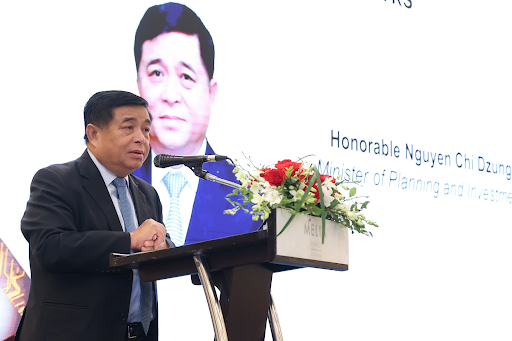
The Semiconductor Industry: A New Pillar of Vietnam-U.S. Cooperation Vietnam is prioritizing the development of its semiconductor industry by attracting investment from foreign companies, especially those from the United States. Both countries have agreed to cooperate in innovation and see the semiconductor sector as a key pillar in their partnership. The U.S. government has committed to supporting Vietnam in building a semiconductor ecosystem, including the establishment of two training centers in Ho Chi Minh City and Hanoi to train tens of thousands of semiconductor engineers. Vietnam is also actively collaborating with the U.S. on OECD semiconductor initiatives to deepen its integration into the global supply chain. Minister of Planning and Investment Dung Nguyen emphasized that this initiative marks the start of an internationally standardized training program that will enhance Vietnam’s technological capacity in the https://www.tmasolutions.com/technologies/hardware-integration semiconductor field. With its rapidly growing digital economy, young workforce, and modern infrastructure, Vietnam is becoming an increasingly attractive destination for major technology corporations. Minister of Planning and Investment Dung Nguyen. Photo: NIC. Minister Dung highlighted that U.S. investment and support are vital to unlocking a prosperous future for both nations. To meet the goal of training 50,000 semiconductor engineers by 2030, Vietnam is rolling out numerous training programs at universities, in collaboration with a wide range of partners. Source: Vietnam.net...