Home
Search
Found 797 results for “ “ keyword
icon
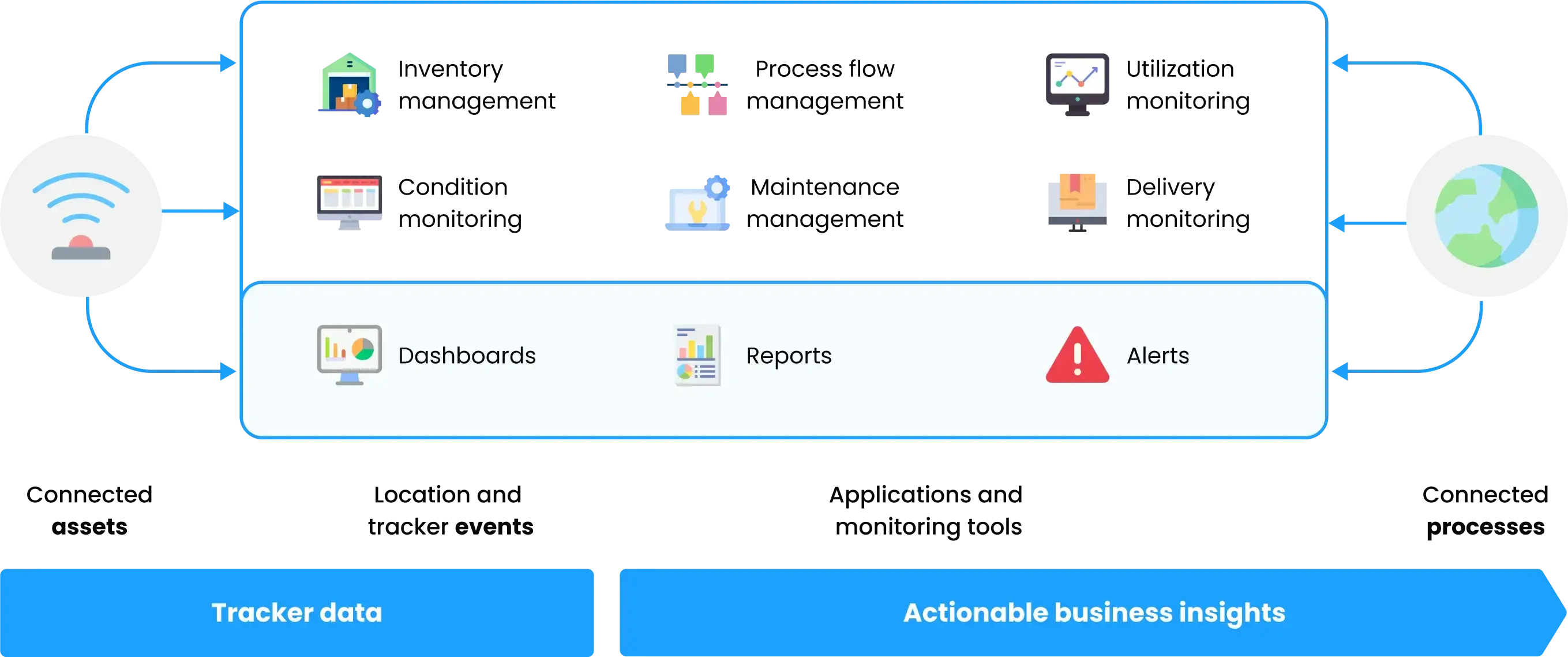
Inventory Monitoring TMA Solutions developed a cloud-based Inventory Monitoring System that enables real-time tracking of non-powered remote assets using low-power IoT and GPS technologies. The platform offers complete visibility into asset location, condition, and utilization through an intuitive web dashboard. Solutions TMA developed a cloud-based inventory monitoring platform integrated with low-power GPS trackers. The system enables real-time tracking of non-powered assets and provides key functionalities such as: Asset Tracking: Monitor asset location, movement history, and availability Utilization Monitoring: Measure usage rates to eliminate idle assets Process Flow Insights: Identify delays and inefficiencies across workflows Condition Monitoring: Detect early signs of quality or performance issues Maintenance Management: Track maintenance schedules based on real-time data Theft Detection: Trigger alerts for unauthorized asset movements Benefits Increased Operational Efficiency: Reduced time spent locating assets and performing manual stock checks Improved Asset Utilization: Eliminated inactive assets and improved capital use Real-Time Visibility: Instant insights into asset status and usage Predictive Maintenance: Planned servicing based on data, not guesswork Stronger Security: Early theft detection and traceability Easy Integration: Flexible APIs allow data to flow into existing business systems Industry: Logistics Country: Europe Project Highlights TMA Solutions developed a cloud-based Inventory Monitoring Solution that provides end-to-end tracking for non-powered remote assets. The system integrates energy-efficient GPS trackers with a low-power IoT network and a web-based platform. It enables businesses to monitor asset location, condition, movement history, and utilization through an intuitive dashboard. About Client The client is a European technology company specializing in asset tracking and logistics optimization. They focus on digitizing physical asset flows and providing accessible, scalable IoT solutions. Client Challenges Difficulty tracking non-powered remote assets across large industrial environments Manual inventory checks causing time loss and human errors Inactive (“sleeping”) assets affecting capital efficiency Lack of visibility into asset usage, maintenance needs, and potential theft Limited integration between asset tracking and existing workflows...
icon
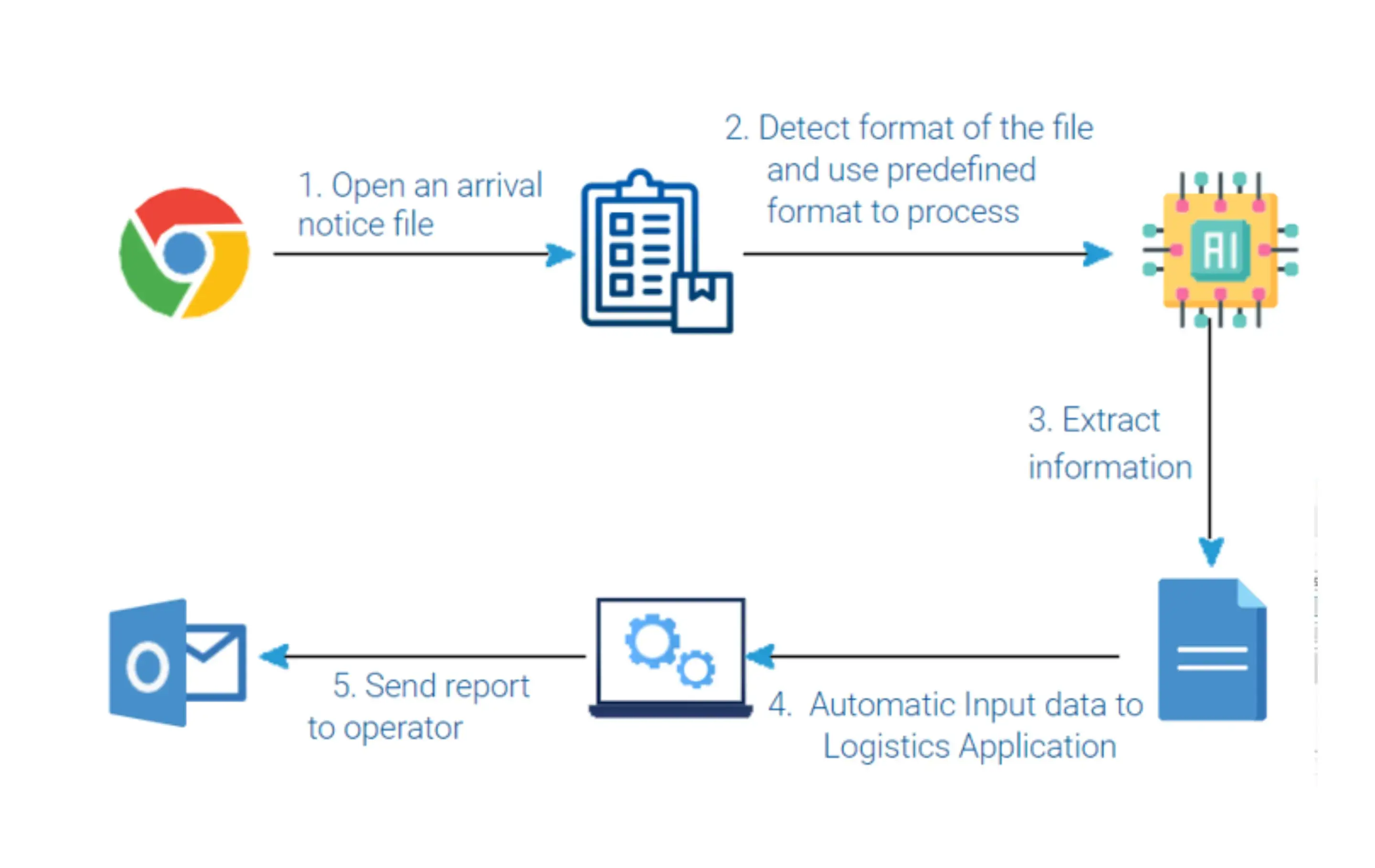
Benefits Increasing working productivity: Due to automating the invoice processing workflow through Microsoft Power Automate and AI/OCR, our solution helps increase working productivity. By eliminating manual data entry, our clients be able to shift their priority to more strategic and high-value activities. Free from form-filling: The clients no longer spend countless hours entering data repetitive day after day. By automating these time-consuming tasks, our solutions prevent human error and increase operational capacity. Eliminates data duplication: We connect to all client systems using Microsoft Power Automation, so this reduces the chances of data being duplicated. This improves data consistency and prevents confusion. Solutions We implemented an intelligent automation flow with the Microsoft Power Automate platform. Most of our clients use the Microsoft platform in their organizations, so we decided to utilize Microsoft Power Automate to our RPA (Robotic Process Automate). Our solution includes these features: Scan and extract invoice data: our solution utilizes AI-powered OCR (Optical Character Recognition) to help identify and even interpret printed or handwritten text on invoice documents. With AI component, it increases accuracy and clarifies no matter the format of the invoice. It helps minimize errors and process workflow lots faster. Integrate with the client’s logistics app: using Microsoft Power Automate allows us to connect with the client’s existing logistics app. It allows automated data flow without manual intervention. Besides reducing processing time, it prevents data duplication and ensures accuracy through all systems. Zero manual input: our solution makes sure that the entire process is automated, so it allows our clients to use their time wisely on more high-value tasks. Our solution takes care of all the boring and repetitive tasks and ensures that we helps our clients to spend their time wisely. Technologies Microsoft Power Automate Microsoft AI/OCR Solution Highlights Extract multiple data points including seller, buyer, and order details from each invoice. The Bot OCR can scan documents that are skewed, enlarged, reduced, and others. Ensure matching areas and labels are configured to extract data accurately, especially when the number of rows in the table is unknown. Define areas to extract information about the seller, buyer, and order details from invoices. Problem Statement An office worker typically spends the majority of their time manually entering data. Data entry seems like a simple task and requires little critical thinking or data analysis; however, it becomes monotonous when our client has to do it every day. The task is repetitive, and their routines include: Manually reading invoice documents Manually entering data into logistics application Despite its simplicity, the repetitive nature of the work can lead to disengagement and even seemingly error-proof tasks still leave room for human mistakes. Invoice Data Process AI-powered invoice automation – extract, process, and upload invoice data with zero manual input using OCR and Power Automate....
icon
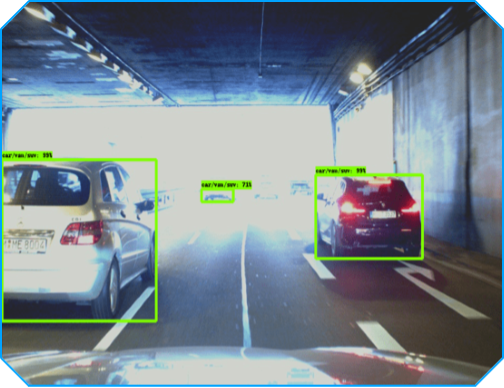
Lane and Vehicle Detection TMA Solutions developed advanced ADAS features using AI-powered camera technology to enhance driver safety through real-time lane and vehicle detection. The solution achieved over 95% accuracy in detection and seamless integration with AV navigation systems for next-generation vehicles. Project Highlights Develop multiple ADAS functionalities using camera technologies to enhance driver safety for cars, focusing on lane detection and vehicle detection. TMA provided services of development and full testing About Client Industry: Logistics & Transportation Location: Japan Client Needs Client required development and integration of multiple ADAS functionalities using camera technologies to enhance driver safety, comfort, and convenience in their next-generation vehicles: Lane Detection and Change Assist : Safe lane-changing decision support using camera-based lane detection. Static/Moving Object Detection : Identification and tracking of pedestrians, vehicles, and obstacles. Intelligent Parking Assistance : Autonomous parking control using visual object detection. Traffic Light Alert: Real-time recognition of traffic light states with driver notifications. Sign Panel Detection : Recognition of road signs for driver information and speed compliance. These features needed to integrate seamlessly with the vehicle’s AV Navigation System for an intuitive and unified user experience. Solutions Provide software solution of vehicle’s cameras to address above required ADAS functions: AI Camera Image Processing : Designed and optimized real-time computer vision algorithms capable of processing high-resolution camera feeds at low latency, ensuring immediate driver feedback. Development of ADAS Functions Using Camera : Implemented detection, classification, and tracking modules for lane markings, traffic signs, and obstacles using OpenCV and custom deep learning models. AV Navigation System Testing : Conducted functional, performance, and usability testing on the integrated AV navigation system to validate synchronization between navigation guidance and ADAS alerts. System Optimization : Enhanced ECU embedded software for minimal CPU/GPU load, improving overall system responsiveness and reducing power consumption Technologies Software/Embedded RTOS for ECU C/C++, Python, OpenCV QT for Infotainment Display Hardware/Embedded System CSI Camera Drone Benefits Achieved 95%+ accuracy in lane detection and sign recognition under diverse conditions. Reduced false-positive object detections by 30% after algorithm optimization. Integrated real-time ADAS alerts directly into the AV navigation display without degrading navigation performance. Complied with automotive safety and performance standards...
icon
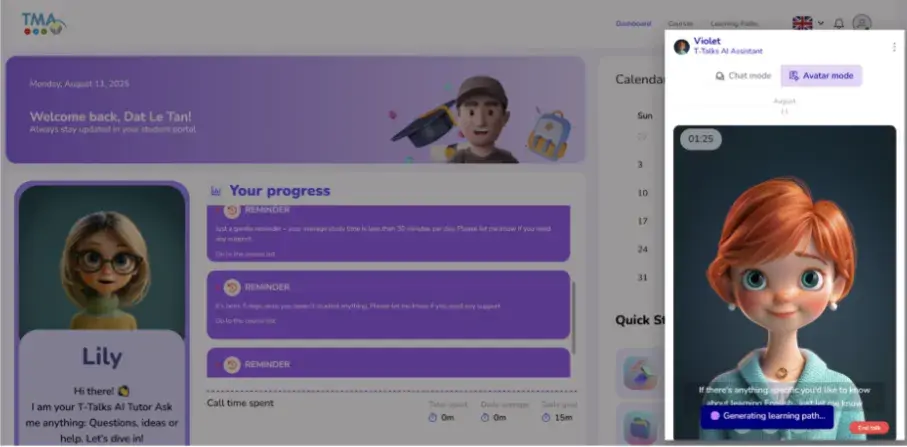
Language Learning Support Agent An AI-powered language learning platform offering personalized journeys, context-aware roleplay with instant feedback, and an AI tutor to guide learners. Functions Smart assessment test Personalized learning journey AI Roleplay Practice with Instant Feedback AI Tutor & Language Coach Learning dashboard and progress tracking Technologies AI: Open AI, LangChain, Azure Speech, TTS, STT, Whisper, Heygen Avatar, Python, Fast API BE: C# .NET, Umbraco DB: SQL Server, Mivus Vector DB FE: Mico-Frontent with Angular, ReactJS, PrimeNG, HTML, CSS, JavaScript Description An AI-powered language learning platform that develops language skills through a personalized learning journey, context-aware roleplay practice with instant feedback, and an AI tutor acting as a language coach to guide learners at every step. Its interactive dashboard tracks progress, making learning engaging, tailored, and effective for all proficiency levels. ...
icon
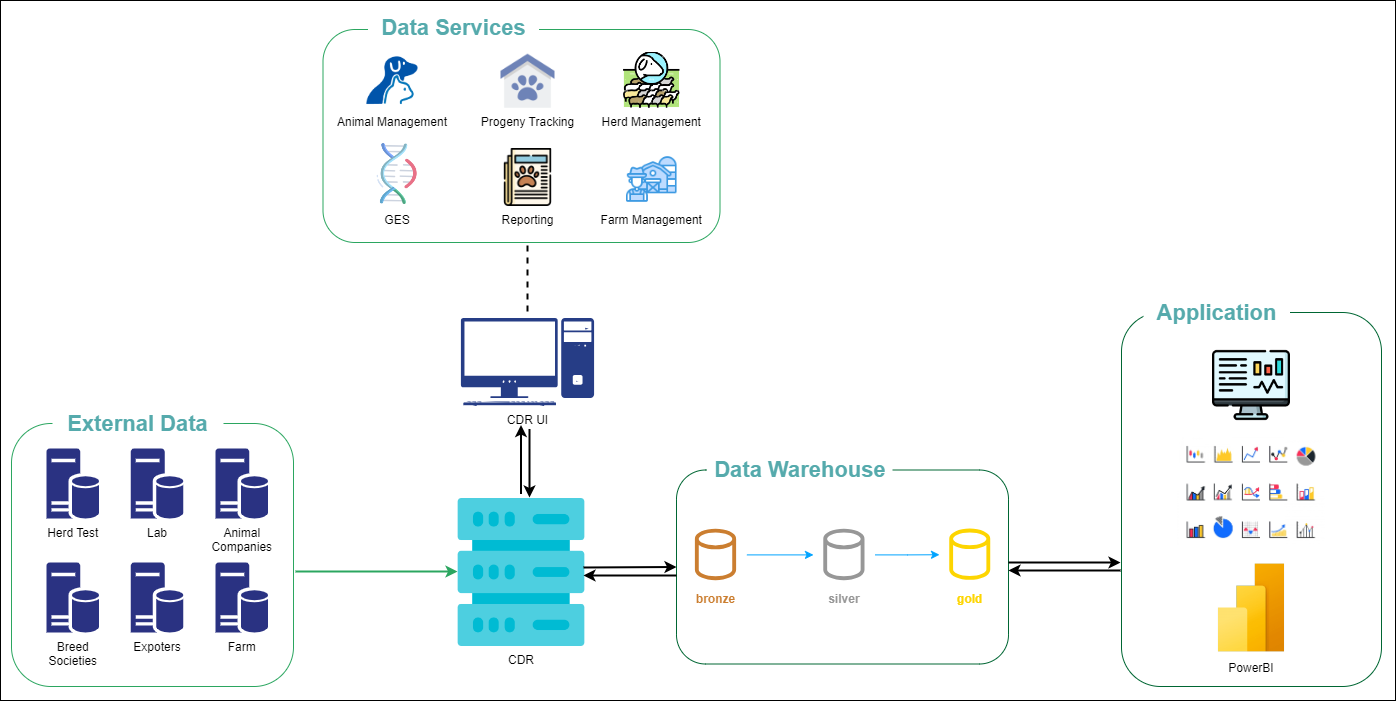
Project Highlights Data Management: Develop a Central Data Repository (CDR) to organize large-scale data, improve accessibility, and facilitate advanced analytics. Biological Parentage Tracking: Implement a Genetic Evaluation System (GES) to determine the biological relationships. Apply Machine Learning Algorithms to calculate breeding values for genetic selection. Data Protection and Confidentiality: Establish an on-premise data warehouse to safeguard information, maintain data integrity, and protect against unauthorized access. About Client Industry: Agriculture Location: Australia Client Challenges Our client seeks to create a platform that analyzes, stores, and secures genetic data to optimize breeding outcomes. Key challenges include: Fragmented Data Sources: Difficulty in integrating diverse genetic data from multiple sources leads to inconsistencies and inefficiencies. Inadequate Data Security Measures: Existing storage and management practices lack robust security protocols, risking the confidentiality and integrity of sensitive genetic information. Unreliable Parentage Verification: Traditional methods for verifying biological parentage are slow and often inaccurate, resulting in challenges in ensuring the validity of breeding decisions. Benefits Enhanced Data Accessibility: The CDR facilitates easy access to well-organized data, supporting comprehensive analysis. Reliable Parentage Verification: The GES enables accurate tracking of biological relationships, supporting effective breeding decisions and program integrity. Improved Breeding Precision: Machine learning algorithms provide accurate breeding values, leading to better selection and optimized breeding programs. Secure Data Management: The on-premise data warehouse offers robust protection for sensitive information, ensuring data confidentiality and integrity. Solutions Centralized Data Repository (CDR): Collect, organize, and store large-scale data from multiple sources, ensuring data is easily accessible and well-organized for advanced analytics. Genetic Evaluation System (GES): Process DNA data to verify the biological parentage of animals, which helps to track lineage, ensuring the integrity of breeding programs, and supporting decisions based on genetic relationships. Machine Learning Algorithms: Analyze genetic data to predict breeding values, identify animals with desirable traits, and enhance the precision of gene selection for optimized livestock breeding outcomes. On-premise Data Warehouse: Implement a secure, high-capacity on-premise data warehouse to protect data, ensuring confidentiality for long-term research and development. Large-scale centralized data repository for advanced analytics Develop a Central Data Repository (CDR) to organize large-scale data, improve accessibility, and facilitate advanced...
icon
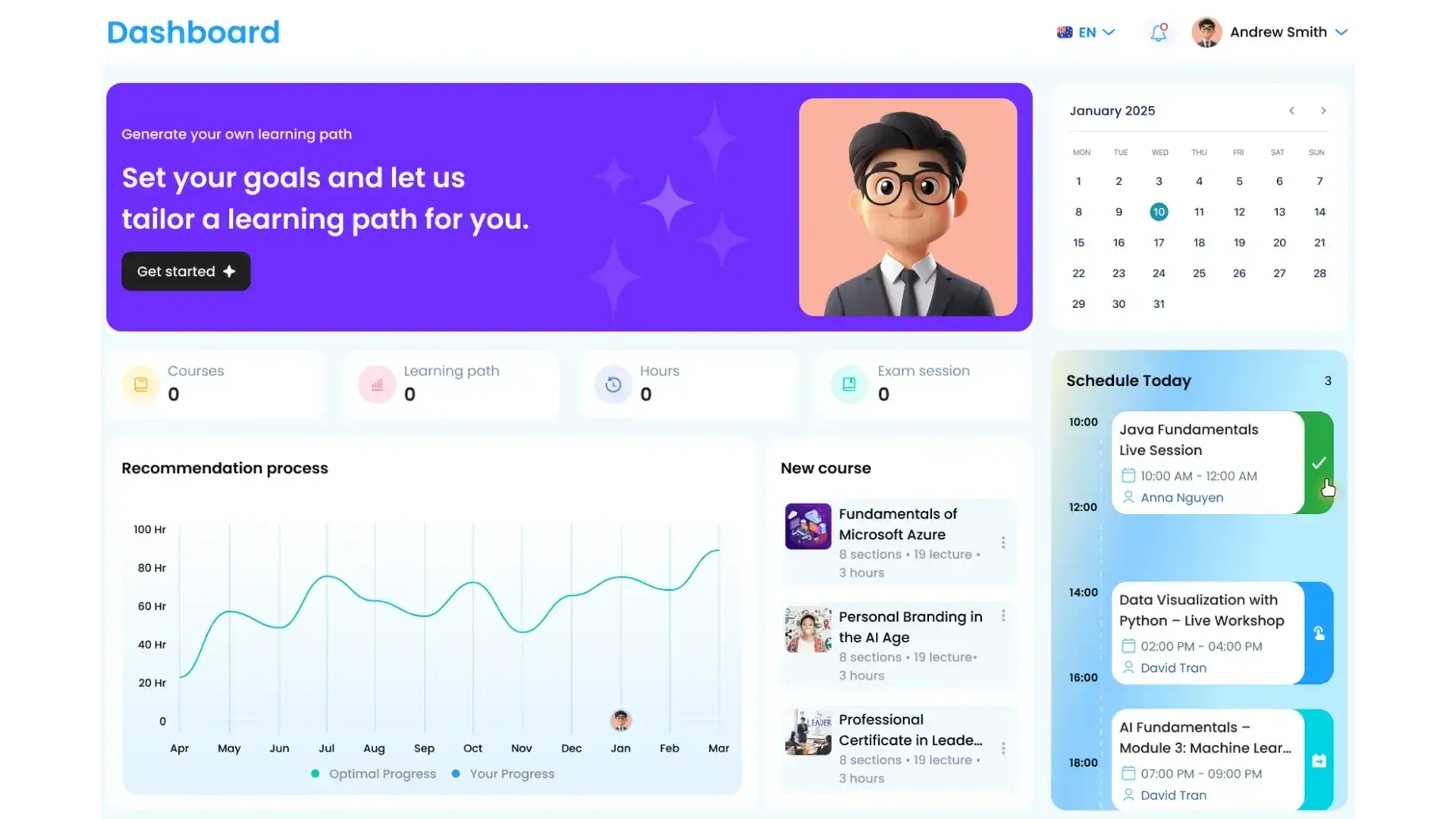
Learning Platform for IT Workforce Development An AI-powered learning platform with role-based learning paths, personalized content recommendations and progress analytics for continuous workforce development. Client challenges Training was inconsistent across roles and teams, with the same course pushed to engineers at very different skill levels. Nothing tailored the journey to what an individual already knew or where their career was heading. Progress data sat in spreadsheets, so managers could not tell which capabilities the organisation had, or was missing, when bidding for new work. Highlights TMA delivered an AI-powered learning platform organised around role-based learning paths rather than a course catalogue. A recommendation engine matches content to each learner's level and progress, and the platform runs on a microservices architecture designed to scale as user numbers and content volume grow. Benefits Engineers learn on paths built for their role and level, which lifts both completion rates and on-the-job performance. Managers see capability across teams in one place. Manual training administration dropped sharply, freeing the L&D team to focus on content quality rather than coordination. About client A technology services organisation with several thousand engineers across multiple delivery centres, operating in a field where skills go out of date in months rather than years. Continuous upskilling was a commercial requirement - staffing new projects depended on it - yet training was organised course by course rather than around the capabilities each role actually needs. ...
icon
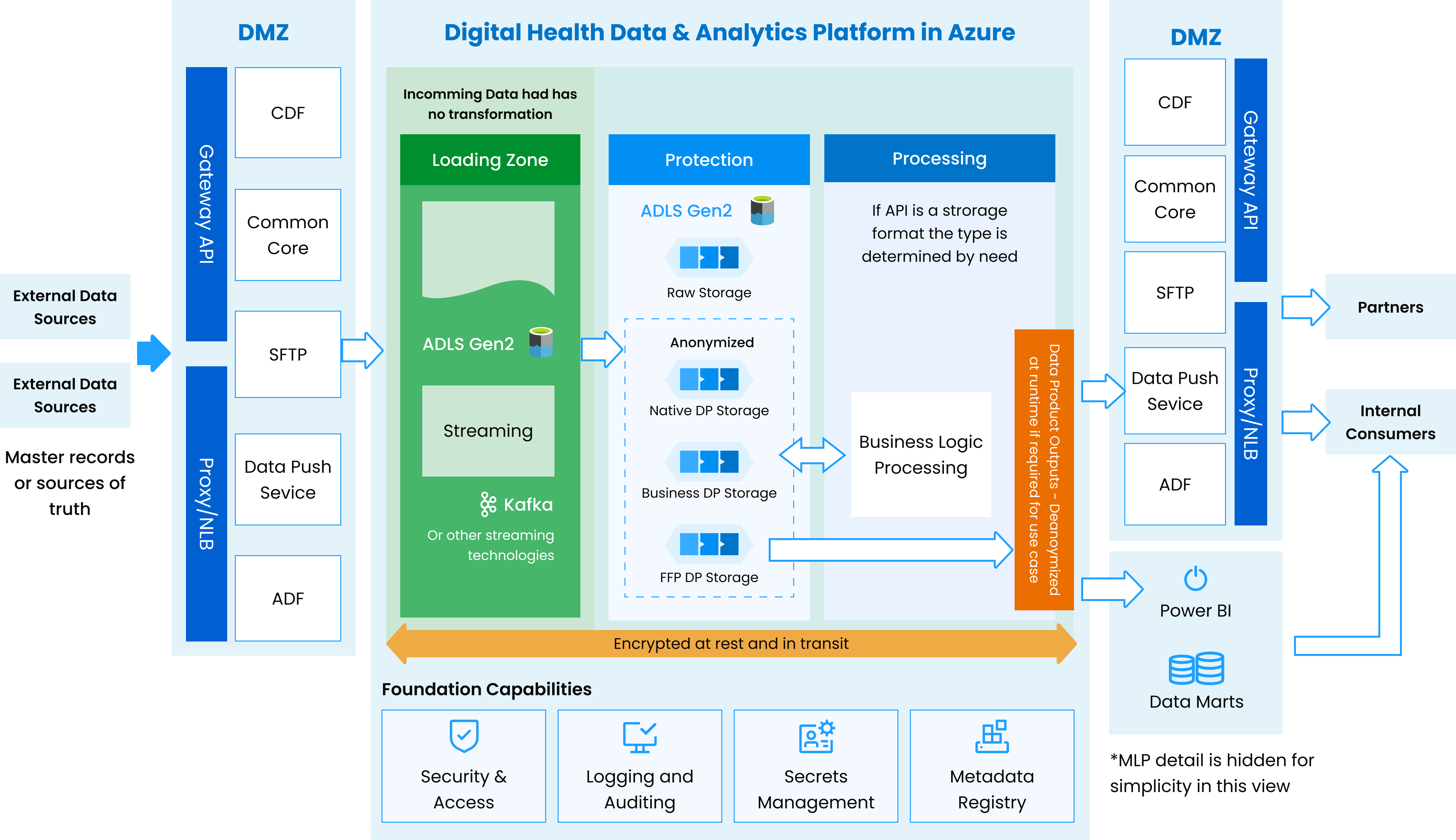
Project Highlights Provide a data platform that supports ETL (Extract, Transform, Load) processes and real-time streaming for Electronic Health Records (EHR) and health care related data. Handle porting 15 million medical records (over 30 years) to the new platform. Optimize search engine to handle 5TB sample data in 3 seconds. Protect sensitive medical information through advanced encryption and secure management. About Client Our client is a leading healthcare organization in the USA, dedicated to delivering innovative healthcare solutions. With a mission to improve the health and well-being of its members, the company offers a diverse range of health insurance plans and related services. Solutions TMA developed a health analytics platform with the following components: Data ingestion: Data of medical records from external partners, internal sources, and membership are gathered and securely transferred into the system. Data analytics: Data is initially stored in the loading zone without changes, with real-time streaming managing continuous inflow. The data is then sorted and secured in the Protection stage, where it is categorized and encrypted to ensure safety while stored and during transmission. Finally, the data is refined and transformed to meet business needs, making it ready for use. Data output: Transformed data is decrypted and made available for use by the company’s partner or internal employees. The platform also includes a search engine capable of handling 5TB of sample data and delivering results in under 3 seconds, enhancing data retrieval speed. Benefits Enhanced data management: The platform efficiently manages 15 million medical records, making important information easily accessible and organized. Better decision-making: The analytics platform supports comprehensive data analysis for better informed decisions about health clinics and insurance services. Enhanced data security: Categorization and encryption of data ensure that sensitive medical information is protected, reducing the risk of data breaches. Industry: Healthcare, Insurance Location: USA Client Challenges As a leading healthcare company, our client faces the daily challenge of managing a vast amount of health data. Every day, they handle millions of medical records, each containing critical information essential for patient care and health management. Facing this challenge, they desired to create a robust data platform to support extensive healthcare services, migrate and validate existing data, and handle the massive volume with a powerful analytics system for health clinics and insurance services. Recognizing the need for expertise in healthcare software development, they have considered TMA, a leading Vietnam technology service provider with a 12-year track record specializing in big data and analytics as their strategic software partner. Leverage Big Data for Healthcare analytics Provide a data platform that supports ETL (Extract, Transform, Load) processes and real-time streaming for Electronic Health Records (EHR) and health...

icon
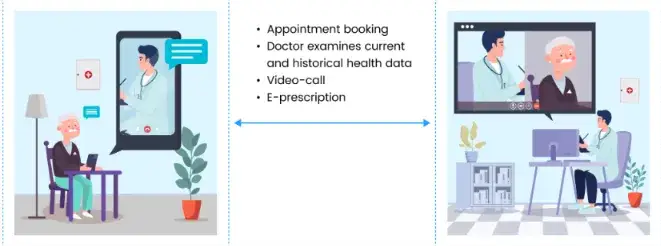
Leveraging Next-Generation Virtual Care for Enhanced Patient Engagement A next-generation virtual care platform enhances patient engagement through remote consultations, interoperable EHR integration, data-driven workflows, and secure healthcare data management. Project Highlights Multipoint Conferencing Integration: Implemented remote consultation capabilities using multipoint conferencing to support real-time communication between patients and healthcare professionals. EHR and Data Standardization : Integrated electronic health records (EHR) and utilized FHIR and HL7 standards to ensure standardized data exchange across systems. Modular Data-Driven Architecture: Built a modular, data-driven virtual care platform featuring microservices and self-service development frameworks for clinicians. Compliant Data Environment : Established a secure system compliant with regulatory standards including HIPAA, GDPR, and CPPA. About Client Industry: Healthcare Technology and Virtual Primary Care Services. Location: United States (USA) Client Challenges The client required a scalable virtual care infrastructure to deliver consistent primary care services and support complex clinical workflows. To achieve this, the organization had to address critical obstacles related to care availability, system adaptability, and strict regulatory requirements. Access to Care: Patients struggled to maintain consistent, reliable access to primary care providers, impacting the continuity of care. Data Privacy Compliance: The platform had to meet strict patient protection regulations, making full compliance with HIPAA, GDPR, and CPPA mandatory. System Adaptability and Clinical Tools: Clinicians lacked intuitive tools and self-service development frameworks to efficiently configure custom charts, signing sheets, and personalized patient experiences. Solutions TMA Healthtech implemented a scalable, data driven Virtual Care platform tailored for both home based and clinic based environments. The approach focused on digitizing the entire patient journey: Remote Consultation Multipoint Conferencing: Implemented multipoint conferencing capabilities within the platform to facilitate real-time communication between patients and healthcare professionals. Standardized Data and EHR Integration: Integrated Electronic Health Records (EHR) tools and utilized industry-standard FHIR and HL7 protocols to facilitate secure, standardized medical data exchange. Patient Engagement and Interactive Care Tools: Developed patient engagement tools within the platform to promote active participation, improve care coordination, and track personalized care plans. Benefits The implementation of the TMA Healthtech solution delivered measurable improvements in healthcare delivery and operational efficiency: Improved Accessibility: Enabled virtual primary care workflows that reduced the need for physical visits for routine consultations. Enhanced Data Accuracy: Automated data entry via OCR and centralized EHR reduced human error in medical records. Operational Efficiency: The flexible appointment booking and self-service document handling significantly reduced administrative overhead for medical staff. Security Assurance: Achieved a 100% compliant environment for sensitive data handling, fostering trust between the healthcare provider and its patients....