Healthcare is no longer limited to what happens inside a clinic. Patients increasingly need support before their appointments, between consultations, and throughout long-term treatment. For clinics, this means moving beyond one-time visits toward a connected model of continuous patient care.
This shift is especially important as healthcare systems manage ageing populations and a growing number of patients with chronic conditions. According to the 2025 Global Burden of Disease study, cardiovascular diseases caused an estimated 19.2 million deaths worldwide in 2023, accounting for approximately one-third of all global deaths. The World Health Organization also emphasizes the importance of early detection to enable timely intervention, appropriate treatment, and ongoing disease management.
However, many clinics still depend on periodic appointments, fragmented records, and manual follow-up processes. Once patients leave the clinic, care teams may have limited visibility into changes in their symptoms, vital signs, medication adherence, or recovery progress.
A telehealth solution for clinics helps close this gap by connecting virtual consultations, patient data, remote monitoring, and follow-up workflows. With these capabilities working together, clinics can stay engaged with patients throughout the care journey and respond more proactively when support is needed.
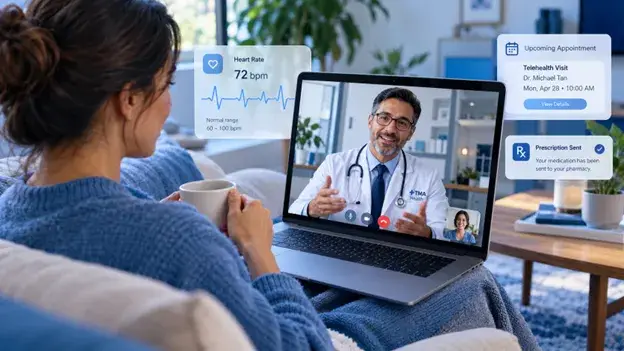
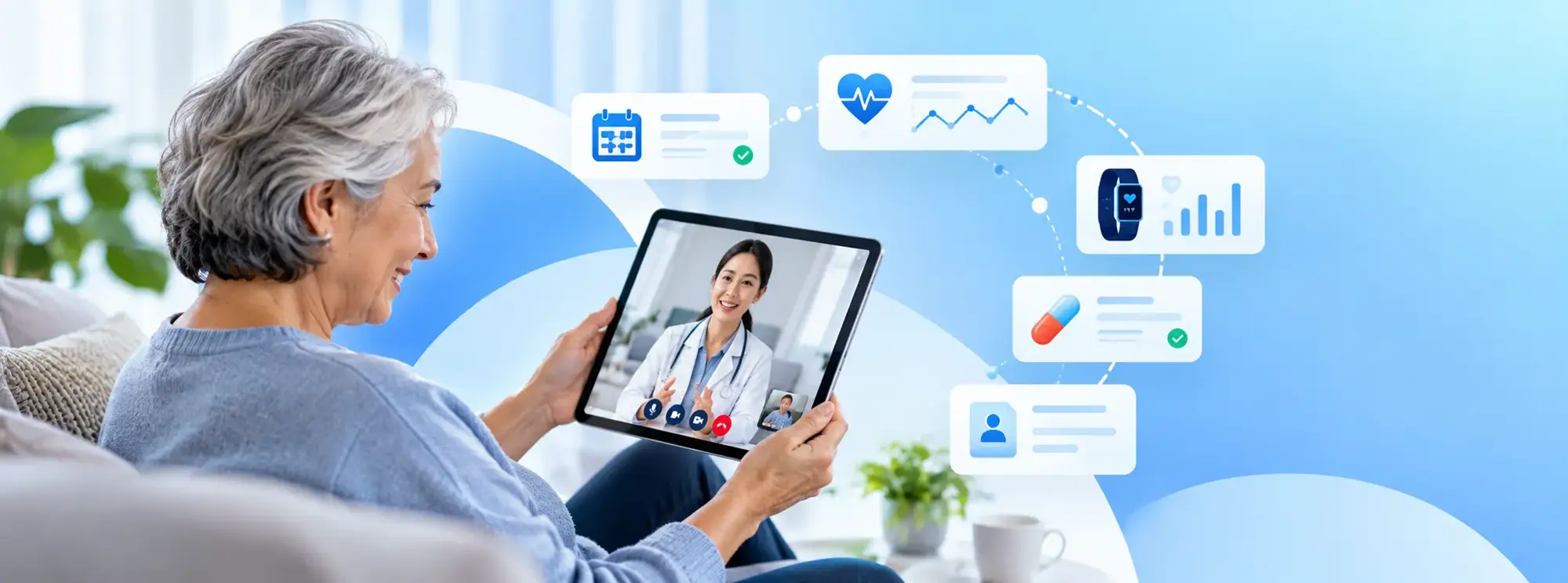
Telehealth solution for clinics with virtual consultations and remote patient care.
Why Clinics Struggle to Deliver Continuous Patient Care?
Continuous care requires healthcare providers to understand what happens to patients not only during a consultation, but also before and after it. In practice, several operational and technological barriers make this difficult.
Limited visibility between appointments
Traditional clinic-based care provides only a snapshot of a patient’s health at a specific point in time. A patient may visit the clinic, receive a diagnosis and treatment plan, and then return weeks or months later. During that period, the care team may not know whether:
The patient’s condition is improving or worsening
New symptoms have appeared
Vital signs have moved outside a safe range
The patient is following the prescribed treatment
Medication is producing side effects
An earlier intervention is required
This lack of visibility is particularly challenging for chronic disease management, post-treatment follow-up, elderly care, and other services that require ongoing observation.
Fragmented patient information
Patient information is often distributed across multiple systems and formats. Medical history may be stored in an electronic health record, while laboratory results, prescriptions, wearable data, consultation notes, and patient-reported symptoms are managed separately.
Some information may still exist only in paper documents, scanned images, emails, or messaging applications. As a result, healthcare professionals must spend time searching for and consolidating information before they can fully understand a patient’s condition.
The World Health Organization has identified fragmented care as an ongoing healthcare challenge. Its 2024 report on integrated, people-centred health services notes that, even where healthcare is accessible, it is often fragmented or of insufficient quality. WHO highlights more integrated and people-centred care as an important response to ageing populations, multimorbidity, noncommunicable diseases, and increasing healthcare costs.
Manual and inconsistent follow-up
After a consultation, clinic staff may need to manually:
Call patients to check their progress
Send medication or appointment reminders
Collect updated symptoms
Review test results
Confirm that patients are following care plans
Identify patients requiring additional attention
These processes are time-consuming and difficult to scale. When staff workloads increase, follow-up activities may be delayed or performed inconsistently.
Reactive rather than proactive care
Without continuous patient data, clinics are often forced to wait until patients report a problem or return for another consultation. By that time, a health issue may have progressed or become more difficult to manage.
Continuous care requires a more proactive approach: Collecting relevant information, identifying changes, and helping care teams intervene at the appropriate time.
The Role of Telemedicine Platforms
A telemedicine platform is a digital healthcare system that enables healthcare providers to remotely consult with, communicate with, monitor, and support patients. More importantly, it helps extend care beyond individual appointments by connecting patients and care teams throughout the healthcare journey.
Although telemedicine is often associated with video calls, a modern platform can support a broader range of activities, including:
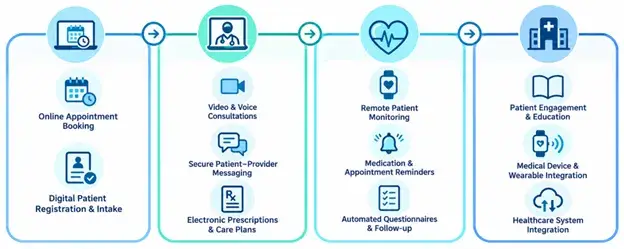
A connected telehealth ecosystem for virtual care and remote monitoring
The OECD notes that telemedicine has the potential to improve access to care, particularly for patients in underserved communities. However, it also emphasizes that telemedicine should be integrated into the broader healthcare model rather than operated as a disconnected digital service.
A well-designed telemedicine platform therefore connects each patient interaction to a broader care pathway from the initial appointment and consultation to remote monitoring, follow-up, and long-term health management.
How Telemedicine Platforms Enable Continuous Patient Care
Delivering continuous patient care requires more than enabling virtual consultations. Clinics need an integrated platform that connects patient onboarding, consultations, health data, remote monitoring, and follow-up activities throughout the care journey.
To address these needs, TMA has developed the Integrated Healthcare Platform - a comprehensive digital healthcare solution designed to help clinics stay connected with patients before, during, and after each consultation.
By bringing telemedicine, connected health data, care coordination, and remote monitoring into one platform, IHP enables clinics to deliver more proactive, personalized, and continuous care.
Preparing patients before the consultation
Continuous care begins before a patient meets a healthcare professional. Through a digital platform, patients can:
Create an account and manage their profile
Book or reschedule appointments
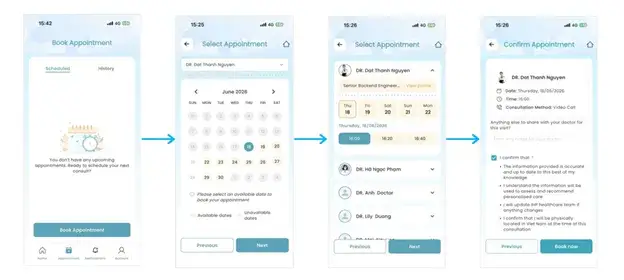
Patient Appointment Booking Journey
Complete digital intake forms
Describe symptoms and health concerns
Provide medical and medication history
Having this information available before the consultation helps the care team prepare more effectively. It can also reduce manual data entry and allow clinicians to spend more of the appointment discussing the patient’s needs.
Enabling accessible virtual consultations
Telemedicine platforms allow patients to consult healthcare professionals without always travelling to a physical facility. Depending on the clinical use case, communication may take place through:
Secure video consultations
Voice calls
In-app chat or messaging
Digital questionnaires
This flexibility can be valuable for patients living far from a clinic, people with mobility limitations, elderly patients, and individuals requiring frequent follow-up.
Virtual care does not necessarily replace every in-person visit. Instead, it gives clinics another channel for providing the appropriate type of care at the appropriate stage of the patient journey.
Creating personalized digital care plans
After the consultation, the platform can provide patients with a clear digital care plan that may include:
Treatment instructions
Medication information
Follow-up schedules
Laboratory or diagnostic testing requirements
Because the care plan is available digitally, patients can review it when needed rather than relying only on printed instructions or memory. The care team can also update the plan as the patient’s condition changes, helping support a more personalized approach to treatment.
Automating patient follow-up
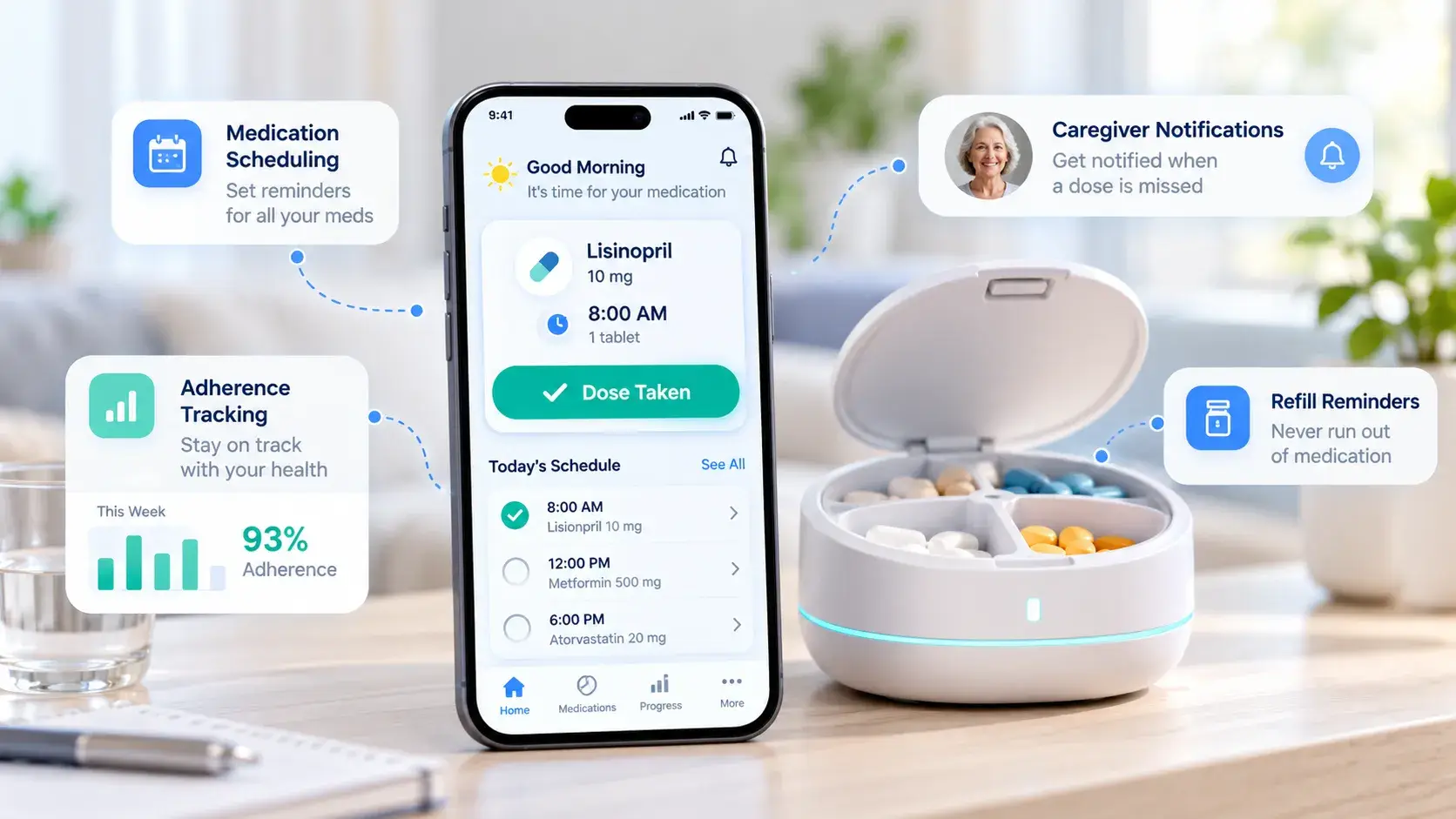
Follow-up is one of the most important parts of continuous care, but it can also create a significant administrative burden. Telemedicine platforms can automate routine activities such as:
Appointment and test reminders
Symptom check-ins
Automation allows staff to focus on cases requiring professional attention while maintaining consistent engagement with a larger patient population.
Key Benefits for Clinics and Healthcare Providers
By connecting virtual consultations, patient data, remote monitoring, and follow-up activities, telemedicine platforms help clinics improve both patient care and operational performance. Key benefits include:
Expanded access to care: Virtual consultations allow clinics to support patients beyond their immediate geographic location. They can also improve access for patients who find it difficult to travel frequently.
Better continuity of care: Patient records, consultations, monitoring data, and follow-up activities remain connected. This helps reduce information gaps between different stages of treatment.
More proactive patient management: Remote data and automated alerts help care teams identify patients who may require attention instead of waiting for the next appointment or an urgent patient request.
Improved operational efficiency: Digital intake, automated reminders, structured workflows, and centralized information reduce repetitive administrative tasks.
Scalable service delivery: Clinics can introduce remote care programs for defined patient groups and gradually expand them without relying entirely on additional physical facilities.
Conclusion
Telemedicine delivers its greatest value when it becomes part of a connected care pathway rather than operating as a standalone communication channel. By bringing together digital patient intake, virtual consultations, health data, remote monitoring, and follow-up workflows, clinics can gain a more complete view of each patient’s journey and deliver more proactive, personalized care.
TMA provides the digital foundation for this approach. It helps healthcare organizations stay connected with patients beyond individual appointments, respond to changing care needs, and support continuous patient management through one integrated ecosystem.
Ready to build a more connected patient care experience?
Discover how TMA Innovation’s Integrated Healthcare Platform can help your organization extend care beyond the clinic. Contact TMA today to explore your use case and begin your digital healthcare journey.


.webp_2026-10-23-15-51-46-346.webp)